

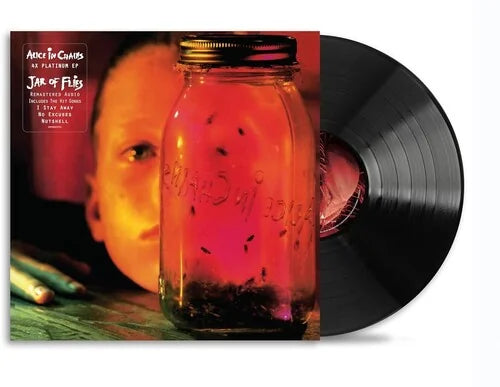
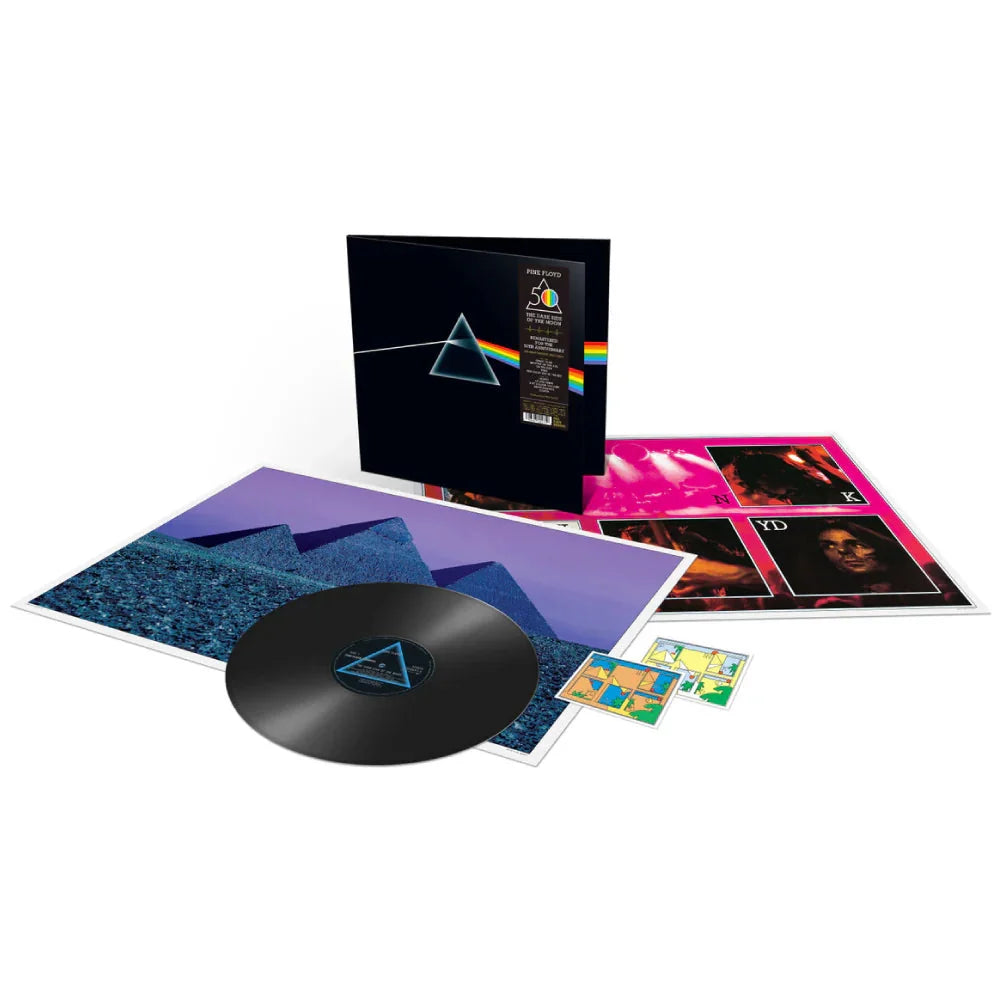
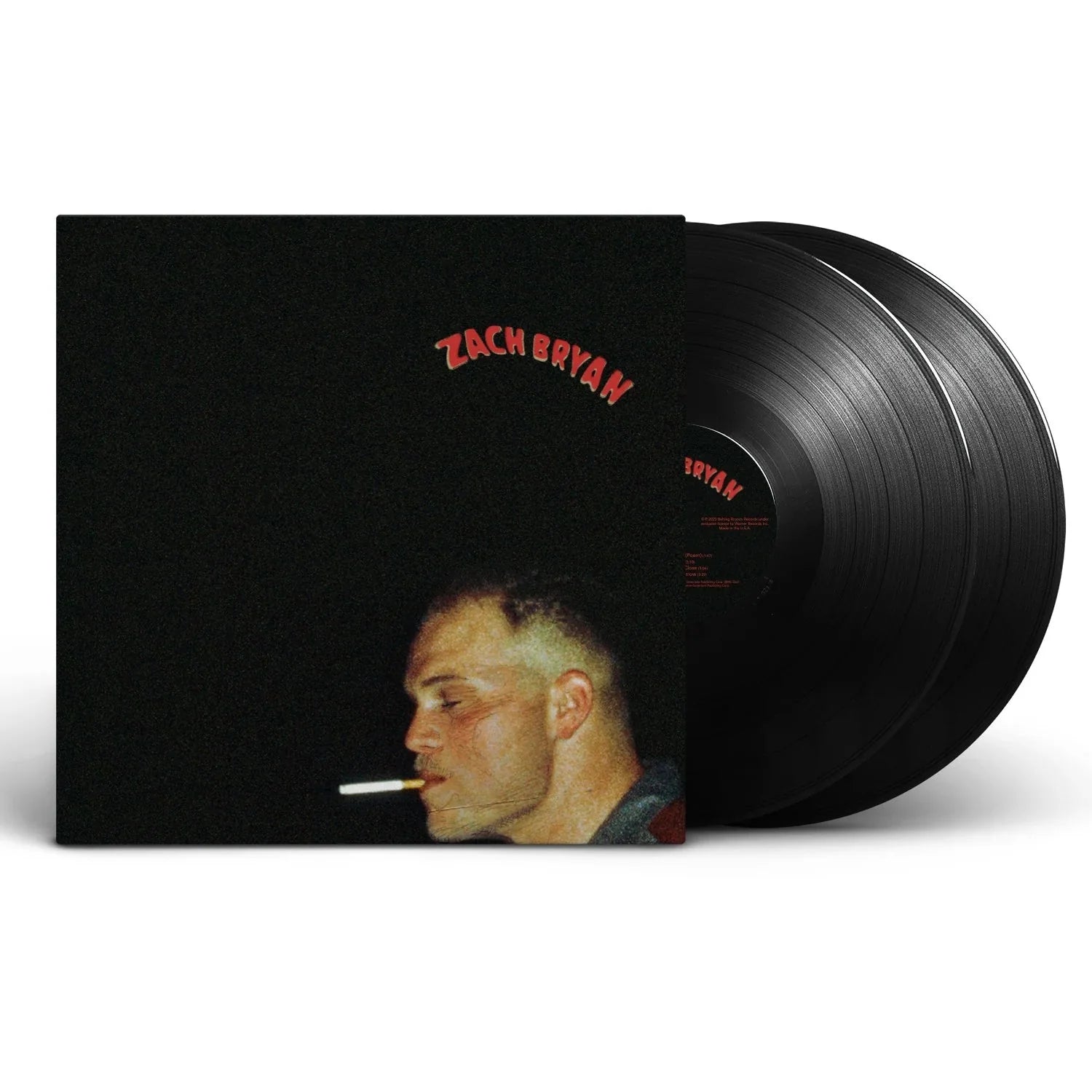
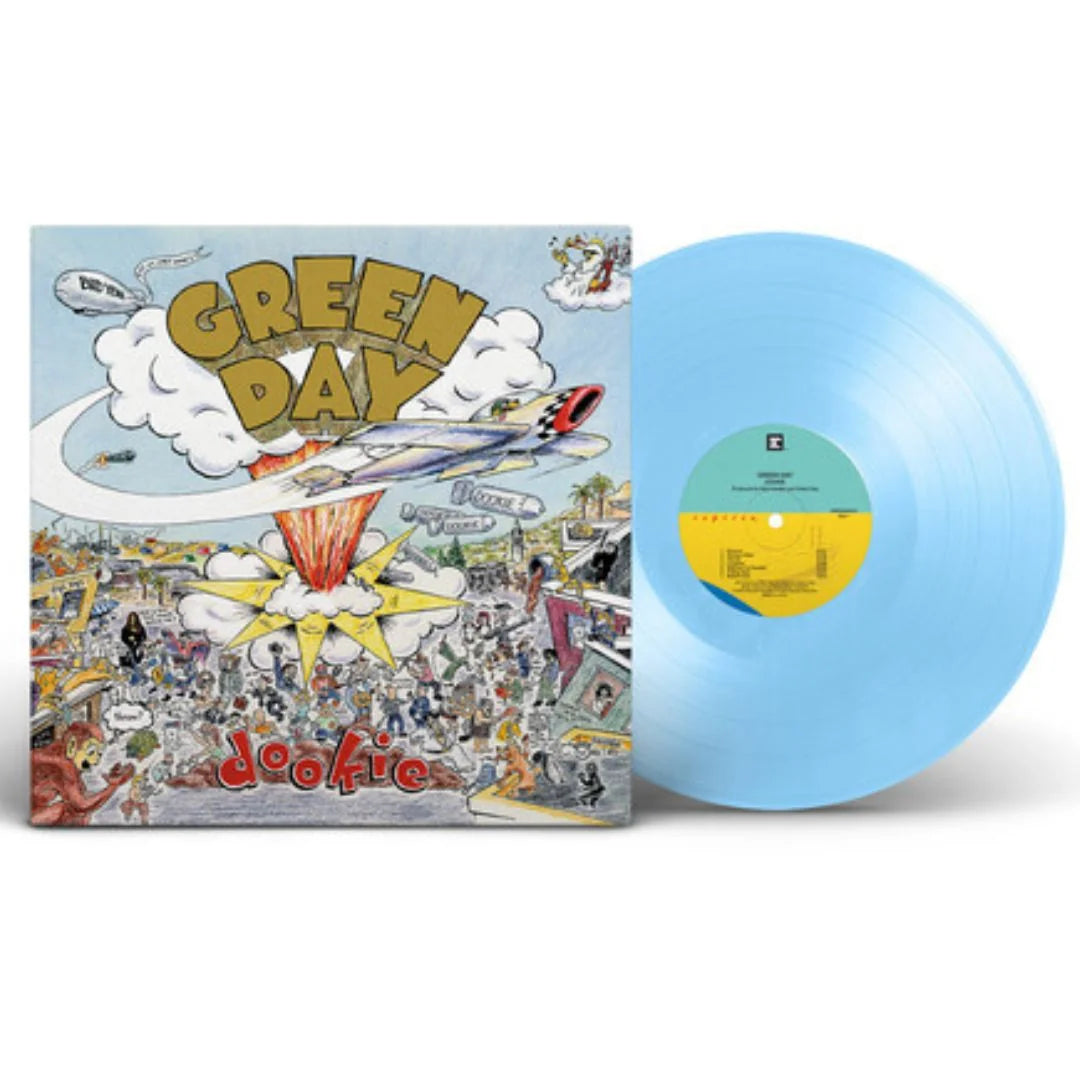
![Smashing Pumpkins - Mellon Collie and The Infinite Sadness [4LP Box Set]](http://vinyl.com/cdn/shop/files/MellonCollie4LP-SmashingPumpkins.png?v=1736990865&width=5760)
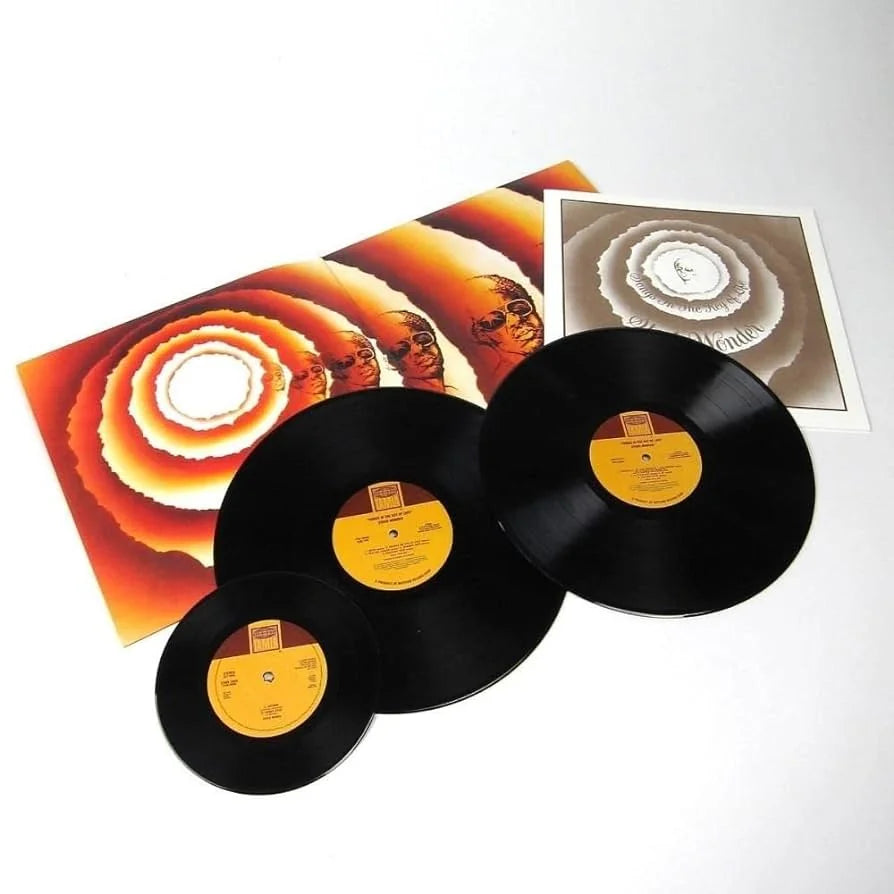
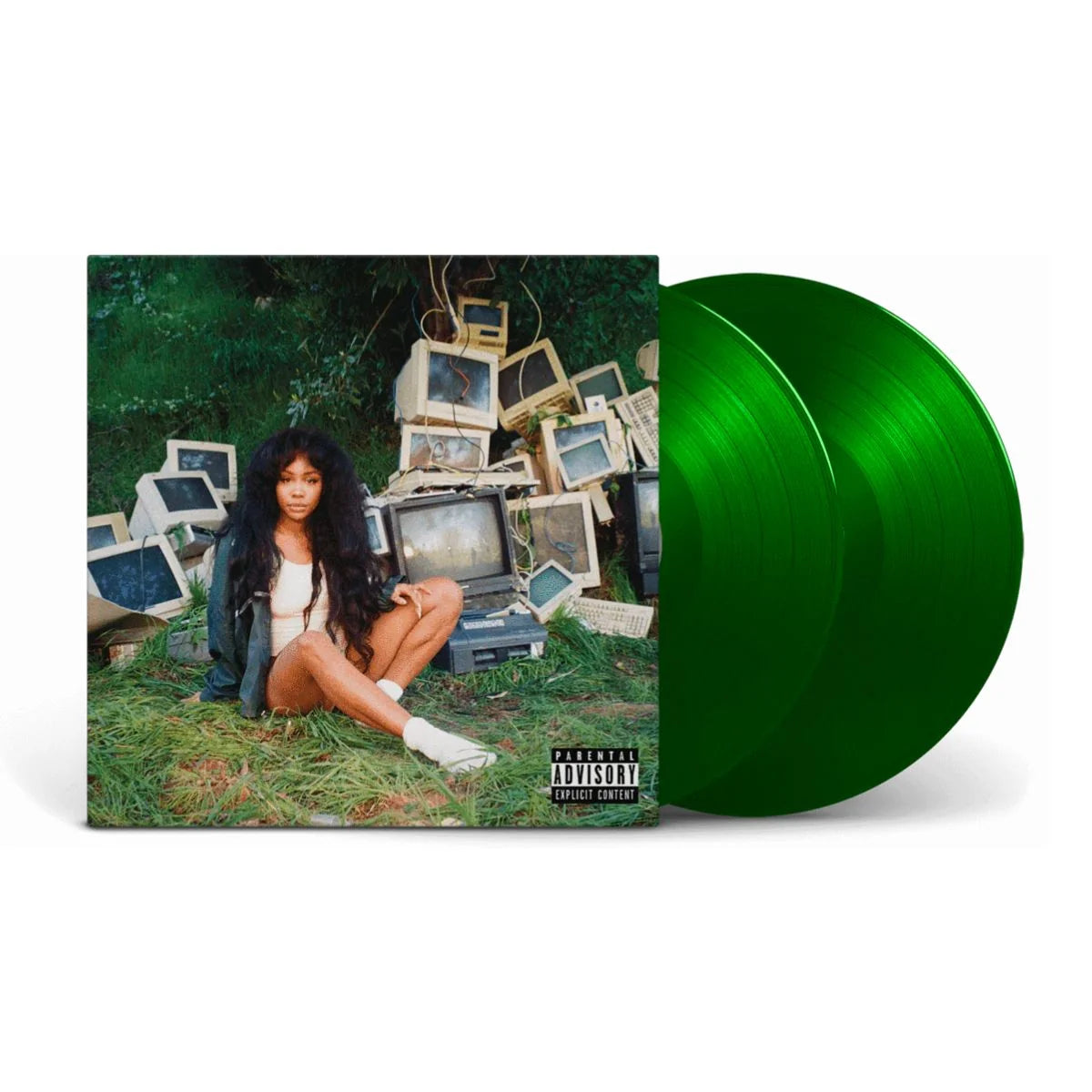
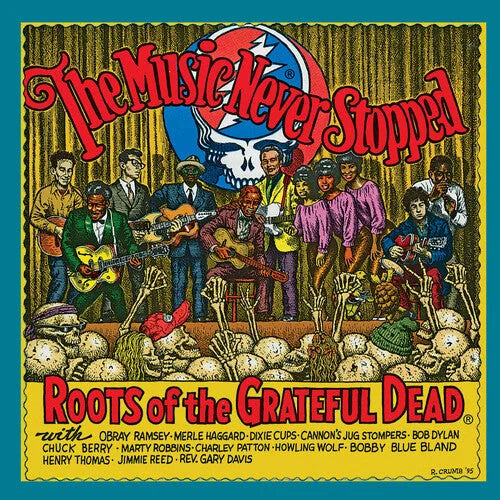
![The Grateful Dead - The Music Never Stopped [6LP Box Set]](http://vinyl.com/cdn/shop/files/The_Grateful_Dead-The_Music_Never_Stopped__6LP_Box_Set.jpg?v=1747729623&width=5760)
![The Grateful Dead - Madison Square Garden, New York, NY 3/9/81 (2023 Rocktober Edition) [5LP Box Set]](http://vinyl.com/cdn/shop/files/gratefuldead_2.png?v=1768197509&width=5760)
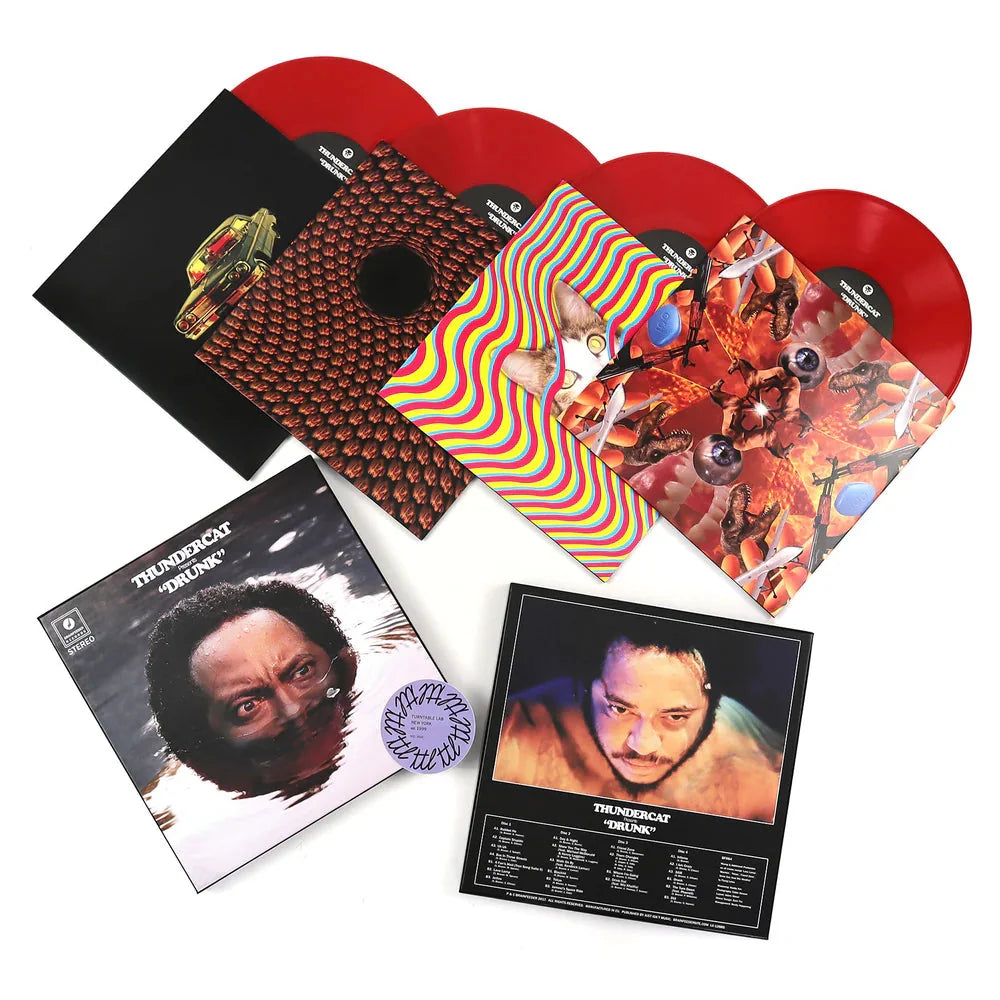

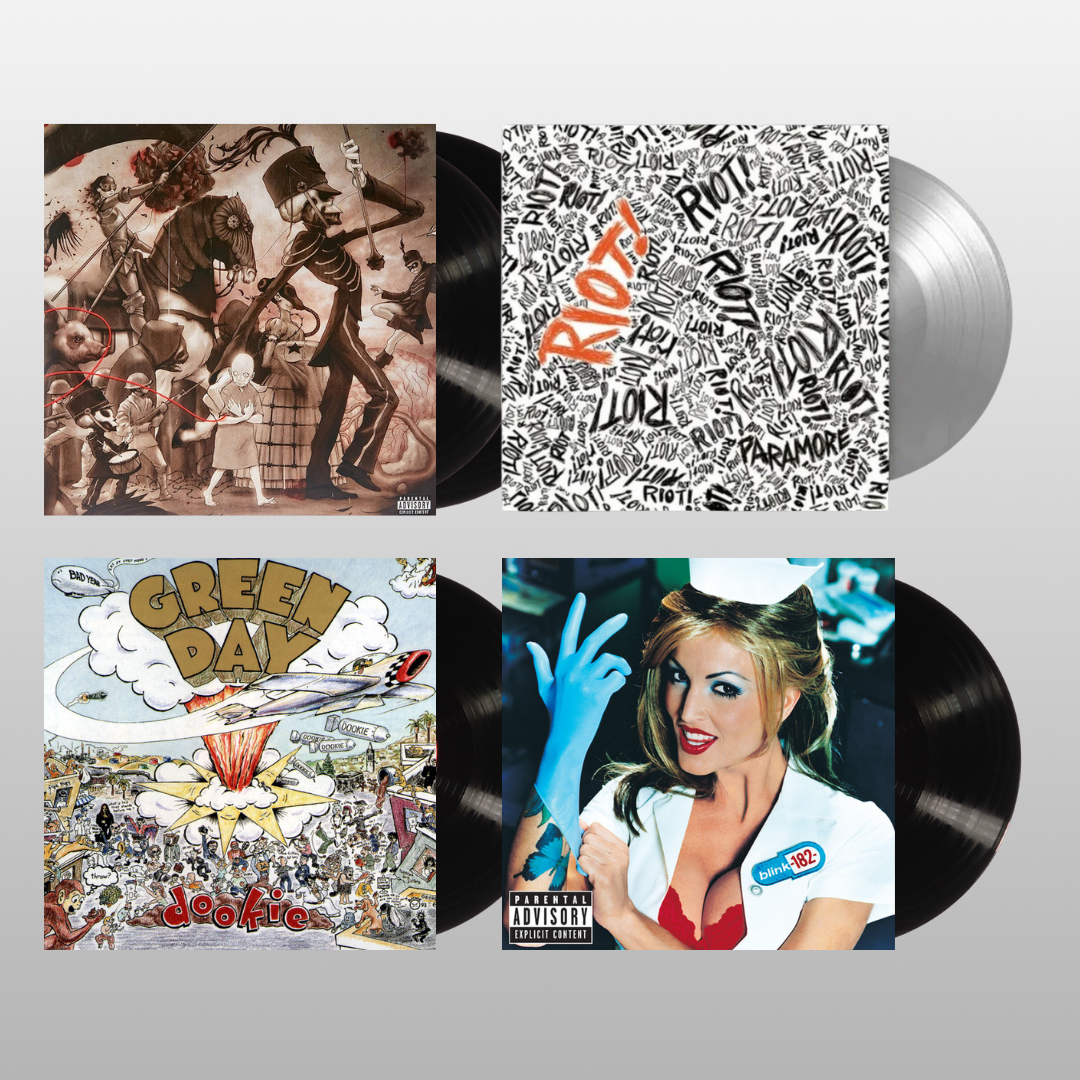
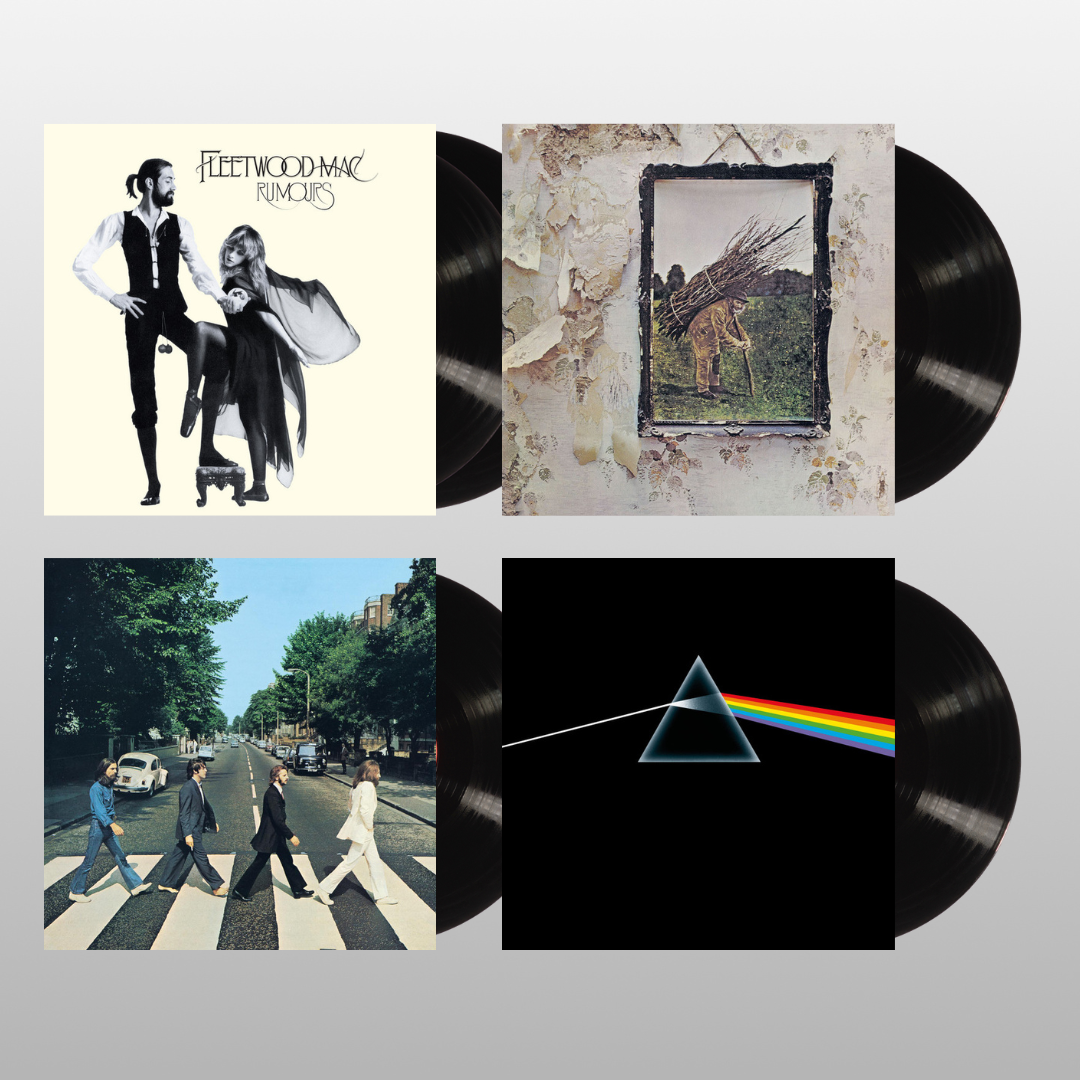
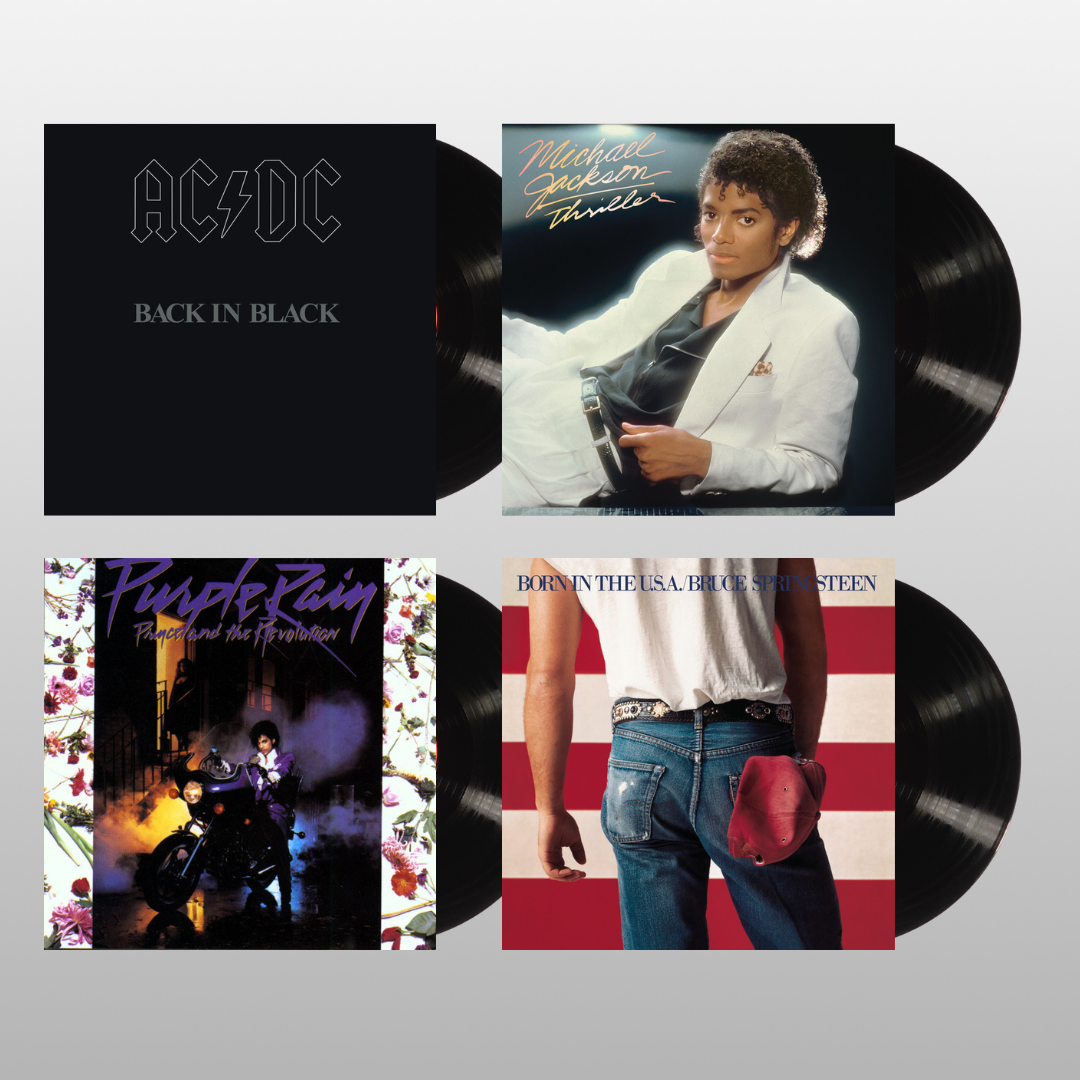
![Taylor Swift - folklore [2LP Beige]](http://vinyl.com/cdn/shop/files/477929-Product-0-I-637317959467683009_grande_a6f82db0-1cb7-45c5-8892-ed79af261e80.webp?v=1736750683&width=5760)
![Cryptopsy - None So Vile [CD / Vinyl]](http://vinyl.com/cdn/shop/files/SOM830LP.jpg?v=1766139746&width=5760)
![Cannabis Corpse - Beneath Grow Lights Thou Shalt Rise [CD / Vinyl]](http://vinyl.com/cdn/shop/files/SOM310LPP-FRONT.jpg?v=1766139744&width=5760)

![Numenorean - Adore [CD / Vinyl]](http://vinyl.com/cdn/shop/files/SOM504LPCB.jpg?v=1766139732&width=5760)
![Mac Miller - Swimming [2LP]](http://vinyl.com/cdn/shop/files/MacMiller-Swimming_2LP.png?v=1776241230&width=5760)


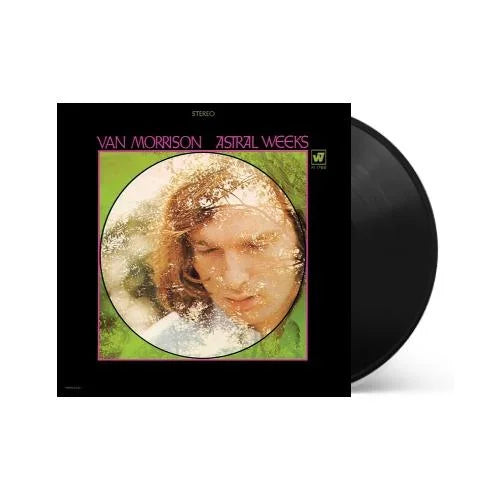
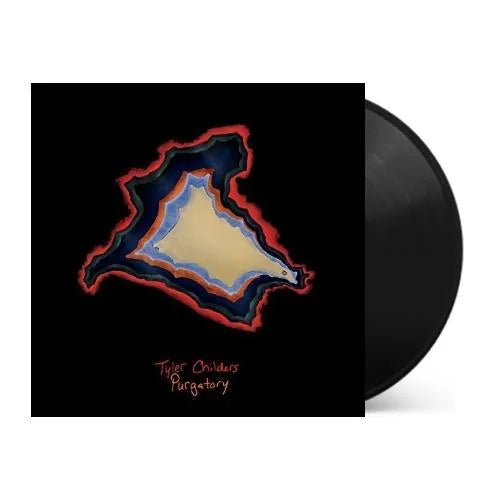
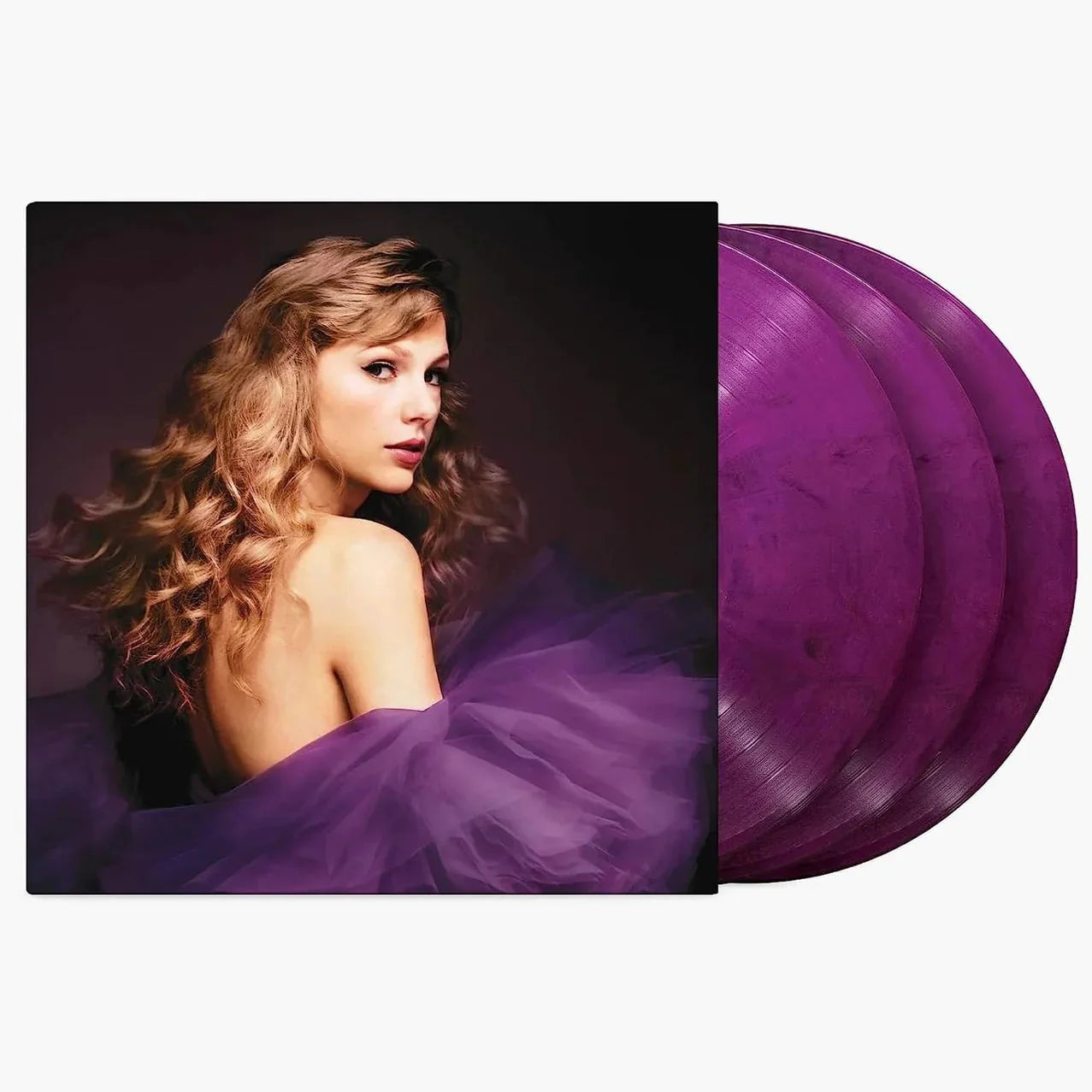
![Zach Bryan - American Heartbreak [3LP]](http://vinyl.com/cdn/shop/files/Zach_Bryan-American_Heartbreak_3LP.webp?v=1764838852&width=5760)
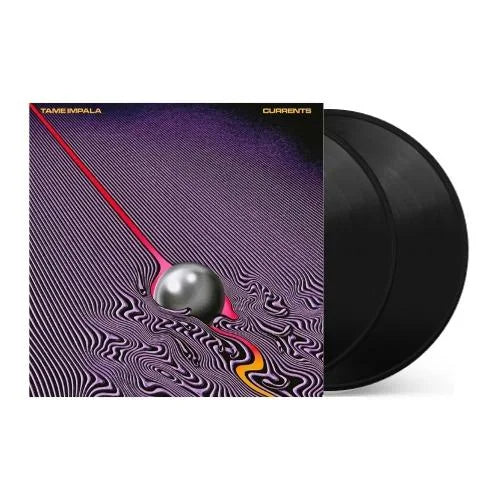
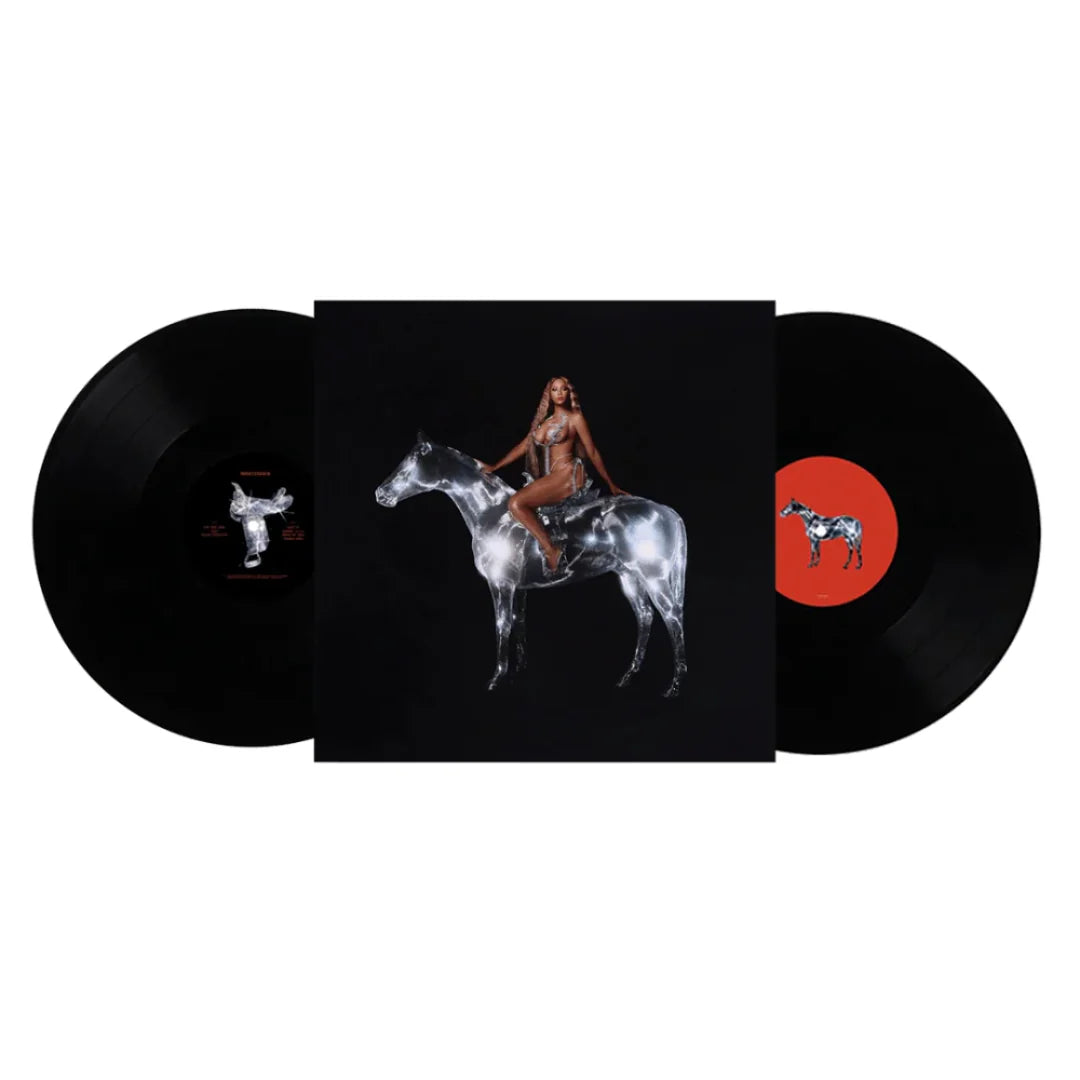
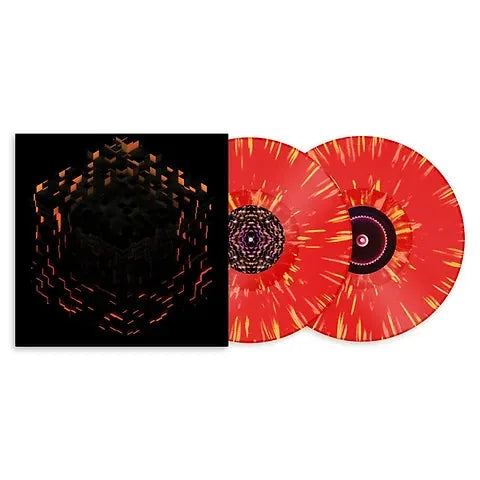

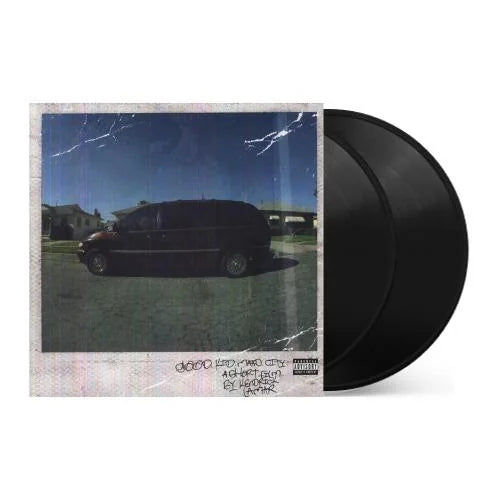
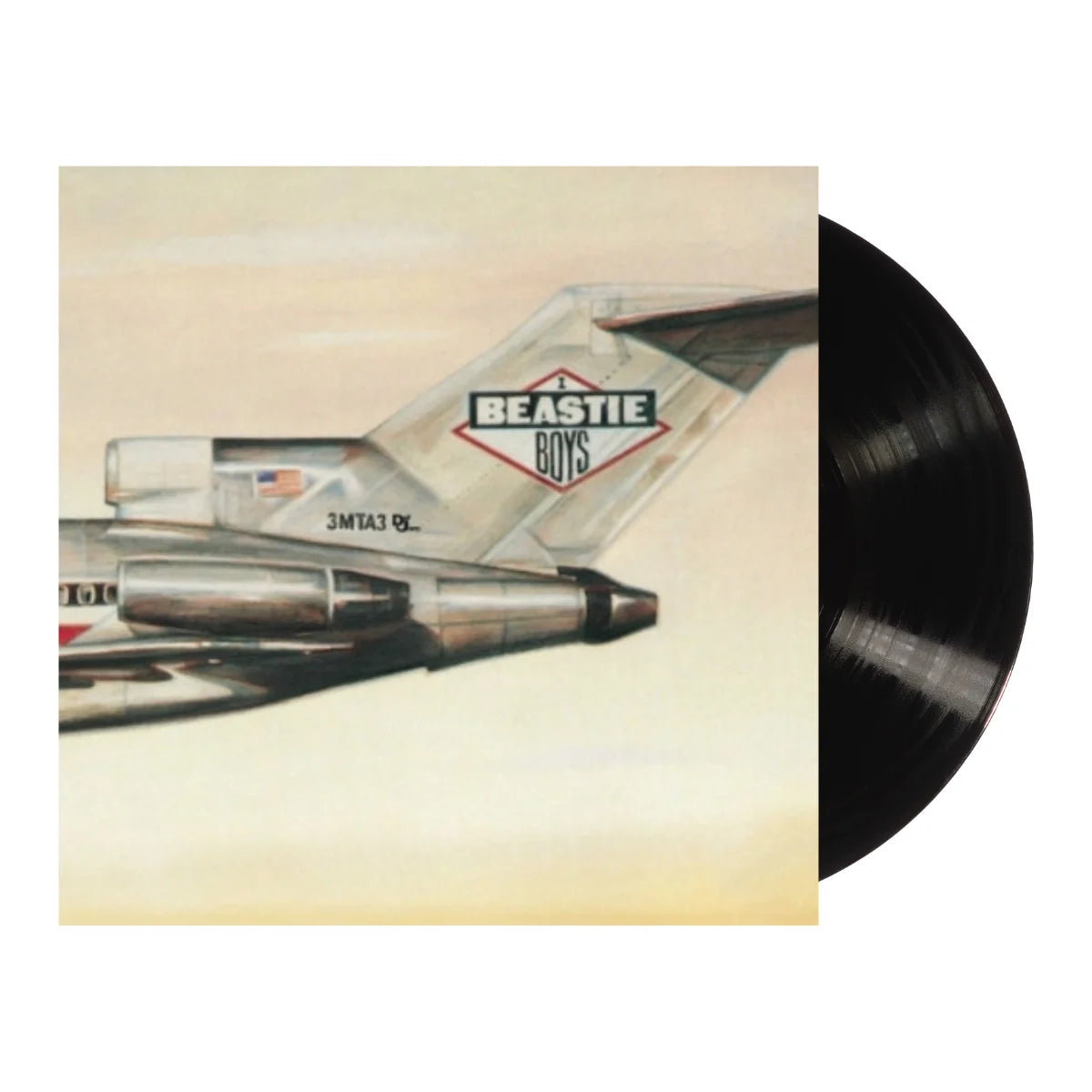
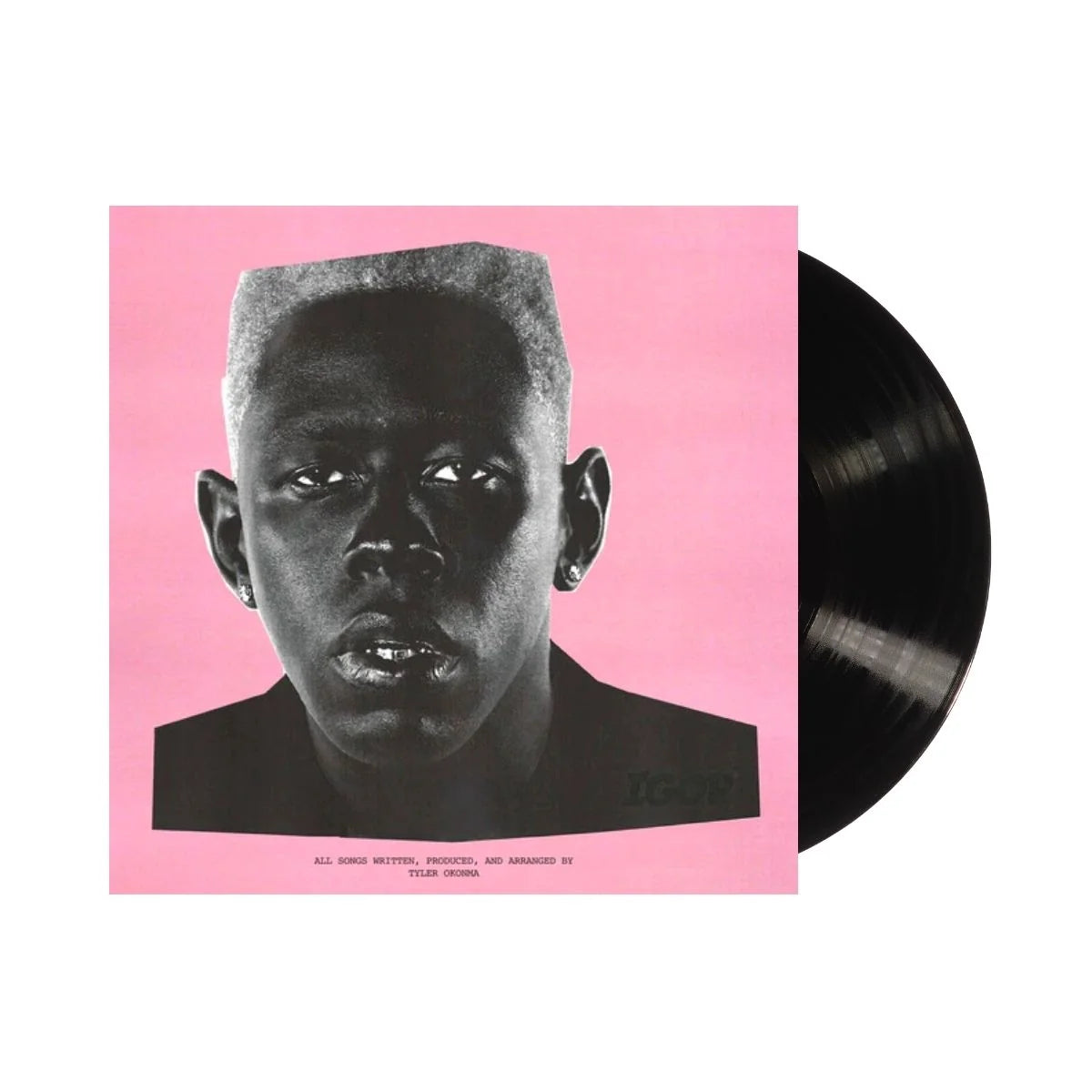
![Miles Davis - Kind of Blue [180-gram]](http://vinyl.com/cdn/shop/files/Y4LPMD03.webp?v=1742198237&width=5760)


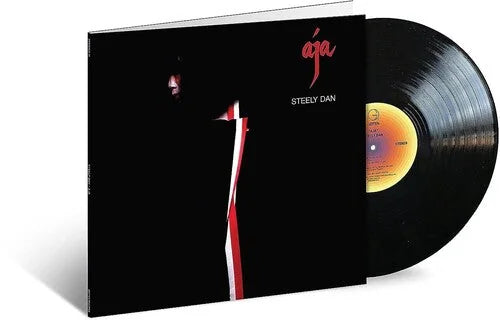
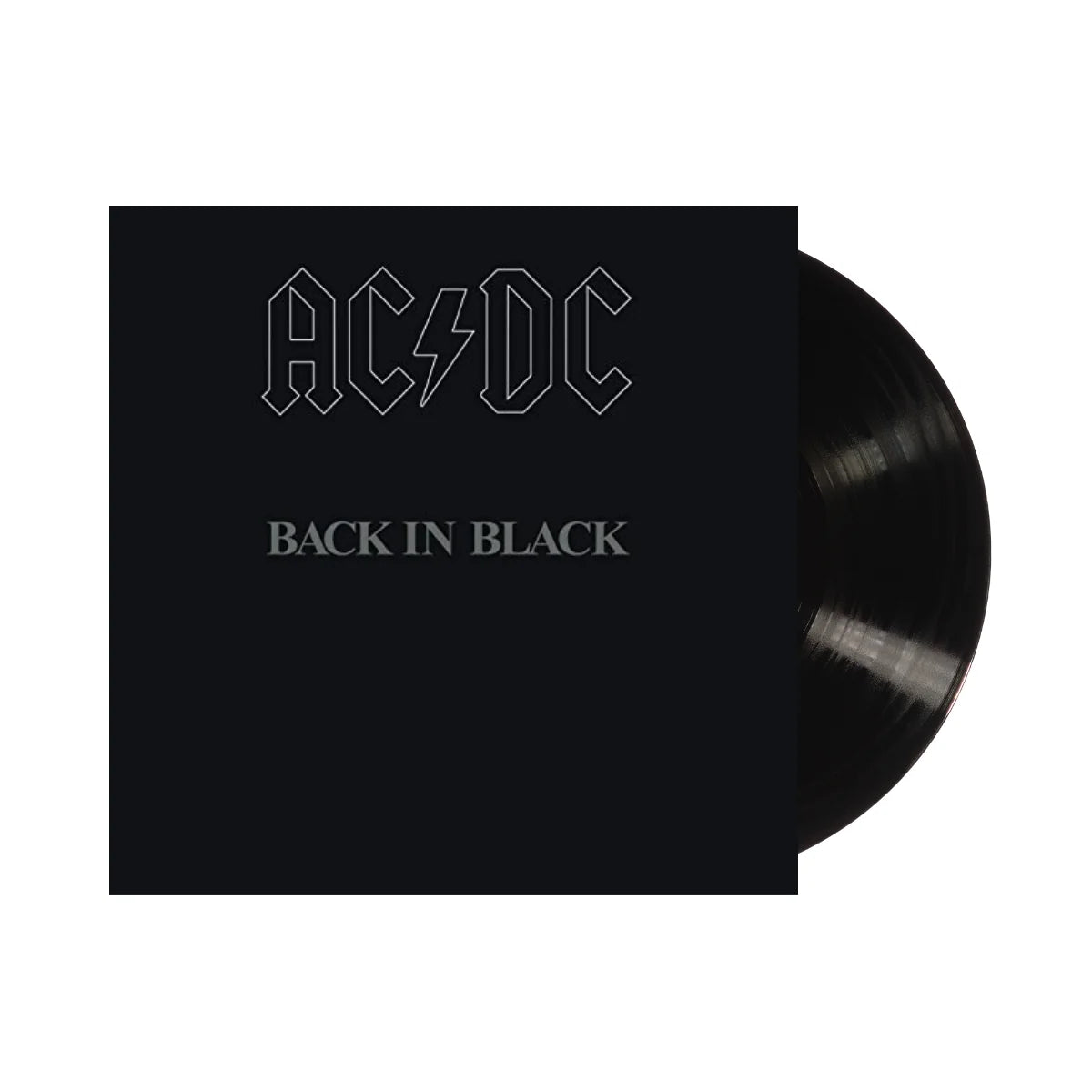
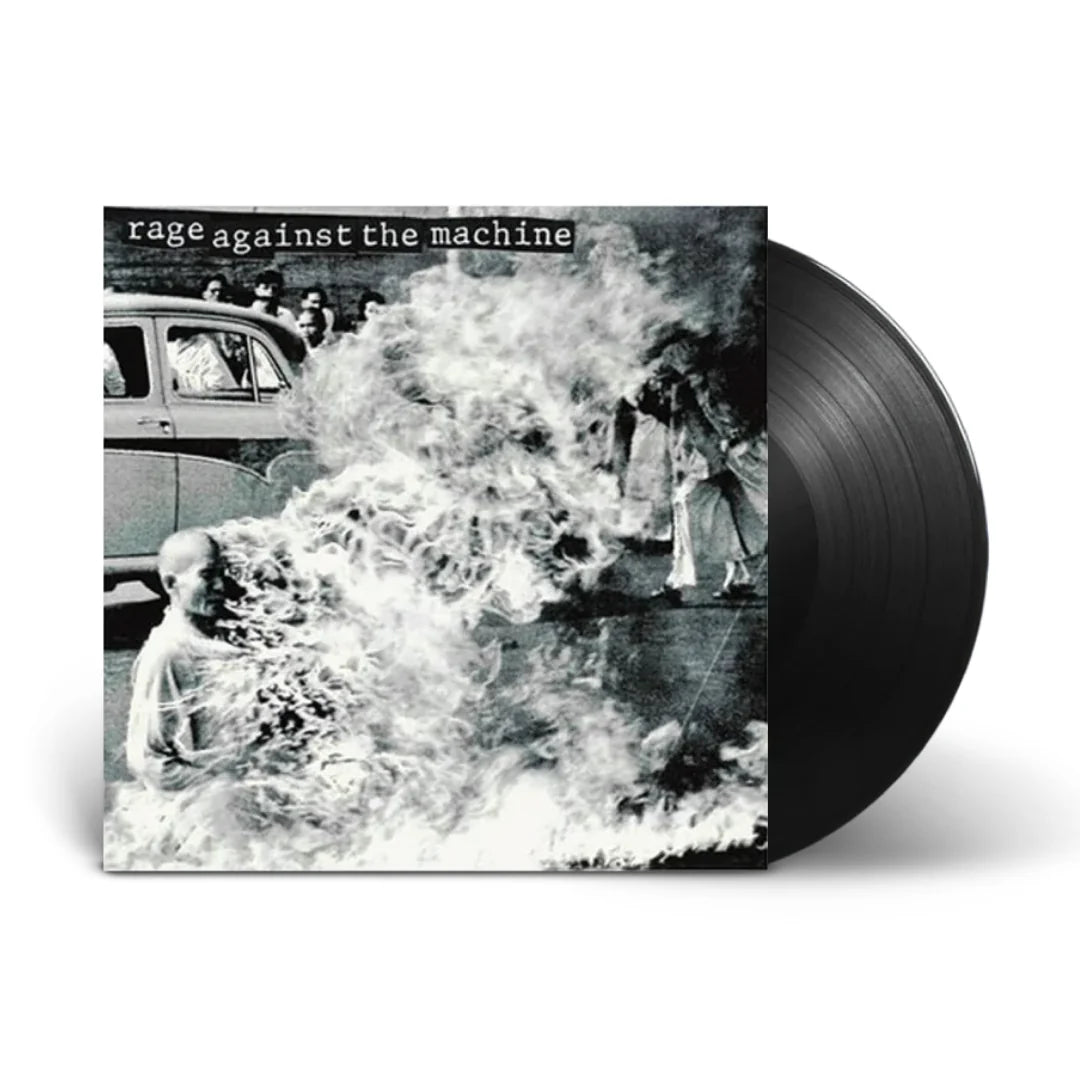
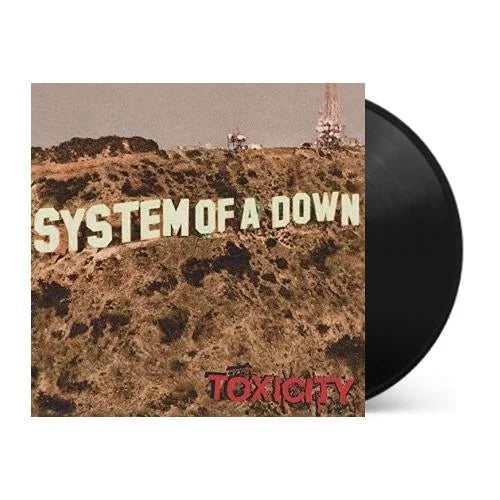
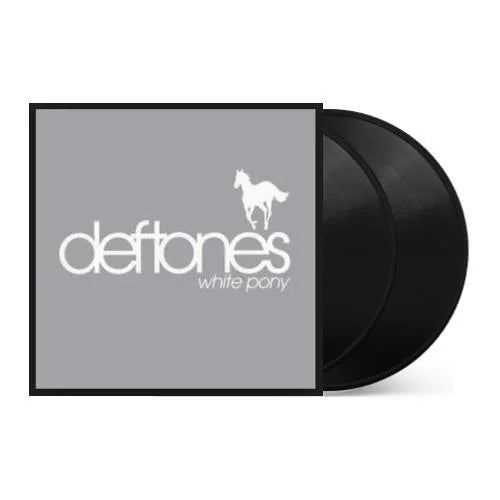
![Taylor Swift - 1989 (Taylor's Version) [2LP Crystal Skies Blue]](http://vinyl.com/cdn/shop/files/taylor_swift_1989_taylors_version.jpg?v=1734389117&width=5760)
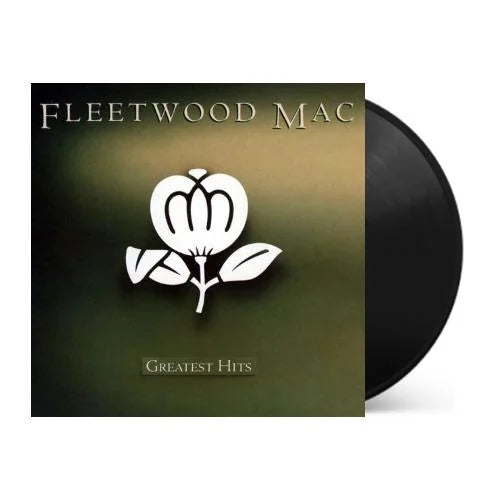
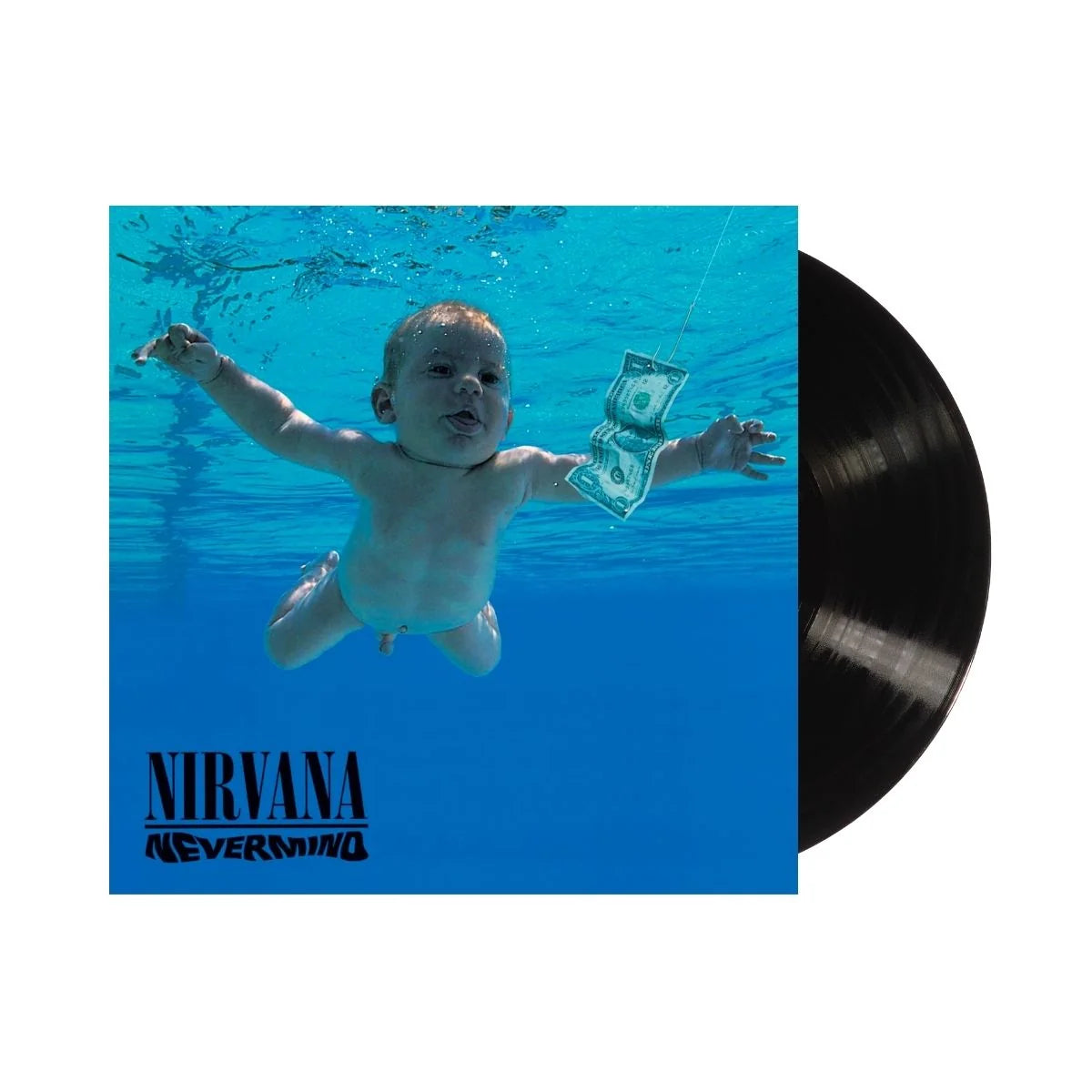
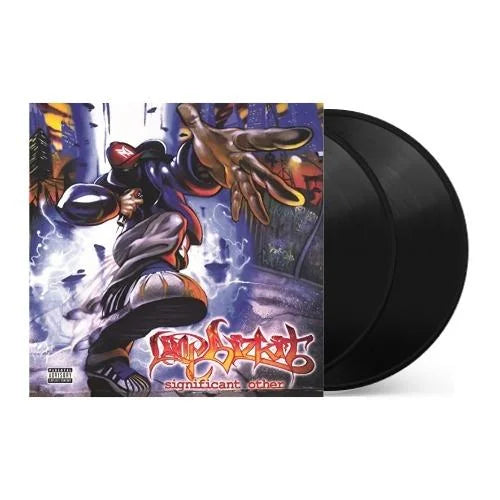
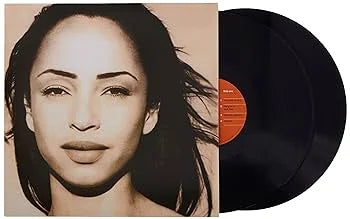
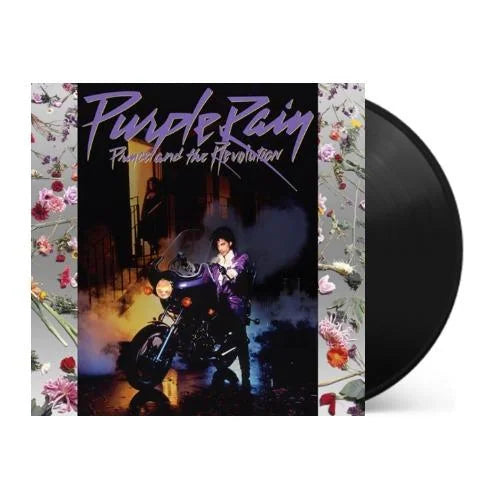
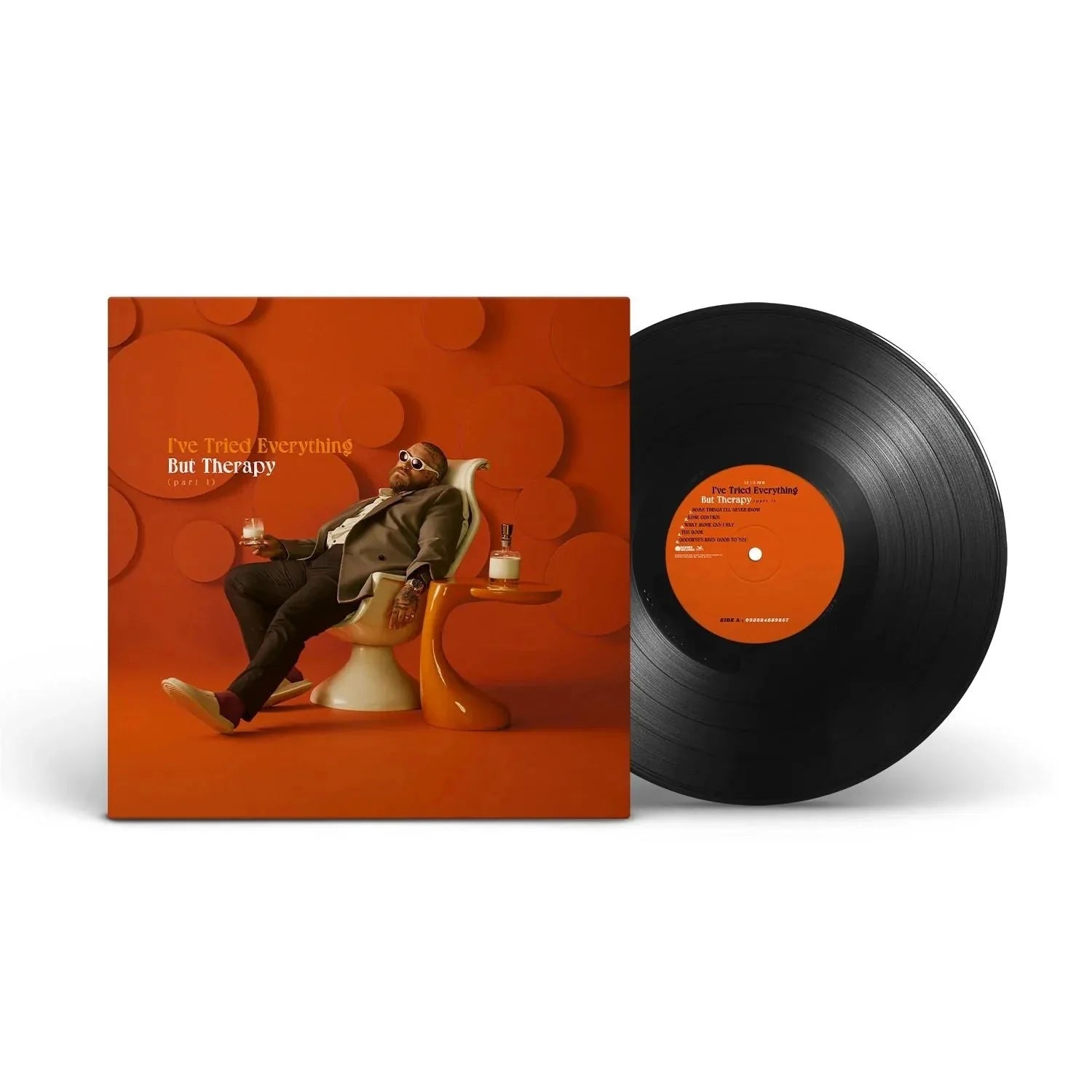
![Various Artists - The Life Aquatic With Steve Zissou O.S.T. [2LP Canary Yellow]](http://vinyl.com/cdn/shop/files/4427619-3397770.jpg?v=1747779139&width=5760)
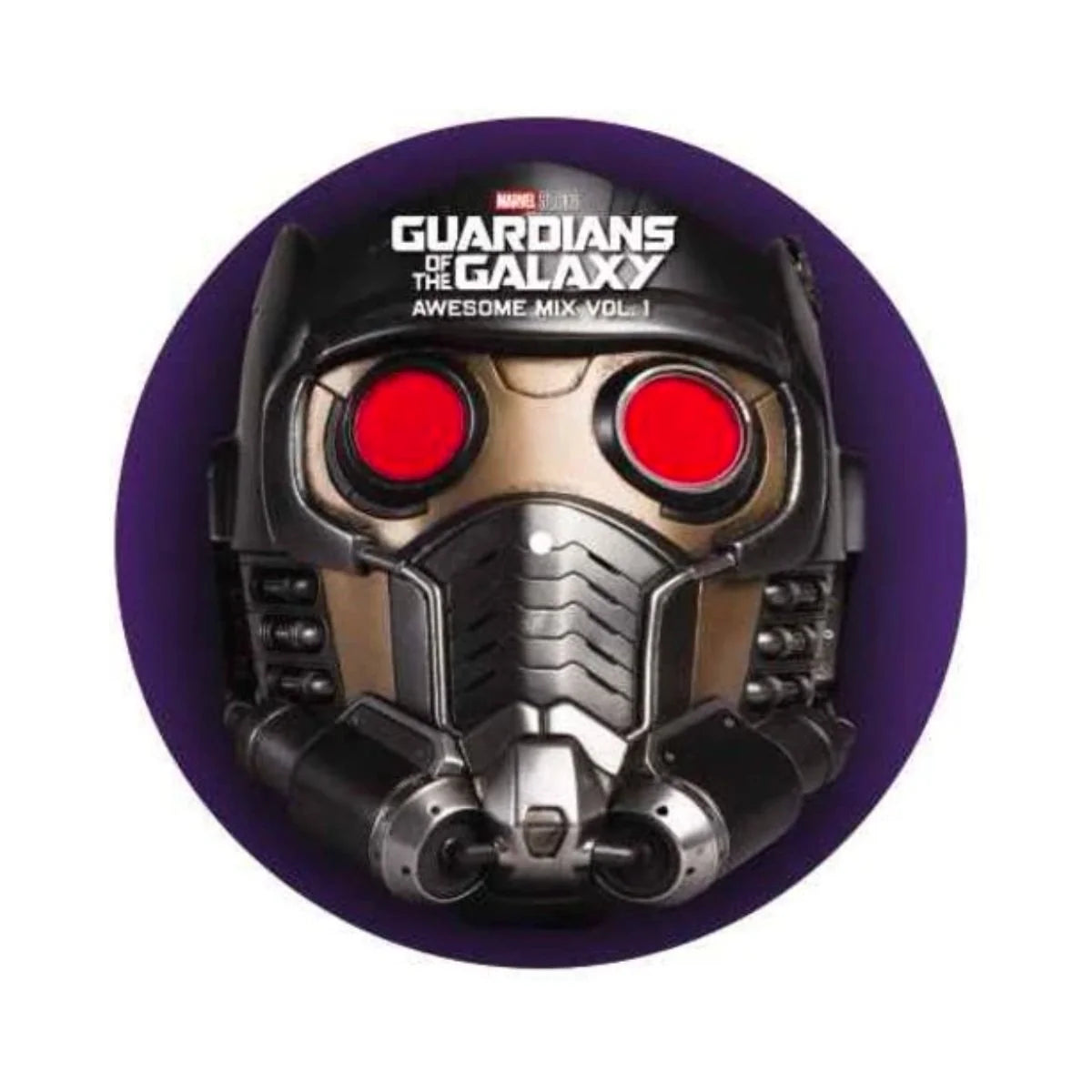
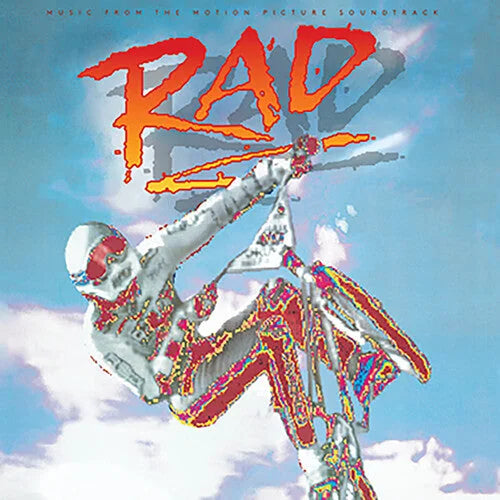
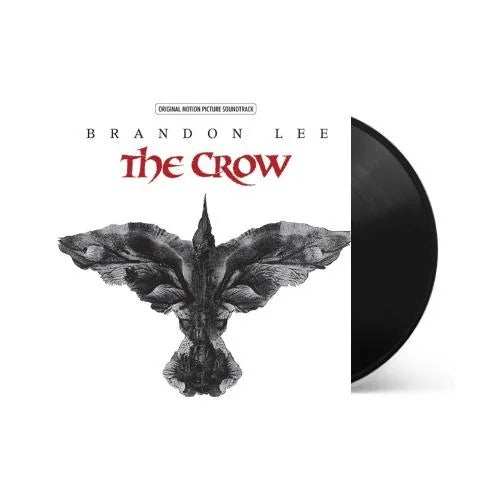



Cross Road Vinyl


"Do you know James Joshua Whiting? Even he might have forgotten the name his parents gave him one December day in 1949 in New York, where he was born and later played his first tune on what would become his signature instrument-the harmonica. Sugar Blue was born.
For many years, James, now known as Sugar Blue, honed his technique through countless encounters, sessions, and concerts, some more fruitful and rewarding than others. His collaborations were numerous, especially with Louisiana Red, Johnny Shines, and Roosevelt Sykes. Yet, Sugar Blue's name, like those of his peers, often appeared in newspapers and on concert and bar posters-though rarely in large print or as the headliner. This limited his fame and kept him from truly taking off.
Sugar took on various odd jobs to make ends meet, even working as a shoeshiner in Harlem. Meanwhile, some of his friends, like Memphis Slim, were forging their own paths-paths that sometimes took surprising turns. Following a tour in France, Memphis Slim (born in 1915 in Memphis) decided to settle in Paris. This decision proved pivotal, as Memphis Slim was later officially named an Ambassador-at-Large by the U.S. Senate. He held this prestigious role as the "Blues Ambassador" until his death in February 1988 in Paris, where he spent his final years collecting honors and medals. Recognized as one of the architects of the "Chicago Sound," he was even made a Commander of the Order of Arts and Letters by French Minister of Culture Jack Lang in 1986.
One day, Sugar decided to head to Europe himself, drawn by glowing reports, especially about France's long-standing love for jazz and blues. There, he reconnected with Memphis Slim, Ray Charles' former guitarist Mickey Baker, and pianist-composer Booker T. Laury, all of whom praised his talent. However, like many musicians, Sugar soon discovered that Paris was far from a promised land. He faced numerous struggles and setbacks after his arrival. That is, until a miraculous day in 1977.
While playing his harmonica in the Paris Métro, Sugar Blue crossed paths with Mick Jagger. The Rolling Stones were in Paris, recording at Pathé-Marconi studios in Boulogne-Billancourt for an album that would go on to have an incredible legacy: Some Girls, often regarded as their best album with guitarist Ron Wood. At the time, the Stones were stuck, feeling that something was missing from their work but unsure what it was.
When Jagger heard Sugar Blue and his harmonica electrify the subway, inspiration struck. He decided on the spot to include the harmonica and it's extraordinary player in the unfinished tracks of the album. Within hours, Sugar Blue made his mark, embedding his harmonica into various songs, particularly "Miss You" and "Some Girls," infusing them with an irresistible new sound. In addition to Billy Preston, who influenced the band's musical choices, many other musicians contributed to the album, including Faces pianist Ian McLagan, former King Crimson member Mel Collins on saxophone, Bad Company drummer Simon Kirke on congas, and Creedence Clearwater Revival's John Fogerty.
At a time when punk was booming and disco dominated airwaves worldwide, "Miss You," the lead single from Some Girls released in 1978, shot to number one on the Billboard Hot 100. Sugar Blue became famous, and the tracks he contributed to gained a unique and instantly recognizable sound. As for the harmonica itself, it experienced a revival, propelled by Sugar Blue's Stonian flourishes, becoming a defining instrument of rock and blues. Sugar Blue's career took off, not just in terms of sales but also in creative success. During this period, he released multiple albums and performed in countless concerts and festivals. In 1985, he won a Grammy Award for his collaboration with Willie Dixon on the album Hidden Charms! The opening track, "Another Man Done Gone," also appeared on the compilation album Blues Explosion, for which Sugar Blue received a Grammy in 1985 for Best
TRACKLIST


I’ve placed my order, when will I receive it?
In the US, 97% of orders are delivered within 2-5 business days, although it can take longer.
International delivery normally takes around 2 weeks, although it can take up to 21 business days depending on location and domestic carriers.
When you place an order, you receive a confirmation email with the tracking information to make sure you know where your package is at all times.
I received the wrong record. What do I do?
In very rare instances you may receive the wrong record, please don’t stress! Send an email to support@vinyl.com with a photo of the record and we will be in contact with the next steps.
What do I do if my order arrives damaged?
If the products in your order are damaged, contact us immediately at support@vinyl.com.
Please include all the information regarding the problem, and photos of the damage, and we will be in contact with the next steps.
What's your refund and return policy?
On the very small chance you’re not satisfied with your purchase i.e. you receive damaged, defective, or incorrect item(s) from Vinyl.com, you may return the product(s) within 30 days of delivery. When we receive the item(s) and verify the return of product(s), we will send you a replacement(s) or issue a full refund for the item
What is Shipping Protection?
Shipping Protection is our commitment to ensuring your package arrives safely at its destination.
If your shipment encounters any issues—such as being lost, damaged, or stolen—we will take prompt action to resolve the problem.
By opting for Shipping Protection, you gain peace of mind knowing you're protected against unforeseen shipping complications.
Note that Shipping Protection is non-refundable.

