


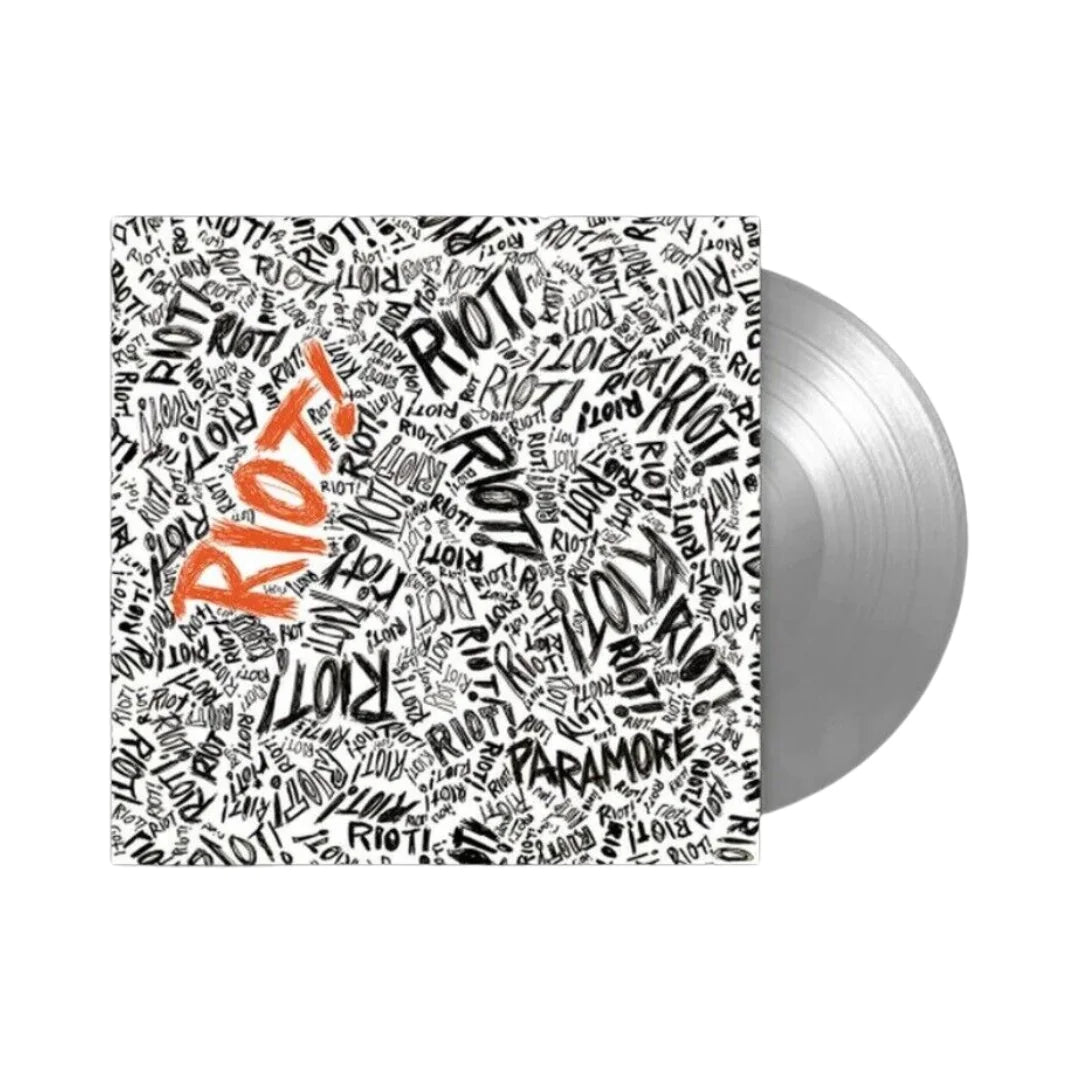
![Mac Miller - Circles [2LP Clear]](http://vinyl.com/cdn/shop/files/mac_1.png?v=1767598863&width=5760)
![Smashing Pumpkins - Mellon Collie and The Infinite Sadness [4LP Box Set]](http://vinyl.com/cdn/shop/files/MellonCollie4LP-SmashingPumpkins.png?v=1736990865&width=5760)
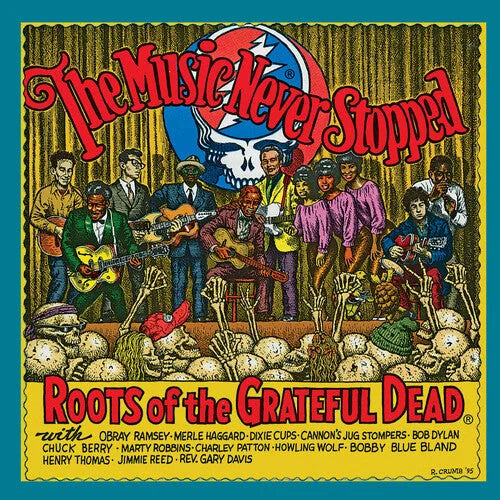
![The Grateful Dead - The Music Never Stopped [6LP Box Set]](http://vinyl.com/cdn/shop/files/The_Grateful_Dead-The_Music_Never_Stopped__6LP_Box_Set.jpg?v=1747729623&width=5760)
![The Grateful Dead - Madison Square Garden, New York, NY 3/9/81 (2023 Rocktober Edition) [5LP Box Set]](http://vinyl.com/cdn/shop/files/gratefuldead_2.png?v=1768197509&width=5760)

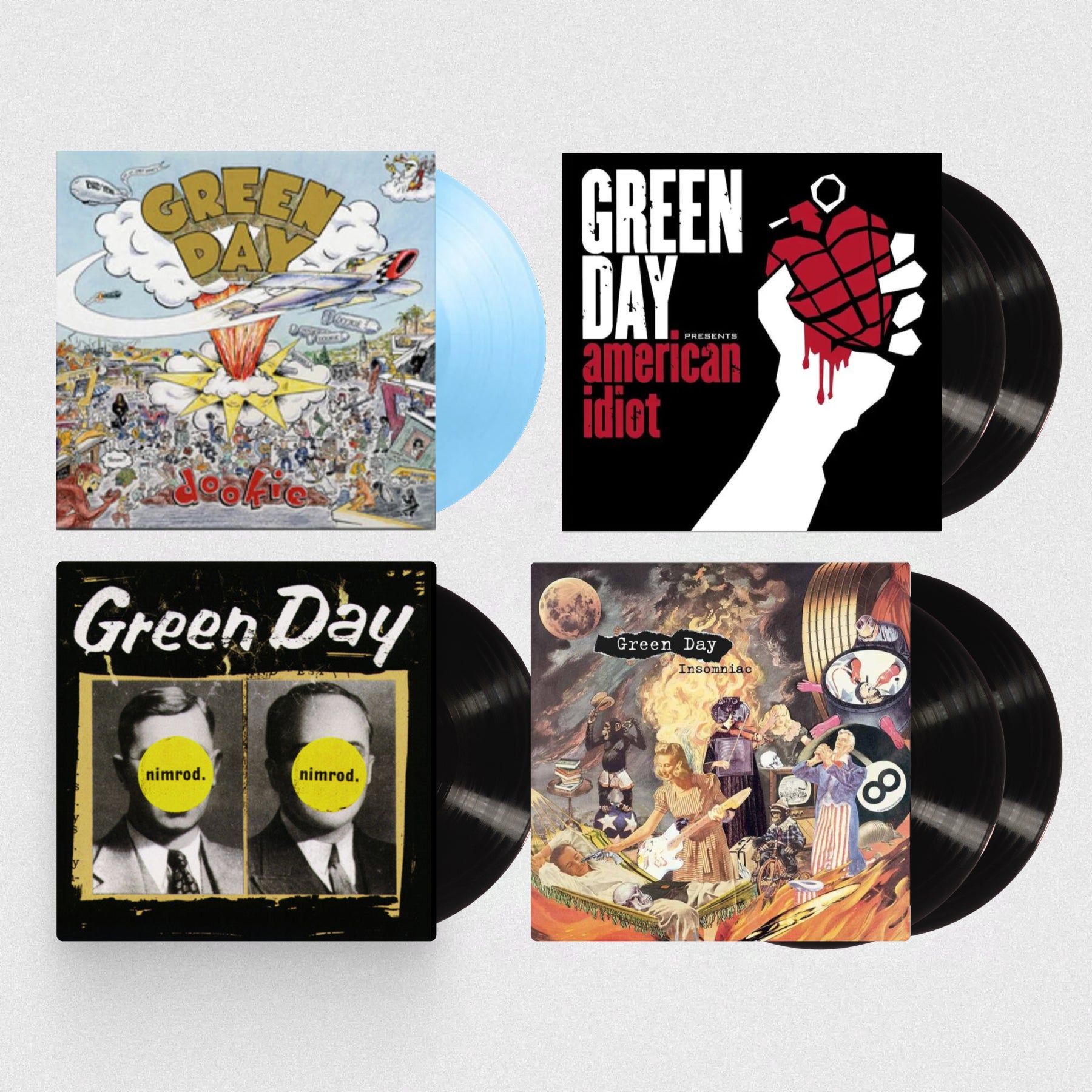
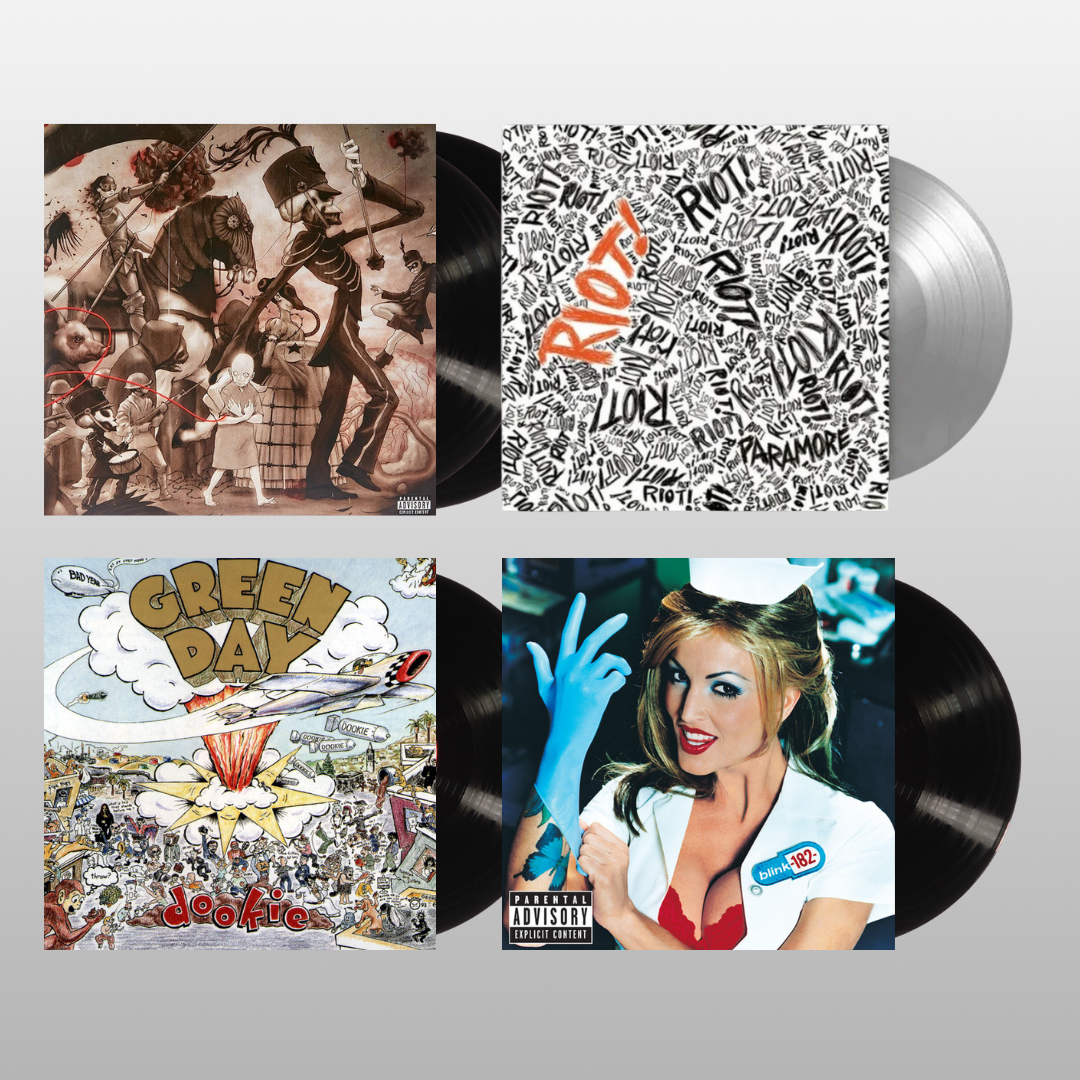
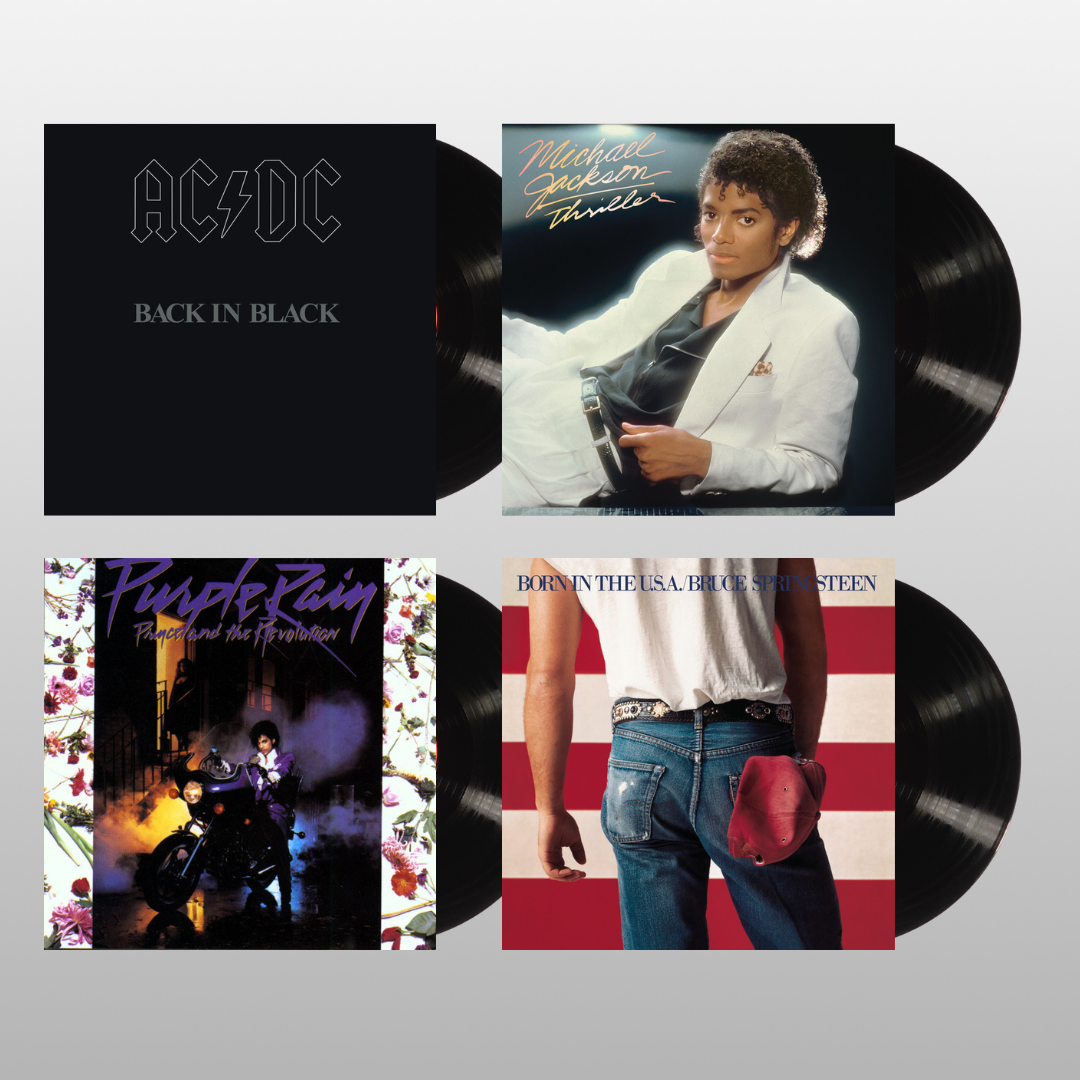
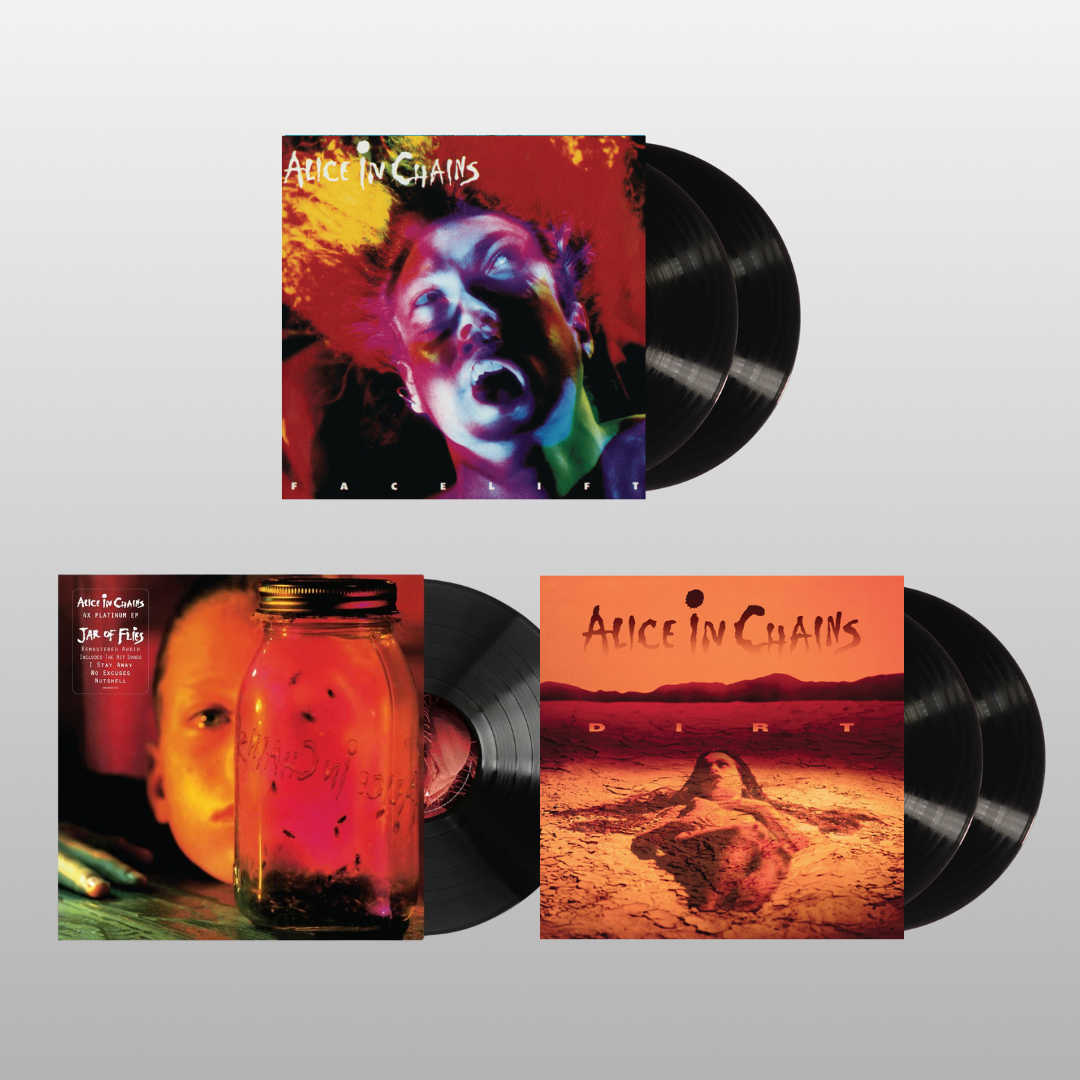
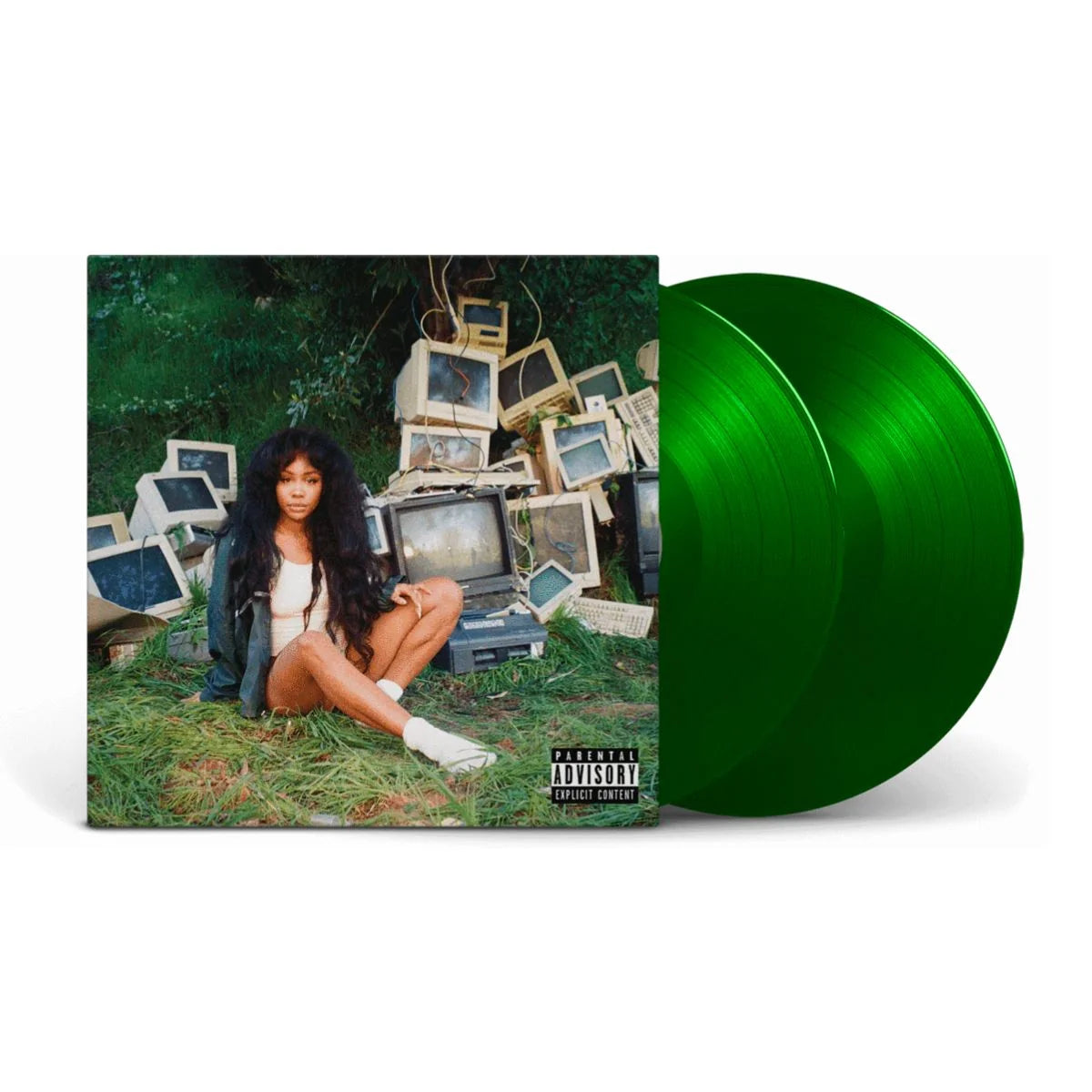
![Mac Miller - Swimming [2LP]](http://vinyl.com/cdn/shop/files/MacMiller-Swimming_2LP.png?v=1776241230&width=5760)
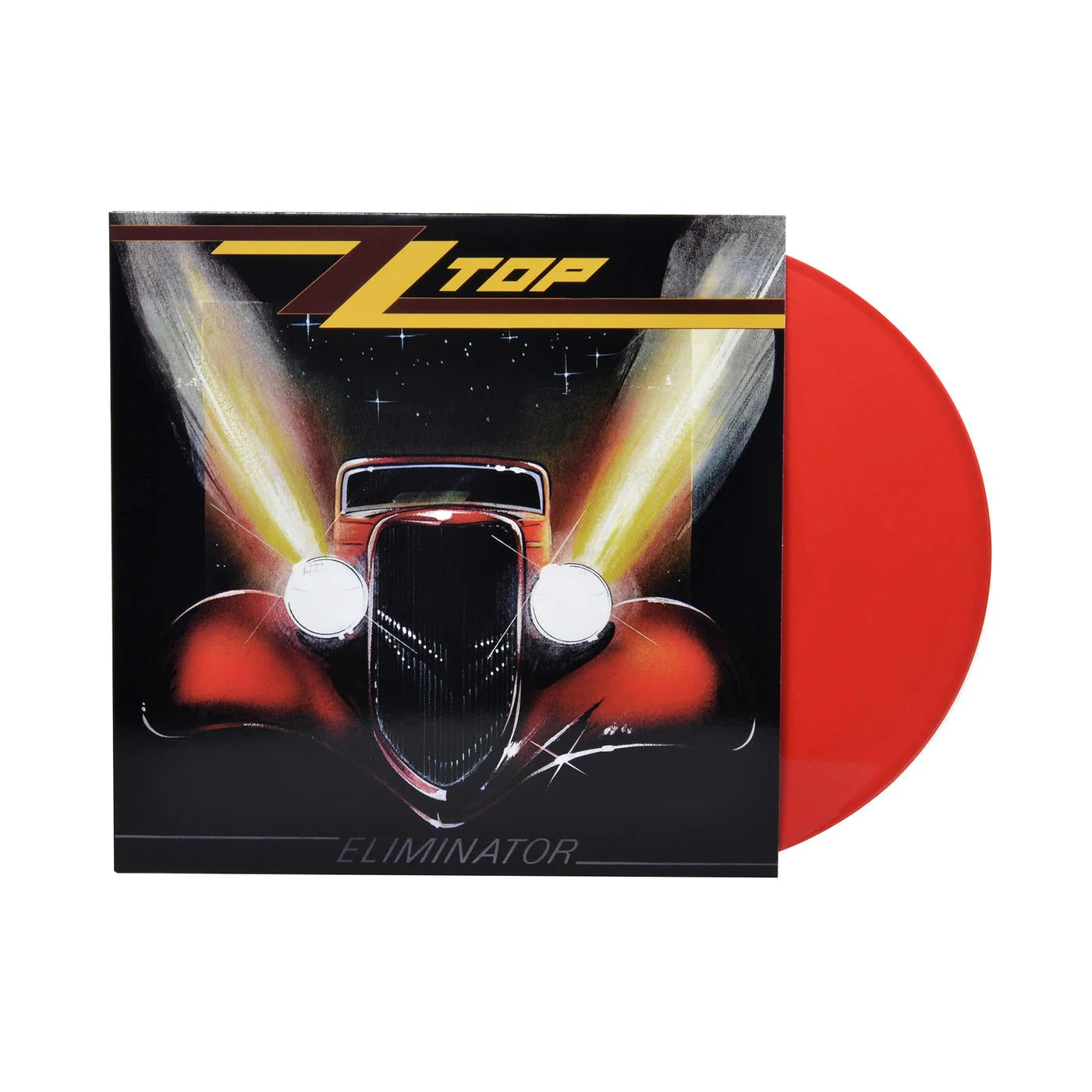
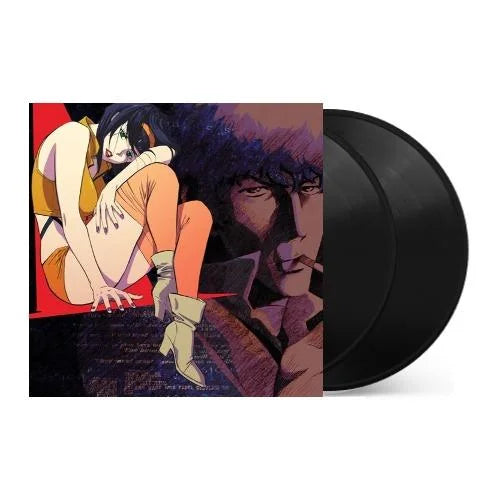

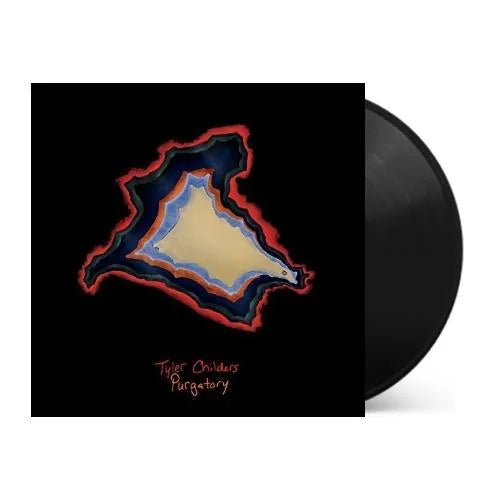
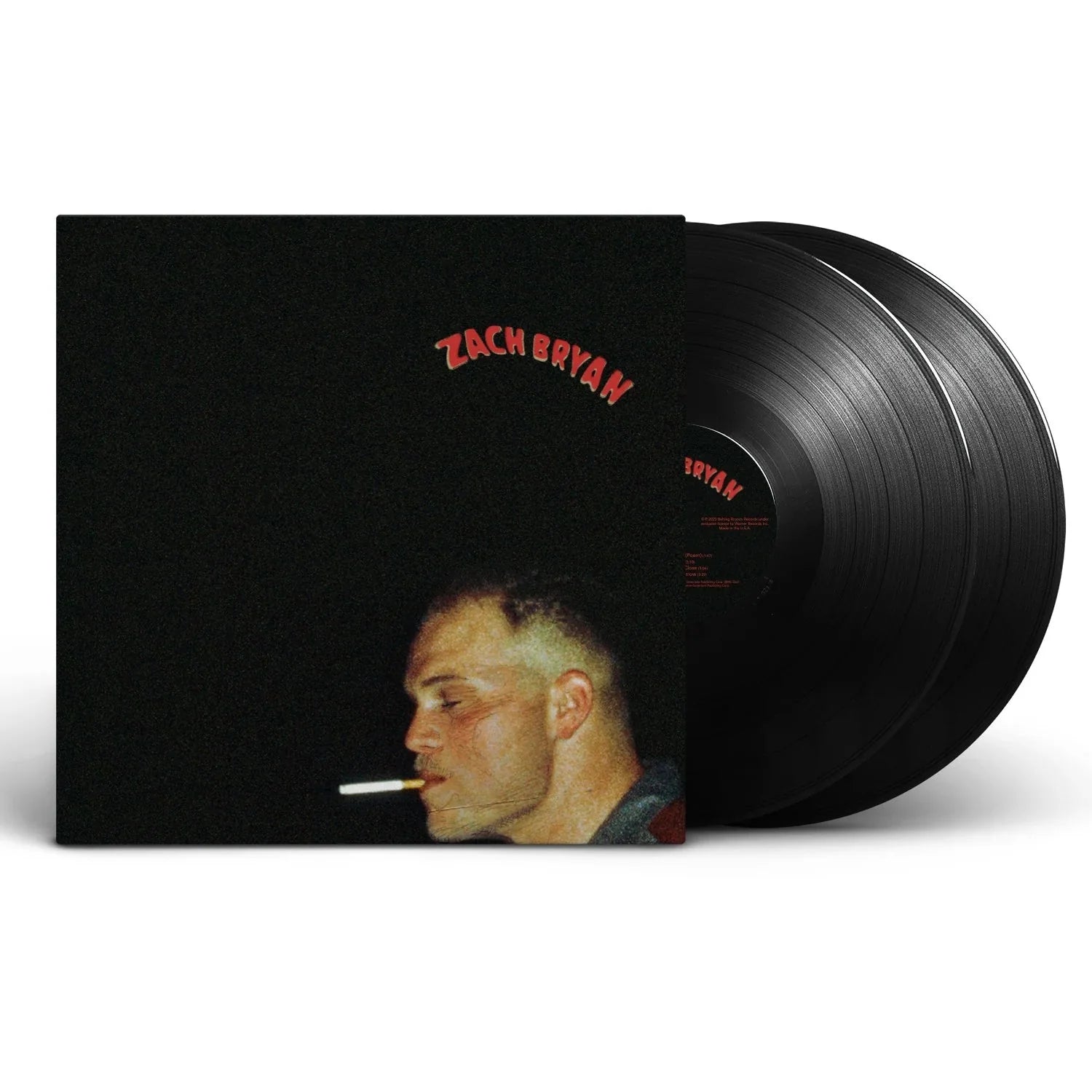
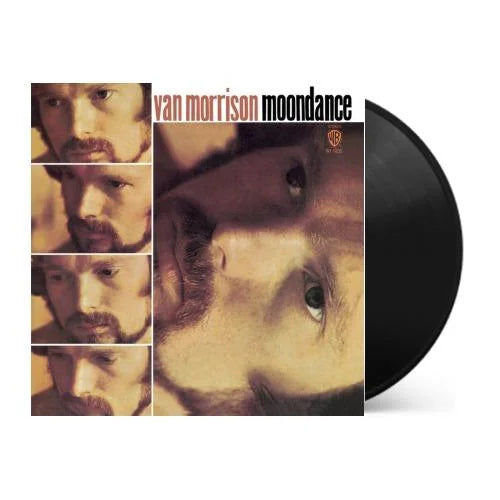
![Zach Bryan - American Heartbreak [3LP]](http://vinyl.com/cdn/shop/files/Zach_Bryan-American_Heartbreak_3LP.webp?v=1764838852&width=5760)
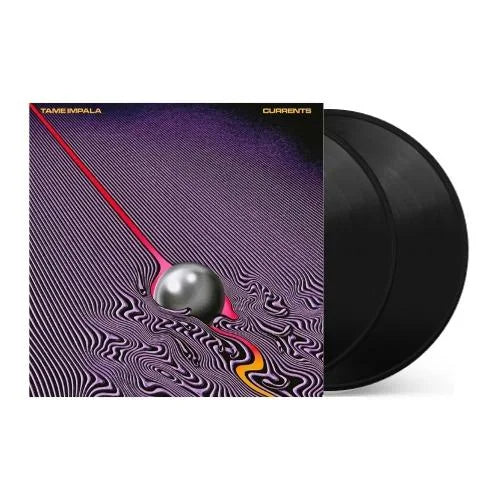


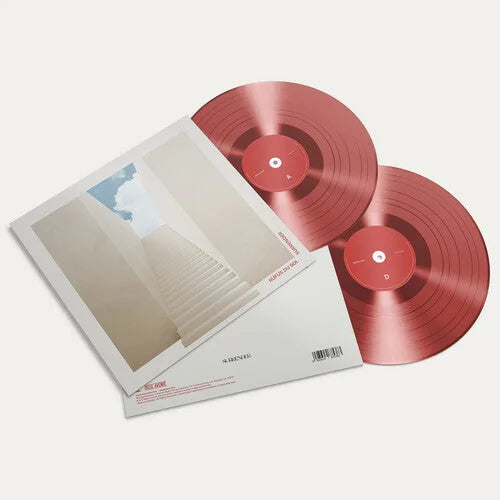
![Sade - The Best Of Sade [2LP]](http://vinyl.com/cdn/shop/files/Sade-TheBestOfSade_2LP.png?v=1785118550&width=5760)
![Miles Davis - Kind of Blue [180-gram]](http://vinyl.com/cdn/shop/files/Y4LPMD03.webp?v=1742198237&width=5760)

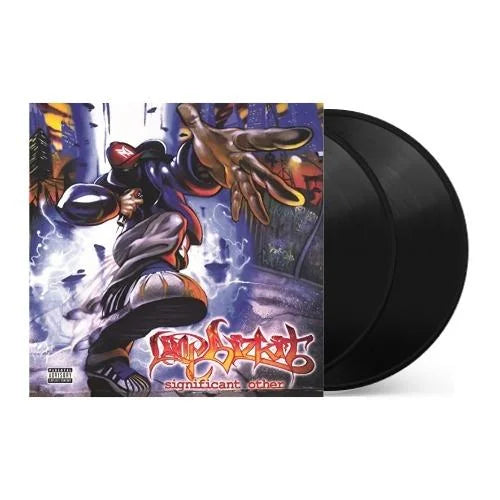
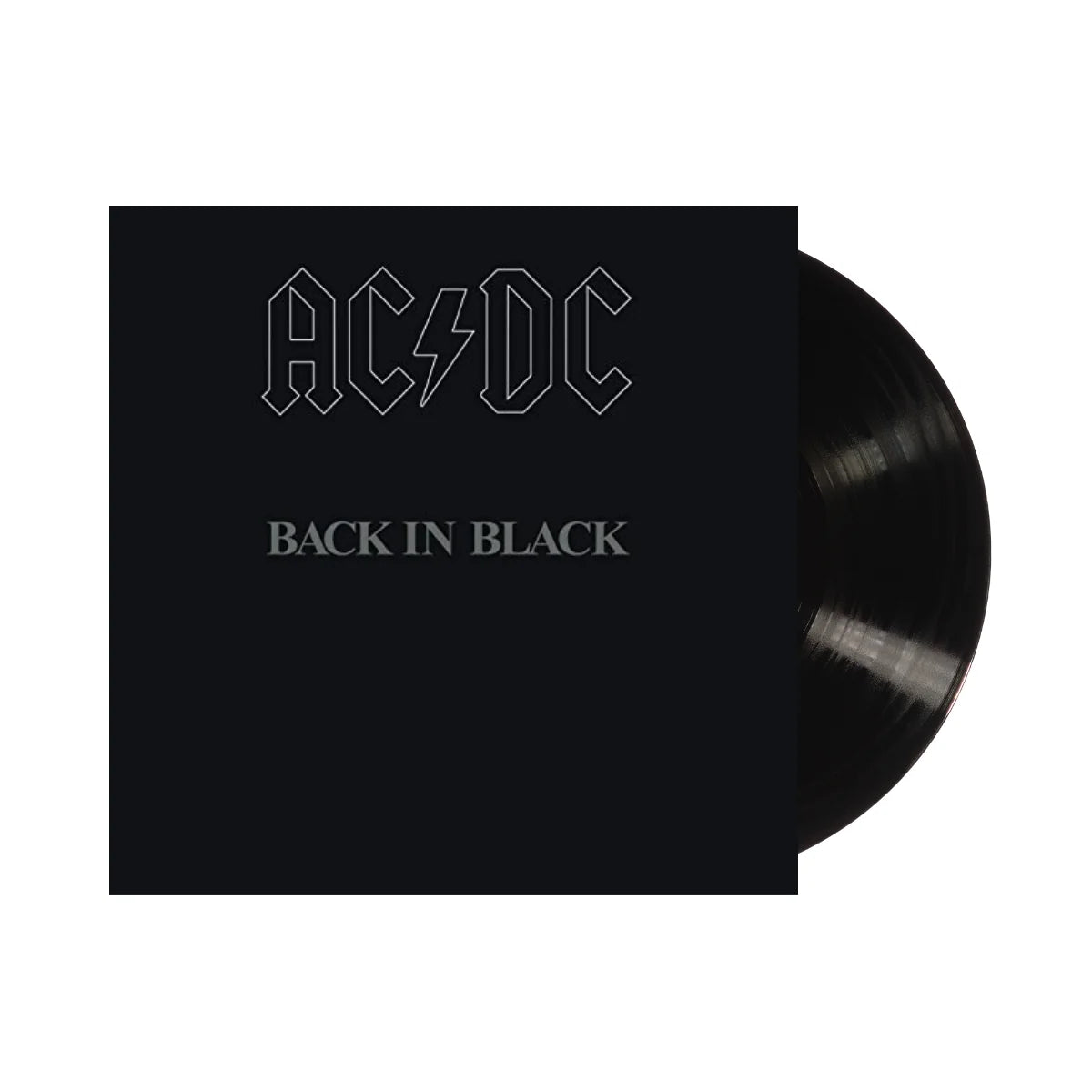
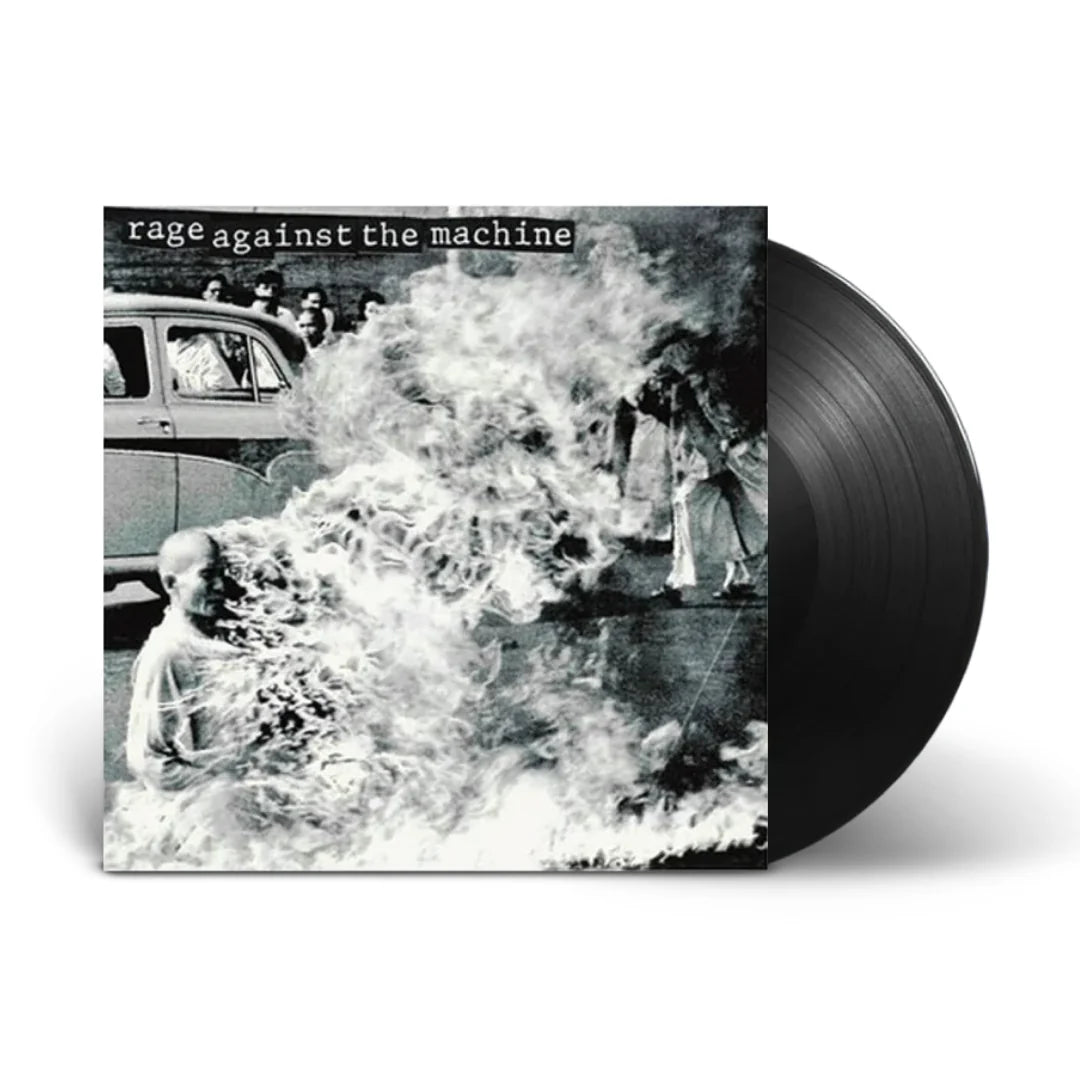
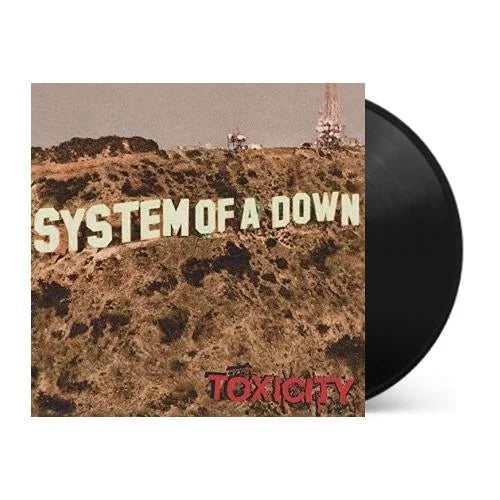
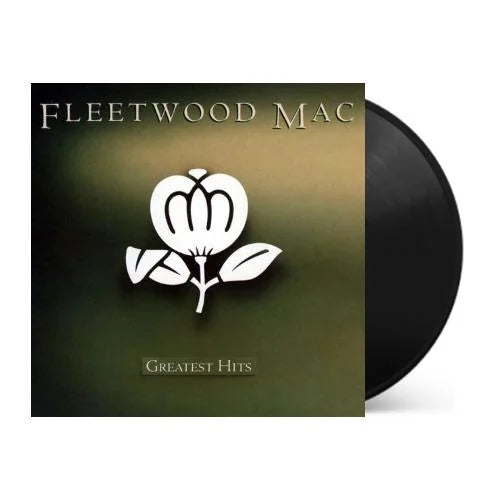
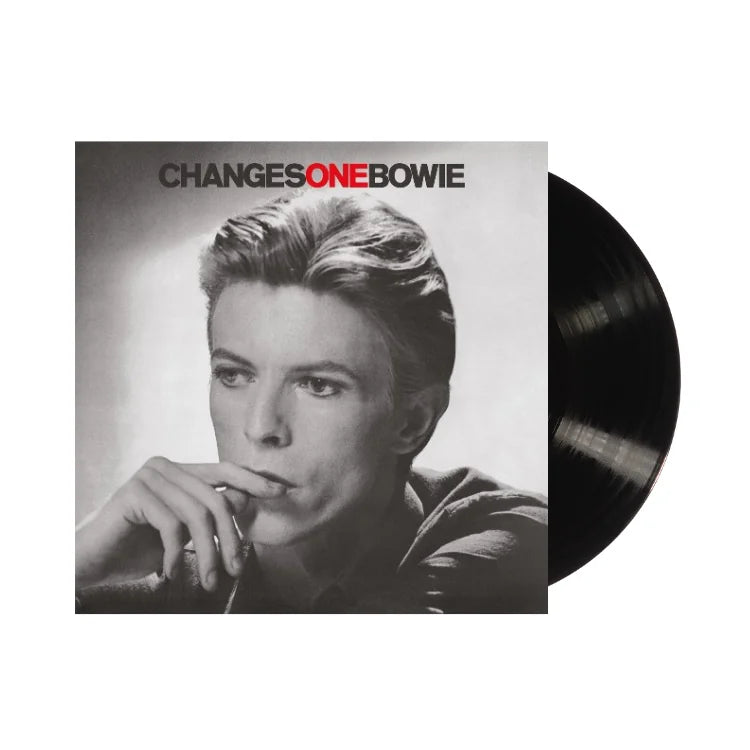
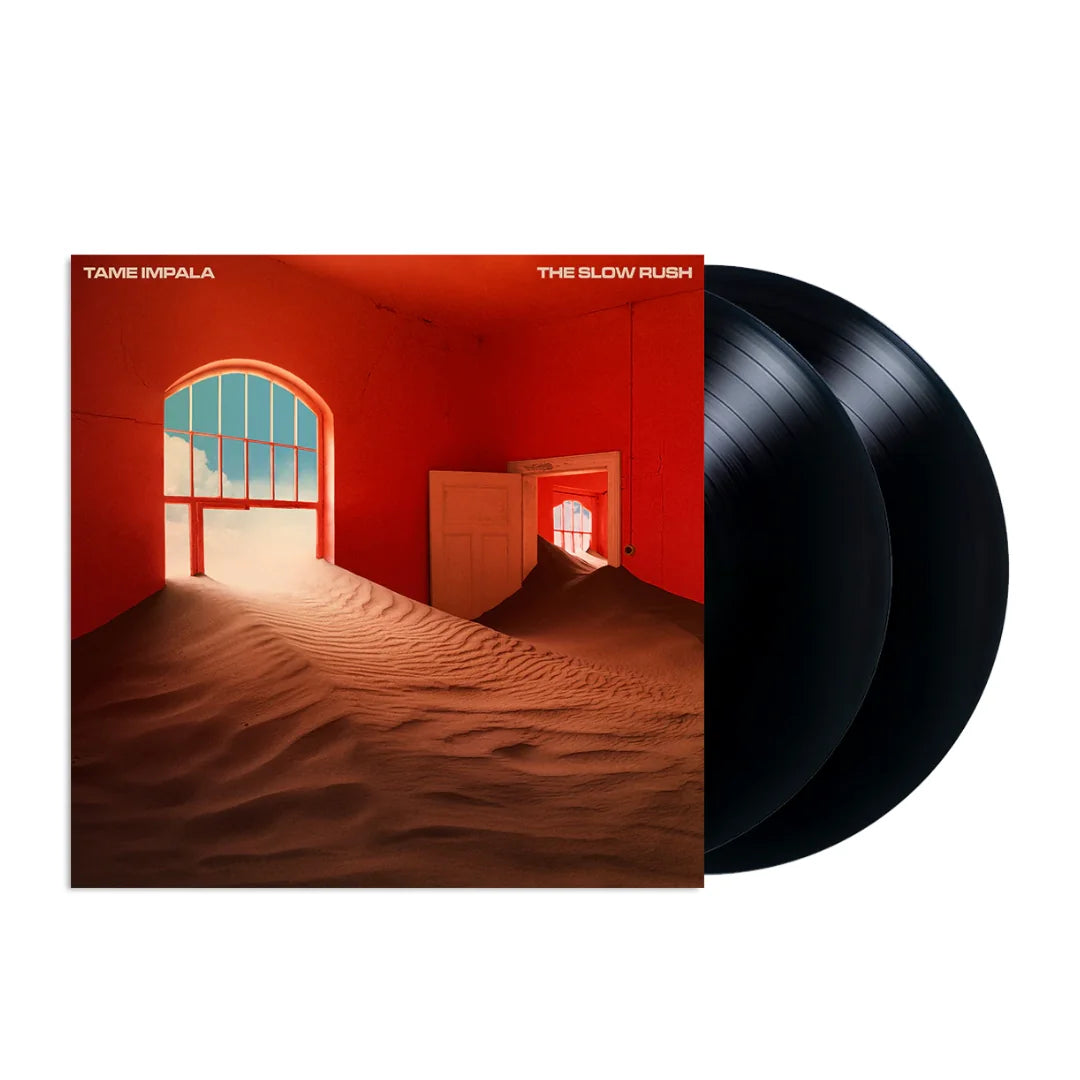
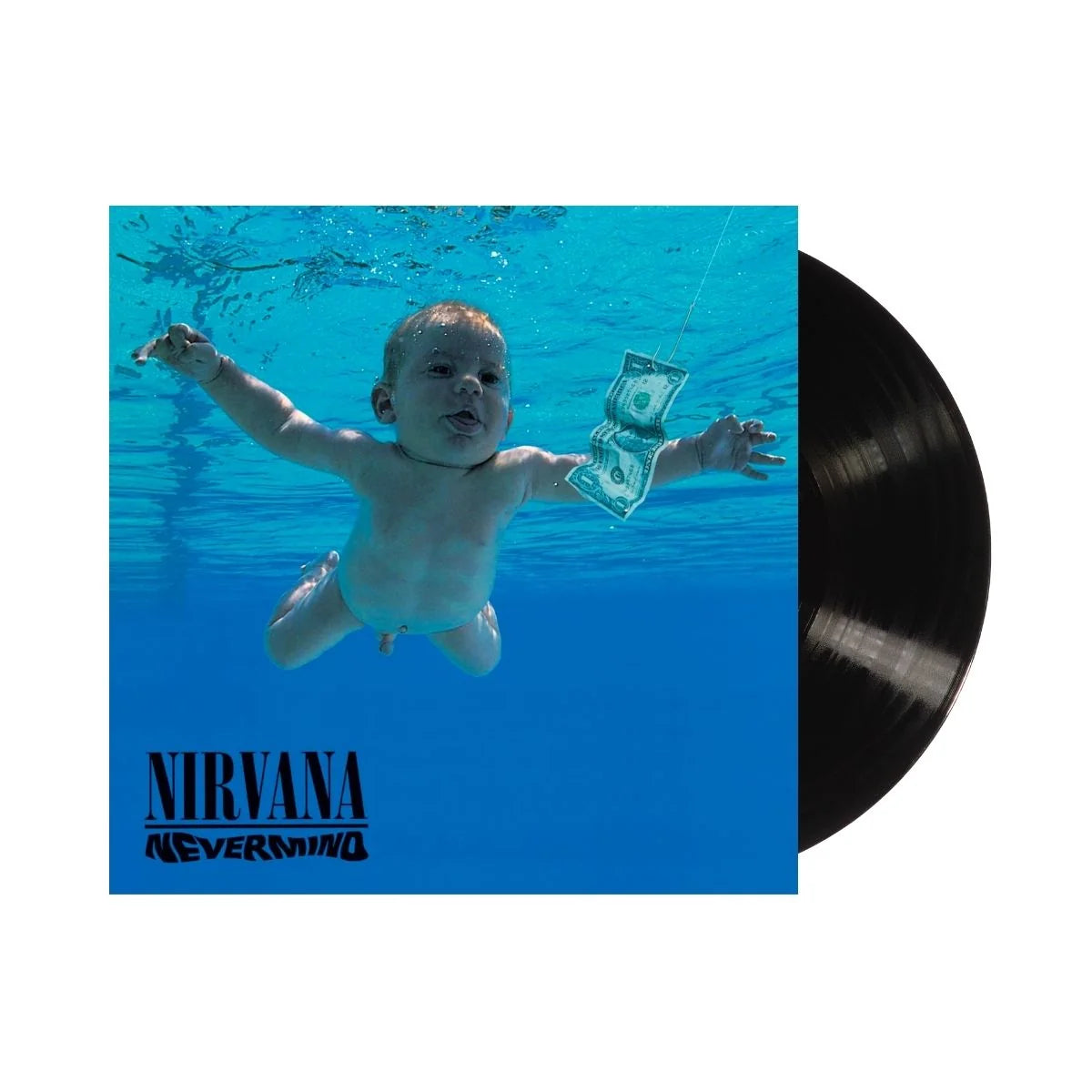
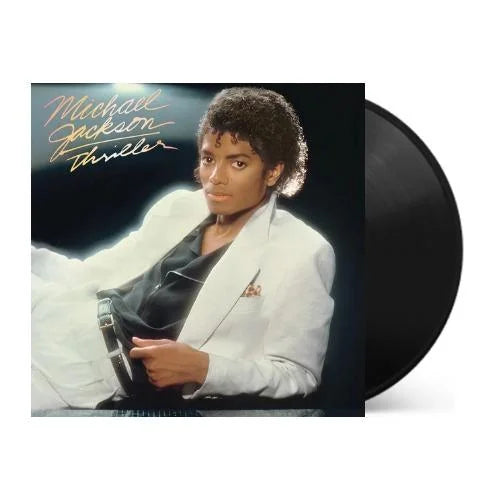

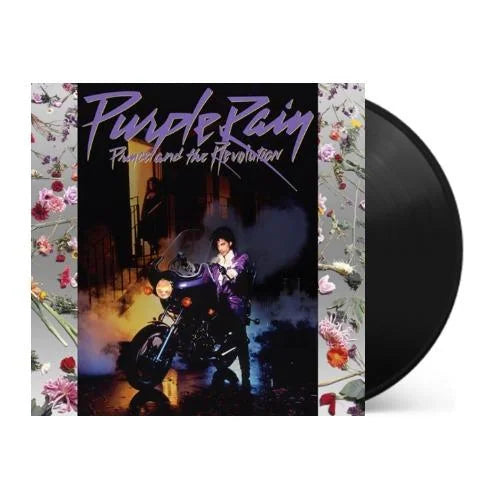

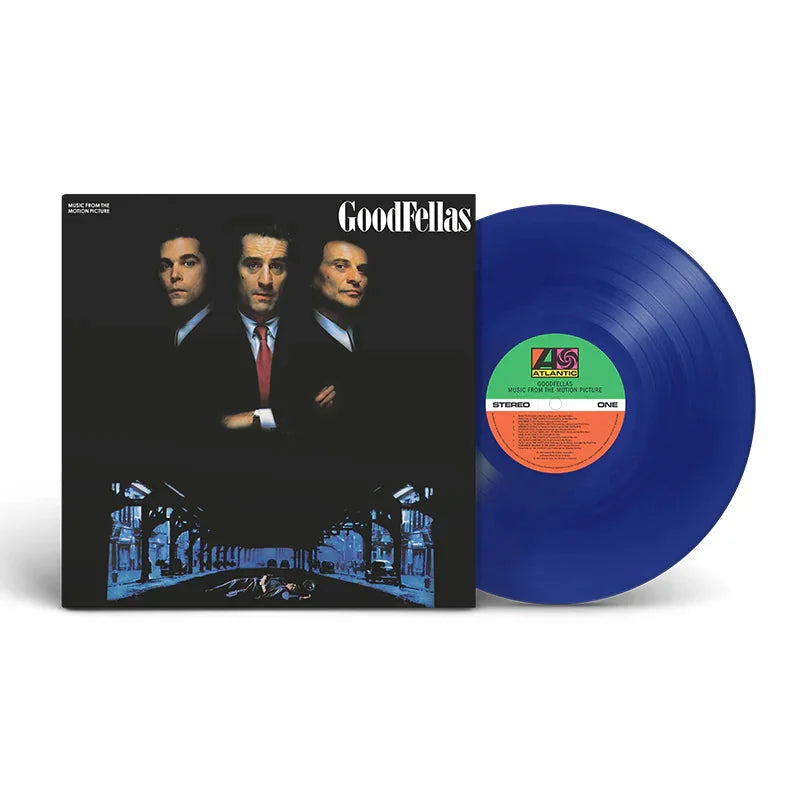





Colored vinyl records have become much more than a mere novelty; they represent a vibrant evolution in music collecting that combines nostalgia with modern artistry. The allure lies in their aesthetic appeal and the unique auditory experience. Unlike traditional black vinyl, colored records capture the eye with a palette of hues that can transform a simple music collection into a work of art. Whether it's a limited-edition pressing in a bold red or a retro-inspired blue variant, these records have quickly become coveted items among collectors and casual listeners alike.
Historical Development of Colored Vinyl
Colored vinyl records evolved from the earliest days of disc manufacturing, when black quickly became the standard because carbon black helped stabilize the material and improve durability. For decades, that practical advantage made black the default look of records. As the industry grew and manufacturers began competing more aggressively, some labels started experimenting with tinted shellac and later vinyl to make releases stand out visually. These early colored pressings were often used as novelty items, promotional discs, or special editions designed to catch attention in a crowded market. After World War II, major format changes accelerated the shift: lighter, more durable vinyl replaced older materials, and the rise of 33 1/3 RPM LPs and 45 RPM singles opened new possibilities for presentation. Improvements in pressing technology and pigment control allowed labels to produce consistent colors without sacrificing playback quality. Colored vinyl moved from a marketing curiosity to a deliberate artistic choice, appearing on jazz, pop, rock, and commemorative releases. By the 1970s and beyond, advances in manufacturing made it easier to create more striking visual effects, helping colored vinyl evolve from a rare novelty into a recognizable and enduring part of record culture. These initial experiments laid the groundwork for what would eventually become the era of vintage colored vinyl. The drive to innovate was fueled by the desire to distinguish records in a competitive market. While early techniques were rudimentary, they set the stage for future advancements in vinyl aesthetics.

Milestones in Vinyl Color Technology
Notable innovations include the development of splatter, marbled, and multicolor vinyl records, each offering distinct visual patterns and textures. Modern advancements have enabled manufacturers to produce records with intricate designs and vibrant colors without sacrificing sound quality. For example, improved mixing techniques and better quality control have allowed for more consistent coloration, making it easier for collectors to identify and appreciate rare and limited-edition records. These milestones highlight how blending artistic creativity with technological progress has transformed vinyl records into highly coveted collectibles. Today, the evolution from black to colored vinyl stands as a testament to the medium's enduring appeal and its ability to adapt and thrive in a digital age.
How Colored Vinyl is Made
The Basics of Vinyl Manufacturing
This intricate process transforms raw polymers into tangible music carriers and illustrates the dedication behind every record pressed. Each stage in vinyl manufacturing contributes distinct characteristics that enhance the auditory and aesthetic experience:
Base Material – At the very inception of vinyl record production, the choice of base material plays a crucial role in defining the record’s overall integrity and performance. This stage involves using high-quality polyvinyl chloride (PVC) that is initially produced in a transparent, uncolored state. The manufacturing process commences with carefully selecting and mixing various chemical compounds, ensuring that the PVC mass possesses the ideal consistency and purity. Engineers meticulously blend plasticizers, stabilizers, and other additives with the base polymer to achieve a durable, pliable material that captures intricate sound details.
Shaping & Grooves – The transition from raw material to a functional music medium is embodied in the shaping and grooving stage, where precision engineering and artistic finesse merge seamlessly. During this phase, the pliable PVC mass is further heated and fed into sophisticated molding machines designed to form it into the iconic circular shape of a vinyl record. The process involves a series of calibrated pressures and temperatures that cause the PVC to conform precisely to the desired dimensions. As the material flows into the mold, advanced stamping equipment imprints a series of micro-grooves onto its surface.
Coloring Process – In the journey from raw PVC to a fully realized vinyl record, the addition of black carbon marks a pivotal transformation that affects the final product's aesthetics and acoustic properties. Traditionally, incorporating carbon black into the PVC mixture serves several functional and visual purposes. At this stage, manufacturers integrate finely milled carbon particles into the explicit, colorless base material. This is not merely a cosmetic adjustment; carbon black acts as a stabilizer, enhancing the record’s durability and resistance to wear. The carbon particles are meticulously dispersed throughout the PVC mass to ensure an even distribution, preventing any weak spots that might cause the record to warp or deteriorate over time. The blending process requires state-of-the-art mixers to achieve a homogeneous mixture at a microscopic level, ensuring that every inch of the record carries the same physical properties. As the carbon is integrated, it imparts a deep, consistent black hue that has become synonymous with vinyl records over decades.
Vinyl manufacturing is a complex process that combines science, technology, and art. Each stage requires careful planning and technical expertise, from creating the base material to the final design. This ensures that vinyl records remain timeless and collectible.
The Role of Dyes and Additives
The precise formulation is critical; the dyes must evenly disperse throughout the material to ensure uniform coloration while preserving the integrity of the grooves. Multiple dyes are sometimes blended to achieve multicolor effects, resulting in unique, one-of-a-kind records. This step requires meticulous quality control to prevent inconsistencies that could affect the final product's aesthetic appeal and audio quality.
Advances in Colored Vinyl Pressing Technology
State-of-the-art pressing machines can now handle the delicate process of coloring without compromising the record’s sound quality. Improved temperature controls and pressure regulation ensure that the colored PVC fills every groove accurately, maintaining the fidelity of the audio while achieving the desired visual effect. Additionally, innovations such as custom molds and precise die-cut techniques allow manufacturers to experiment with unique designs, resulting in limited-edition releases and custom vinyl records that stand out in any collection. These technological advancements have not only expanded the creative possibilities for colored vinyl but also elevated it to a level of collectible artistry, appealing to both audiophiles and design enthusiasts alike.
Types of Colored Vinyl Records
The various types and visual styles of colored vinyl records, such as splatter, multicolor, and custom editions.
Splatter Vinyl Records and Their Unique Patterns
During manufacturing, after the clear PVC base is dyed, additional granules of a contrasting color are applied to the surface. This technique creates a random, splattered effect that makes every record truly one of a kind. The unpredictable patterns add a layer of artistry and excitement to each pressing, elevating the collectible value of the record. For many enthusiasts, the appeal of splatter vinyl lies in its ability to merge visual aesthetics with the tactile experience of vinyl, offering great sound and a striking piece of art for their collection.
Exploring Multicolor Vinyl Records
Manufacturers achieve this effect by blending different dyes during the PVC mixing process or by layering colored elements during the pressing stage. The result is a vibrant, dynamic appearance that can showcase intricate gradients, color transitions, or even mosaic-like patterns. This approach enhances the visual appeal and adds an extra layer of uniqueness to each record. Multicolor vinyl has gained popularity among collectors who value both the aesthetic diversity and the rarity of limited-edition releases, making them a sought-after addition to any collection.
Custom Vinyl Record Editions
These records are often produced in small batches with custom designs that may include personalized artwork, logos, or special color schemes. In addition, unique vinyl record editions are frequently released as limited runs to celebrate milestones, anniversaries, or special events. This exclusivity not only boosts the record's collectability but also allows fans to own a piece of music history that is distinct from mass-produced versions. Both custom and unique vinyl editions allow collectors to express their individuality while honoring the legacy of the music they love.
Collecting and Buying Colored Vinyl
Where to Buy Colored Vinyl Albums
Specialty record shops, online marketplaces, and dedicated vinyl fairs are great sources for finding colored vinyl records. Many online platforms offer curated selections of both new releases and vintage pressings, often with detailed information about pressing details and production variations. Retailers may also provide exclusive deals and limited-edition releases unavailable elsewhere. Whether searching for the latest colored album or hunting for rare vintage finds, the market for colored vinyl is vibrant and diverse, offering something for every taste and budget.
Tips for Identifying Rare Colored Vinyl
Discerning the truly valuable items requires a keen eye and a bit of insider knowledge. Here are some key tips to help you:
Examine Pressing Details: Delving into the pressing details of a record is akin to uncovering its unique fingerprint. A set of clues that tells the history and authenticity of the pressing itself. It is important to scrutinize every printed element on the record and its sleeve, such as the label design, catalog number, and other pressing-related information that manufacturers imprint to denote origin and edition. A meticulous examination of these components may reveal specific identifiers, such as variations in typography, color shifts in the text, or even watermarks that indicate a special or limited run. Furthermore, pressing details might include the manufacturing code, the pressing plant information, and even the date or production sequence, which can signal a limited edition if the numbers deviate from standard patterns. In some cases, collectors discover that slight modifications in the layout or unexpected symbols on the label hint at an alternate pressing intended for a select audience. Understanding these nuances requires a keen eye and a deep familiarity with how various record labels and pressing plants operate.
Assess the Condition: A comprehensive condition assessment begins with examining the physical state of both the record and its accompanying sleeve, paying close attention to any signs of wear, such as scratches, scuffs, or discoloration that could potentially affect not only the aesthetic value but also the sound quality. It is essential to inspect the grooves for imperfections, as even small anomalies can have a profound impact on playback.
Research Market Value: The process begins with gathering historical data, recent sales records, and current listings across various platforms, including online marketplaces, auction sites, and specialized vinyl shops. By comparing these sources, you can gain a clearer picture of how the rarity of a specific pressing translates into monetary worth. It is crucial to take note of price fluctuations and trends over time, as the collectible market is subject to sudden changes influenced by factors such as a surge in collector interest or the reissue of a similar edition.
Verify Authenticity: Start by comparing the physical characteristics of the record, such as the weight, groove structure, and even the type of vinyl used, to those of confirmed genuine copies. Authentic records often have specific markers that distinguish them from bootlegs or unauthorized reproductions, including unique imprints, manufacturer logos, or coded sequences used only during the original pressing run. In addition, scrutinizing the details on the sleeve can provide further assurance of legitimacy. Cross-referencing these features with established databases, reference books, or collector guides is an effective way to identify discrepancies that might suggest a counterfeit.
Stay Informed: Remaining informed is an indispensable practice in the fast-paced realm of vinyl collecting, where discoveries and market shifts occur with remarkable frequency. Staying updated involves subscribing to specialized newsletters, following prominent vinyl blogs, and engaging with record store communities on social media platforms. This proactive approach allows you to receive timely updates about upcoming releases, exclusive pressings, and even rare reissues that may only be available for a limited time. Regularly visiting forums and attending local record fairs or conventions can expand your network, opening the door to insider information and opportunities to view or acquire rare items in person. In addition to online sources, many collectors find that print publications and dedicated radio shows provide rich historical context and nuanced discussions about trends in the vinyl market. These resources often include interviews with industry veterans, which can offer perspectives beyond mere statistics and delve into the artistic and cultural significance of certain releases.
Following these guidelines, you can effectively identify, evaluate, and acquire valuable colored vinyl and limited-edition records. Building knowledge, engaging with the community, and enjoying the thrill of the hunt will ensure a rewarding collection.

Manufacturing Process and Technology
What materials are used to make colored vinyl records?
Colored vinyl records are usually made from PVC mixed with plasticizers, stabilizers, and pigments. These ingredients help the record stay durable, press cleanly, and achieve the desired color.
How are dyes added during the manufacturing process?
Dyes or pigments are blended into the PVC before pressing. Manufacturers must mix them carefully so the color spreads evenly and the grooves remain clear, consistent, and playable.
Does coloring affect sound quality?
It can if the materials or mixing are poor, but modern pressing methods help maintain audio quality. Careful temperature control and even pigment distribution reduce the risk of distortion.
What role does pressing technology play in colored vinyl production?
Pressing technology shapes the heated PVC into a record and forms the grooves. Modern machines improve consistency, pressure control, and color accuracy, which helps manufacturers produce better results.
Why do some colored records have more complex visual effects?
Some records use layered dyes or contrasting pellets during pressing to create special effects.
What makes colored vinyl different from standard black vinyl?
The main difference is the absence or replacement of carbon black with color pigments. Black vinyl is often valued for its stability, while colored vinyl emphasizes visual design and variety.

As the market for vinyl continues to expand, both vintage and modern pressings capture the imagination of enthusiasts around the world. The resurgence of interest in colored vinyl is fueled by its rarity, collectible value, and the personal expression it offers to music lovers. By blending traditional craftsmanship with innovative design, it celebrates the enduring legacy of analog music while adapting to contemporary aesthetics. In embracing these vibrant editions, collectors preserve the past and contribute to a dynamic, evolving culture of music appreciation.
