


![Mac Miller - Circles [2LP Clear]](http://vinyl.com/cdn/shop/files/mac_1.png?v=1767598863&width=5760)
![Smashing Pumpkins - Mellon Collie and The Infinite Sadness [4LP Box Set]](http://vinyl.com/cdn/shop/files/MellonCollie4LP-SmashingPumpkins.png?v=1736990865&width=5760)
![The Grateful Dead - The Music Never Stopped [6LP Box Set]](http://vinyl.com/cdn/shop/files/The_Grateful_Dead-The_Music_Never_Stopped__6LP_Box_Set.jpg?v=1747729623&width=5760)
![The Grateful Dead - Madison Square Garden, New York, NY 3/9/81 (2023 Rocktober Edition) [5LP Box Set]](http://vinyl.com/cdn/shop/files/gratefuldead_2.png?v=1768197509&width=5760)


![Mac Miller - Swimming [2LP]](http://vinyl.com/cdn/shop/files/MacMiller-Swimming_2LP.png?v=1776241230&width=5760)

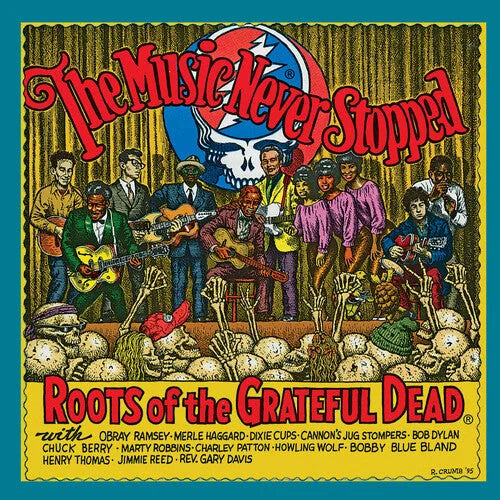

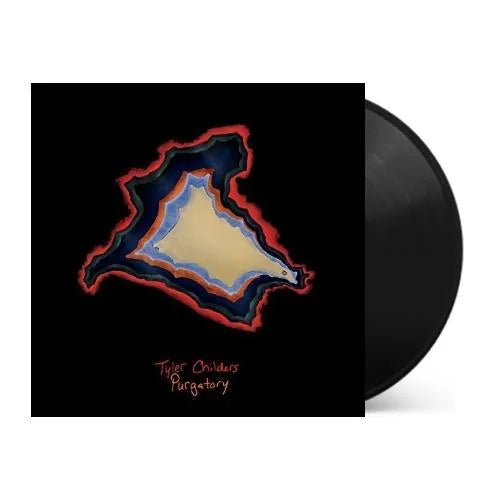

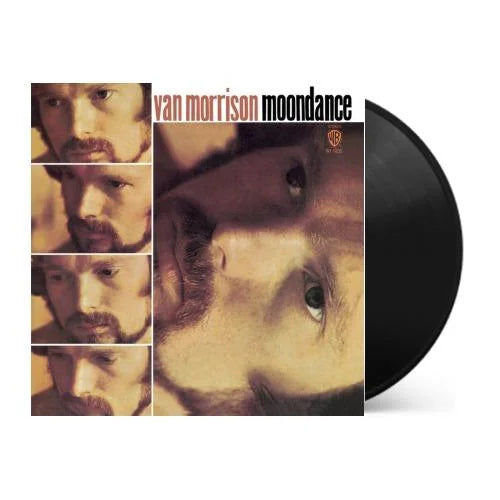
![Zach Bryan - American Heartbreak [3LP]](http://vinyl.com/cdn/shop/files/Zach_Bryan-American_Heartbreak_3LP.webp?v=1764838852&width=5760)
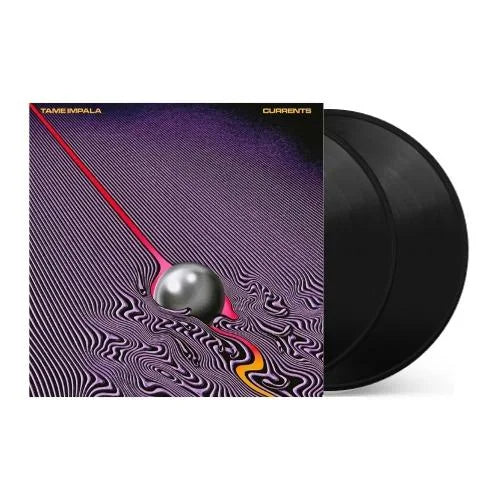

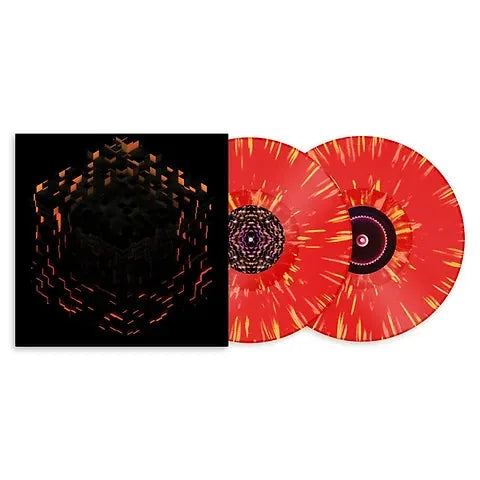

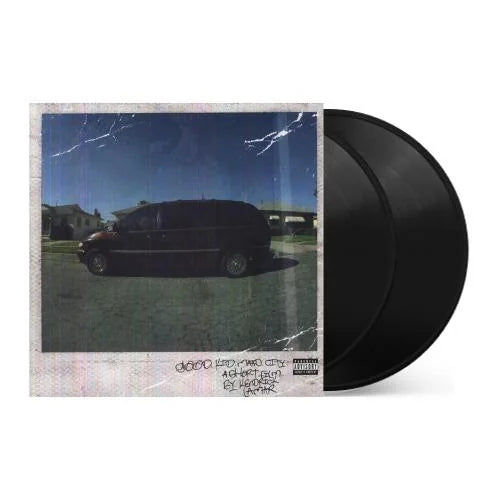
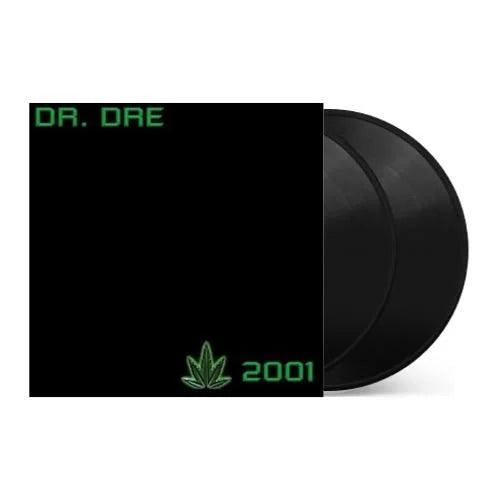

![Sade - The Best Of Sade [2LP]](http://vinyl.com/cdn/shop/files/Sade-TheBestOfSade_2LP.png?v=1785118550&width=5760)
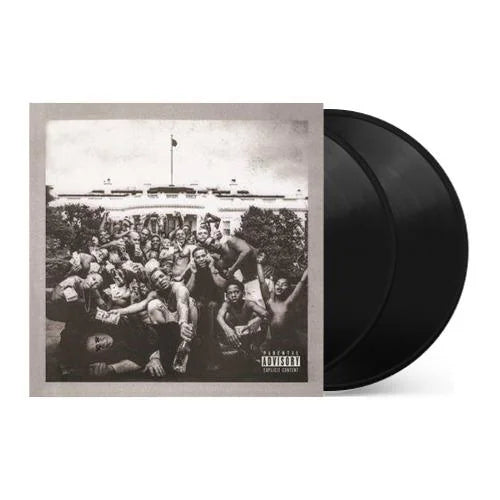
![Miles Davis - Kind of Blue [180-gram]](http://vinyl.com/cdn/shop/files/Y4LPMD03.webp?v=1742198237&width=5760)
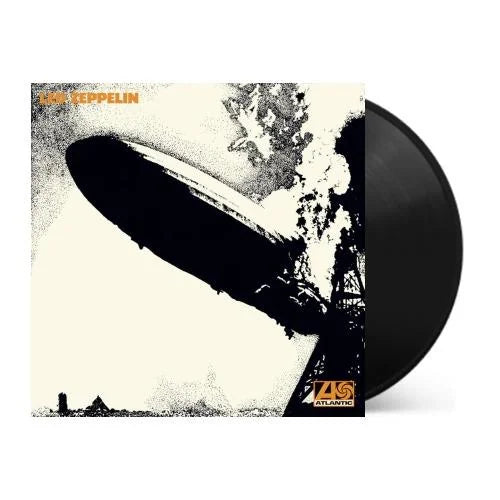

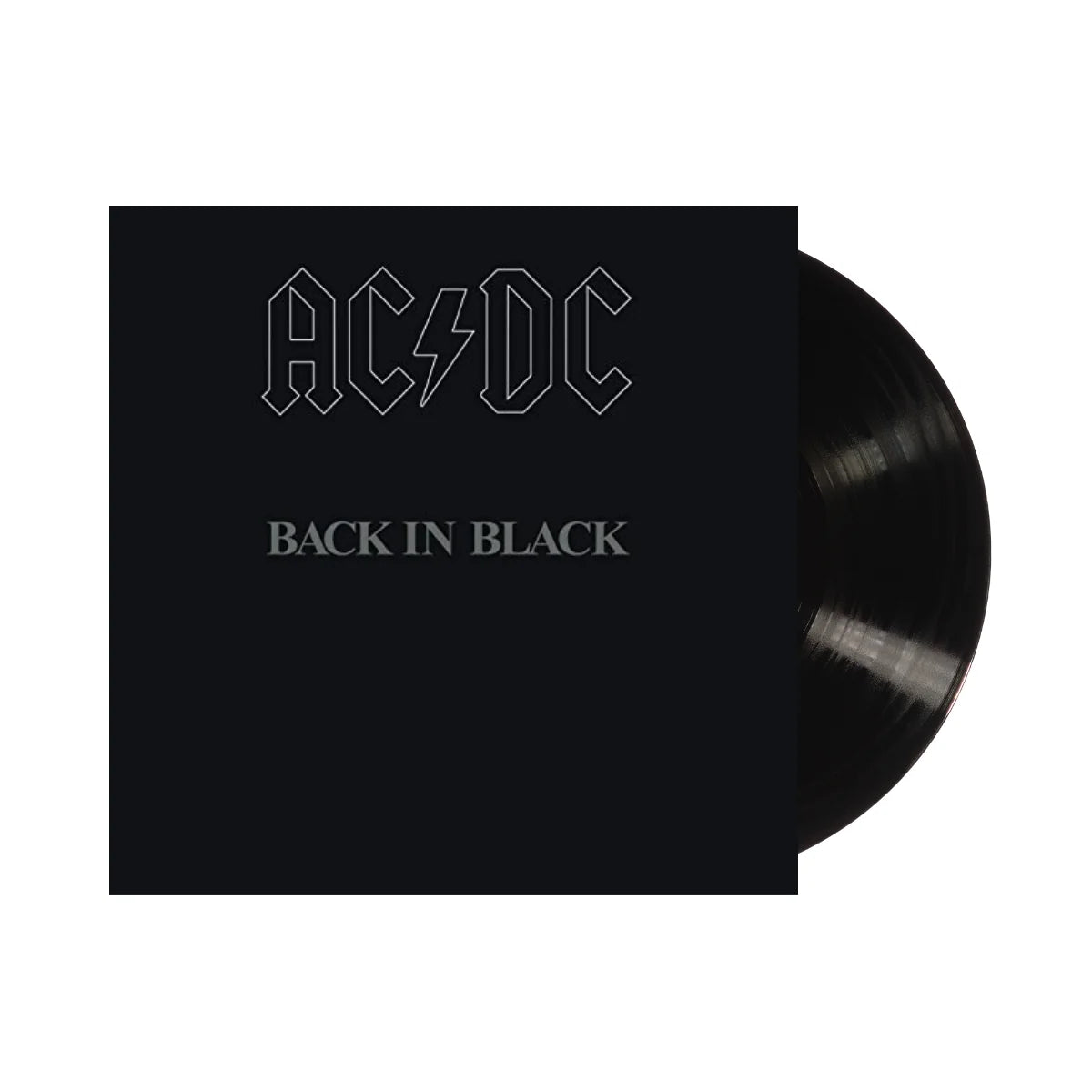
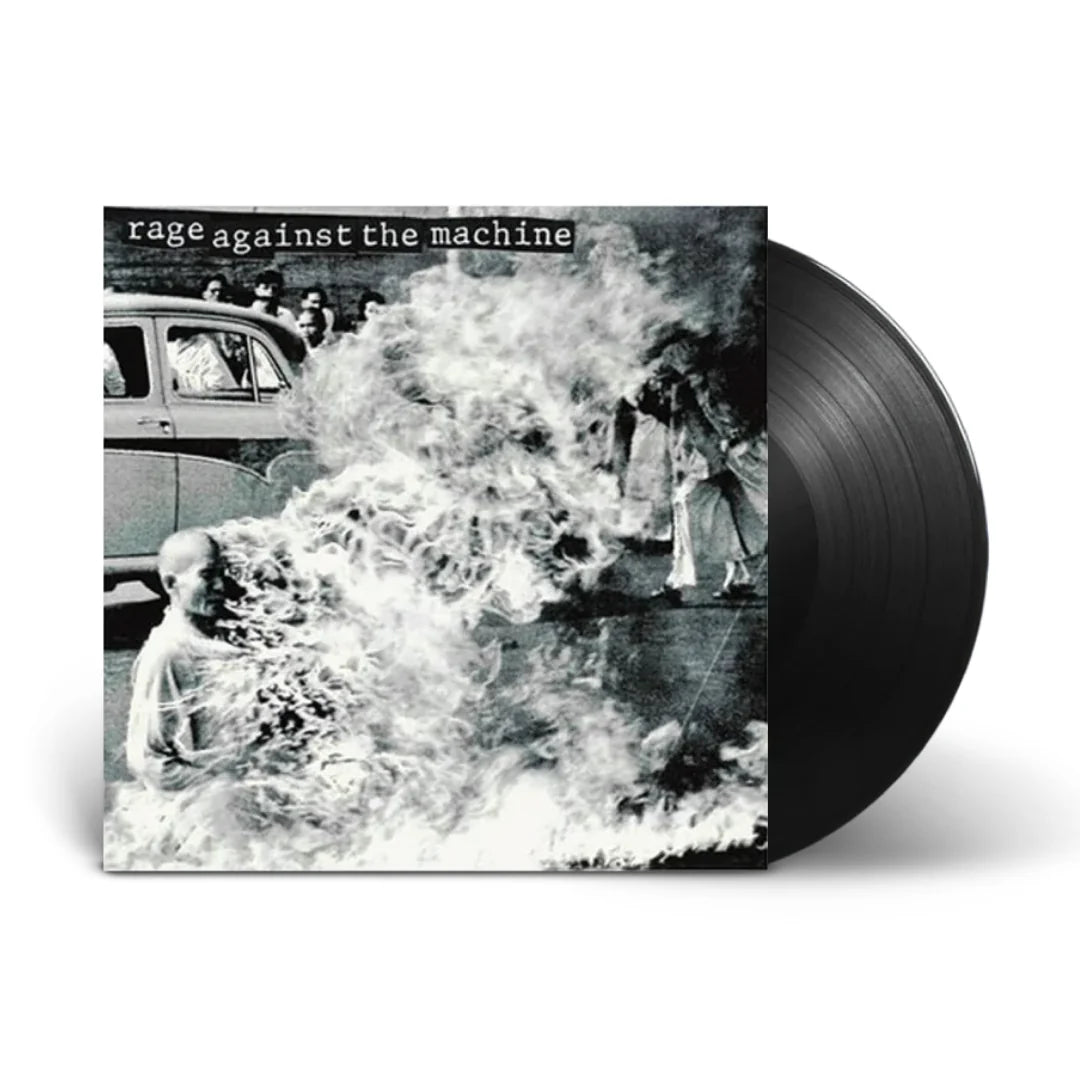
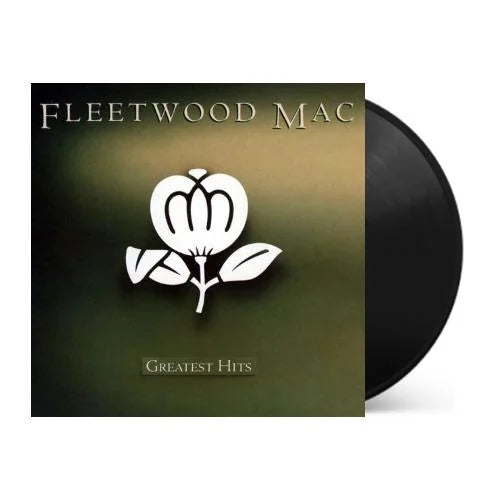
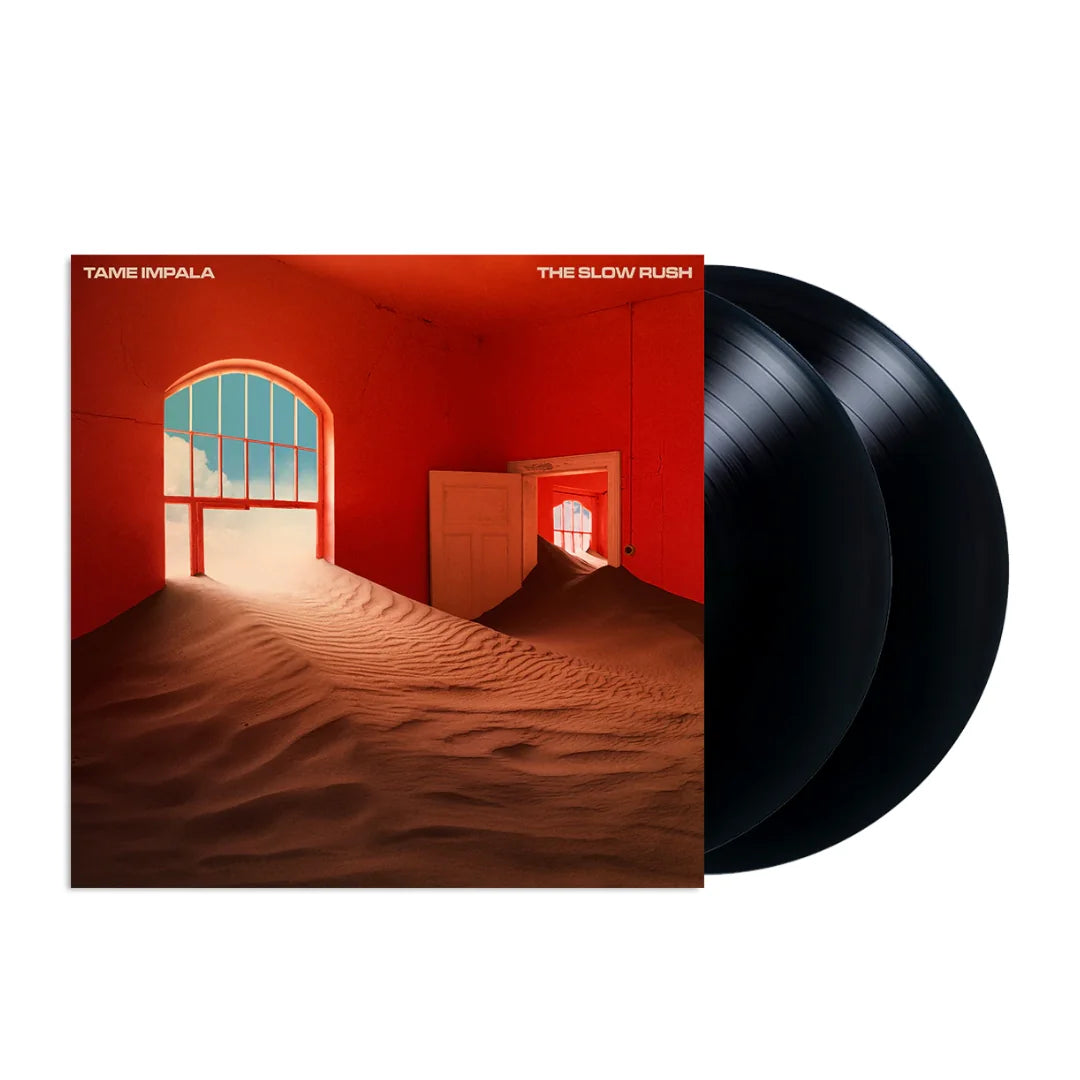
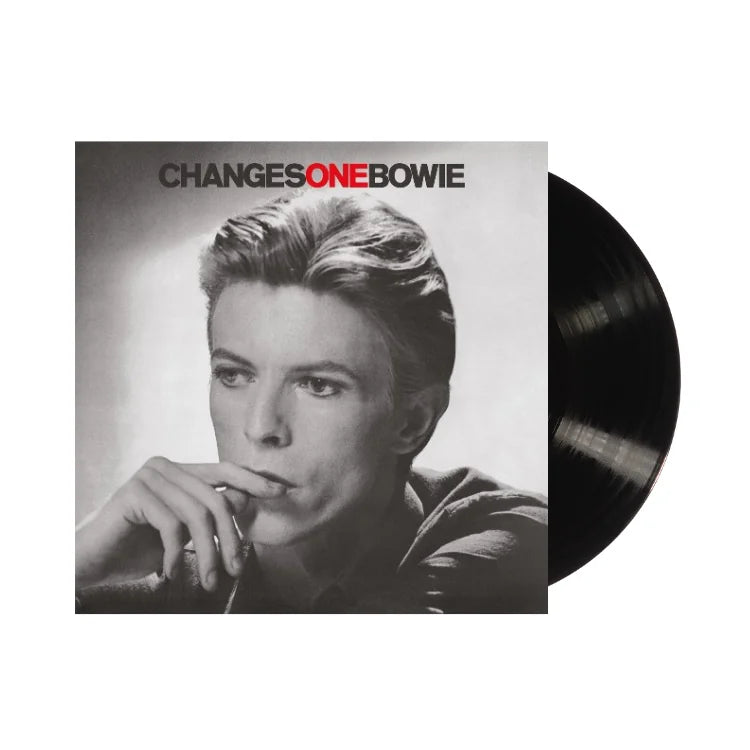
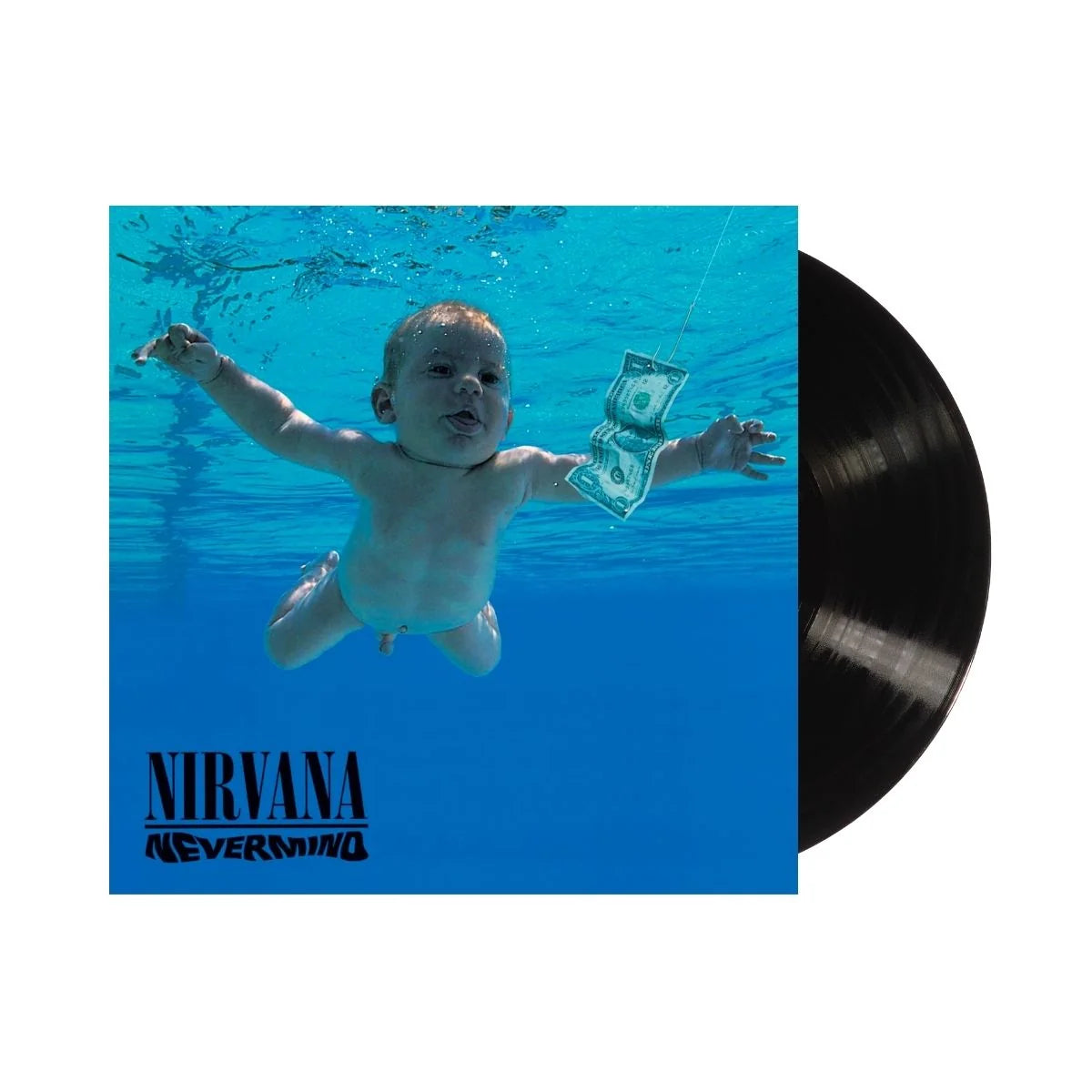
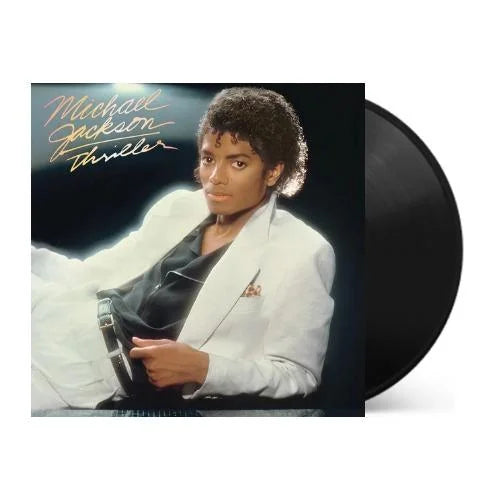

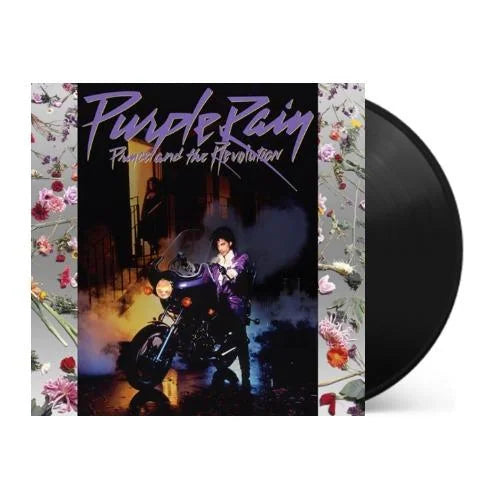

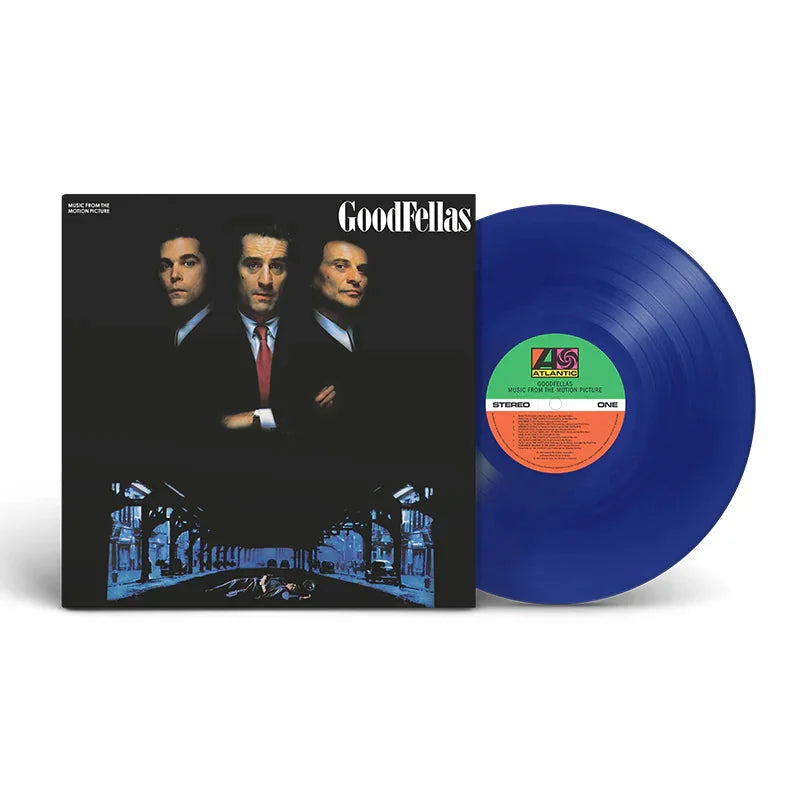





A surprising trend has emerged in the music industry: the resurgence of vinyl records. Once thought to be a relic of the past, vinyl has made a significant comeback, appealing to both older generations who grew up with turntables and younger audiences drawn to its nostalgic charm. This revival is a cultural movement. The tactile sensation of holding a record, the ritual of placing the needle, and the rich, warm sound all contribute to vinyl's renewed popularity. This resurgence has had a profound effect on how music is consumed and appreciated in the digital age.
Historical Evolution of Vinyl Records
The historical development of vinyl records, tracing their evolution from early phonographs to modern LPs and their changing role in the music industry over time. These records began as part of a broader effort to capture and replay sound, evolving from Thomas Edison’s phonograph in 1877, which used cylinders to record and play audio, into Emile Berliner’s gramophone, which introduced flat discs and laid the groundwork for the modern record player. Early discs were made from shellac and typically played at 78 RPM, offering only a few minutes of music per side. That changed in 1948, when the 12-inch 33⅓ RPM long-playing record, or LP, was introduced and quickly transformed the music industry. LPs made it possible to package full-length albums on a single format, encouraging artists to think in terms of cohesive bodies of work rather than isolated songs. Around the same era, the 45 RPM single became popular for shorter releases and promoted a more flexible commercial model for labels and artists. As recording technology improved, vinyl became the dominant physical format through the mid-20th century, shaping how listeners discovered and experienced music. Its role changed again with the arrival of cassettes, CDs, and digital formats, which pushed vinyl into decline as convenience became a priority. Yet vinyl never disappeared entirely. Instead, it survived as a format valued for its format-specific qualities and historical significance. Today, LPs remain a visible part of modern music culture, not just as nostalgia pieces but as enduring artifacts of the industry’s technological evolution. Their history reflects how music distribution, listening habits, and album design have changed over more than a century.

The Resurgence of Vinyl Records
The recent resurgence in popularity of vinyl records examines factors such as nostalgia, digital fatigue, and the influence of modern artists and events like Record Store Day.
Growth of Vinyl Record Stores
The revitalization of vinyl has sparked an increase in the number of vinyl record stores around the globe. These shops serve as cultural hubs where enthusiasts can explore vast collections of records, ranging from timeless classics to the latest releases. Store owners often curate their offerings to create a personalized shopping experience, helping customers discover new music or reconnect with old favorites. These spaces are more than just retail outlets; they're community centers for shared musical appreciation, offering events like album listening parties and live performances that strengthen the vinyl community.
Popularity of Online Record Stores
Parallel to the rise of physical stores, the popularity of online record store businesses has surged. This digital expansion allows enthusiasts to browse extensive vinyl catalogs from the comfort of their homes. These online platforms not only facilitate the sale of new and second-hand records but also foster a sense of community through blogs and forums where fans can discuss their favorite albums and share collecting tips.
Ease of Buying Vinyl Records Online
The convenience of being able to buy vinyl records online has played a critical role in vinyl's resurgence, and Vinyl.com is one example of how that access can be made easier. Consumers appreciate the ease of searching for specific albums, comparing prices, and reading reviews before making a purchase. This hassle-free shopping experience is especially appealing to new collectors and those living in areas without local record shops. Furthermore, when you buy records online, stores often offer exclusive vinyl releases and special editions, which adds to the allure for collectors and fans eager to own a piece of music history.
Impact on Vinyl Sales and Accessibility
The combined impact of physical and online sales has significantly boosted vinyl records in today's music scene. Increased accessibility has led to record-breaking sales, with vinyl experiencing its highest sales in decades. It reflects a broader shift in music consumption preferences towards more tangible and artisanal forms of media. The accessibility of vinyl through various channels has made it a staple in the collections of avid music lovers and casual listeners alike.
Vinyl Records and Music Production
Analog vs. Digital Mastering Processes
The debate over analog and digital mastering processes is crucial for understanding the unique auditory experience vinyl records offer. Analog mastering, the traditional method for vinyl recordings, captures and manipulates music's sound waves in their original, continuous waveforms. This method preserves the natural dynamics and tonalities of the music, often resulting in a richer, more resonant sound. This richness is attributed to the analog equipment's ability to smoothly handle the sonic peaks and valleys without the harsh clipping often encountered in digital systems.
Digital mastering, on the other hand, involves converting the analog sound waves into a digital format by sampling the sound at regular intervals. This process creates a precise, clean sound that can be easily edited and manipulated with software, offering producers and engineers a high level of control over the final output. The advantages of digital mastering include the elimination of background noise and greater consistency in sound quality across different playback systems. However, critics of digital audio argue that this precision can result in a sound that feels too sterile or detached, lacking the 'warmth' often celebrated in analog recordings.
Influence on Contemporary Music Production
The tactile experience of vinyl and the richness of its sound are inspiring musicians and producers to blend old and new techniques, influencing music production in several ways. Here are some of the most notable influences:
Revival of Analog Equipment: With vinyl's popularity on the rise, there has been a corresponding increase in the use of vintage recording equipment. Analog mixers, tape machines, and outboard effects units, which were once considered obsolete, are now being reintegrated into modern music studios. This revival is driven by the desire to capture the distinctive, warm sound that vinyl is known for. Many artists and engineers believe that analog equipment offers a sonic quality that cannot be replicated by digital means alone, leading to a richer and more immersive listening experience.
Hybrid Production Techniques: In many contemporary studios, there is a significant shift towards hybrid production methods that combine the best of analog and digital technologies. This approach allows producers to harness the warmth and character of analog recordings while still benefiting from the convenience and precision of digital editing tools. By blending these technologies, studios can achieve a sound that is both modern and nostalgic, appealing to a wide range of audiences. This technique also facilitates greater creativity and experimentation in music production, enabling artists to explore new sonic landscapes.
Mastering for Vinyl: Special attention is now often given to the mastering process for vinyl releases. This involves using different techniques than those used for digital formats to enhance the audio dynamics and bass frequencies. Mastering vinyl requires a unique approach to ensure that the music plays back effectively on turntables, taking into account factors like needle tracking and the physical limitations of vinyl. Because of this customized process, vinyl is still highly sought after by collectors and audiophiles alike for its ability to retain the richness and depth of the music.
As vinyl continues to captivate music enthusiasts around the world, it encourages a continuous evolution in the way music is produced and consumed. This blend of old and new techniques enriches the musical landscape, ensuring that vinyl remains a cherished medium for experiencing music.

Examples of Modern Vinyl Mastering
Artists across genres are opting to release vinyl editions of their albums, often with mastering specifically optimized for vinyl. This involves careful consideration of dynamic range and frequency response to ensure that the records not only sound great but also embody the artist’s vision. Such releases often come with exclusive features like colored vinyl, limited editions, and enhanced packaging, further enriching the collector's experience.
Cultural Impact of Vinyl Records
Tactile and Visual Appeal
The tactile and visual appeal of vinyl records and music quality is a significant aspect of their cultural impact. Holding a record, feeling its weight, and viewing the artwork up close offer a sensory experience that digital formats can't match. This physical interaction enhances the listener's connection to the music and the artist, making each album a cherished possession rather than just a file on a device. The artwork and design of vinyl covers are often considered pieces of art themselves, displayed in homes as symbols of personal taste and cultural identity.
Importance of Album Art and Liner Notes
Album art and liner notes offer a multisensory experience that digital formats struggle to match. These elements not only add aesthetic value but also serve as crucial bridges between the artist and the listener, enhancing the overall engagement with the music. Here’s a look at how these features contribute to the vinyl experience:
Artistic Expression: The album cover is not merely a packaging detail but a canvas for artistic expression that complements the music within. Often the result of collaborations between musicians and visual artists, the album artwork is designed to reflect the album's thematic depth and emotional core. This visual representation can play a pivotal role in influencing a listener's perception and emotional response to the music. For instance, a striking and thought-provoking album cover might intrigue listeners and invite them to delve deeper into the music, setting the tone before the first note is even played.
Informational Value: Liner notes are more than just a background detail; they provide a wealth of information that can significantly deepen a listener’s understanding and appreciation of the music. These notes often include insights into the recording process, lyrics, the meanings behind songs, and acknowledgments of those involved in creating the album. By offering this context, liner notes help listeners connect more profoundly with the music, understanding the nuances of its production and the artist’s vision, which might otherwise go unnoticed.
Collectibility: The unique aspects of vinyl, such as limited edition releases, special artwork, and colored vinyl, enhance its collectibility. This makes vinyl records not just music playback devices but valuable items for collectors. The exclusivity and aesthetic appeal of these editions often increase their monetary and sentimental value, making them highly sought-after pieces. For many, collecting vinyl is a passionate hobby that involves a deep appreciation of both the music and the physical artistry that accompanies it.
These elements foster a deeper connection between the artist and the audience, turning each vinyl record into a cherished cultural artifact. As the vinyl resurgence continues, these features remind us of the enduring importance of tangible, physical media in an increasingly digital world.
Connection Between Artists and Fans
The format offers artists a tangible medium to share their work in a way that invites listener interaction. For fans, collecting and discussing vinyl can lead to a sense of community and shared identity with others who value its depth and authenticity. This medium can turn listening into an event, encouraging deeper discussions about the music and its nuances, often leading to a more profound appreciation and loyalty to the artists.
Vinyl as a Cultural Artifact
They hold historical significance, reflecting the music trends, technological advancements, and cultural movements of their times. As such, vinyl is not just a medium for music playback but a storied piece of cultural history that connects the past with the present, offering ongoing relevance in the digital age.
Notable Contemporary Vinyl Releases
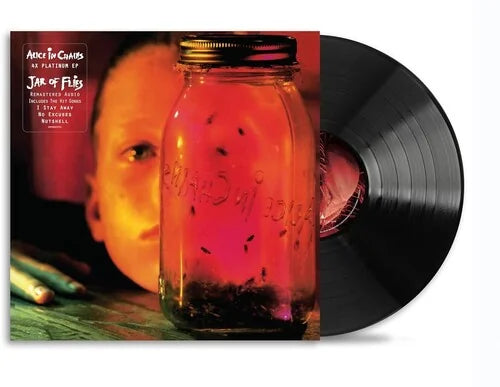
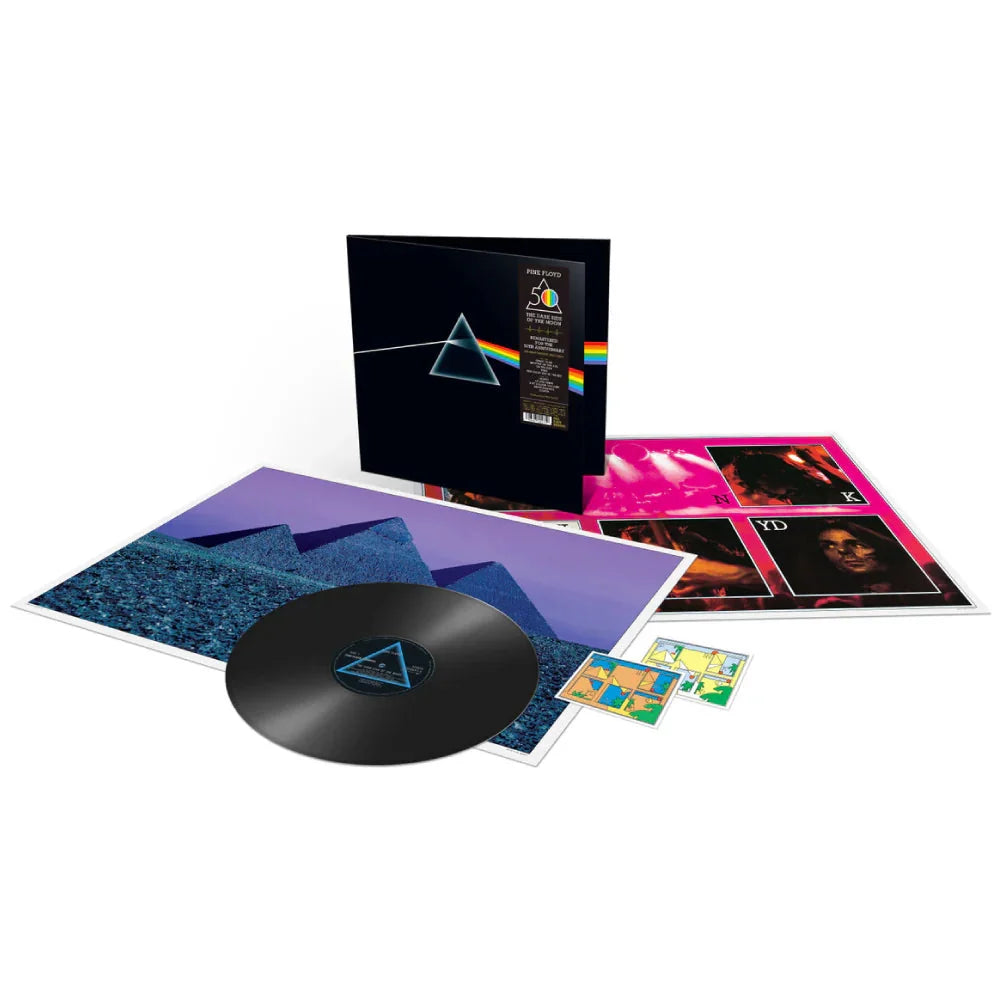
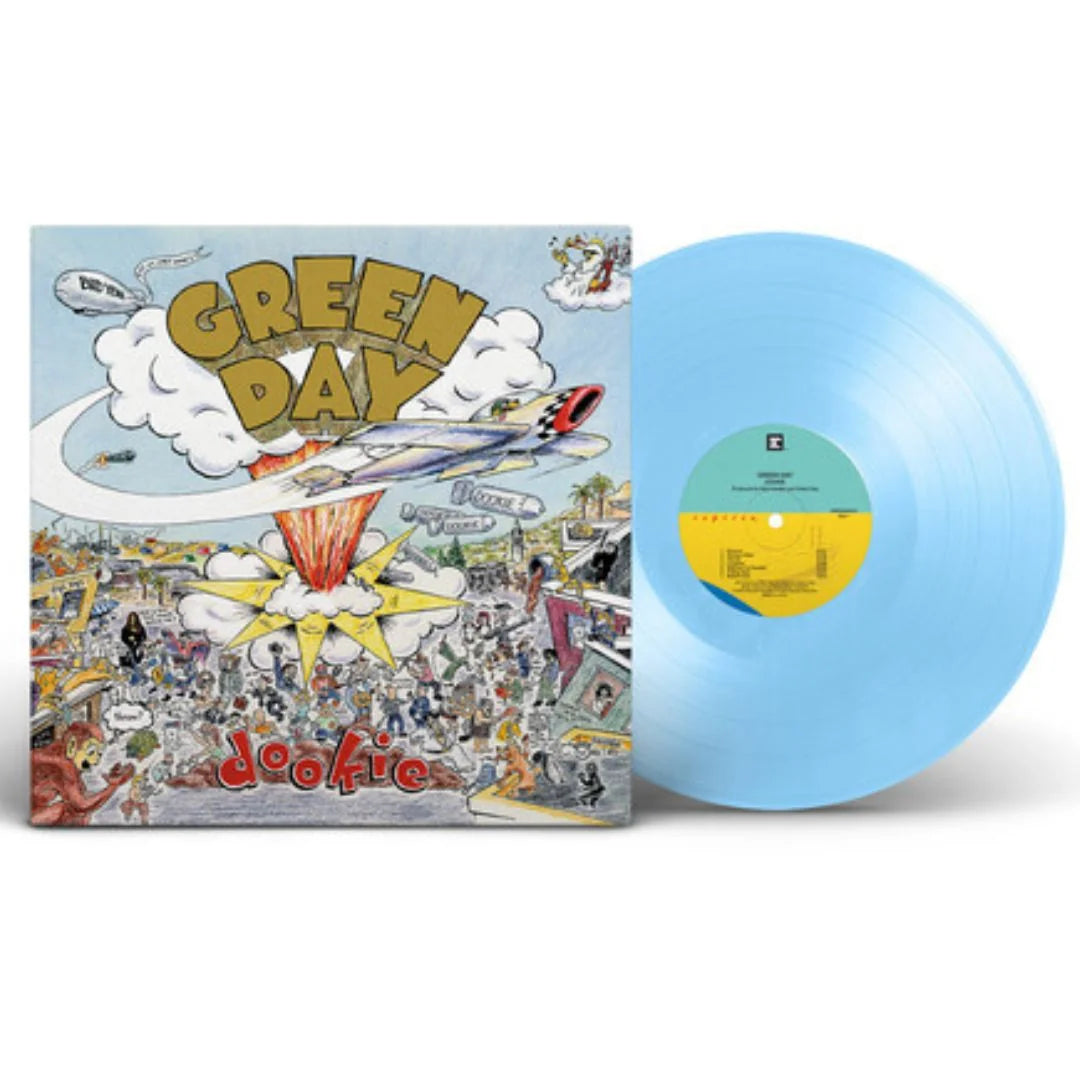
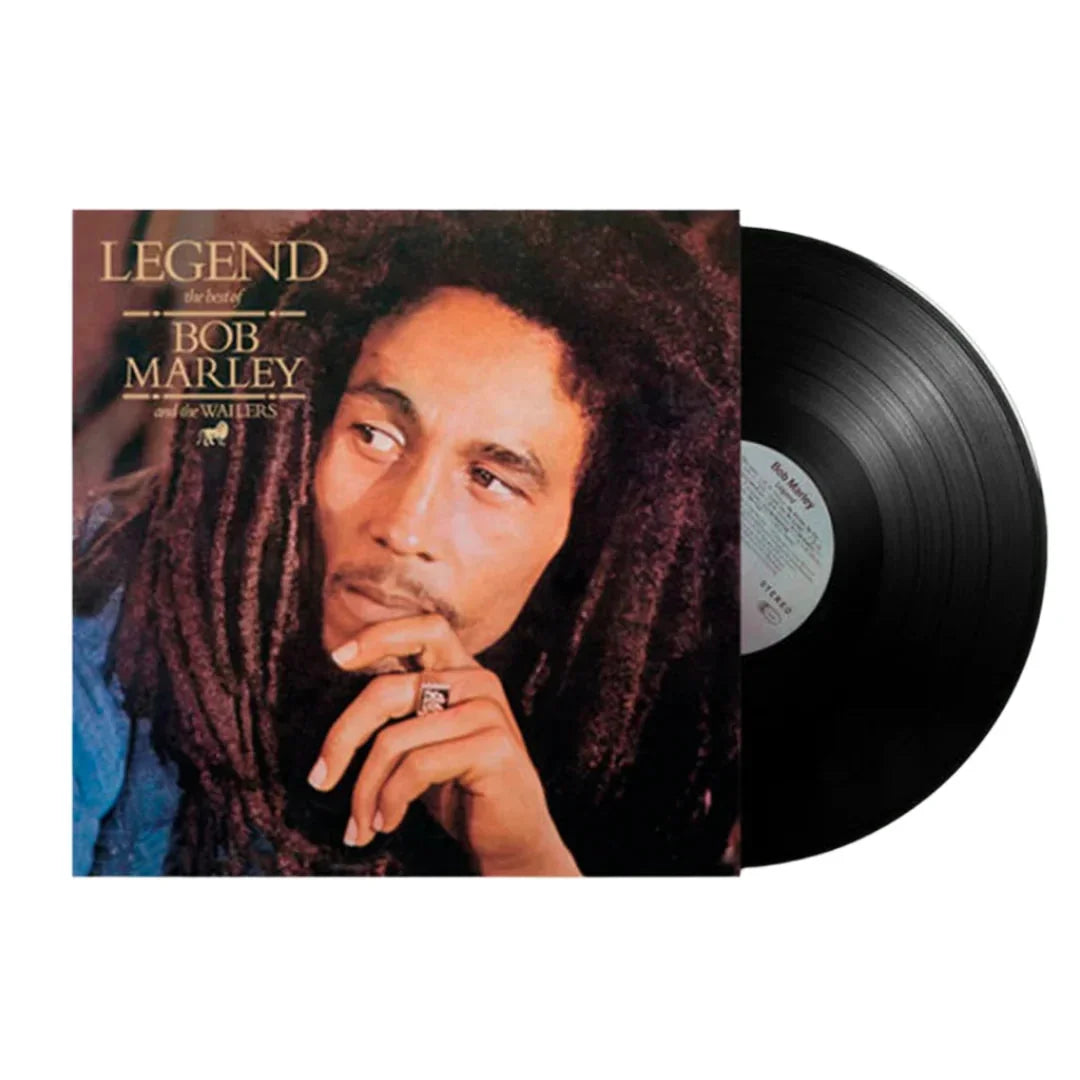
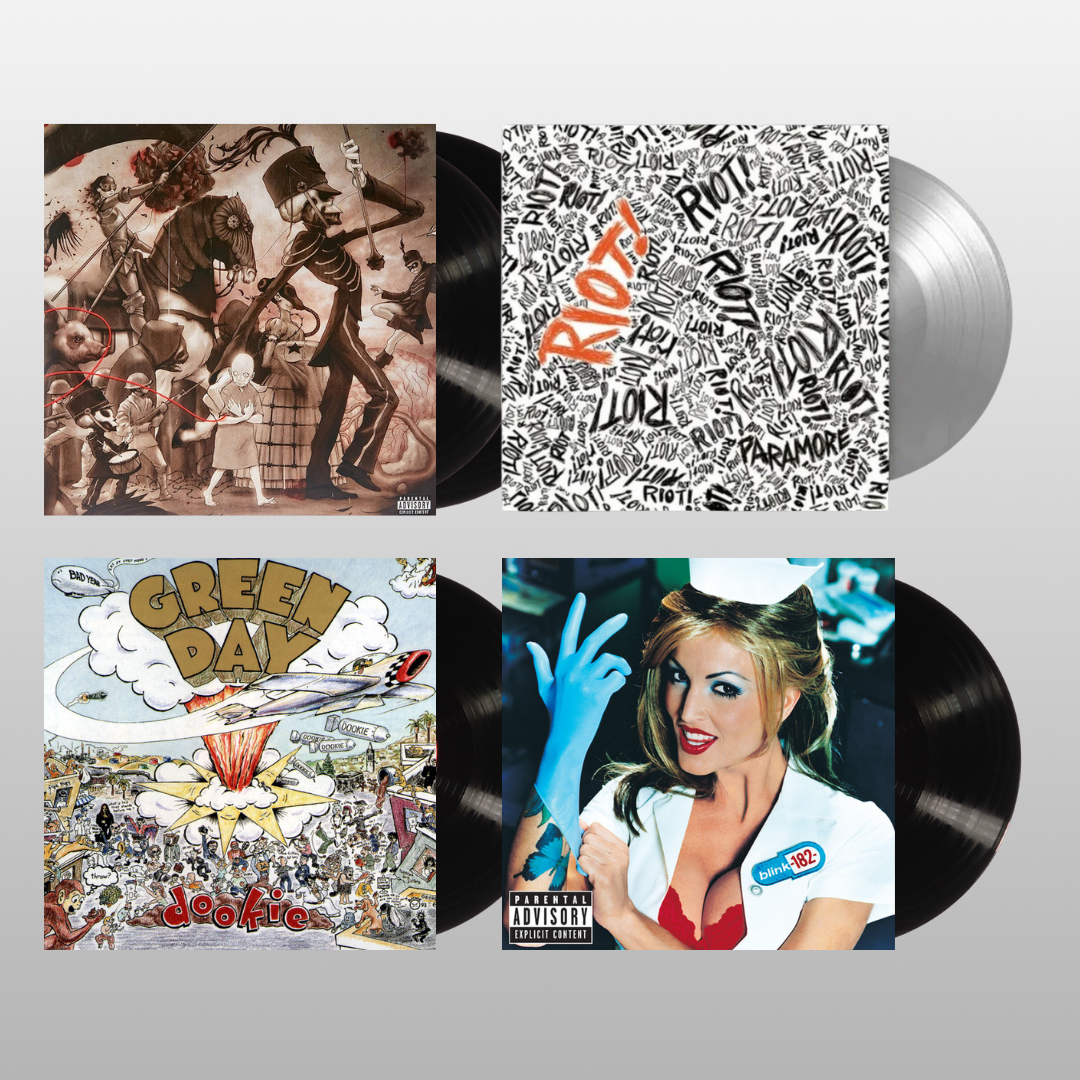
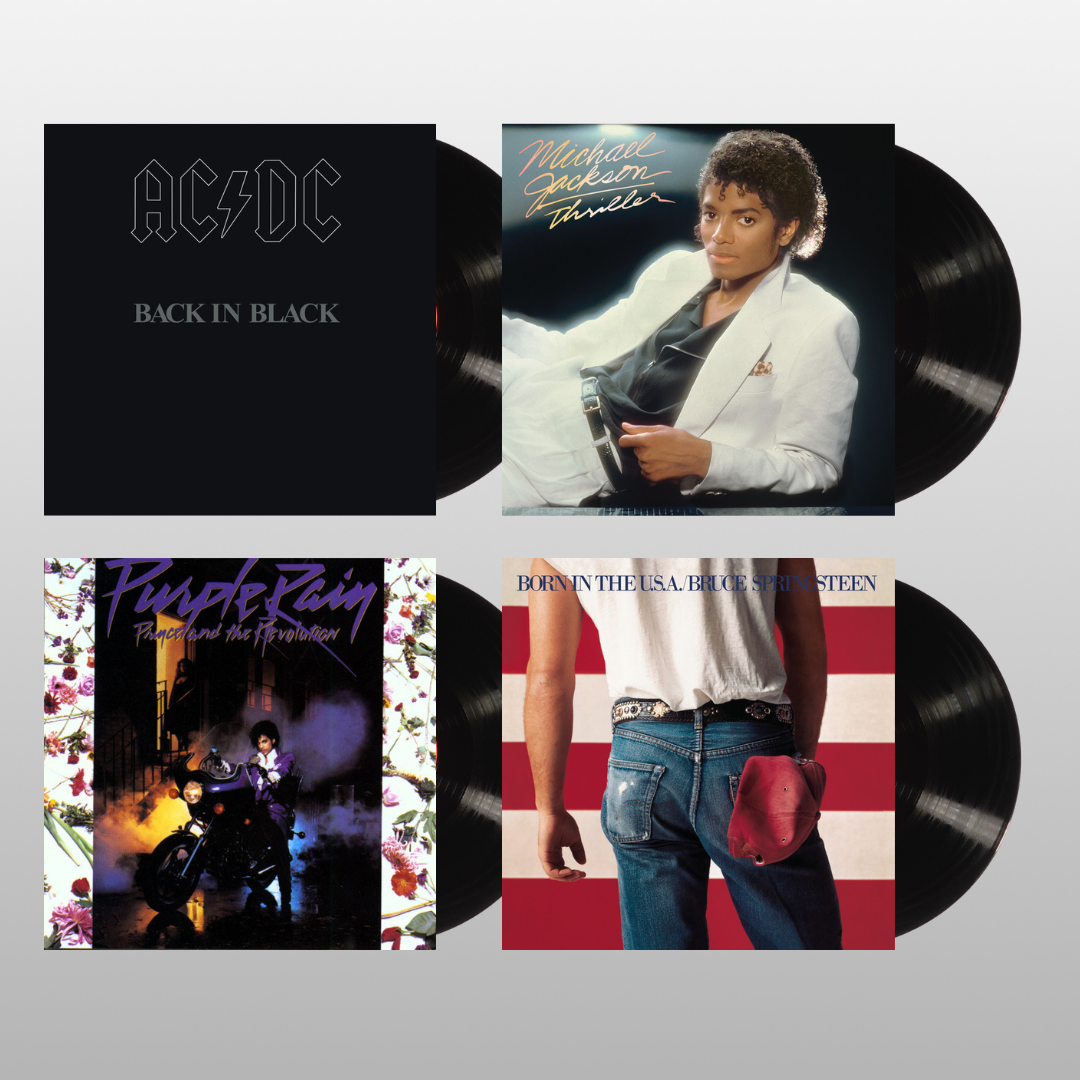
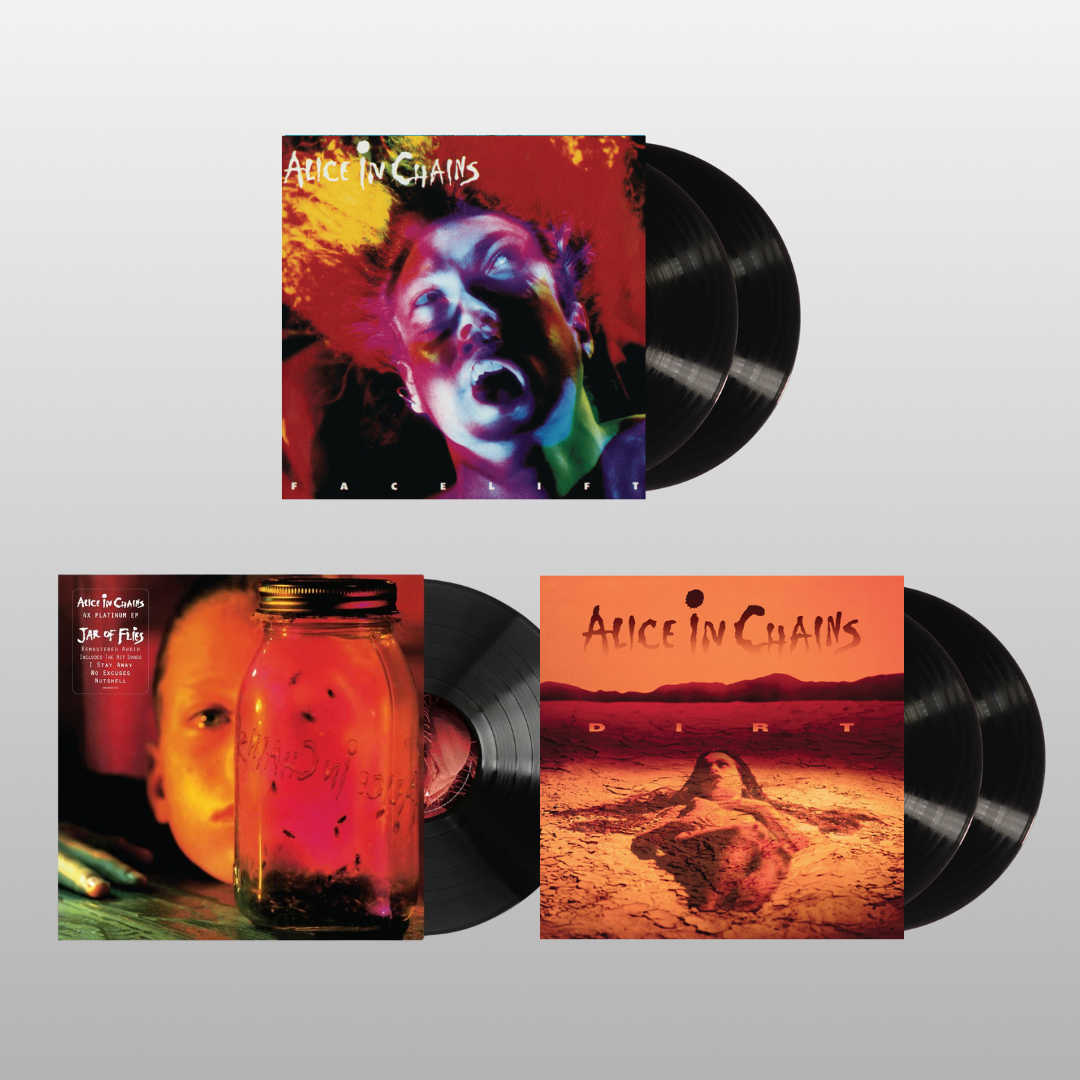
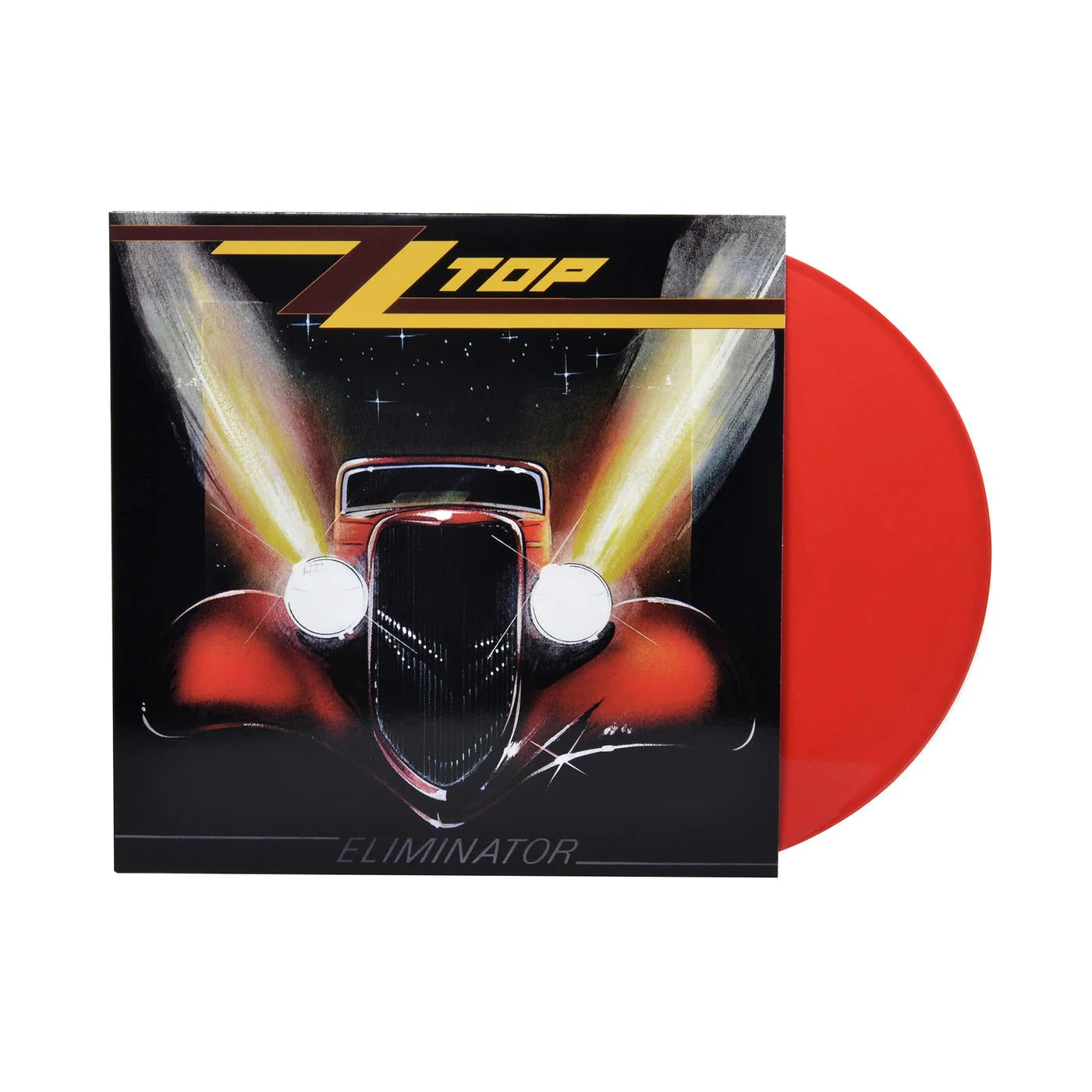
The impact of vinyl in today's music industry is also evident in notable vinyl releases by contemporary artists. These releases often receive acclaim not only for the music itself but for the innovative ways in which the vinyl has been crafted. Special pressings, such as picture discs and multi-disc sets, enhance the listener's experience by making the act of playing the record visually appealing and emotionally engaging.
Vinyl Records in Today’s Music Scene
Changes in music consumption habits linked to vinyl, including how vinyl has shaped listening experiences, fostered community events, and contributed to broader trends in music appreciation.
Influence on Music Consumption Trends
As discussed, as vinyl sales have grown, there has been a noticeable shift toward valuing physical media again, despite the convenience of digital formats. This trend is part of a larger movement towards slow technology, where consumers are choosing to engage more deeply with fewer, but more meaningful, pieces of content. Vinyl enthusiasts often spend more time selecting and playing records, and this deliberate consumption fosters a deeper connection with the music, encouraging active listening rather than passive consumption.
Role in Music Production Practices
Artists and producers are now more conscious of how an album will sound on vinyl, often considering this during mixing and mastering. This has led to a revival of older production techniques that favor dynamic range over loudness, catering to the vinyl format's strengths. Such considerations ensure that the vinyl releases enhance the listening experience by preserving the richness and depth of the audio, which can be compromised in heavily compressed digital files.

Economic Impact and Industry Trends
The vinyl revival has created meaningful economic activity across the music retail and manufacturing ecosystem, with benefits and pressures that extend well beyond the records themselves. Independent record stores have been among the biggest winners, as renewed demand has brought more foot traffic, repeat customers, and opportunities to sell both new releases and curated second-hand stock. For many small shops, vinyl is no longer just a niche product but a core revenue driver that supports broader community-oriented business models, including in-store events, online sales, and specialized inventory that helps them differentiate themselves from large retailers. At the same time, the revival has exposed serious manufacturing constraints. Pressing plants, lacquer production, and supply chains all face capacity limits, which can slow down release schedules and increase production costs for labels and artists. These bottlenecks matter commercially because delays can affect preorder momentum, album launch strategies, and the ability to meet collector demand for limited editions. The collectability of vinyl has also become a major economic force in its own right. Special pressings, colored variants, first editions, and reissues can command higher prices and create strong resale markets, turning records into both consumer goods and speculative assets.
Vinyl now sits at the intersection of nostalgia, retail, and premium merchandising: it supports local businesses, drives manufacturing investment, and offers artists a product with higher perceived value than digital listening alone. However, the format’s commercial success also depends on whether the industry can balance growing consumer demand with production capacity and reasonable pricing. If those challenges are managed well, vinyl can continue to function not only as a beloved music format, but also as a durable economic segment within the modern music industry.
Vinyl records have woven a rich, enduring thread through the fabric of modern music, influencing everything from production techniques to consumer behavior. The tactile nature of vinyl offers a physical and emotional connection to music that digital formats cannot replicate, fostering a deeper appreciation for the artistry involved in music creation. Vinyl's influence on music production has led to a resurgence of analog techniques that emphasize sound quality and authenticity, marking a return to the roots of musical recording and listening. Moreover, vinyl has shaped artist strategies and marketing, creating unique opportunities for fan engagement and artistic expression.
