




![Mac Miller - Circles [2LP Clear]](http://vinyl.com/cdn/shop/files/mac_1.png?v=1767598863&width=5760)
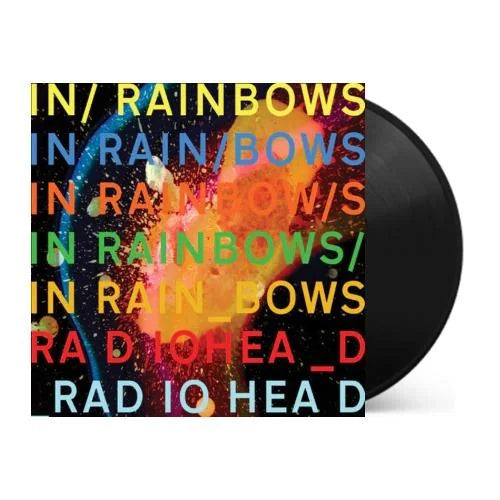
![Smashing Pumpkins - Mellon Collie and The Infinite Sadness [4LP Box Set]](http://vinyl.com/cdn/shop/files/MellonCollie4LP-SmashingPumpkins.png?v=1736990865&width=5760)
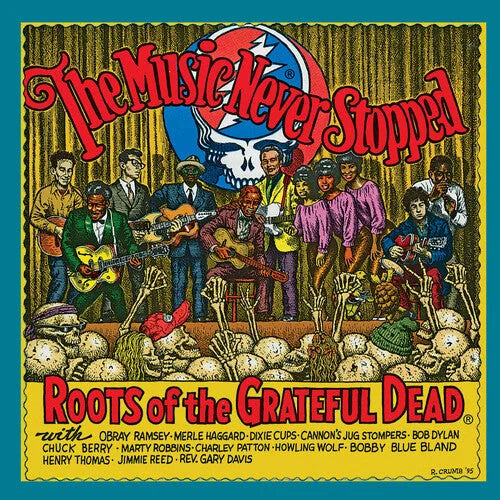
![The Grateful Dead - The Music Never Stopped [6LP Box Set]](http://vinyl.com/cdn/shop/files/The_Grateful_Dead-The_Music_Never_Stopped__6LP_Box_Set.jpg?v=1747729623&width=5760)
![The Grateful Dead - Madison Square Garden, New York, NY 3/9/81 (2023 Rocktober Edition) [5LP Box Set]](http://vinyl.com/cdn/shop/files/gratefuldead_2.png?v=1768197509&width=5760)


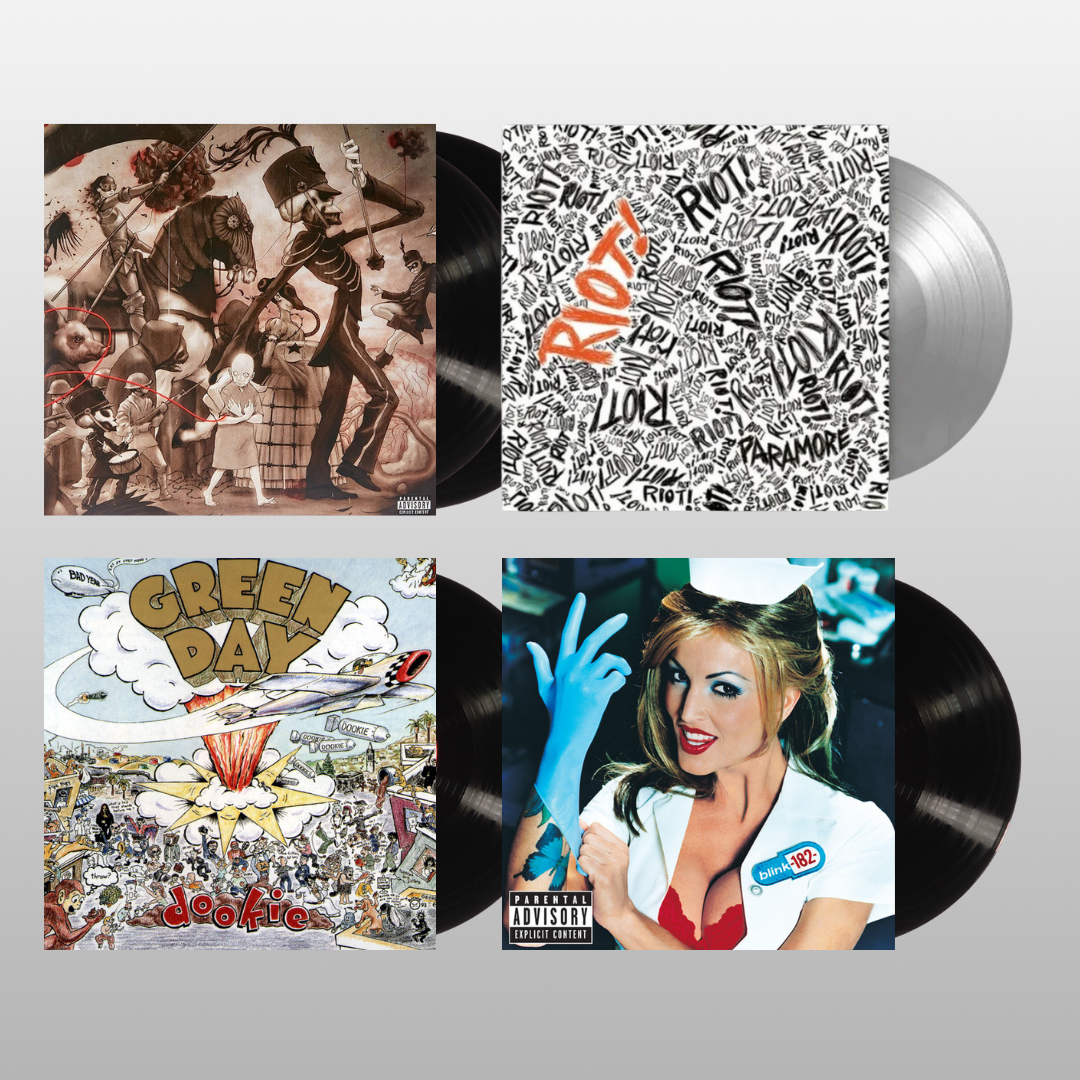
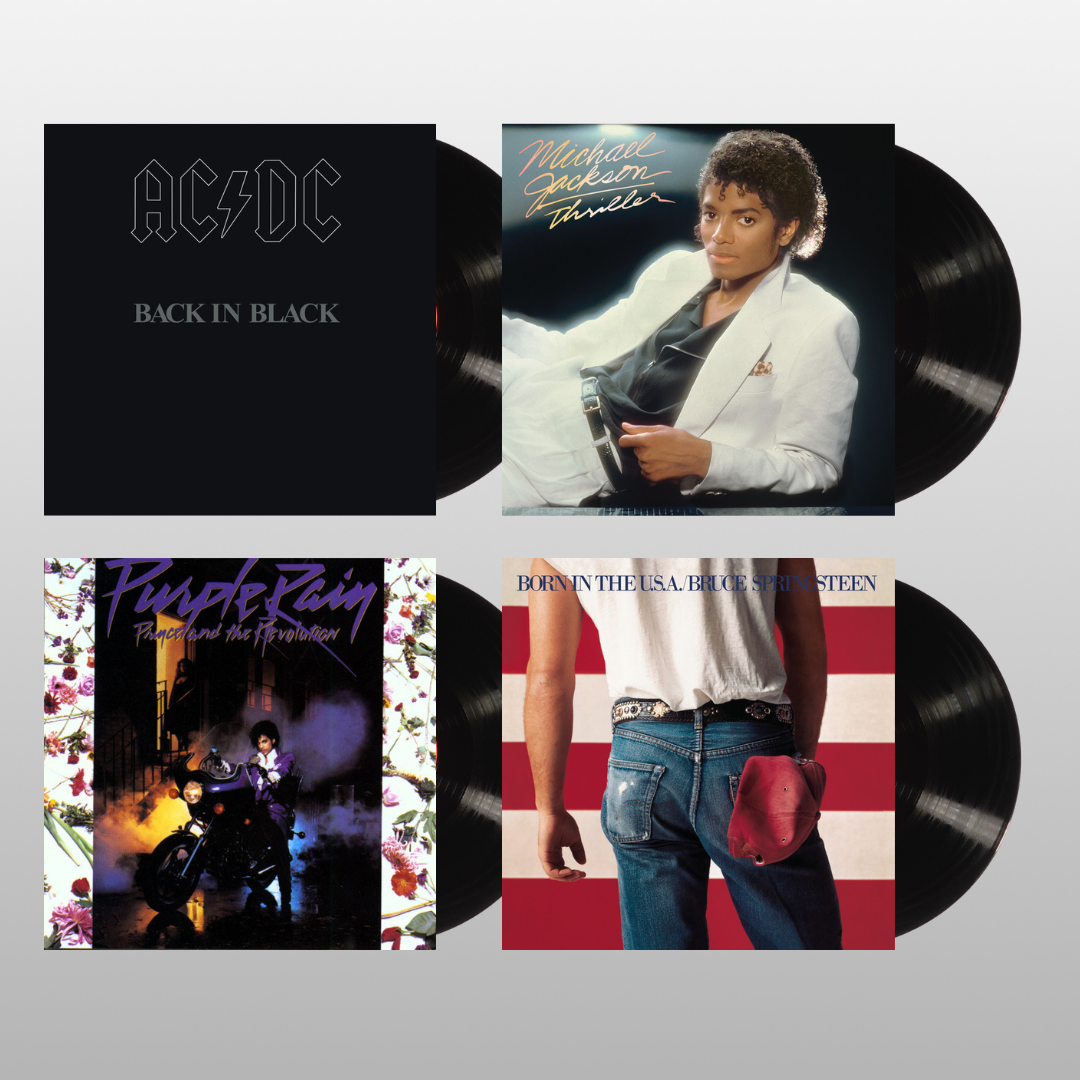
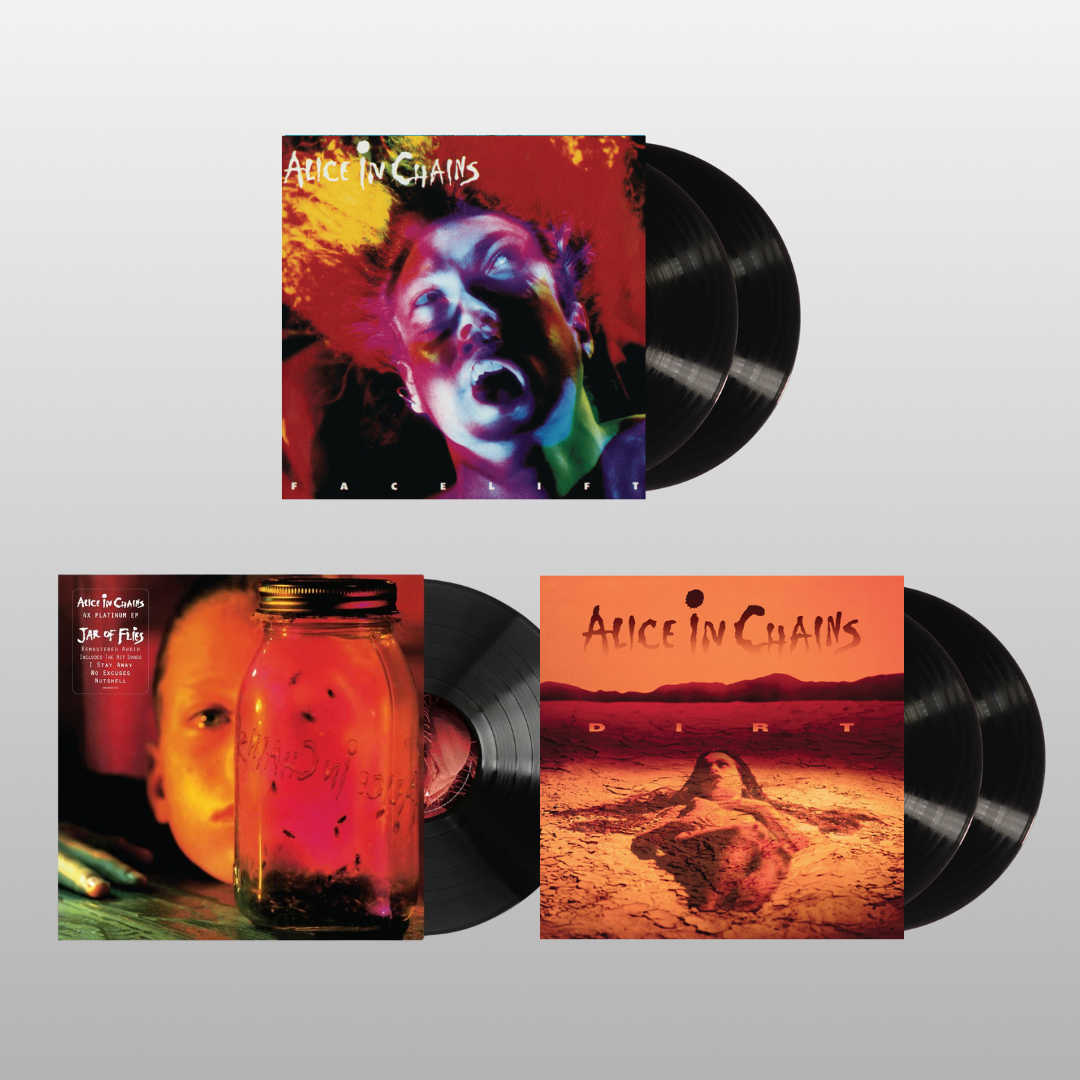

![Mac Miller - Swimming [2LP]](http://vinyl.com/cdn/shop/files/MacMiller-Swimming_2LP.png?v=1776241230&width=5760)
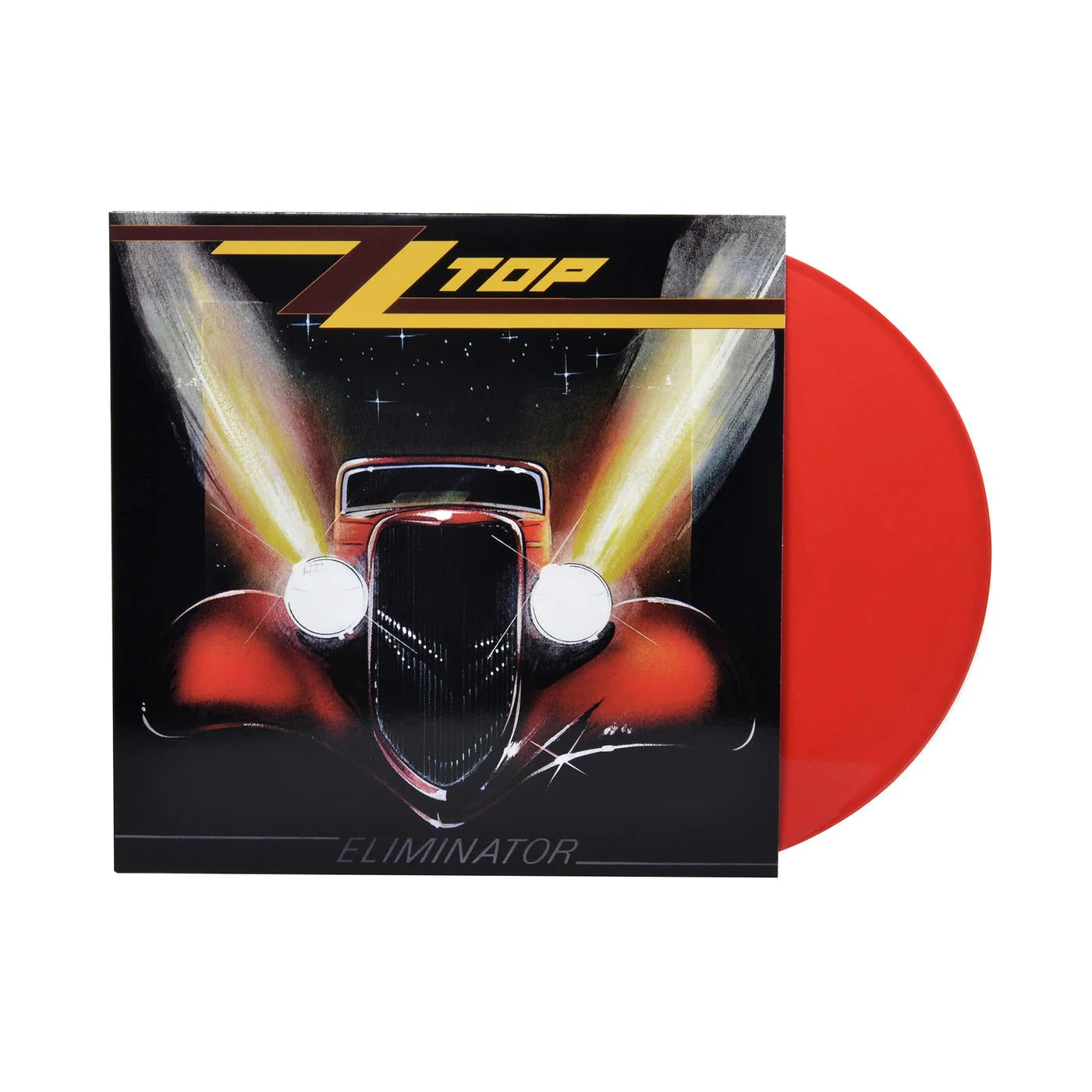
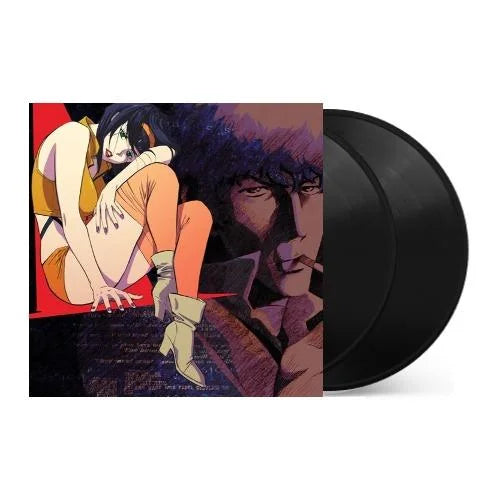

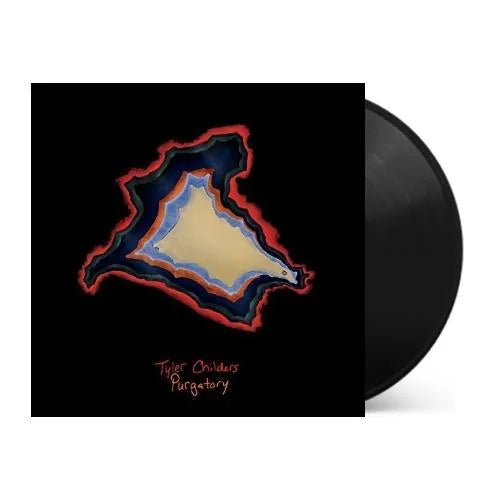
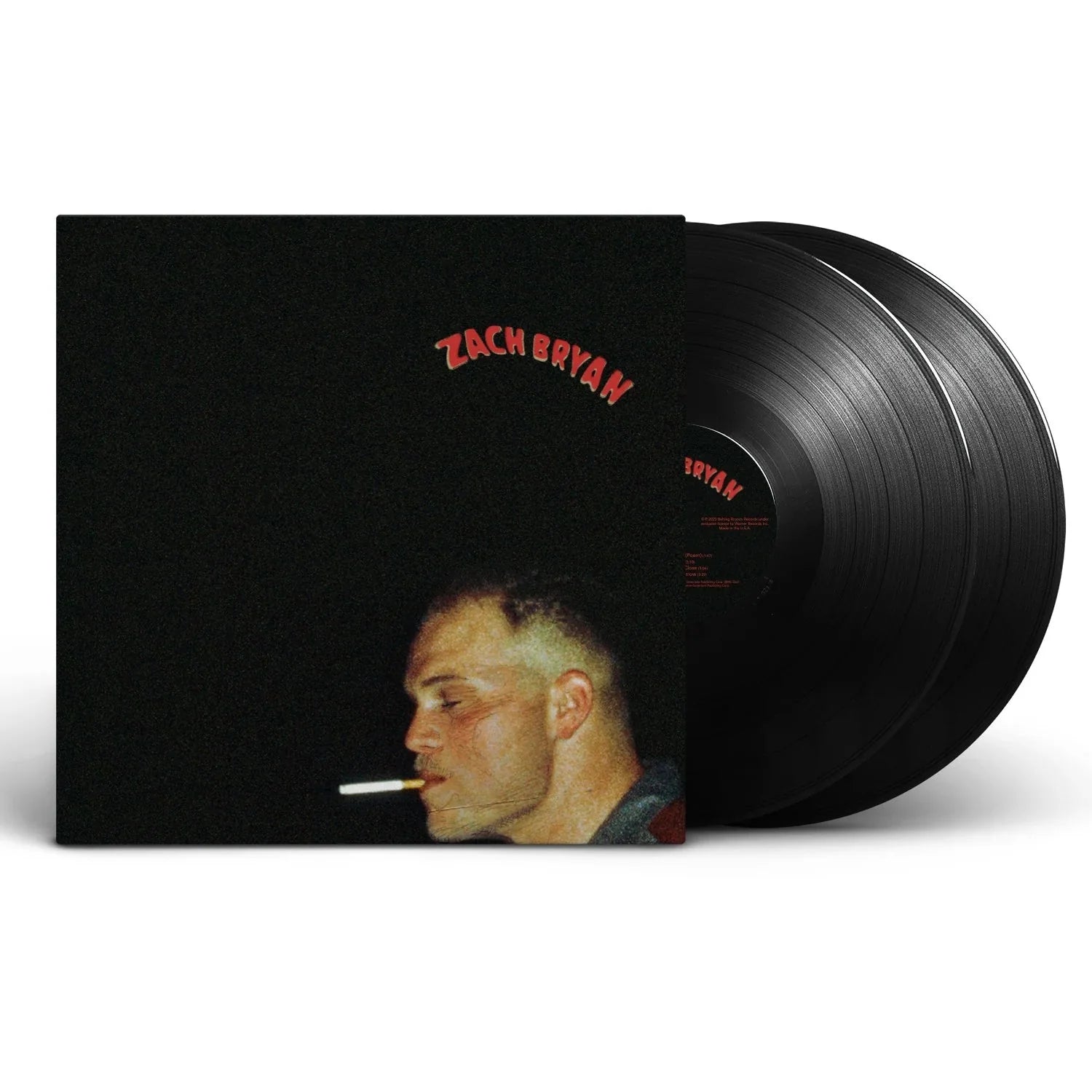
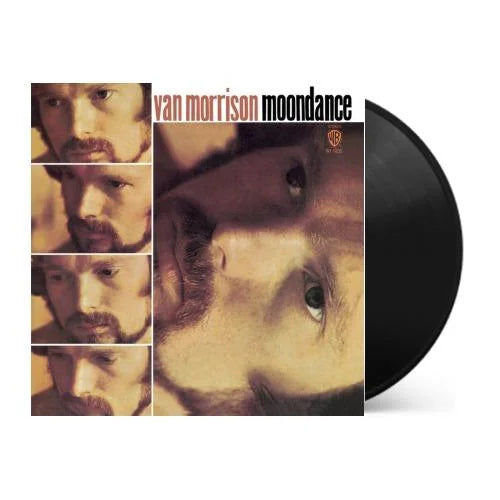
![Zach Bryan - American Heartbreak [3LP]](http://vinyl.com/cdn/shop/files/Zach_Bryan-American_Heartbreak_3LP.webp?v=1764838852&width=5760)
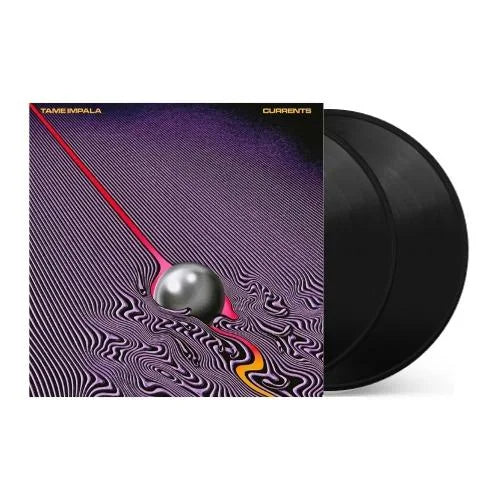


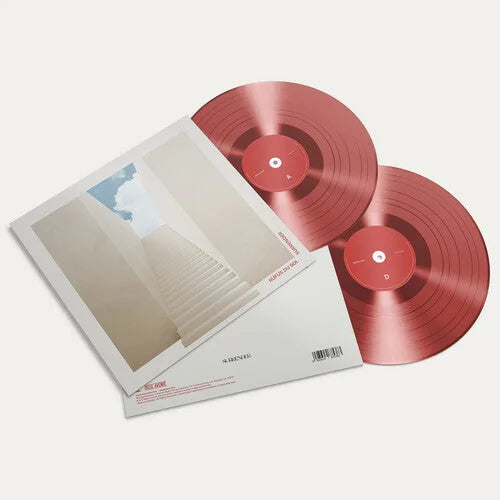


![Sade - The Best Of Sade [2LP]](http://vinyl.com/cdn/shop/files/Sade-TheBestOfSade_2LP.png?v=1785118550&width=5760)
![Miles Davis - Kind of Blue [180-gram]](http://vinyl.com/cdn/shop/files/Y4LPMD03.webp?v=1742198237&width=5760)



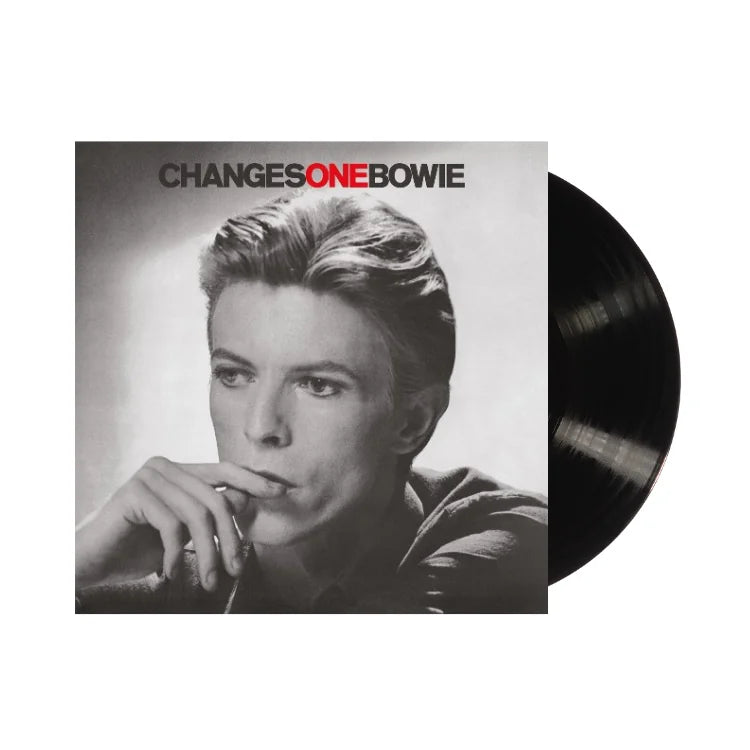
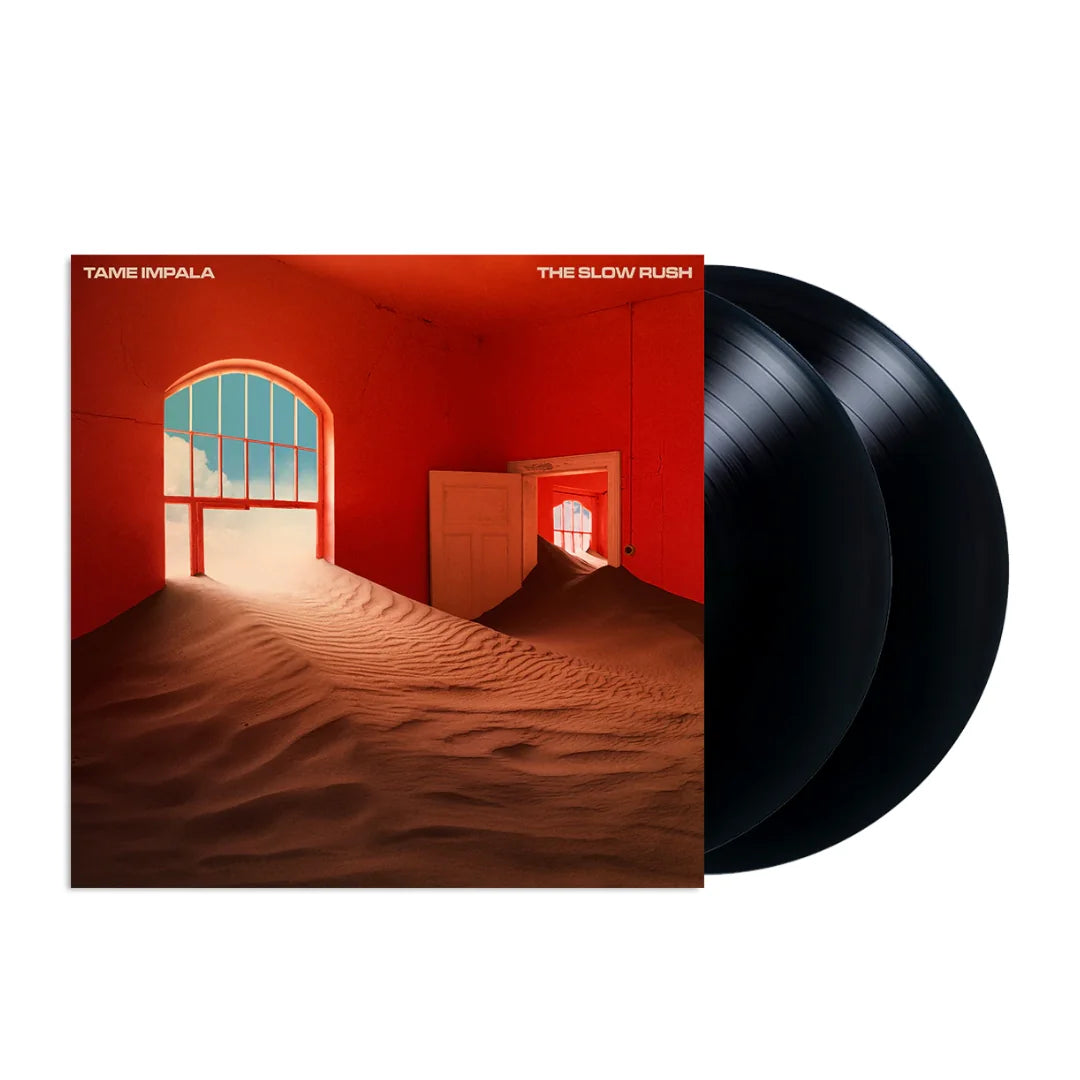
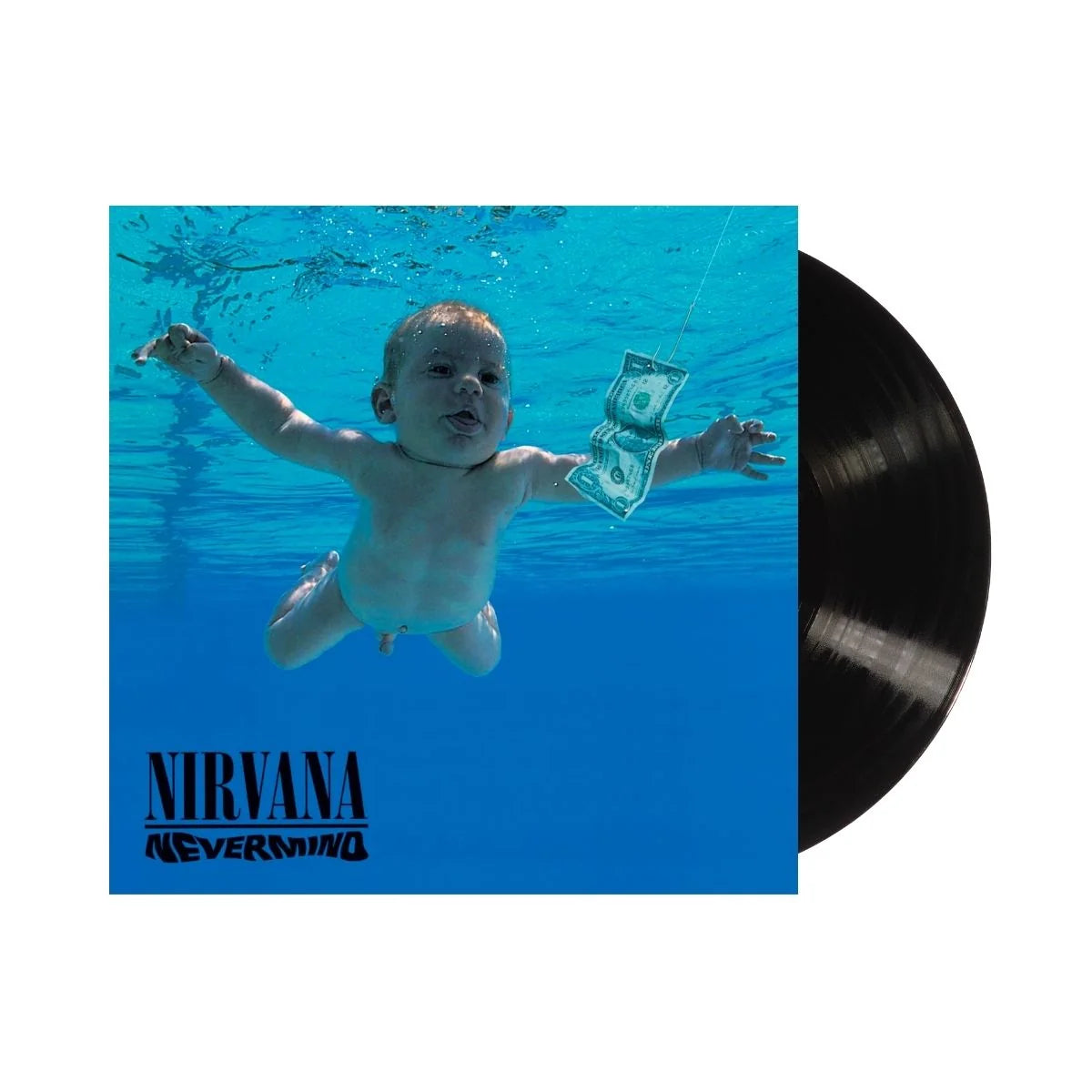
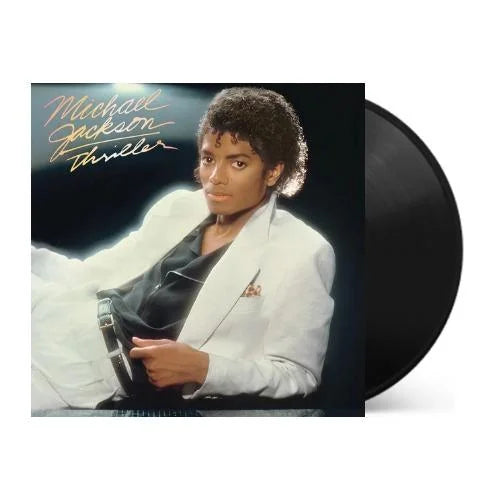

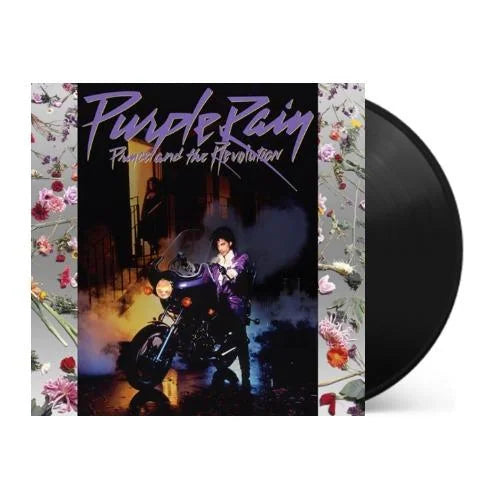

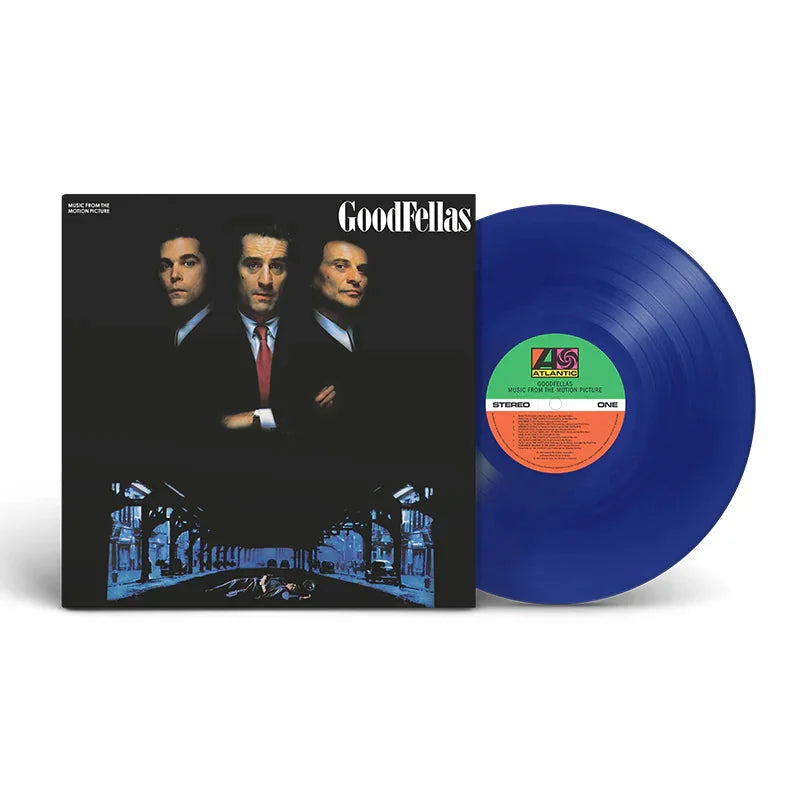






In an age where music is only a tap away, classic rock vinyl's appeal remains strong among longtime collectors and new fans. While streaming services offer convenience, they often lack the character and depth of older formats. Vinyl invites listeners to slow down and engage with music more intentionally. This tangible connection to the past adds emotional value to every spin. From the cover art to the liner notes, vinyl offers a complete experience that digital files simply cannot match. As digital media becomes more fleeting, records provide a sense of permanence that people find comforting.
The Magic Behind the Sound of Classic Rock on Vinyl
Analog Mastering and Its Impact
The unique charm of vinyl record sound lies in its analog origins. Unlike digital recordings, which convert music into binary code, analog mastering captures sound in a continuous waveform. This process preserves the natural nuances of each instrument and voice, creating an authentic tone. Warmth in audio is a characteristic that stems from how the sound was recorded and produced. Classic rock, in particular, benefits from this warmth. The analog approach complements the organic textures of electric guitars, raw vocals, and live drums. As a result, vinyl offers a fuller experience that draws listeners in. The way tracks are laid out, the spacing between grooves, and how songs transition on a side all affect the listening journey. These elements are essential on rock albums on vinyl, where dynamics can shift rapidly from one moment to the next. Engineers and artists had to carefully plan the sequence to ensure smooth transitions and balanced sound throughout the record. The physical space on each side is limited, so the arrangement often reflects a thoughtful narrative. Songs placed at the beginning of a side can sound brighter due to wider grooves, while those near the end may sound slightly compressed. These sonic variations contribute to the album’s character, offering surprises that don’t exist in digital playlists.
Acoustic Nuances of Rock Vinyl vs. Digital Compression
There’s a noticeable difference between the acoustic sounds vinyl delivers and what’s heard through compressed digital files. Vinyl retains more of the original frequency range, including the subtle ambient details that add depth to music. Digital formats often compress audio to reduce file size, which can strip away specific harmonics and resonance. This is particularly evident in genres like classic rock, where layered arrangements and analog instruments play a central role.

Immersive Listening Experience
The immersive quality comes from the way vinyl captures the performance in a physical form. With classic rock records, the experience becomes sensory, such as holding the album, reading the liner notes, and even hearing the soft crackle as the needle hits the groove. This physicality transforms passive listening to vinyl into a focused event. The analog sound lets you escape into the music completely, offering an atmosphere that earbuds can’t duplicate.
Iconic Albums That Define the Classic Rock Vinyl Canon
Best Vinyl Albums of All Time
One must consider their broader cultural impact when discussing the best vinyl albums of all time. Below are albums that continue to resonate with listeners of all ages:
- The Beatles – Abbey Road: Released in 1969, Abbey Road represents a high point in both the Beatles' discography and rock history as a whole. More than just an album, it acts as a farewell statement, coming shortly before the band's dissolution. Its sonic innovations—such as the pioneering use of synthesizers and Moog instruments—laid the groundwork for modern recording techniques. Standout tracks like “Come Together,” “Something,” and the ambitious medley on Side B have become iconic, reflecting the band's full musical spectrum. What elevates Abbey Road beyond its musical excellence is its status as a cultural icon: the crosswalk on the cover remains one of the most emulated and recognizable images in music history.
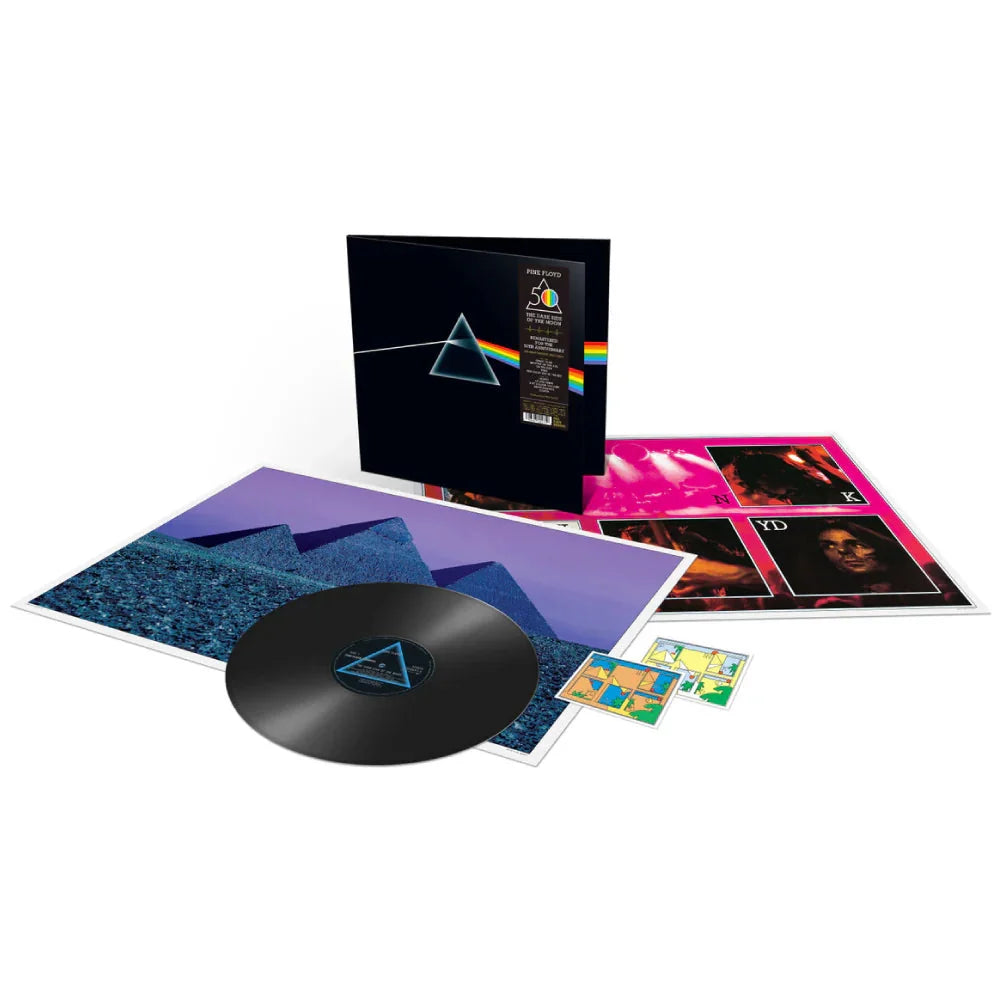
- Pink Floyd – The Dark Side of the Moon: Few albums have merged sound and philosophy as cohesively as The Dark Side of the Moon. Released in 1973, its seamless flow of songs revolutionized what a concept album could be. Themes of time, madness, mortality, and capitalism are not merely lyrical afterthoughts but are woven into the sonic fabric through heartbeats, clocks, cash registers, and wordless vocal passages. Alan Parsons' engineering and the band’s use of analog synths, tape loops, and quadraphonic effects made it a marvel of analog sound design.
- Led Zeppelin – IV: The album juxtaposes ferocious blues-rock, haunting folk ballads, and sprawling epics. “Stairway to Heaven,” arguably the most scrutinized and celebrated rock track ever recorded, is a microcosm of the band’s vast range, moving from delicate acoustic arpeggios to electrified solos that helped define Jimmy Page’s legendary status. The band’s decision to forgo a title or band name on the cover was a defiant assertion that the music should speak for itself, and it did. Songs like “Black Dog,” “Rock and Roll,” and “When the Levee Breaks” have become classic rock staples, noted for their layered production and thunderous rhythm section. On vinyl, the dynamic shifts between quiet and loud passages are given room to breathe, amplifying the emotional weight of the performances.
- The Rolling Stones – Exile on Main St.: A double LP steeped in American roots music—blues, gospel, soul, and country—it was largely recorded while the band was in tax exile in France, contributing to its aura of ragged brilliance. The album’s murky mix and sprawling tracklist make it feel like a dusty collection of unearthed treasures rather than a polished studio effort. This quality makes Exile one of the most rewarding vinyl listening experiences: the analog crackle complements its sonic grit, enhancing the impression of a smoky barroom jam session.
- The Who – Who’s Next: Originally conceived as part of Pete Townshend’s aborted rock opera Lifehouse, the album became a stand-alone triumph that redefined the band's musical direction. Tracks like “Baba O’Riley” and “Behind Blue Eyes” demonstrated a newfound sophistication in songwriting, marrying existential themes with soaring melodies and inventive use of technology. Synthesizers were used not as gimmicks but as integral compositional tools, enriching the band’s explosive sound. Keith Moon’s drumming, John Entwistle’s bass playing, and Roger Daltrey’s commanding vocals shine stunningly on vinyl. The analog format captures both the controlled chaos and emotional nuance that digital formats often flatten.
- Jimi Hendrix – Are You Experienced: The rock world was irrevocably changed when Jimi Hendrix unleashed Are You Experienced in 1967. It wasn’t just Hendrix’s virtuosic guitar work that captivated listeners—it was how he bent the possibilities of sound, studio techniques, and emotional expression. The album is a tour de force of psychedelia, blues, and raw power, with tracks like “Purple Haze,” “Hey Joe,” and “The Wind Cries Mary” showcasing the broad emotional and sonic spectrum of his artistry. The vinyl edition, especially early mono pressings, presents Hendrix’s work in its most unfiltered form, letting the saturated fuzz tones and reverse reverb effects hit with palpable force. Unlike many debut albums, Are You Experienced was not merely a showcase of potential but a fully formed, genre-breaking vision.
Each pressing tells its own story, inviting you to listen with your ears and your sense of history, curiosity, and soul.

Psychedelic Milestones, Hard Rock Anthems, and Concept LPs
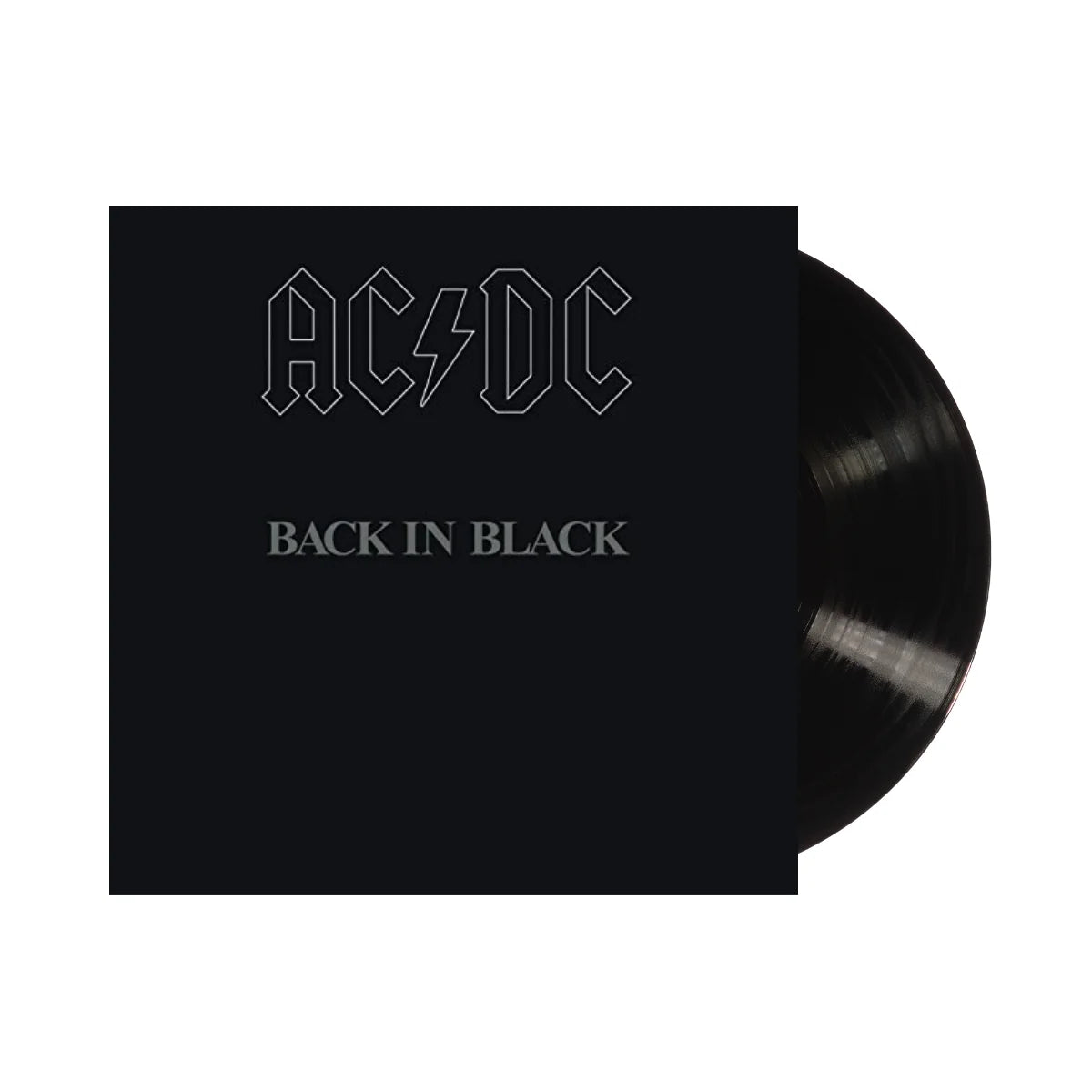
Among the best albums to own on vinyl, the psychedelic era produced some of rock history's most adventurous and vivid works. Legendary rock bands like Jefferson Airplane, The Doors, and Cream expanded the boundaries of rock, using trippy soundscapes and unconventional structures to break new ground. These records were experiences meant to be absorbed with attention and imagination. Hard rock acts like AC/DC and Deep Purple brought raw power and rhythmic intensity to the format, producing anthems that shook stadiums and defined the rebellious spirit of the time. Meanwhile, concept albums by Genesis, King Crimson, and Yes elevated vinyl into a narrative art form. Their intricate storylines and thematic cohesion encouraged listeners to approach the album as a unified work rather than a series of individual tracks.
Why Original Pressings and Limited Reissues Hold Value
These early copies often carry historical and sonic value that later editions lack. The materials used, such as thicker vinyl and higher-quality jackets, make a difference in durability and sound. When collecting classic vinyl, original pressings are seen as the closest connection to when the music was first released. These versions sometimes include remastered audio or faithful recreations of the original packaging. They provide a way for newer fans to experience vintage soundscapes without compromising quality.
Deluxe Editions and Archival Releases
Modern reissues and deluxe box sets have revitalized interest in iconic rock albums by adding depth to what fans already love. These expanded editions go beyond the standard tracklists. They offer a deeper look at an album’s evolution, from the songwriting process to final production decisions. Labels have begun issuing these packages on high-quality vinyl, sometimes at 180 grams, which ensures better sound fidelity and longevity. Some editions even replicate original packaging with added inserts or booklets, enhancing the tactile experience of ownership. Archival releases also help introduce a new generation to the magic of these timeless records. Rather than simply streaming a remastered version, fans get to engage with a richer narrative that’s been carefully preserved.
Collecting Classic Rock Vinyl in the Digital Age
How to Identify First Pressings
Spotting a first pressing of a classic album requires a trained eye and some knowledge of record manufacturing. Many early pressings have distinctive features that set them apart, including specific label designs, catalog numbers, and vinyl weight. One of the most reliable ways to verify a pressing is by examining the matrix markings in the runout groove. These etched codes near the label provide details about the pressing plant, mastering engineer, and edition. Identifying these details in classic rock vinyl can mean the difference between a standard reissue and a valuable original. Collectors often research variations using online discography databases or collector guides, which list subtle distinctions across multiple pressings. Cross-referencing these sources with the record in hand ensures accuracy.
Understanding Record Grading
Grading systems help buyers and sellers communicate the quality of a record and its packaging using standardized categories, from Mint (M) to Poor (P). The vinyl itself is judged on sound clarity, presence of scratches, and wear, while the sleeve is inspected for ring wear, seam splits, and discoloration. This grading becomes especially important when purchasing records online or at secondhand shops, where listening before buying isn’t always possible. Aiming for at least a Very Good Plus (VG+) rating ensures a satisfying playback experience with minimal defects. Top-tier collectors may focus on Near Mint (NM) copies for display or investment purposes.
Tips for Sourcing Rare Vinyl
Hunting for rare vinyl finds can be thrilling when you know where to look. The following tips can help you uncover those elusive titles and build a strong foundation of must-have vinyl records:
- Create a Wishlist: This list should go beyond mere album titles. Include specific details such as the pressing year, label, matrix numbers, country of origin, and even preferred cover variants. These granular criteria help you avoid overspending on common reissues or mistakenly buying unofficial copies. Physical lists in a notebook or journal are also helpful in crate-digging in stores with limited Wi-Fi. A well-maintained wishlist keeps your efforts focused amid overwhelming choices, helping you avoid impulse buys that may not align with your core goals. Moreover, documenting your priorities trains your eye over time, honing your ability to recognize valuable priorities at a glance.
- Check Condition First: No matter how rare a record might be, if it’s covered in deep scratches or warped beyond playability, it loses both its functional and monetary value. Before committing to a purchase, especially in person, thoroughly examine the vinyl and its sleeve. Run your fingers around the edge for slight bends or curvatures that might indicate heat damage. Light scuffing may be acceptable for play copies, but pristine condition is critical for investment-grade items.
- Use Online Marketplaces with Filters: Digital marketplaces have revolutionized how collectors access vinyl from around the world. Platforms now offer advanced filtering tools that help pinpoint specific editions and rare pressings without leaving your home. These filters let you search by year, catalog number, pressing plant, label, condition, and even shipping location, which is particularly useful for international finds or minimizing delivery costs.
- Ask Shop Owners for Hidden Stock: Local record stores remain invaluable for hands-on discovery and often hold hidden treasures beyond what’s on display. Many store owners keep backstock in storage, either because they haven’t had time to price it or because they’re reserving it for regular customers. Building rapport with store staff is one of the most effective ways to gain access to this behind-the-scenes inventory.
Remember that the joy lies not only in acquisition but in the learning and connections forged along the way. The more intentional you are in how and where you look, the more rewarding your vinyl journey becomes.
Balancing Personal Favorites with Collectible Essentials
While chasing only high-value items is tempting, curating a meaningful set of records should also reflect your unique taste. There’s immense satisfaction in owning the best vinyls from artists who shaped your musical identity. Collecting is about constructing a narrative that tells your story through sound. That’s why balancing personal favorites and albums considered essential to the genre is important.

Classic rock vinyl represents an era, a culture, and an emotional journey embedded in grooves and jackets. When collectors pull an album off the shelf, they’re revisiting a moment. Each record tells its own story, from the cover art to the unique crackle as the stylus lands. Holding one of the must-have vinyl records today brings a sense of connection to the artists who have cherished it before. Curating a vinyl collection becomes a lifelong pursuit, building a library and a legacy of musical appreciation that stands apart in the digital age.
