


![Mac Miller - Circles [2LP Clear]](http://vinyl.com/cdn/shop/files/mac_1.png?v=1767598863&width=5760)
![Smashing Pumpkins - Mellon Collie and The Infinite Sadness [4LP Box Set]](http://vinyl.com/cdn/shop/files/MellonCollie4LP-SmashingPumpkins.png?v=1736990865&width=5760)
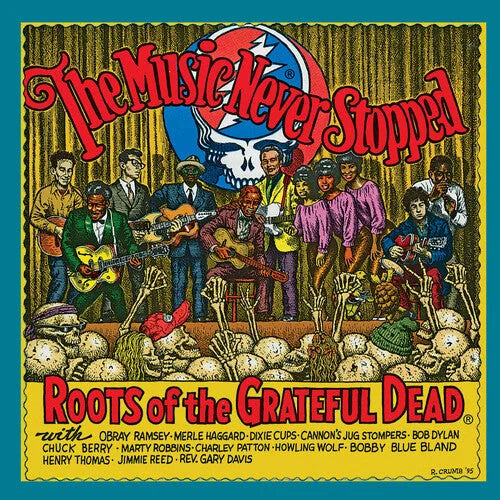
![The Grateful Dead - The Music Never Stopped [6LP Box Set]](http://vinyl.com/cdn/shop/files/The_Grateful_Dead-The_Music_Never_Stopped__6LP_Box_Set.jpg?v=1747729623&width=5760)
![The Grateful Dead - Madison Square Garden, New York, NY 3/9/81 (2023 Rocktober Edition) [5LP Box Set]](http://vinyl.com/cdn/shop/files/gratefuldead_2.png?v=1768197509&width=5760)

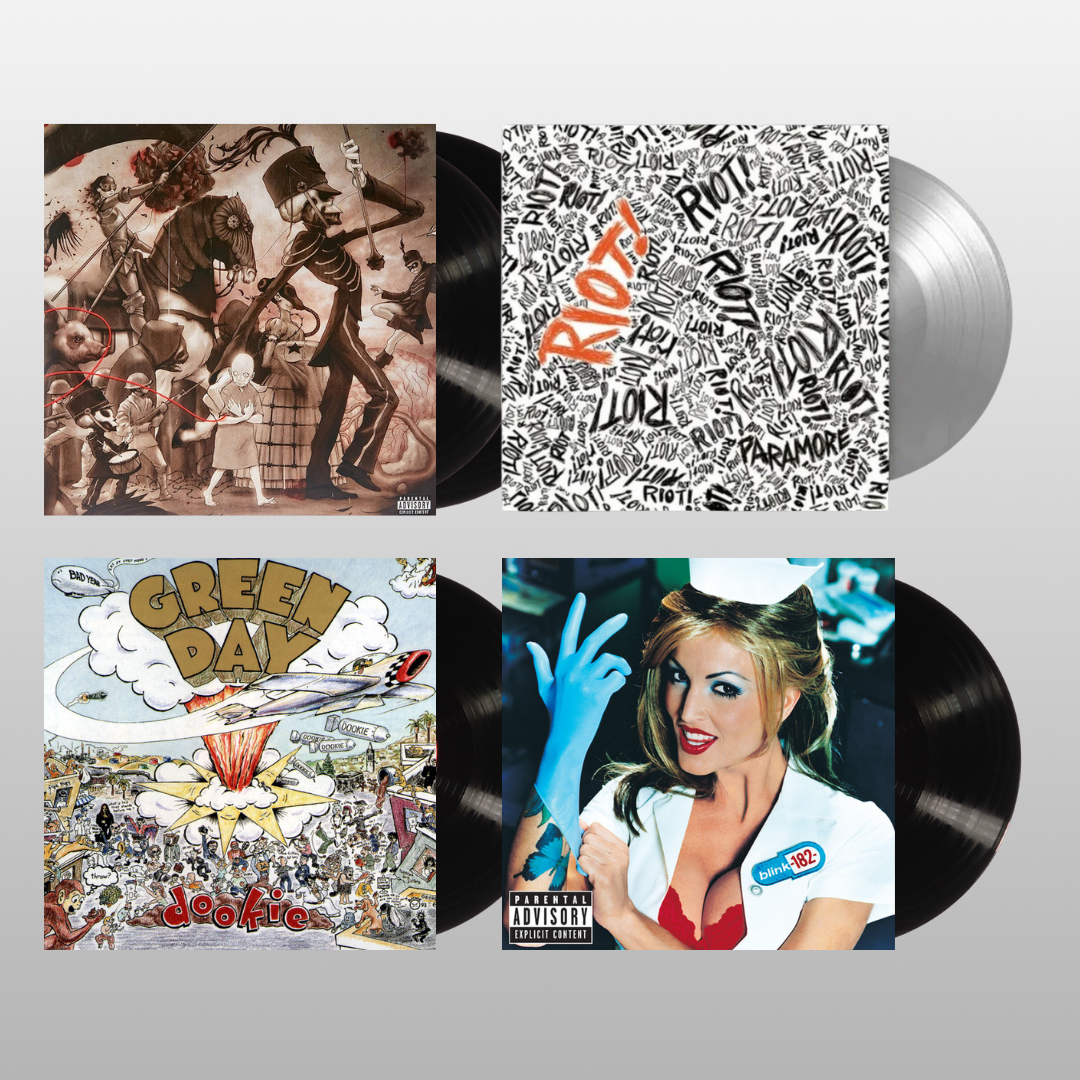
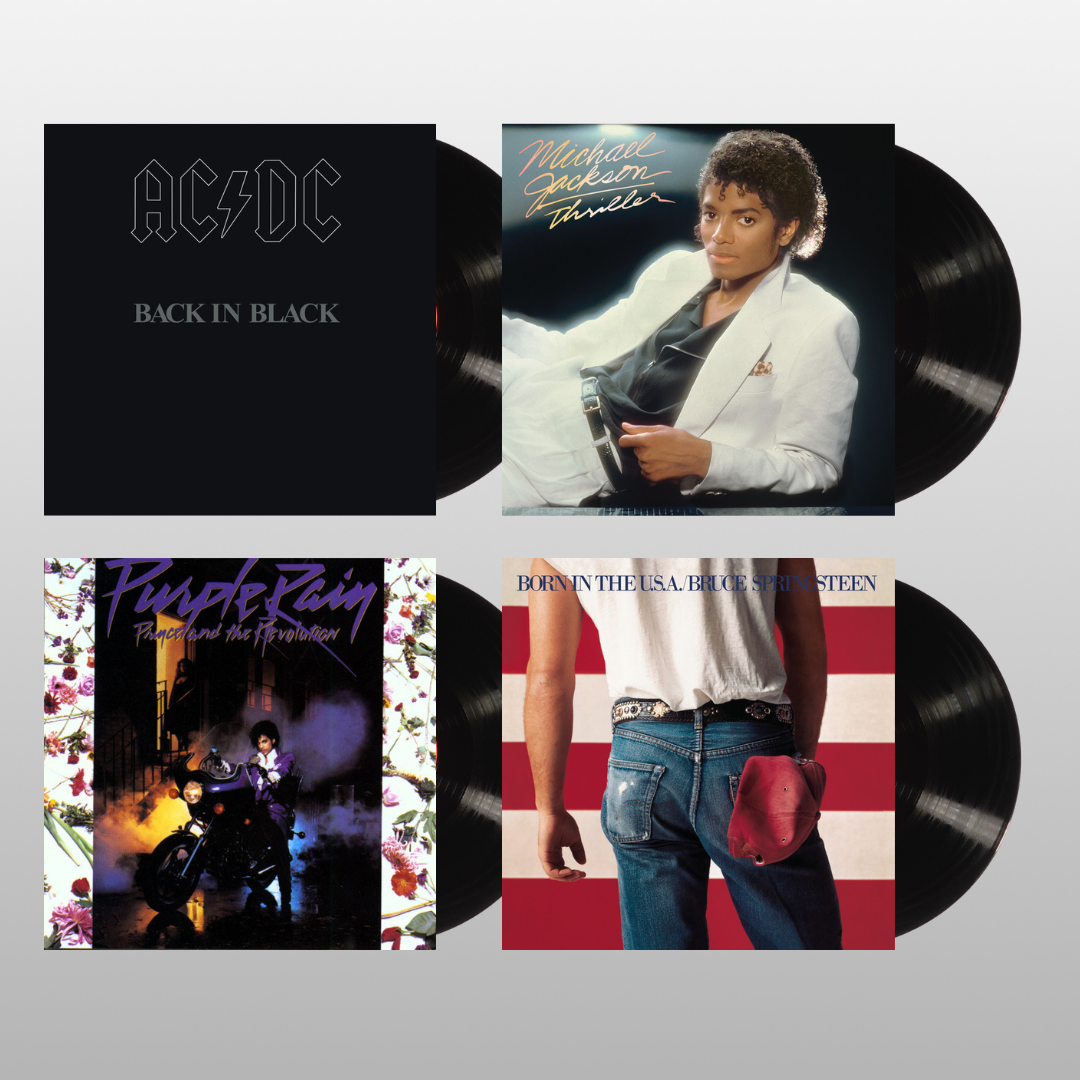
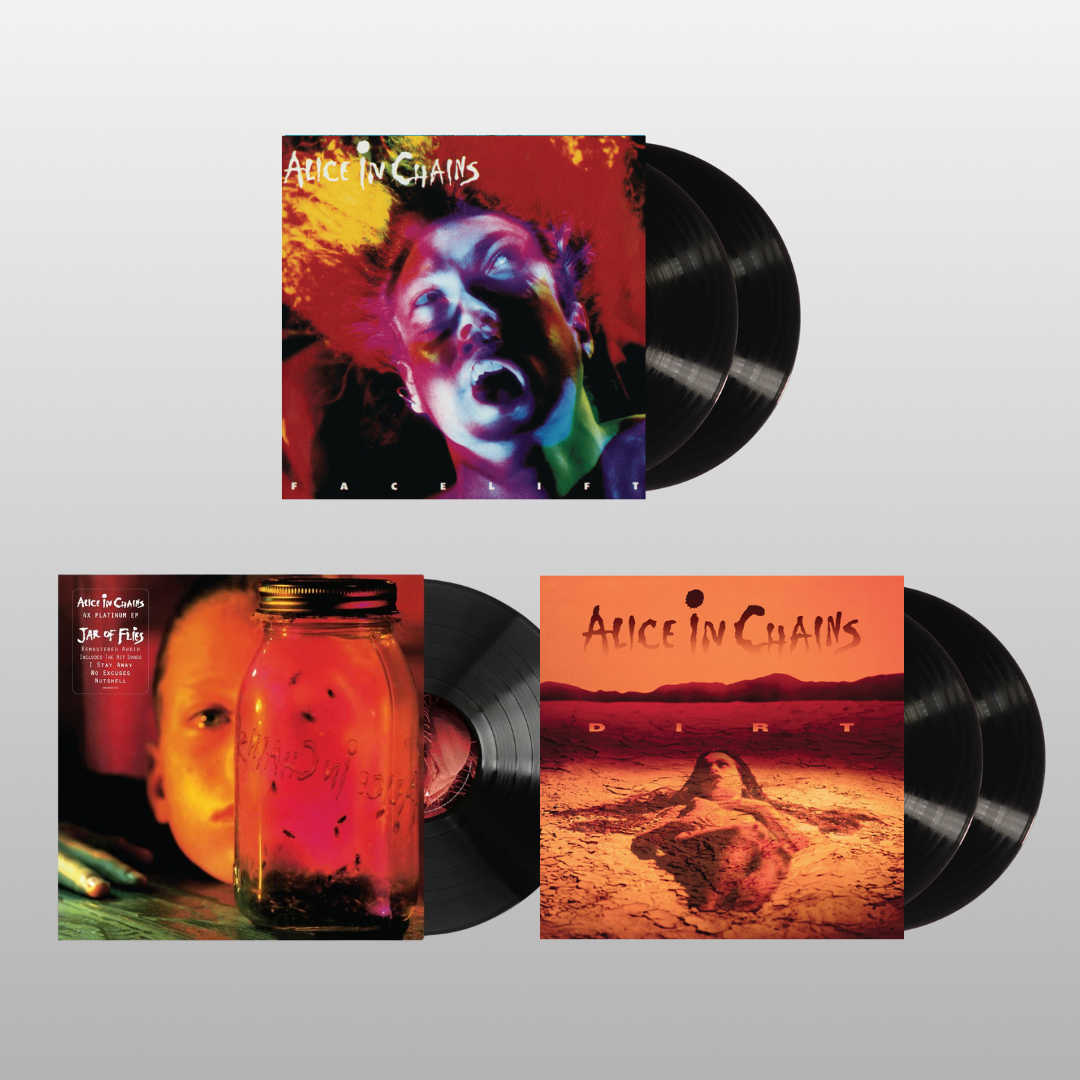
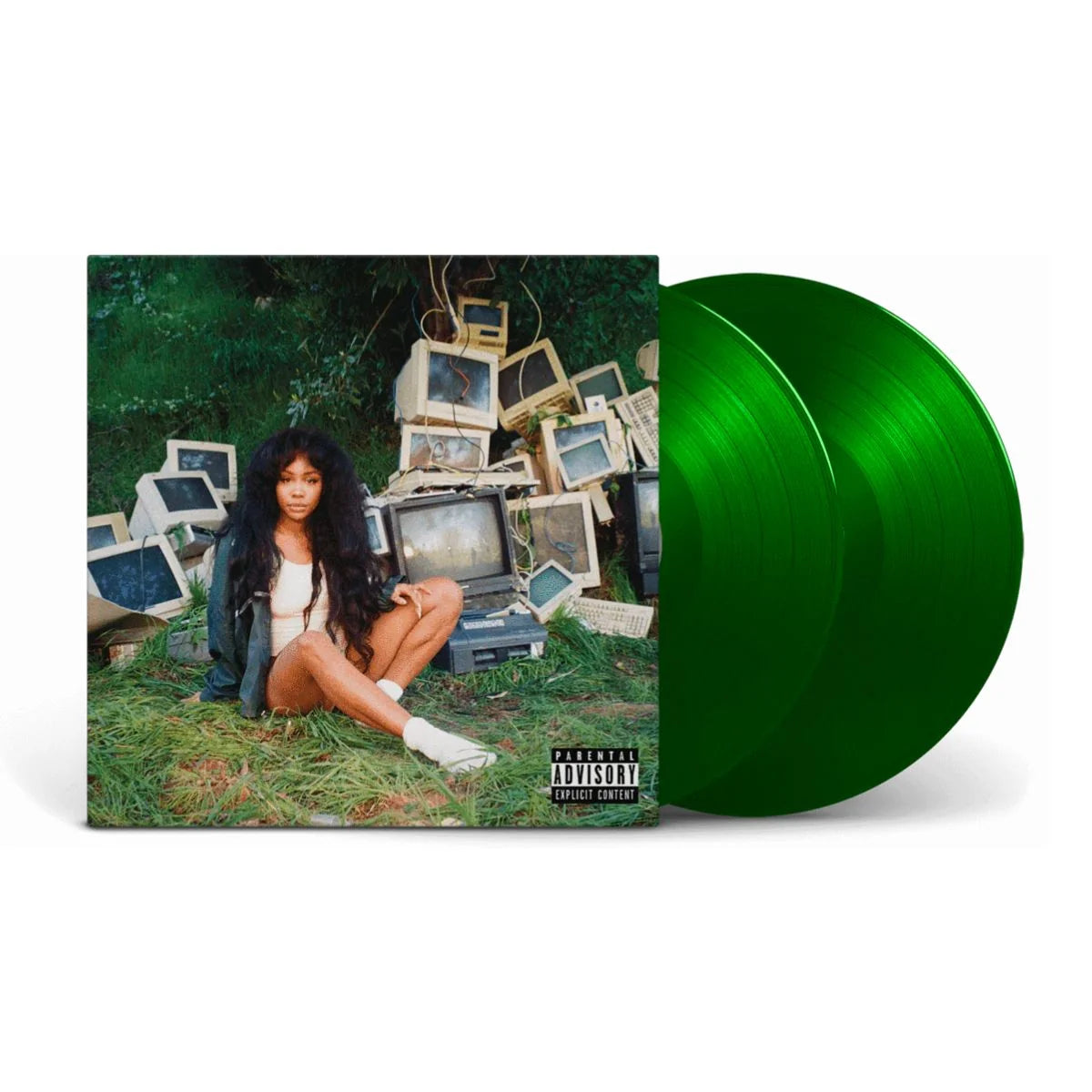
![Mac Miller - Swimming [2LP]](http://vinyl.com/cdn/shop/files/MacMiller-Swimming_2LP.png?v=1776241230&width=5760)
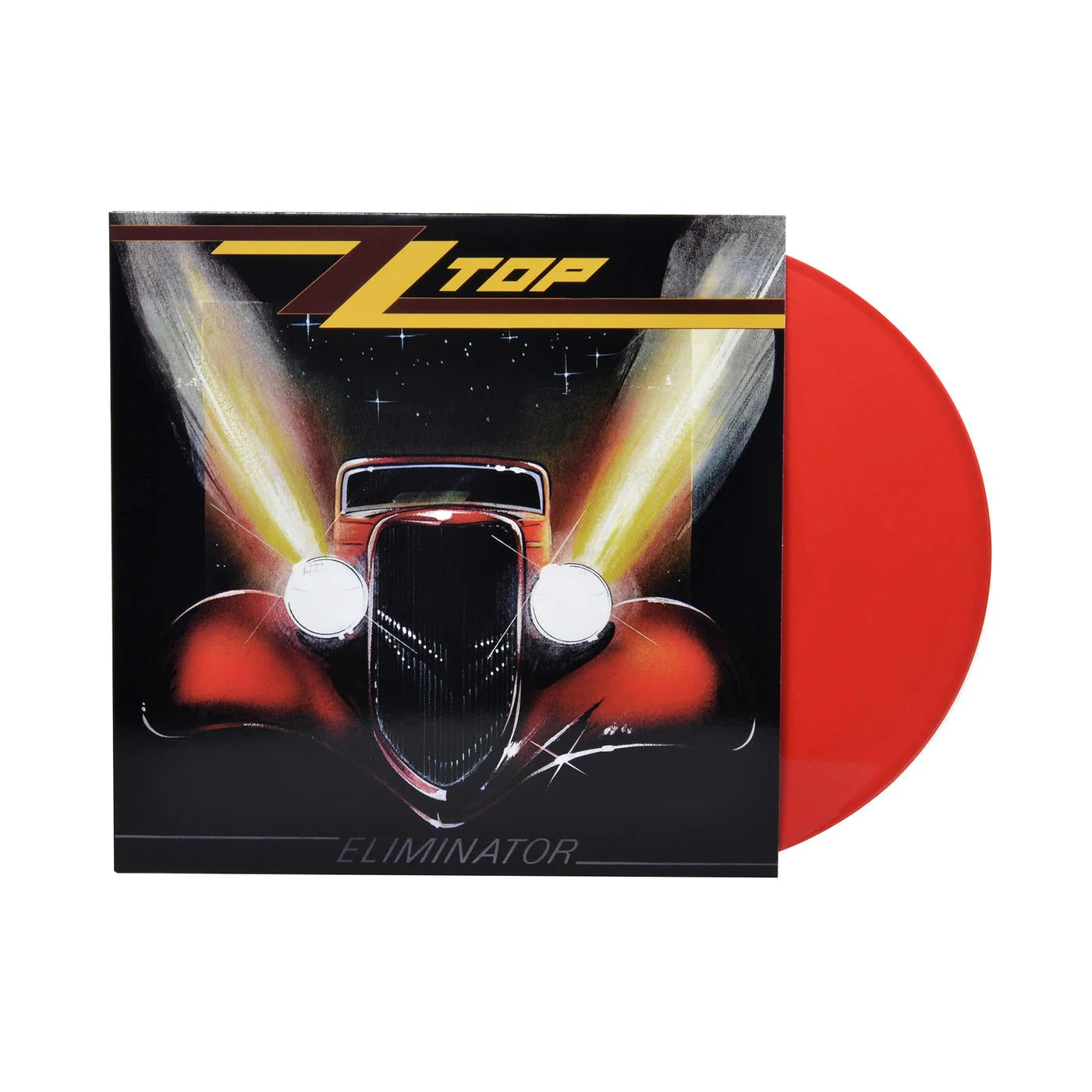
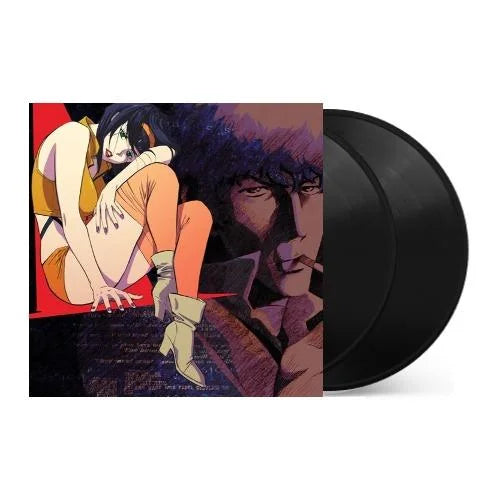

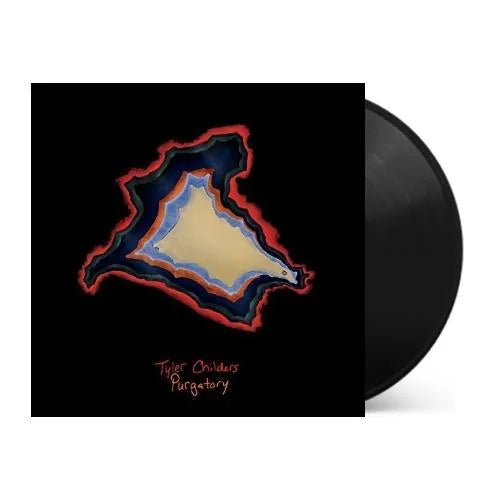
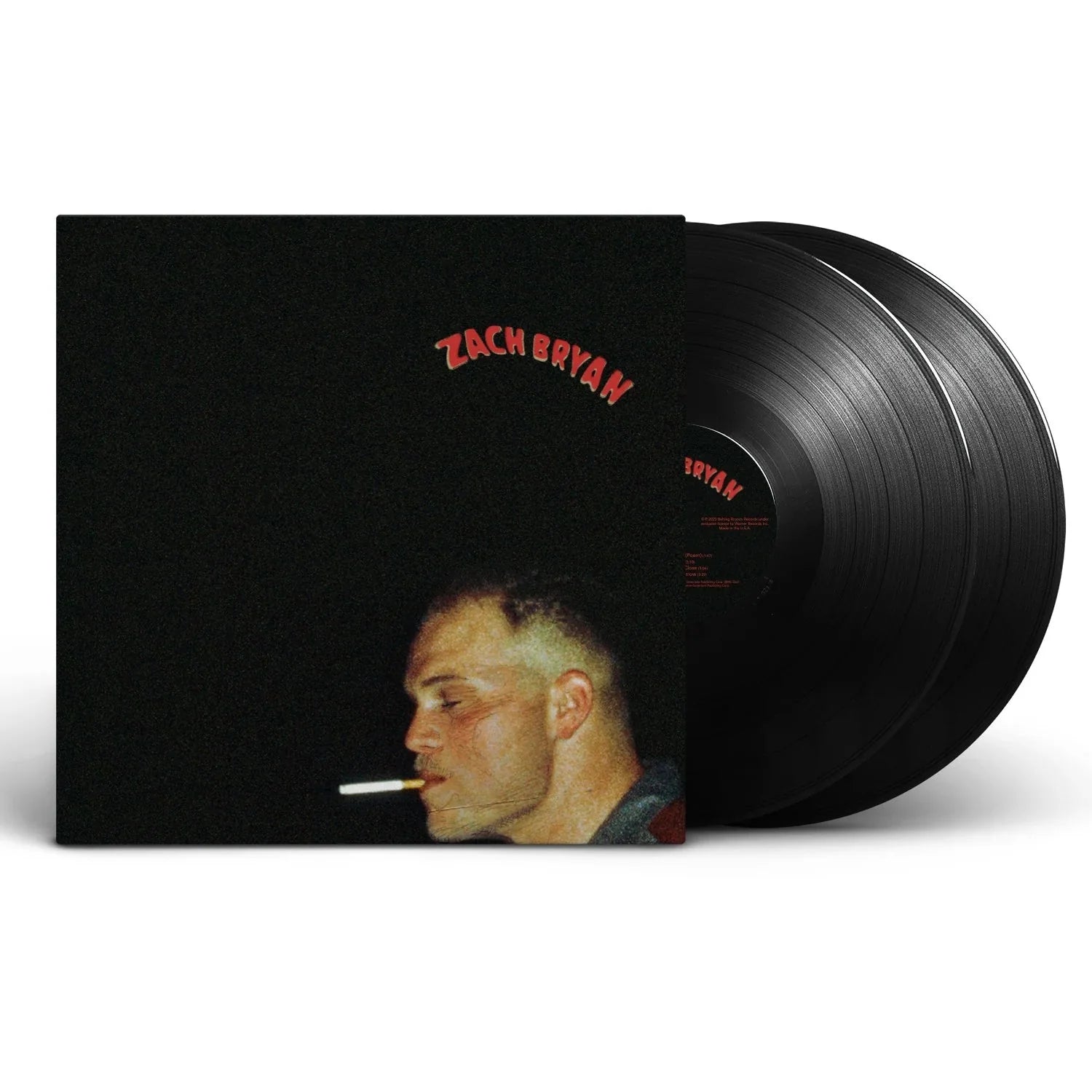
![Zach Bryan - American Heartbreak [3LP]](http://vinyl.com/cdn/shop/files/Zach_Bryan-American_Heartbreak_3LP.webp?v=1764838852&width=5760)


![Sade - The Best Of Sade [2LP]](http://vinyl.com/cdn/shop/files/Sade-TheBestOfSade_2LP.png?v=1785118550&width=5760)
![Miles Davis - Kind of Blue [180-gram]](http://vinyl.com/cdn/shop/files/Y4LPMD03.webp?v=1742198237&width=5760)

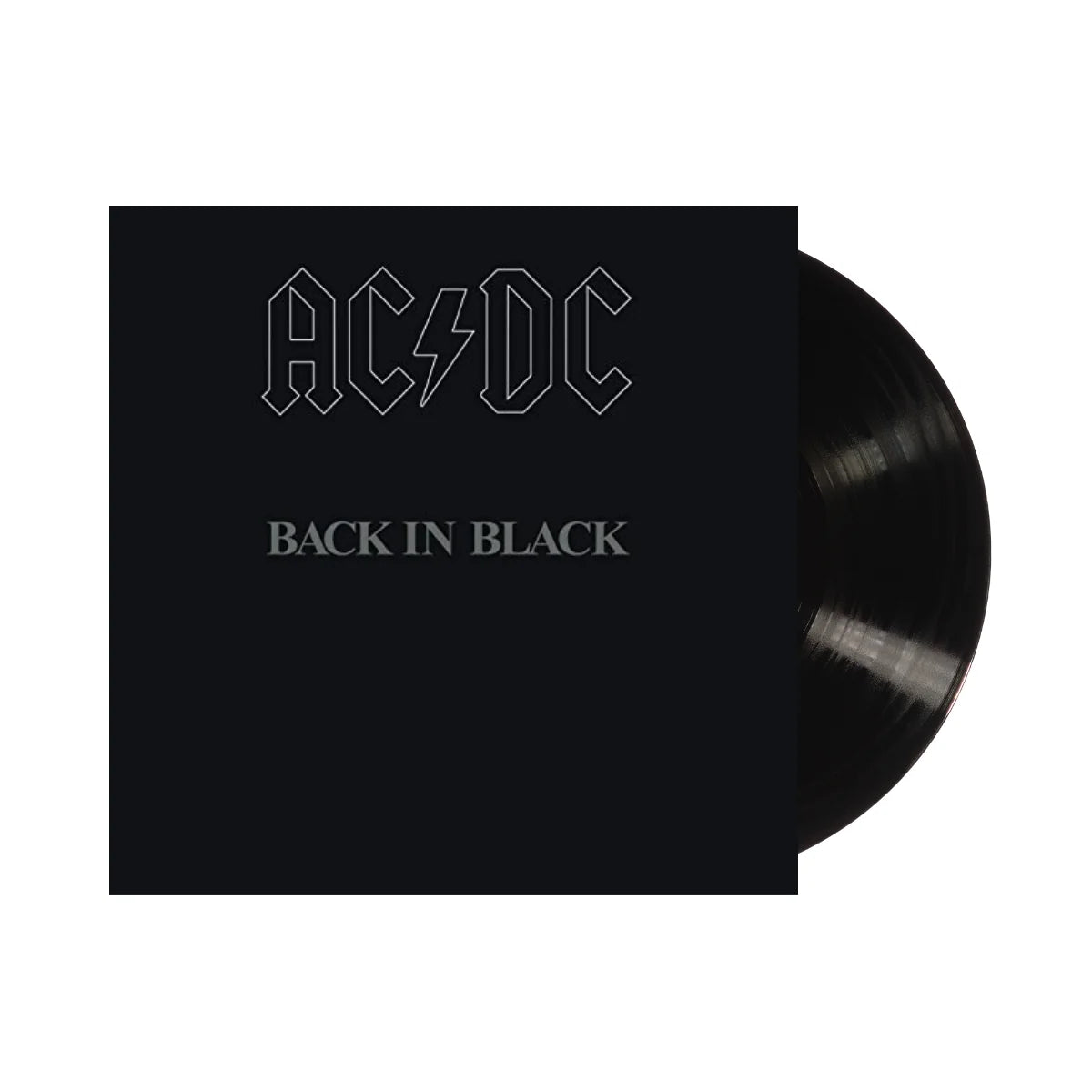
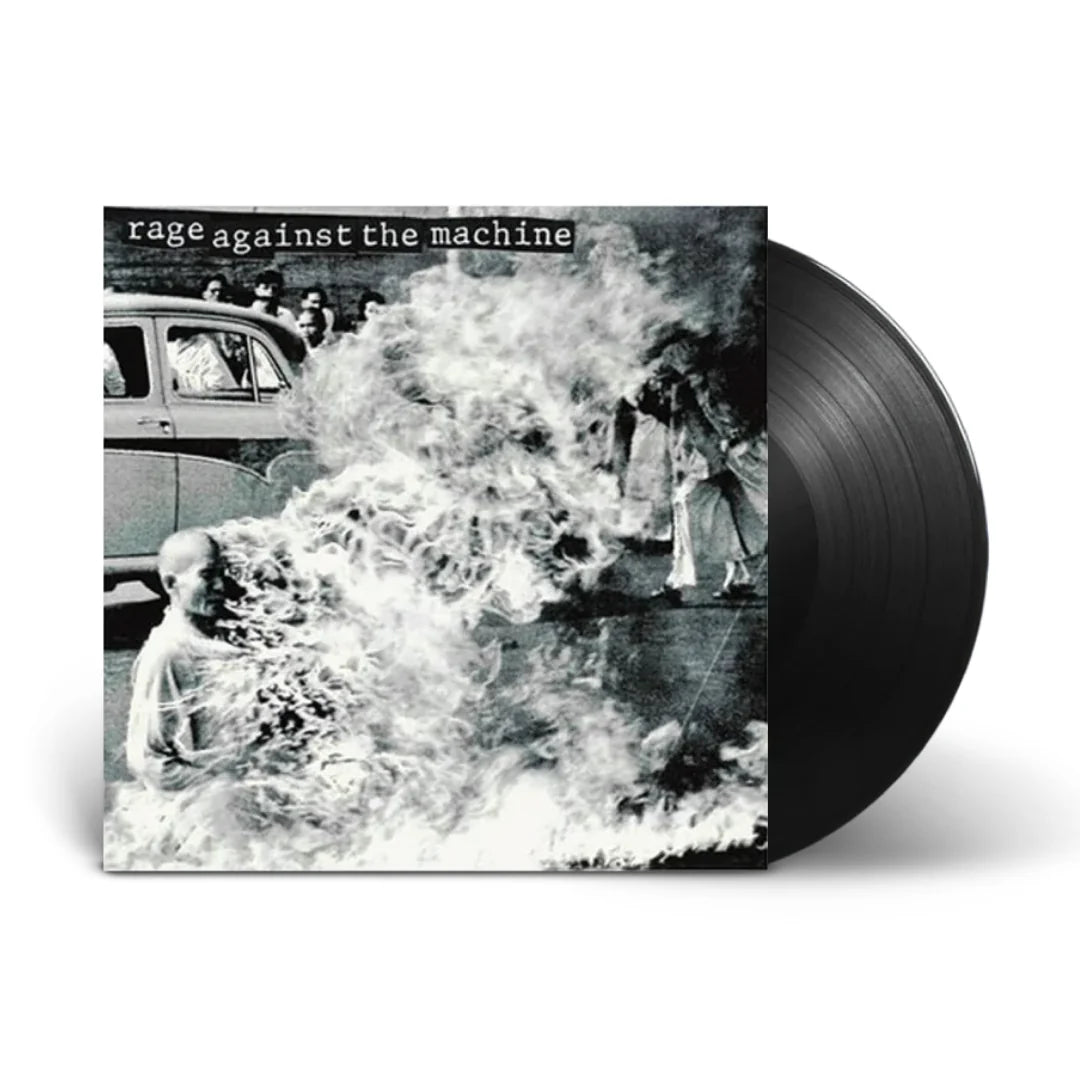
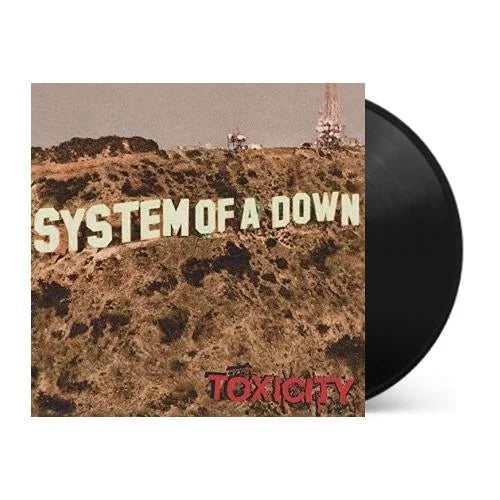
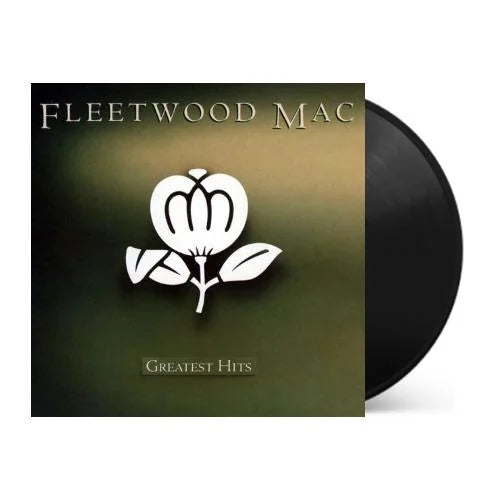
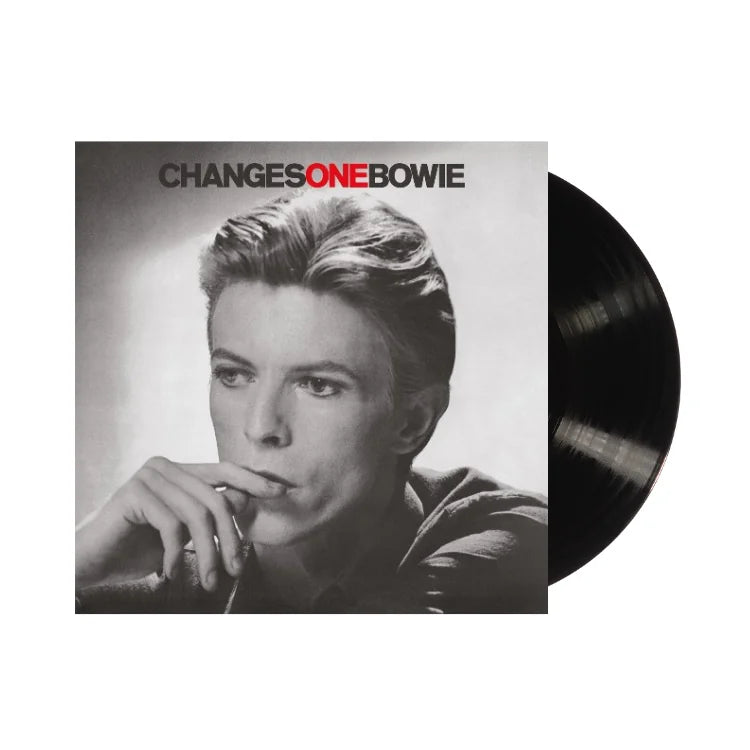
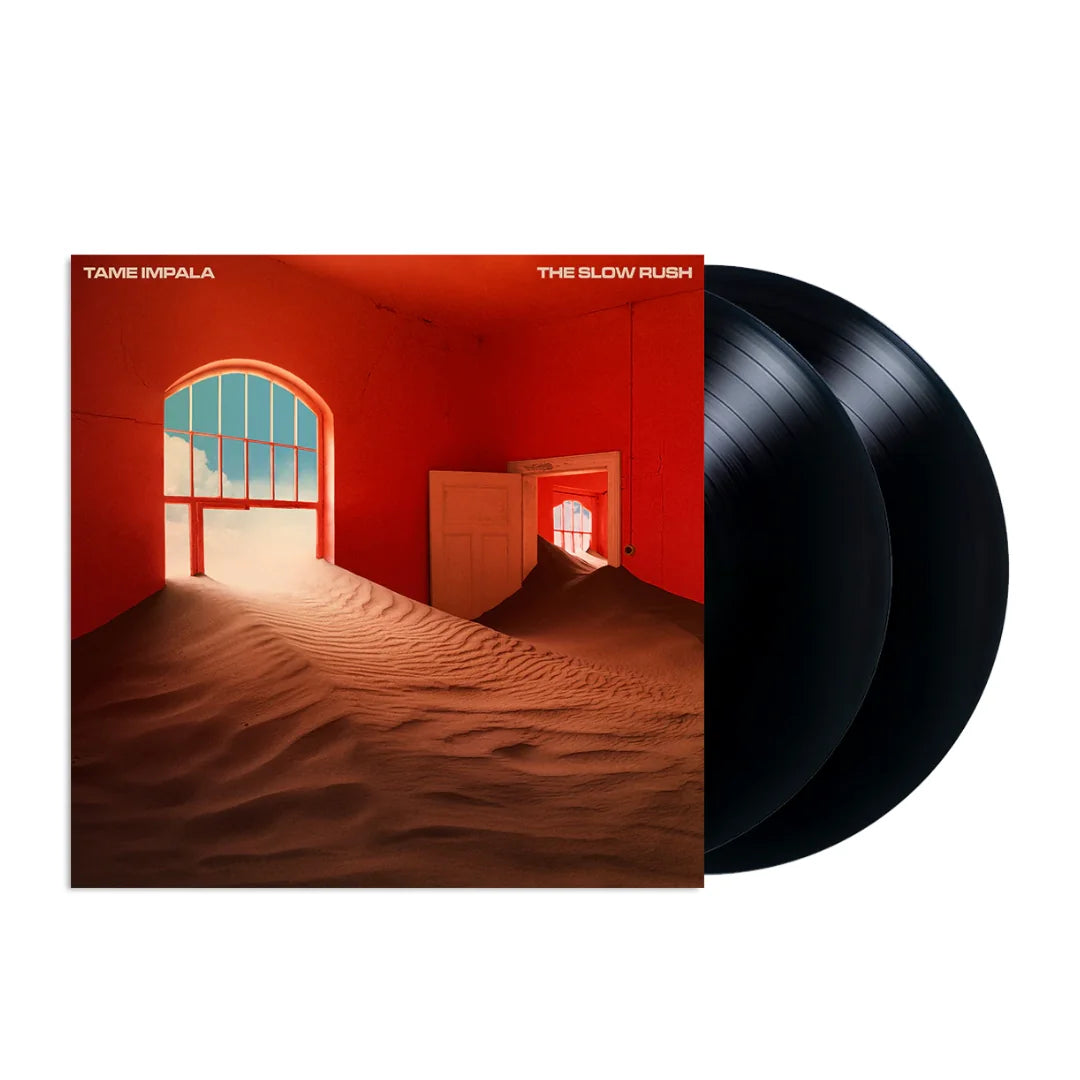
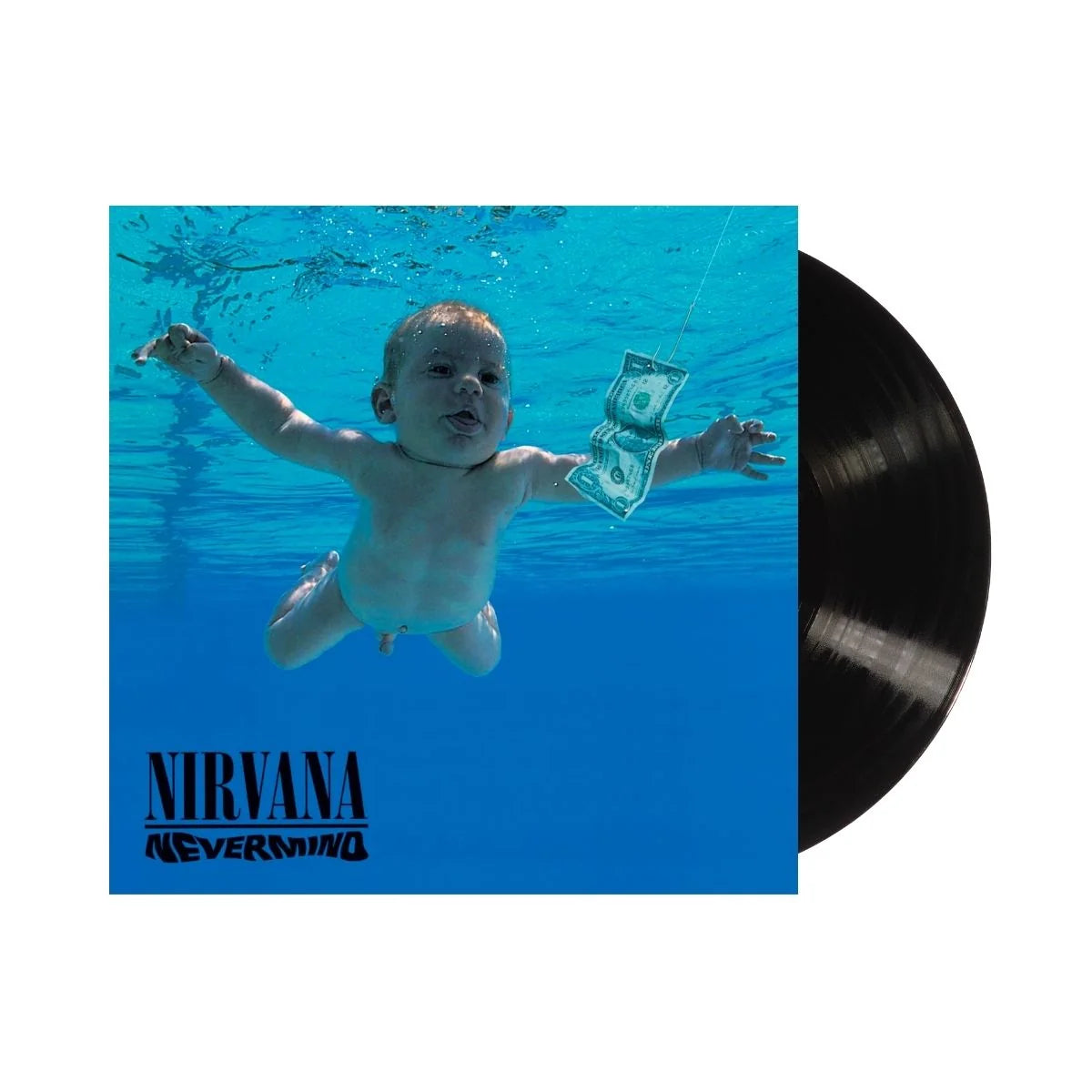
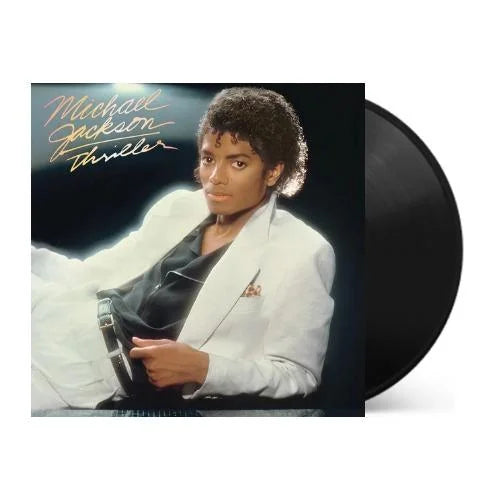

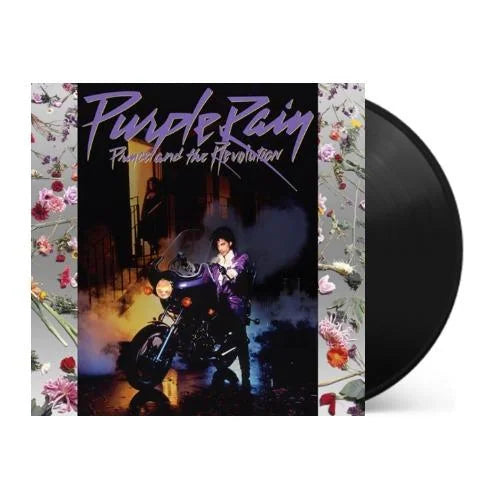

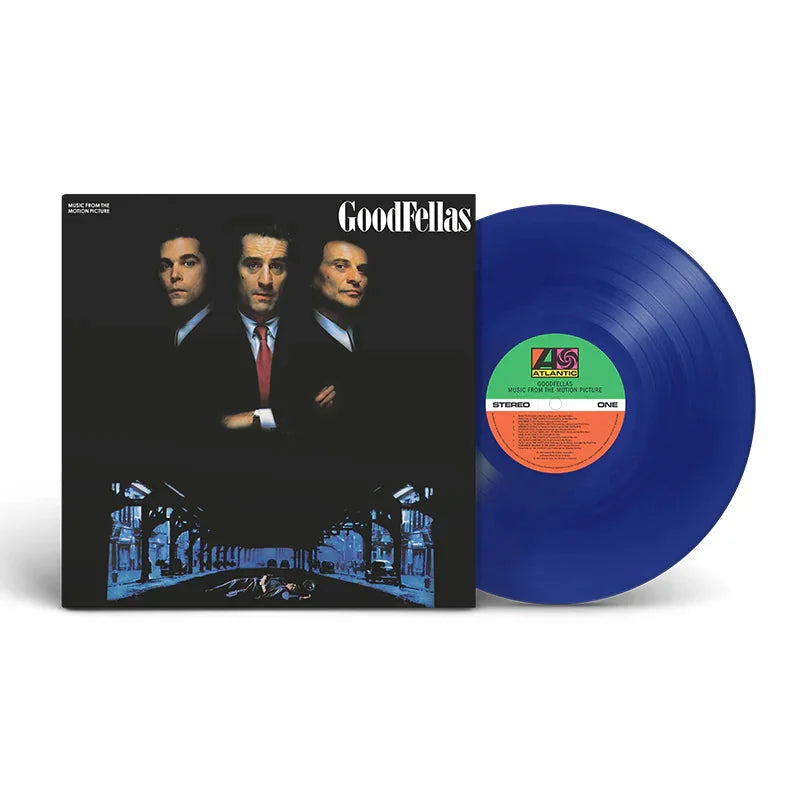



The golden age of vinyl was a time when music was more than just sound—it was a full experience. People would gather around record players to listen to their favorite albums from start to finish. This era created the foundation for what we now know as vinyl record culture. The feel of pulling a record from its sleeve and placing it carefully on the turntable became a ritual for music lovers. Today, that sense of ceremony is alive again, as more people rediscover vinyl's unique ability to create emotional connections with music.
The Legacy of Classic Vinyl Albums Across Generations
Soulful Beginnings
The Motown era brought a powerful energy to vinyl collections everywhere. With its smooth melodies and heartfelt lyrics, Motown created timeless records that have become treasures for collectors. Many fans consider Motown releases to be some of the best vinyl records ever made. Songs by artists like Marvin Gaye and The Supremes still echo in homes that celebrate music history. Collectors prize these records not only for their sound but also for their vibrant album art and historical value. This soulful foundation continues to inspire new generations of vinyl lovers.
Rock Anthems and the Rise of Top Vinyl Records
During the rise of rock music, vinyl records became a symbol of youthful rebellion and freedom. Legendary bands like Led Zeppelin and The Rolling Stones released albums that quickly turned into top vinyl records sought after by fans and collectors alike. These rock anthems captured the spirit of their time, blending powerful lyrics with unforgettable guitar riffs. For many collectors, owning these iconic records is like holding a piece of music history in their hands. The energy of classic rock continues to fuel passion for vinyl across all age groups.
Timeless Treasures
Exploring old record stores and flea markets often reveals hidden gems from the past. Vintage vinyl records offer a chance to experience music as it was originally intended, complete with rich tones and authentic textures. From rare jazz recordings to forgotten folk albums, these finds provide a direct link to bygone eras. Each record tells a story, both through the music and the wear of the vinyl itself.

Must-Have Classic Albums for Every Collection
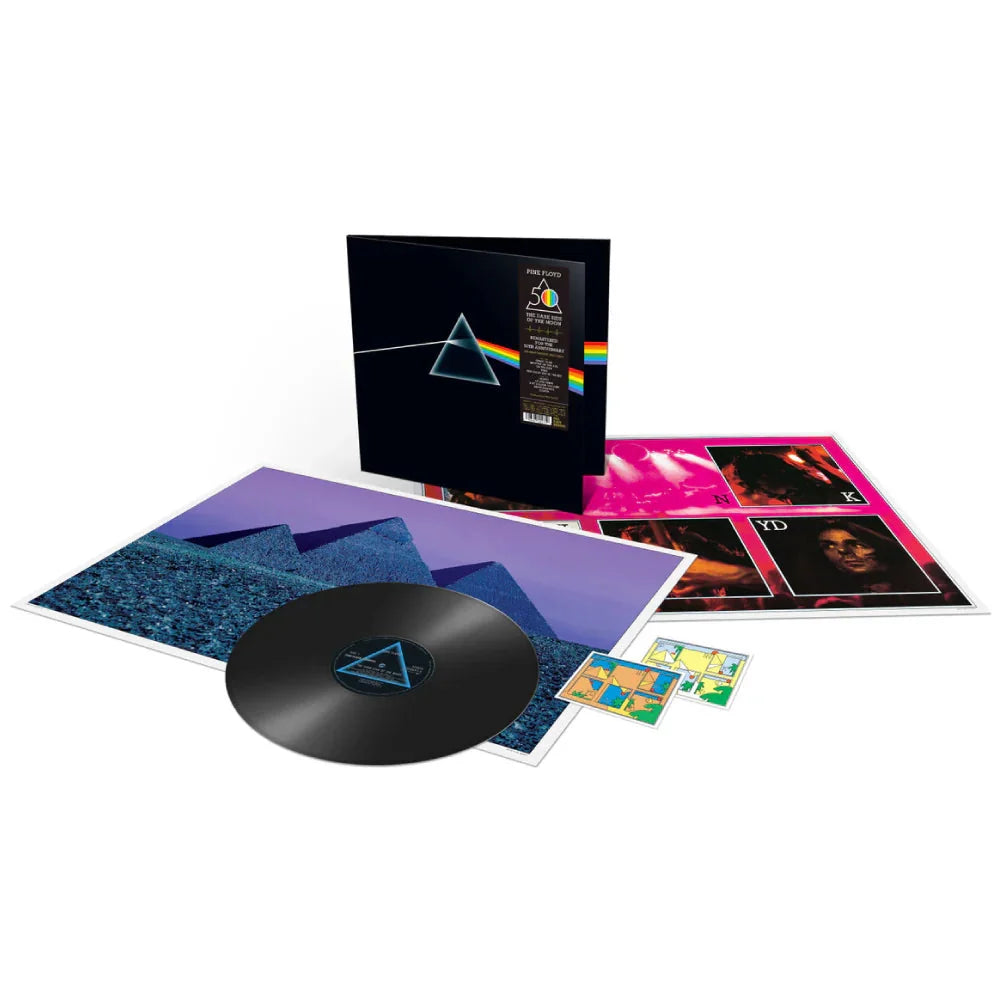
No serious vinyl library is complete without a few essential records that define entire genres. Adding classic vinyl albums like Fleetwood Mac’s Rumours or Pink Floyd’s The Dark Side of the Moon brings both prestige and pleasure to any collection. These albums are celebrated for their outstanding production, memorable melodies, and cultural impact. They serve as a foundation for building a rich and diverse vinyl library. Whether you are just starting out or expanding your shelves, these timeless albums are must-haves that never lose their charm.
Vinyl Record Collecting Tips for a Balanced Music Library
Building a Classic Records Collection Across Genres
A well-rounded vinyl library reflects a wide range of sounds and stories. Modern music trends mean reaching across genres like rock, soul, jazz, and even early hip-hop to create a rich listening experience. Each genre brings unique emotions and styles to your shelf, helping you appreciate different musical eras and cultures. By mixing upbeat tracks with slower, thoughtful ones, you create a versatile collection ready for any mood or moment. Walking through rows of albums can lead to spontaneous finds you might never stumble upon online. However, many collectors also turn to online platforms to hunt for essential vinyl albums that may be rare or out-of-print. Websites specializing in vinyl often feature curated selections and expert recommendations.
Evaluating Vinyl Prices
Understanding vinyl record prices is important if you want your collection to grow in both size and value. Some records are priced affordably for casual enjoyment, while others have appreciated in value to become high-value collectibles. Factors such as an artist's fame, first pressings, limited editions, and condition significantly influence a record’s price. Researching average sale prices on auction sites or collector forums can help you avoid overpaying.
Tips for Sourcing Rare Vintage Record Albums
Every collector knows the satisfaction that comes from discovering a hidden gem to add to their growing vinyl library. Here are key strategies:
- Visit Independent Record Stores: Smaller shops are where many hidden treasures live. These stores frequently receive donations or collections from locals who may not realize the value of what they are giving up. Because these stores are less traveled, rare records might stay on the shelves longer, giving you a better chance to find something extraordinary. Independent stores also tend to have more knowledgeable staff who are passionate about music and can guide you to rare finds you might otherwise overlook. Many of these shops have back rooms, bargain bins, or attic sales where rare albums might be tucked away. Taking the time to talk to the owners or staff could lead to even more opportunities; they may even notify you when new vintage stock comes in.
- Join Online Collector Communities: The internet has made it much easier for collectors to connect and share information, and online communities are one of the most powerful tools you can use. Collector forums, vinyl-focused Facebook groups, and niche Discord servers provide direct access to people who are just as passionate about rare records as you are. Members often share information about private sales, upcoming auctions, and new finds before they are publicly available. Some collectors even sell albums directly within these groups, avoiding the competition you would face on public marketplaces. These communities can also offer valuable educational opportunities. You will learn how to identify counterfeits, distinguish between true first pressings and reproductions, and assess the condition of records accurately. Engaging actively by asking questions, contributing insights, and showing genuine interest can build your reputation within the group. Trust often leads to better deals and insider opportunities. In many cases, a post asking for a specific rare album can lead to a response from someone who has exactly what you're looking for. Keep in mind that different communities cater to different genres, eras, or levels of rarity, so it is a good idea to join several to broaden your reach.
- Attend Vinyl Record Fairs and Festivals: Unlike browsing one store at a time, these events bring dozens or even hundreds of sellers into one location. This concentration of vendors allows you to see an enormous variety of records in just a few hours. Many dealers specialize in rare and collectible albums and are willing to negotiate prices, especially for serious buyers. You can also find sellers who are clearing out old stock at discounted prices, offering a chance to discover rare albums for a bargain. Additionally, fairs often attract collectors who are willing to trade rather than sell, giving you the chance to exchange records from your collection. Because so many collectors attend, you can also build valuable connections that may help you source future finds.
- Set Up Alerts on Auction Sites: When a record that matches your search terms is listed, you will get an instant notification, giving you a head start on placing a bid or making an offer. Saved searches can be refined by album name, artist, pressing details, and even price range, helping you avoid sifting through irrelevant listings. Many rare records appear on auction sites for a limited time, and alerts ensure you never miss an opportunity. Auction platforms also offer advanced features, such as "watch lists" and "saved sellers," allowing you to monitor particular vendors known for offering rare inventory. Bidding strategies are important too; setting your maximum bid early or using sniper tools can give you an edge in competitive auctions. It's wise to research seller feedback carefully to avoid counterfeit or misrepresented items.
- Network with Other Collectors: Building relationships with other collectors can open doors to private sales, exclusive trades, and early notifications about rare records becoming available. When collectors trust you, they are more likely to offer you first pick from their duplicates or to recommend you to others within their circle. Conversations at fairs, local meetups, or online groups can naturally evolve into strong friendships based on shared passion. Many serious collectors eventually need to downsize their collections or make space for new acquisitions, creating opportunities for you to buy rare albums directly. Trading also becomes easier when you have built goodwill and trust, allowing you to exchange records that might otherwise be difficult to obtain.
With persistence and passion, your vinyl collection can grow into something truly extraordinary, filled with rare gems that tell a story as unique as your journey to find them.

How to Mix Vinyl with Modern Digital Sounds
Preparing Your Setup
Creating a setup that bridges classic vinyl and modern digital formats requires thoughtful planning. To properly learn how to mix vinyl, you need a:
- Turntable: Look for a model that offers a strong, consistent motor because stable rotation is critical for accurate playback. A solid tonearm reduces unwanted vibrations and helps maintain clear, steady sound. Adjustable settings, such as pitch control and anti-skate adjustments, allow you to fine-tune performance to match your mixing style. Some modern turntables also feature USB outputs or built-in preamps, which make it easier to integrate with digital systems. Durability is another important factor; a sturdy build ensures your turntable can handle the demands of frequent use, both at home and in live environments. You might also want to consider the platter weight, as heavier platters tend to offer better speed stability and fewer skips.
- Mixer: A dependable mixer serves as the central hub where your vinyl and digital signals come together. When choosing a mixer, prioritize models that offer durable faders, as they are subject to significant wear during performances. Smooth, responsive EQ controls let you adjust frequencies cleanly, allowing vinyl and digital tracks to blend naturally without clashing sounds. Crossfading features should feel fluid and responsive, making it easier to create smooth transitions between songs. Some mixers also include built-in effects, like filters and delays, which can add creative flair to your mixes. If you plan to integrate software like Serato or Traktor, make sure your mixer supports DVS (Digital Vinyl System) compatibility or offers MIDI controls. Pay attention to the number and type of inputs available, ensuring there are enough for your turntables, media players, and digital devices. A robust build quality will prevent issues during transport or heavy use at gigs. Look for features like cue mix controls, booth outputs, and balanced main outs, as they offer more flexibility and control over your live or recorded mixes.
- Audio Interface: To connect your analog and digital equipment while maintaining the best sound quality possible, you'll need an audio interface. A good interface ensures that vinyl signals entering your digital system remain clean, balanced, and free from unwanted noise. Look for interfaces with low-latency performance to minimize delay when working with digital software. High-quality preamps and converters make a huge difference, especially when capturing the rich, warm tones of vinyl. Choose an interface that offers multiple input and output options, so you can easily route turntables, mixers, and computers together without limitations. Compatibility with your preferred DJ software is critical; check that drivers and firmware updates are regularly supported by the manufacturer.
Building a setup that fits your style and technical needs lays the groundwork for smoother mixing sessions and better creative results.
Seamless Integration
Syncing beats between a vinyl track and a digital file can feel challenging at first, but it’s absolutely achievable with practice. Success comes from keen listening skills and mastering manual beat-matching. Unlike digital decks that offer a sync button, vinyl requires adjusting pitch controls and using your ear to line up tempos. To blend tracks effectively, start with simple beats and practice matching them by adjusting the platter speed and pitch slider.
Preserving Audio Fidelity When Mixing Formats
Every piece of equipment in your chain, from turntables to cables, impacts audio fidelity. It's important to use high-quality shielded cables to prevent interference and maintain signal purity. Ensure that your audio interface is capable of handling high-resolution recordings. Choosing lossless digital files whenever possible helps strike a balance between the warmth of vinyl and the crispness of digital sound. Protecting the original character of each format ensures that your mixes sound rich, full, and engaging to your audience.
Vinyl vs Streaming: Crafting a Multi-Sensory Listening Experience
The Ritual vs. the Convenience
Listening to vinyl is a tactile experience that engages more than just the ears. From selecting the album to gently placing the needle on the record, every action becomes part of a calming ritual. In contrast, streaming focuses on instant access, offering millions of songs with just a few taps.
Combining Playlists
Mixing classic vinyl songs with today’s hits can introduce surprising harmonies and moods. Curating playlists that blend older tracks with new releases also honors the deep roots of popular music. Vinyl recordings, with their rich textures, pair beautifully with the polished production of digital songs. This thoughtful combination opens up a wider emotional range, providing listeners with a fuller, more rewarding musical experience.
Creating Dynamic Playlists Using Popular Vinyl Genres
Jazz, Hip-Hop, and Synthwave
Blending different musical styles can give your playlists a fresh and exciting sound. Jazz, with its soulful improvisations, pairs surprisingly well with the beats and rhythms of modern hip-hop. Synthwave, inspired by retro sounds, adds a futuristic layer to the mix. Using popular vinyl albums to own like these creates a bridge between past and present, offering something familiar yet new. Exploring these combinations enables listeners to appreciate how musical influences transcend time. It also makes each playlist feel like a carefully crafted story that invites deeper engagement.
Using Alternative Rock
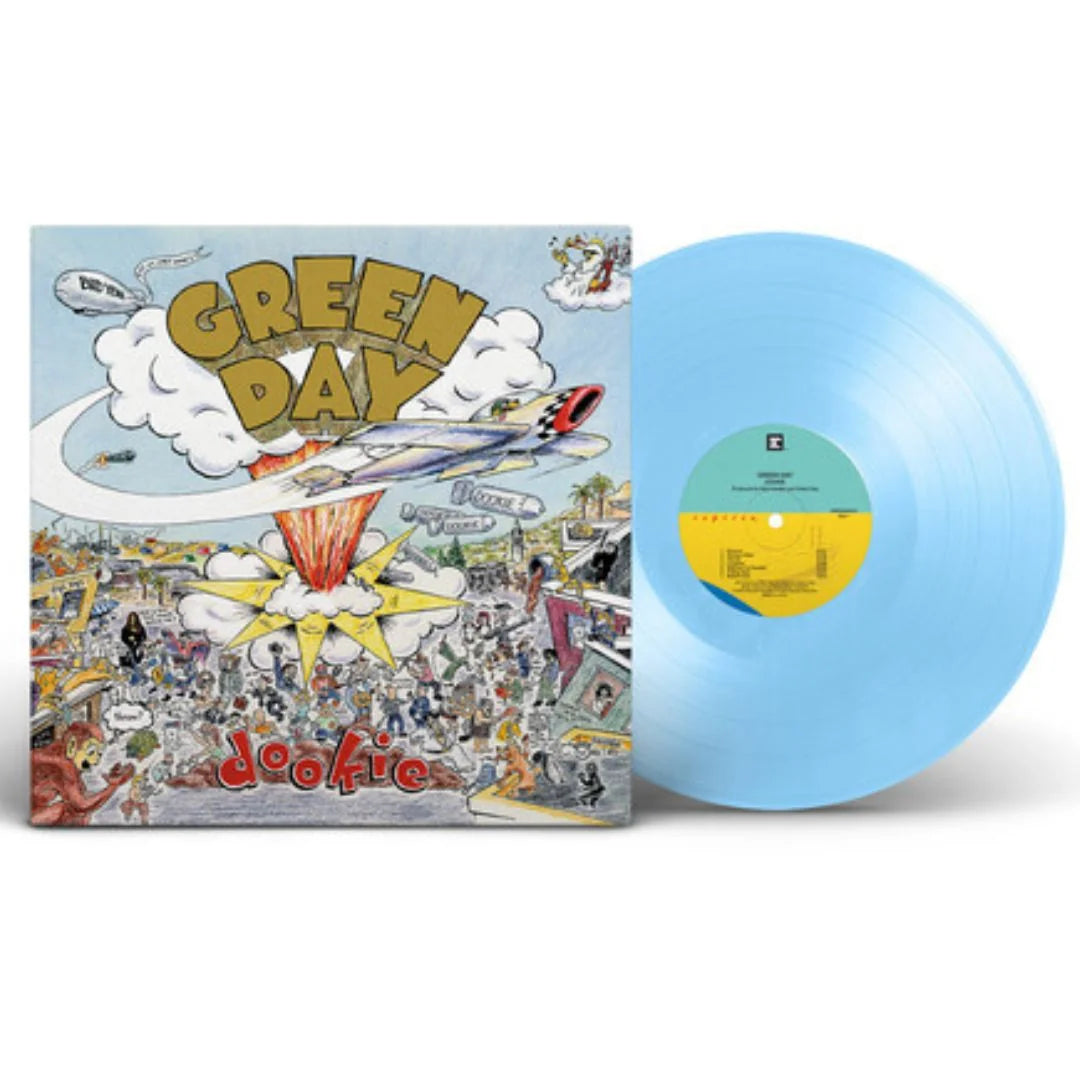
Alternative rock offers an emotional depth that easily ties different genres together. Whether you’re mixing old-school punk tracks or modern indie hits, alternative rock acts as a unifying thread. Its raw energy and often heartfelt lyrics create smooth transitions between vintage and newer sounds. Including alternative rock songs in your playlists strengthens the connection between diverse musical styles.

As music technology evolves, a new generation is discovering the magic of vinyl for the first time. Young collectors are diving into vinyl record stores, eager to find records that speak to their personal tastes and creative spirits. They blend traditional collecting with modern innovation, using digital tools to remix old sounds into new masterpieces. This fresh enthusiasm keeps vinyl vibrant and exciting.
