
![Mac Miller - Swimming [2LP]](http://vinyl.com/cdn/shop/files/MacMiller-Swimming_2LP.png?v=1776241230&width=5760)
![The Grateful Dead - The Music Never Stopped [6LP Box Set]](http://vinyl.com/cdn/shop/files/The_Grateful_Dead-The_Music_Never_Stopped__6LP_Box_Set.jpg?v=1747729623&width=5760)
![The Grateful Dead - Madison Square Garden, New York, NY 3/9/81 (2023 Rocktober Edition) [5LP Box Set]](http://vinyl.com/cdn/shop/files/gratefuldead_2.png?v=1768197509&width=5760)



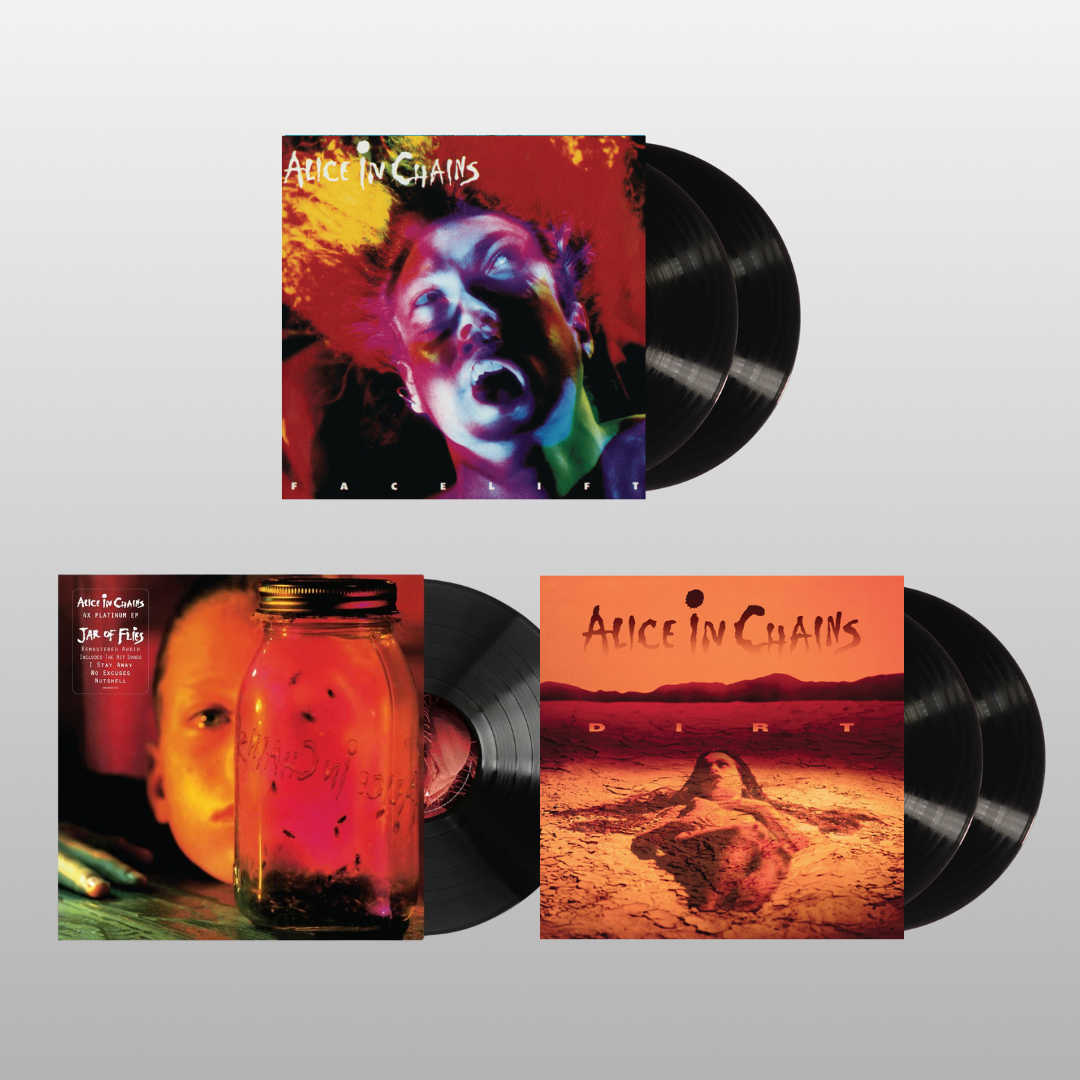


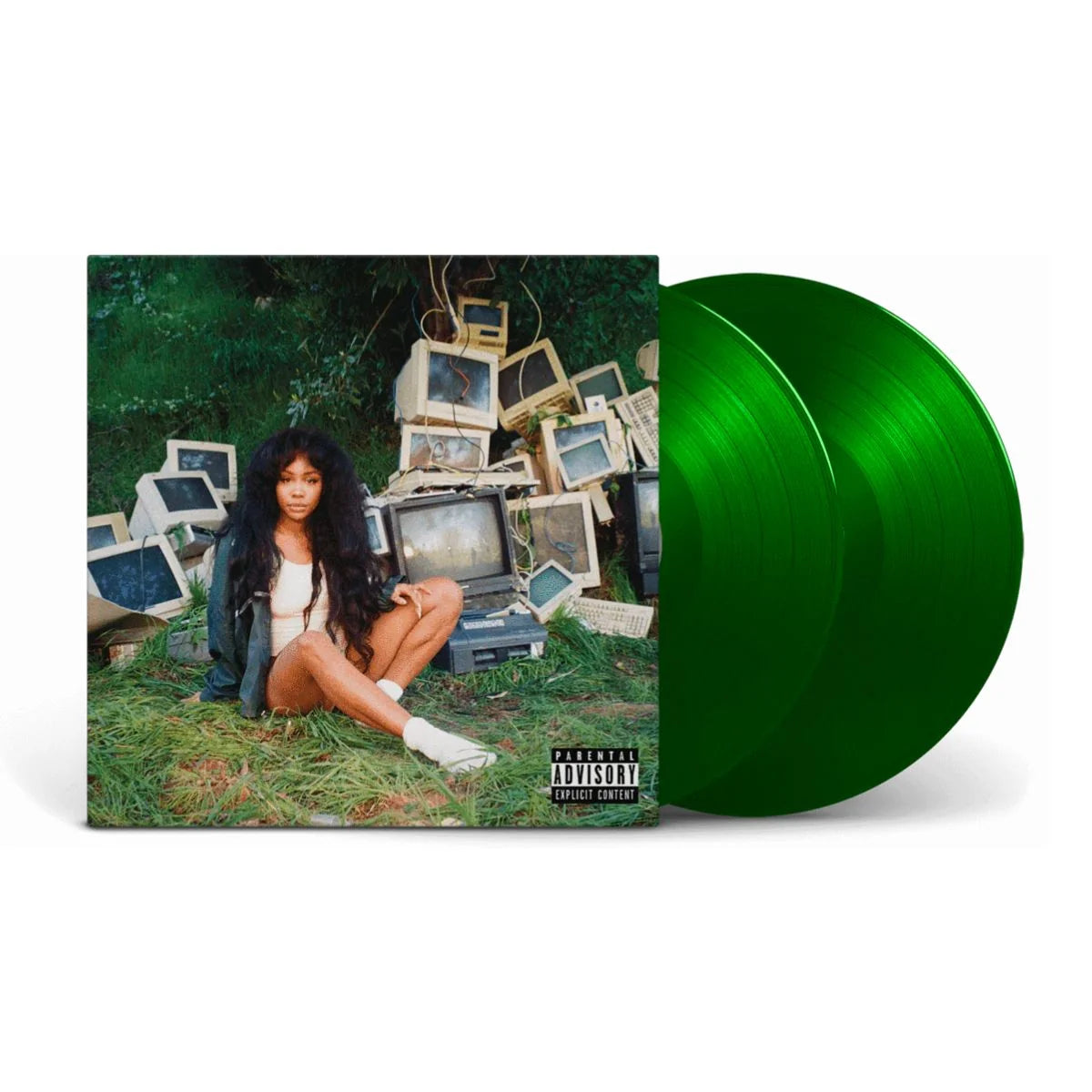
![Taylor Swift - folklore [2LP Beige]](http://vinyl.com/cdn/shop/files/477929-Product-0-I-637317959467683009_grande_a6f82db0-1cb7-45c5-8892-ed79af261e80.webp?v=1736750683&width=5760)


![Grateful Dead - Cornell 5/8/77 [3CD]](http://vinyl.com/cdn/shop/files/GratefulDead-Cornell5877.png?v=1741144913&width=5760)
![The Grateful Dead - Fare Thee Well [4CD/2BR]](http://vinyl.com/cdn/shop/files/Grateful-Dead-Fare-Thee-Well-4-CD-2-Blu-Ray_grande_6703c49a-8a15-4420-b67f-711e2a3f8541.webp?v=1768196620&width=5760)
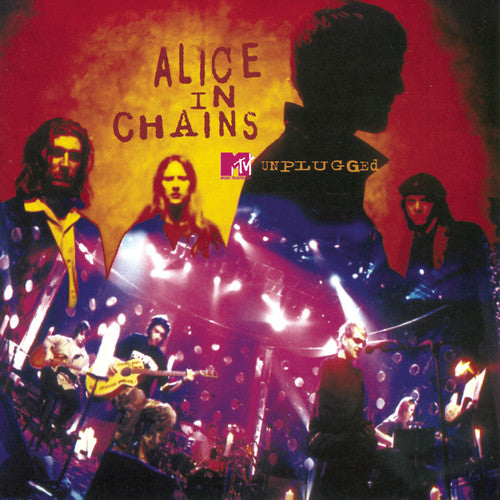
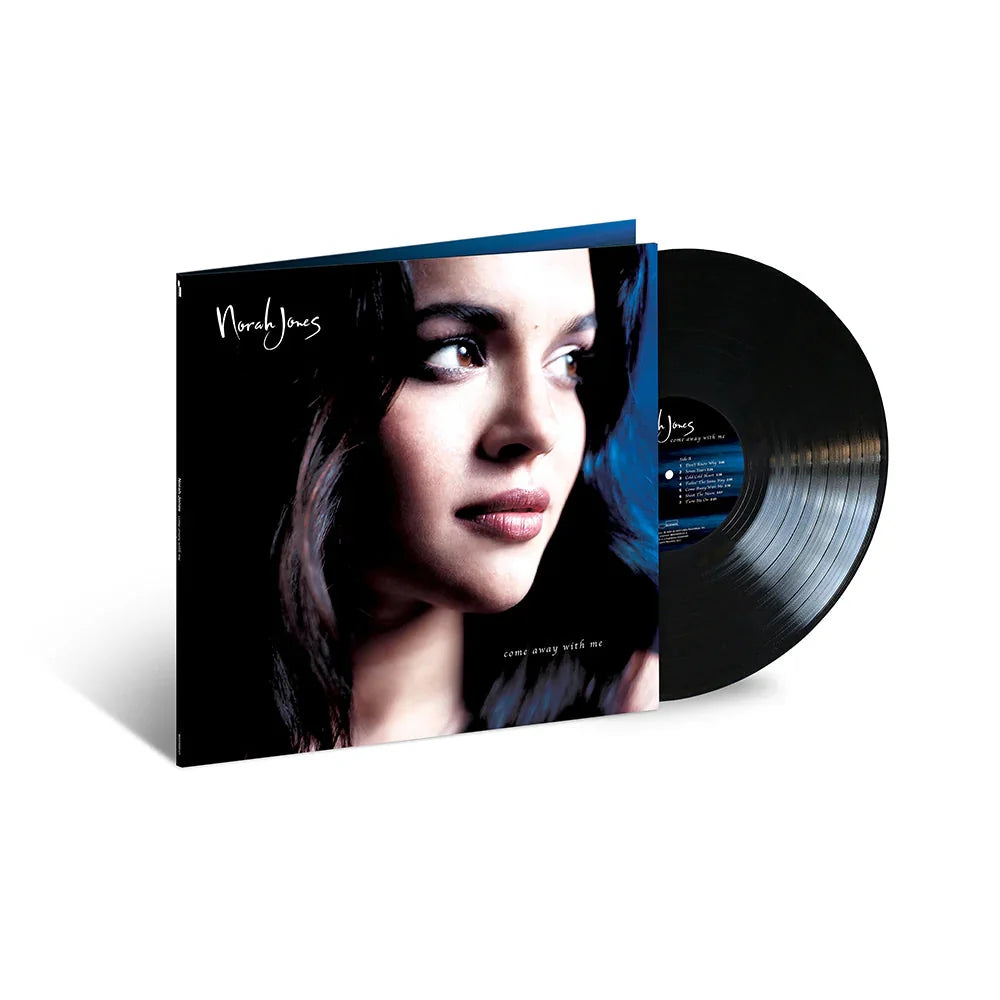
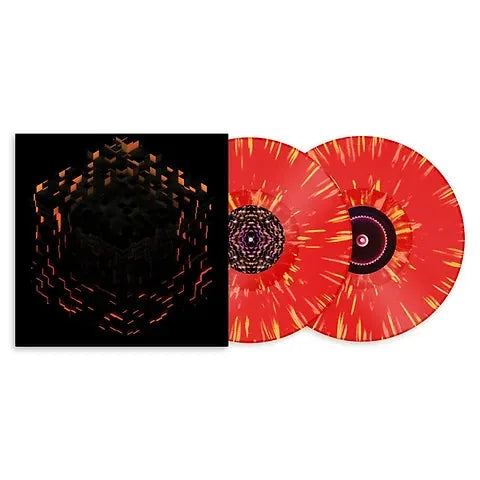

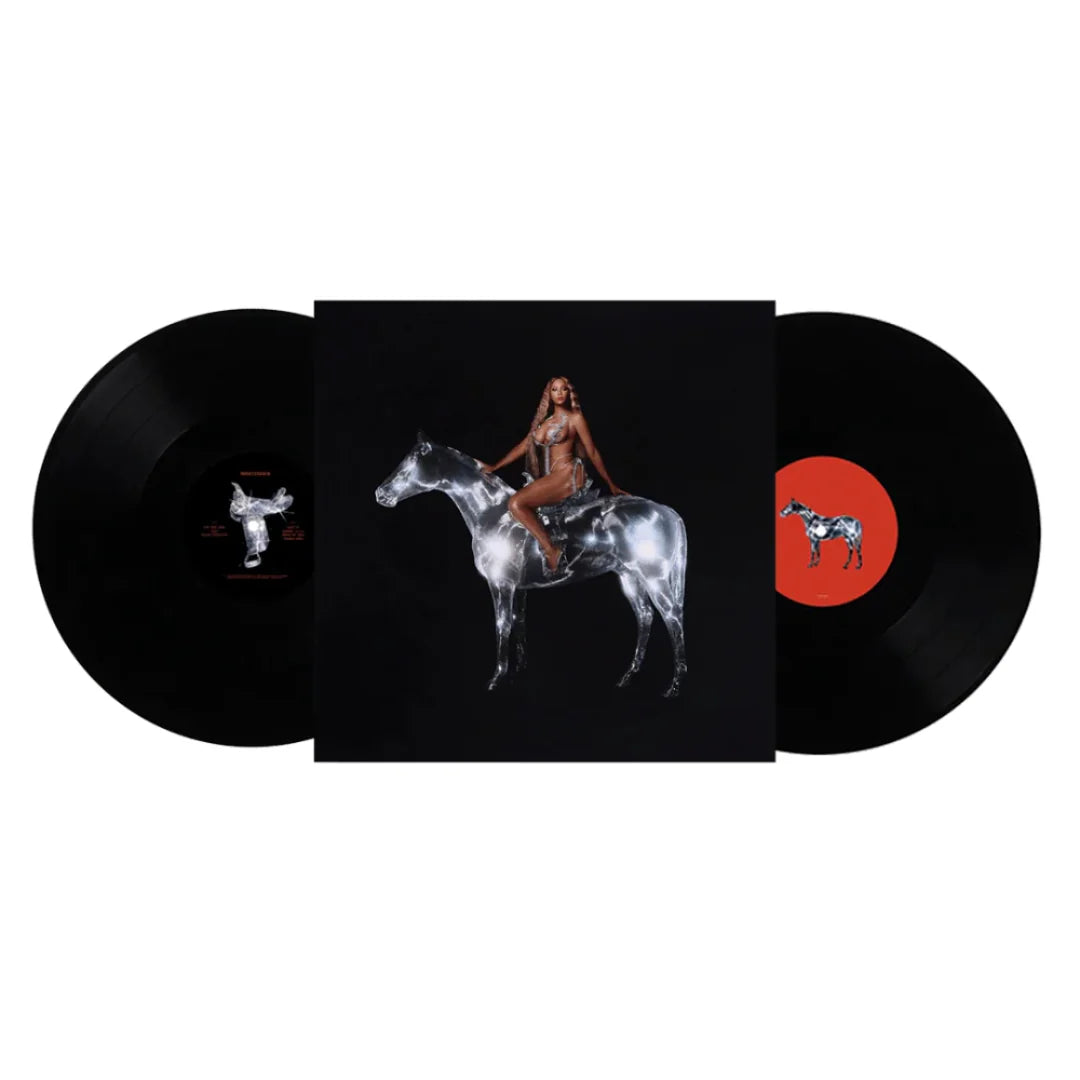
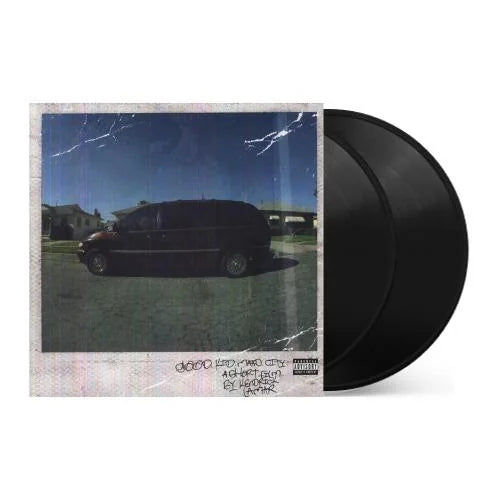
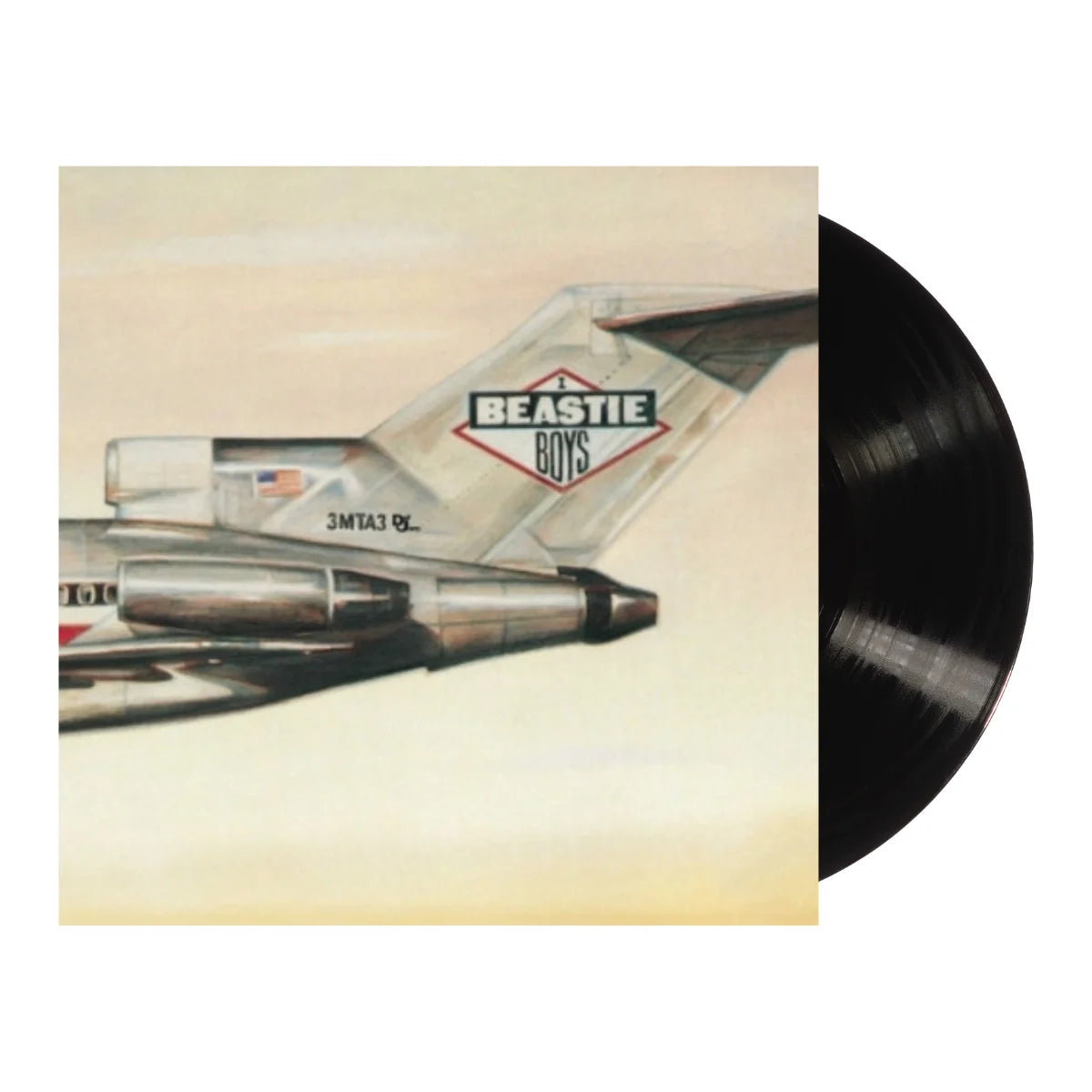
![Sade - The Best Of Sade [2LP]](http://vinyl.com/cdn/shop/files/Sade-TheBestOfSade_2LP.png?v=1785118550&width=5760)
![Miles Davis - Kind of Blue [180-gram]](http://vinyl.com/cdn/shop/files/Y4LPMD03.webp?v=1742198237&width=5760)







Dr. Orlando Owoh & His Young Kenneries Band - 180-Gram Black Vinyl Vinyl

-
 Professionally packed in vinyl mailers
-
 Authentic & factory sealed
-
 Free replacements for damaged records


A household name in Nigeria, Dr. Orlando Owoh enjoyed a durable popularity that has cut across generational lines in his home country and beyond. Leading groups such as the Omimah Band and the Young Kenneries, Owoh remained popular even as Nigerian tastes shifted to the newer Juju and Fuji styles! Before this transition, the hot style in Nigeria and Ghana was called Highlife. It developed from a traditional Yoruba genre called "palm wine music", overlaid with danceable guitar rhythms, and, in the hands of many musicians, it also contained a strong element of Trinidadian calypso. Owoh combined this aesthetic with a traditionalist spin on things to make his own brand of excellent sound. His story, like that of many musicians, is a progressive journey in which we can see his choice in musical trends shaping in response to the events in his life. He travelled far in the music world before his passing in 2008 and is remembered to this day even outside of his devoted Nigerian fans. Dr. Orlando Owoh left us with a musical legacy spanning over forty years and he became one of the leading proponents of highlife music with over 45 classic albums to his name, including many hit singles. Owoh played drums and sang with the Kola Ogunmola Theatre Group (one of the most prominent ensembles in the country) when Queen Elizabeth visited Ibadan, Nigeria, in 1956. Performing with several bands, Owoh realized that music in West Africa was developing in a new direction and started taking lessons on the electric guitar. Owoh notched several hits in Nigeria in the 1960s, but his career was slowed between 1967 and 1970 by the country's civil war. Owoh fought for the Nigerian government against the country's Biafran rebels. After the war he recorded a major hit called "Oriki Ilu Oke," and his fame spread to Nigerian expatriate communities. In 1972 he played in London, England and went on to play shows for large audiences featuring South African legend Miriam Makeba. After receiving a doctorate degree in music he was known as Dr. Orlando Owoh. In Owoh's music, the sophisticated Caribbean-style horn arrangements of Highlife were deemphasized in favor of Owoh's guttural voice, guitar, percussion, and down-to-earth lyrics. Owoh's grassroots take on Highlife music and provocative lyrics led him into political realms in the turbulent Nigeria of the 1980s. Orlando Owoh entered each of his decades of performing with his prowess and popularity undiminished. Heard today, his music sounds distinctly more traditional than that of other Highlife bands and strongly evokes the music's rootsier base. He also generally remained true to the small guitar-band format of Highlife, rather than adapting his style to the huge, kinetic ensembles. He sang mostly in Yoruba, but recorded music in English on occasion. His recordings, like those of other African musicians, consisted of long, dance-suitable medleys of connected pieces; they gave only a small slice of what would occur during an actual Owoh performance, which might last all night. Dr. Orlando Owoh left his mark on the world in multiple ways. To Nigerians and Ghanaians, he will not be forgotten for his contributions to their culture, and his reinvention of existing genres and trends. To the political world, he will not be forgotten for how he stood against the establishment. And of course to the music world, he will never be forgotten for how he united the planet under songs that Africa should be proud of. Like a proud canary, his songs elevated the world to a height that can never leave us. The album we are presenting you today (Dr. Orlando Owoh And His Young Kenneries from 1977) comes swinging right out of the gate with a set of no less than NINE monster tunes. Expect nothing less than some of the best traditional Juju, Yoruba and highlife tracks that will leave you captivated from start to end. This is a quintessential record that every serious collector or fan needs to have in his/her collection. Originally released in 1977 on Decca Records Nigeria, Tidal Waves Music now proudly presents the first official reissue of this seminal album. This is also the first time the album is being released outside of the African continent. This unique record comes as a deluxe 180g vinyl edition (strictly limited to 500 copies worldwide) with obi strip and featuring the original artwork.
TRACKLIST
I’ve placed my order, when will I receive it?
In the US, 97% of orders are delivered within 2-5 business days, although it can take longer.
International delivery normally takes around 2 weeks, although it can take up to 21 business days depending on location and domestic carriers.
When you place an order, you receive a confirmation email with the tracking information to make sure you know where your package is at all times.
I received the wrong record. What do I do?
In very rare instances you may receive the wrong record, please don’t stress! Send an email to support@vinyl.com with a photo of the record and we will be in contact with the next steps.
What do I do if my order arrives damaged?
If the products in your order are damaged, contact us immediately at support@vinyl.com.
Please include all the information regarding the problem, and photos of the damage, and we will be in contact with the next steps.
What's your refund and return policy?
On the very small chance you’re not satisfied with your purchase i.e. you receive damaged, defective, or incorrect item(s) from Vinyl.com, you may return the product(s) within 30 days of delivery. When we receive the item(s) and verify the return of product(s), we will send you a replacement(s) or issue a full refund for the item
What is Shipping Protection?
Shipping Protection is our commitment to ensuring your package arrives safely at its destination.
If your shipment encounters any issues—such as being lost, damaged, or stolen—we will take prompt action to resolve the problem.
By opting for Shipping Protection, you gain peace of mind knowing you're protected against unforeseen shipping complications.
Note that Shipping Protection is non-refundable.
