



![Smashing Pumpkins - Mellon Collie and The Infinite Sadness [4LP Box Set]](http://vinyl.com/cdn/shop/files/MellonCollie4LP-SmashingPumpkins.png?v=1736990865&width=5760)
![The Grateful Dead - The Music Never Stopped [6LP Box Set]](http://vinyl.com/cdn/shop/files/The_Grateful_Dead-The_Music_Never_Stopped__6LP_Box_Set.jpg?v=1747729623&width=5760)
![The Grateful Dead - Madison Square Garden, New York, NY 3/9/81 (2023 Rocktober Edition) [5LP Box Set]](http://vinyl.com/cdn/shop/files/gratefuldead_2.png?v=1768197509&width=5760)


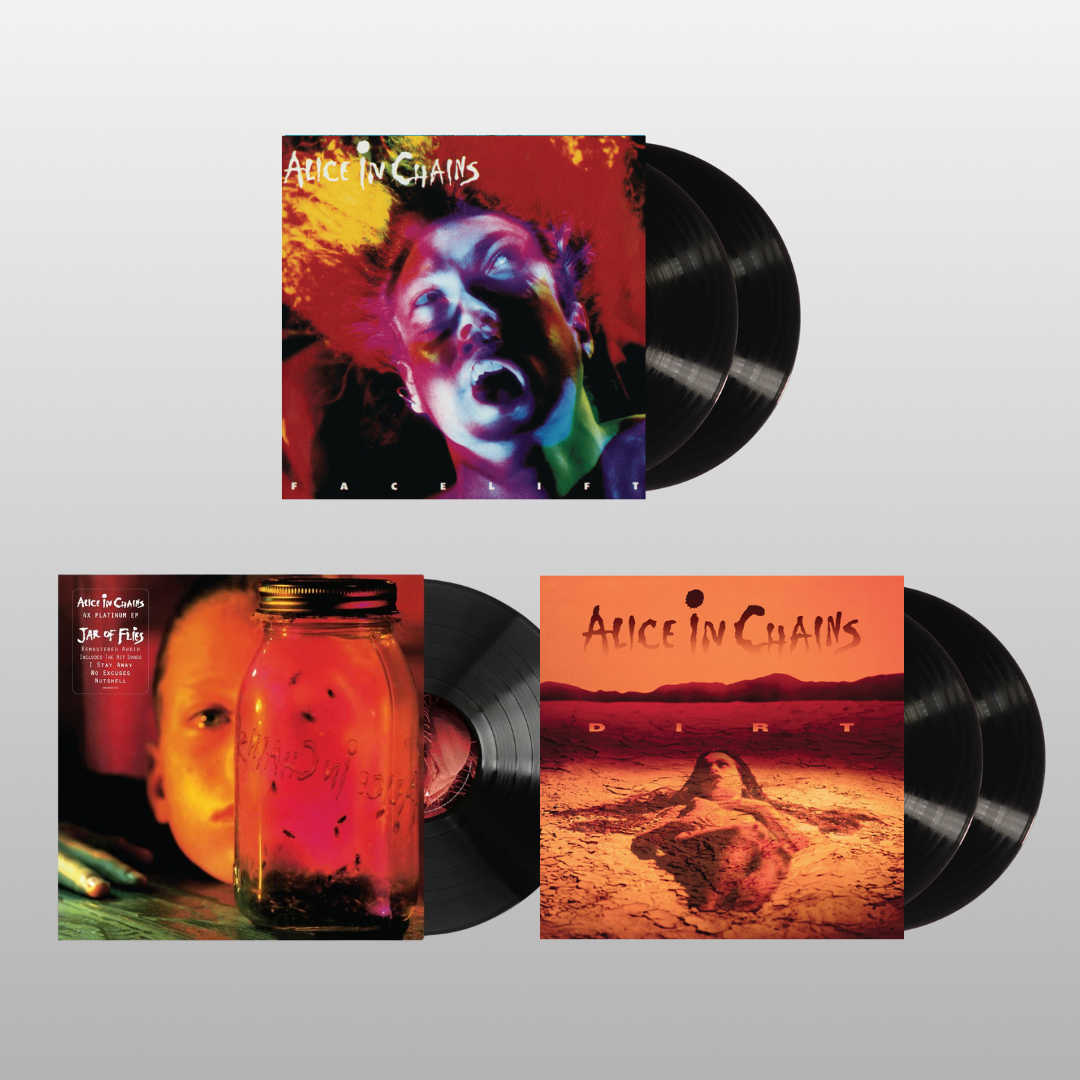


![Taylor Swift - folklore [2LP Beige]](http://vinyl.com/cdn/shop/files/477929-Product-0-I-637317959467683009_grande_a6f82db0-1cb7-45c5-8892-ed79af261e80.webp?v=1736750683&width=5760)
![Mac Miller - Circles [2LP Clear]](http://vinyl.com/cdn/shop/files/mac_1.png?v=1767598863&width=5760)
![Cryptopsy - None So Vile [CD / Vinyl]](http://vinyl.com/cdn/shop/files/SOM830LP.jpg?v=1766139746&width=5760)
![Cannabis Corpse - Beneath Grow Lights Thou Shalt Rise [CD / Vinyl]](http://vinyl.com/cdn/shop/files/SOM310LPP-FRONT.jpg?v=1766139744&width=5760)

![Numenorean - Adore [CD / Vinyl]](http://vinyl.com/cdn/shop/files/SOM504LPCB.jpg?v=1766139732&width=5760)
![Mac Miller - Swimming [2LP]](http://vinyl.com/cdn/shop/files/MacMiller-Swimming_2LP.png?v=1776241230&width=5760)


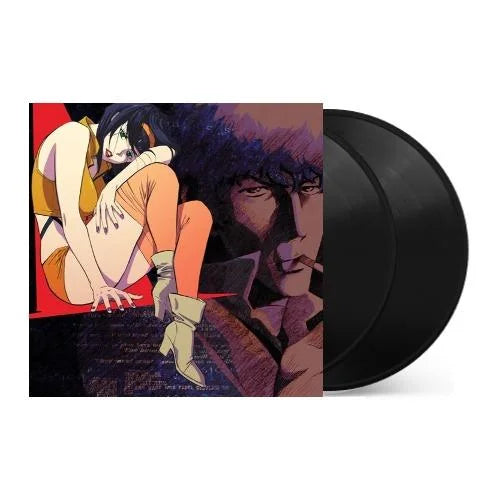

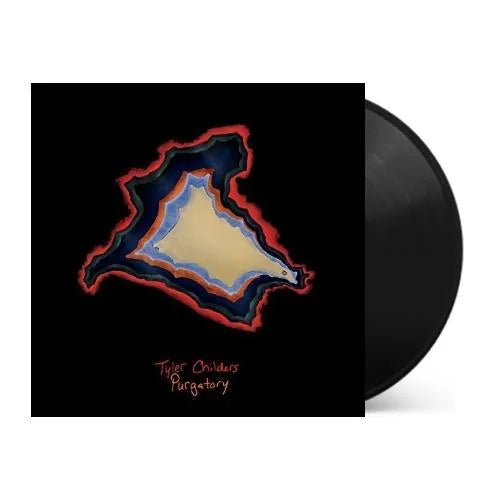
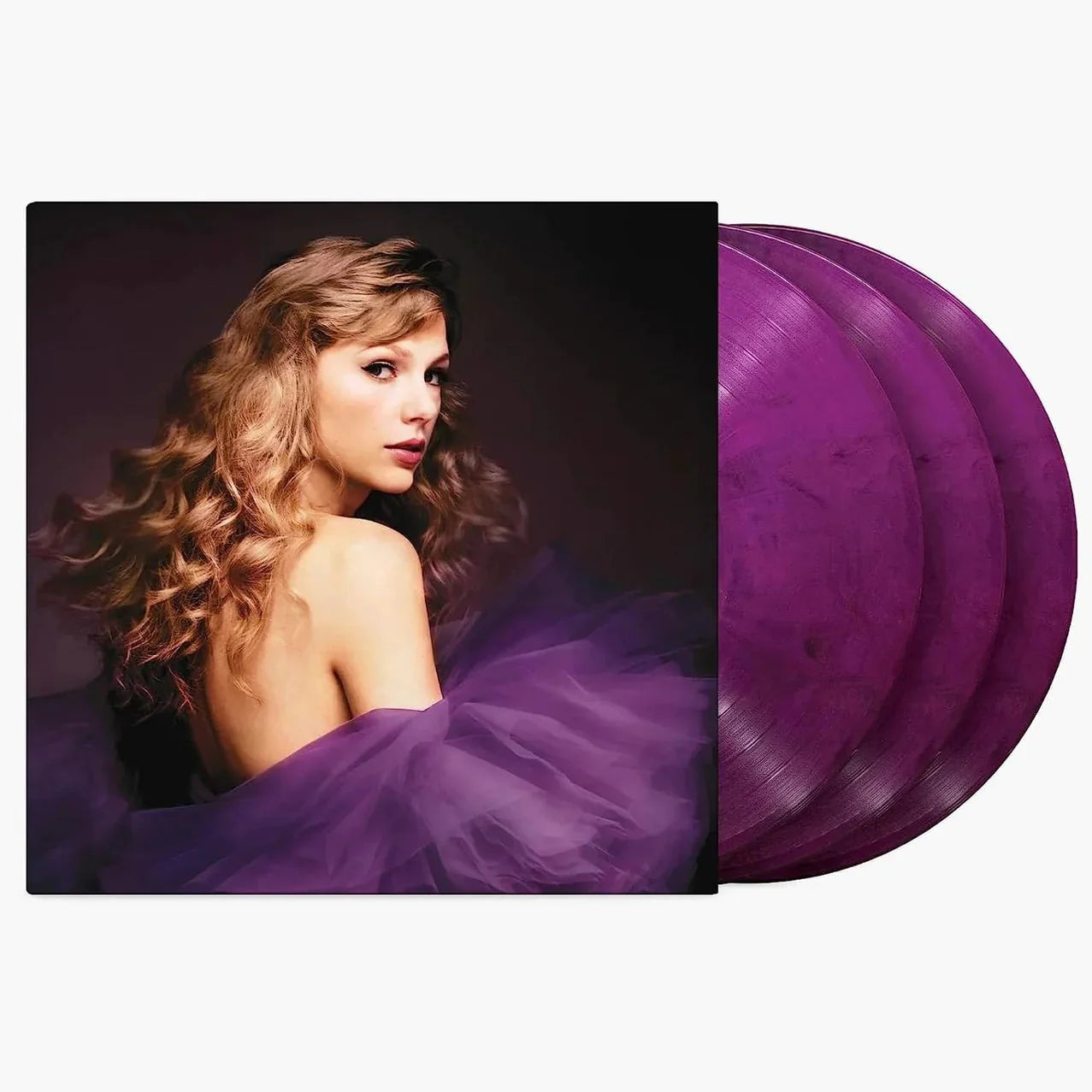
![Zach Bryan - American Heartbreak [3LP]](http://vinyl.com/cdn/shop/files/Zach_Bryan-American_Heartbreak_3LP.webp?v=1764838852&width=5760)
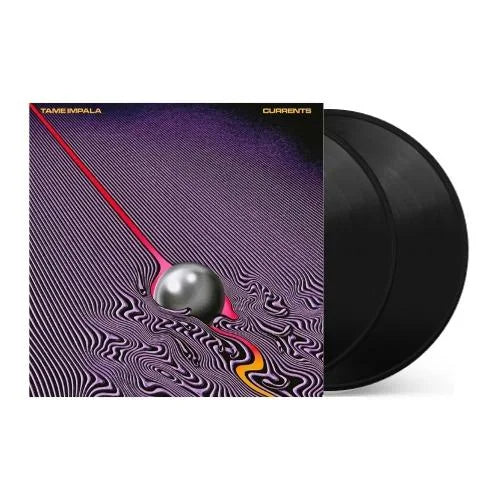
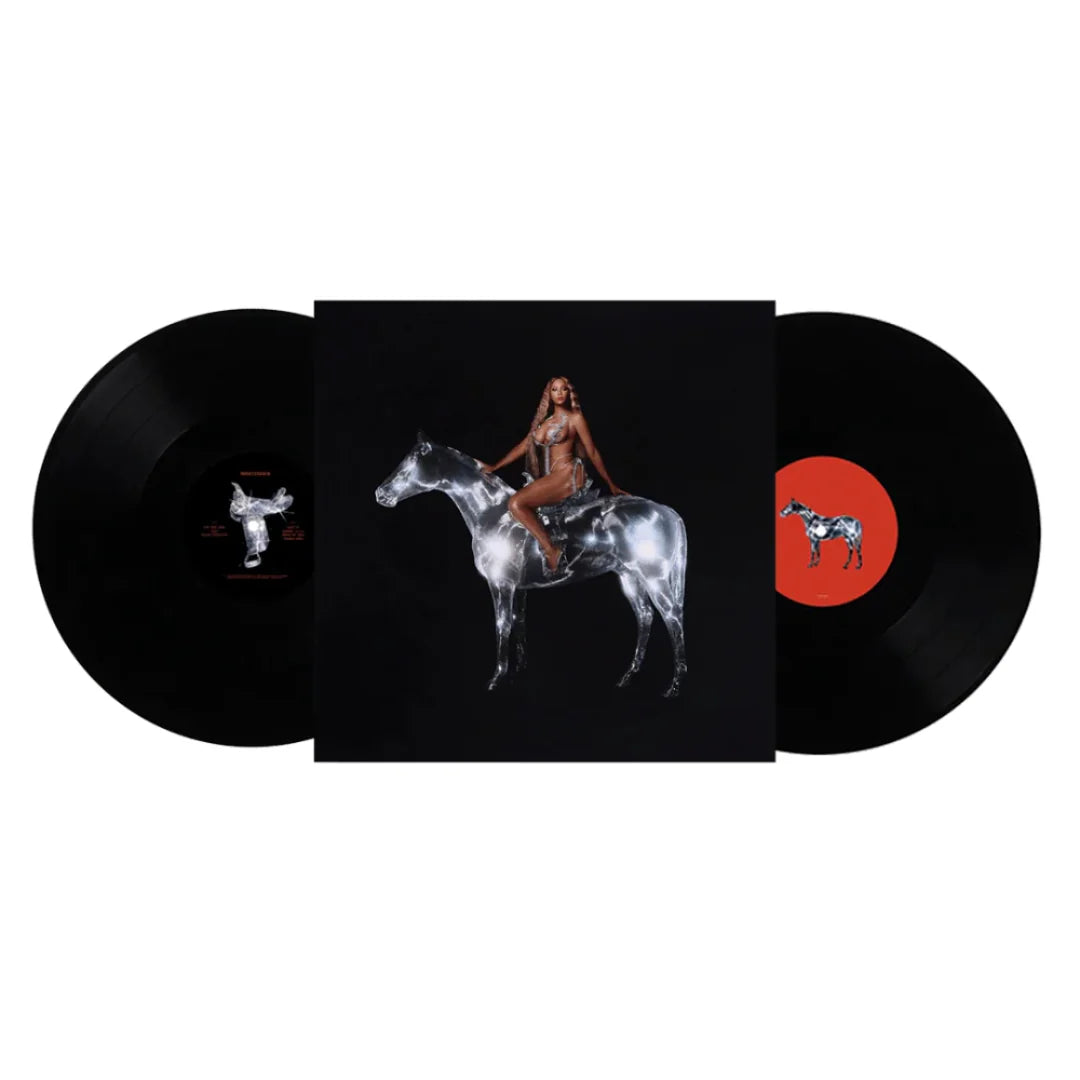
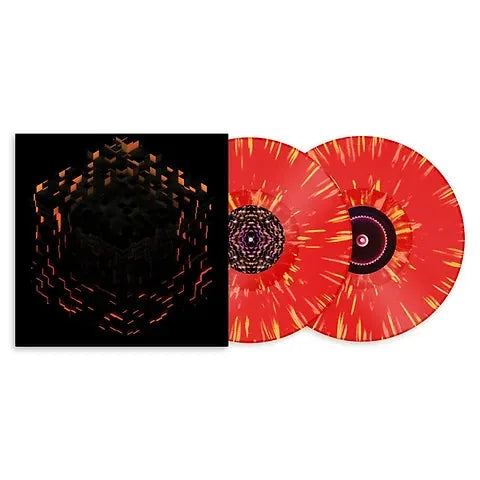

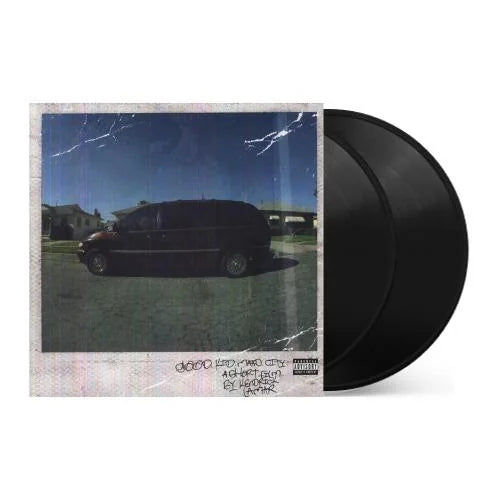

![Miles Davis - Kind of Blue [180-gram]](http://vinyl.com/cdn/shop/files/Y4LPMD03.webp?v=1742198237&width=5760)


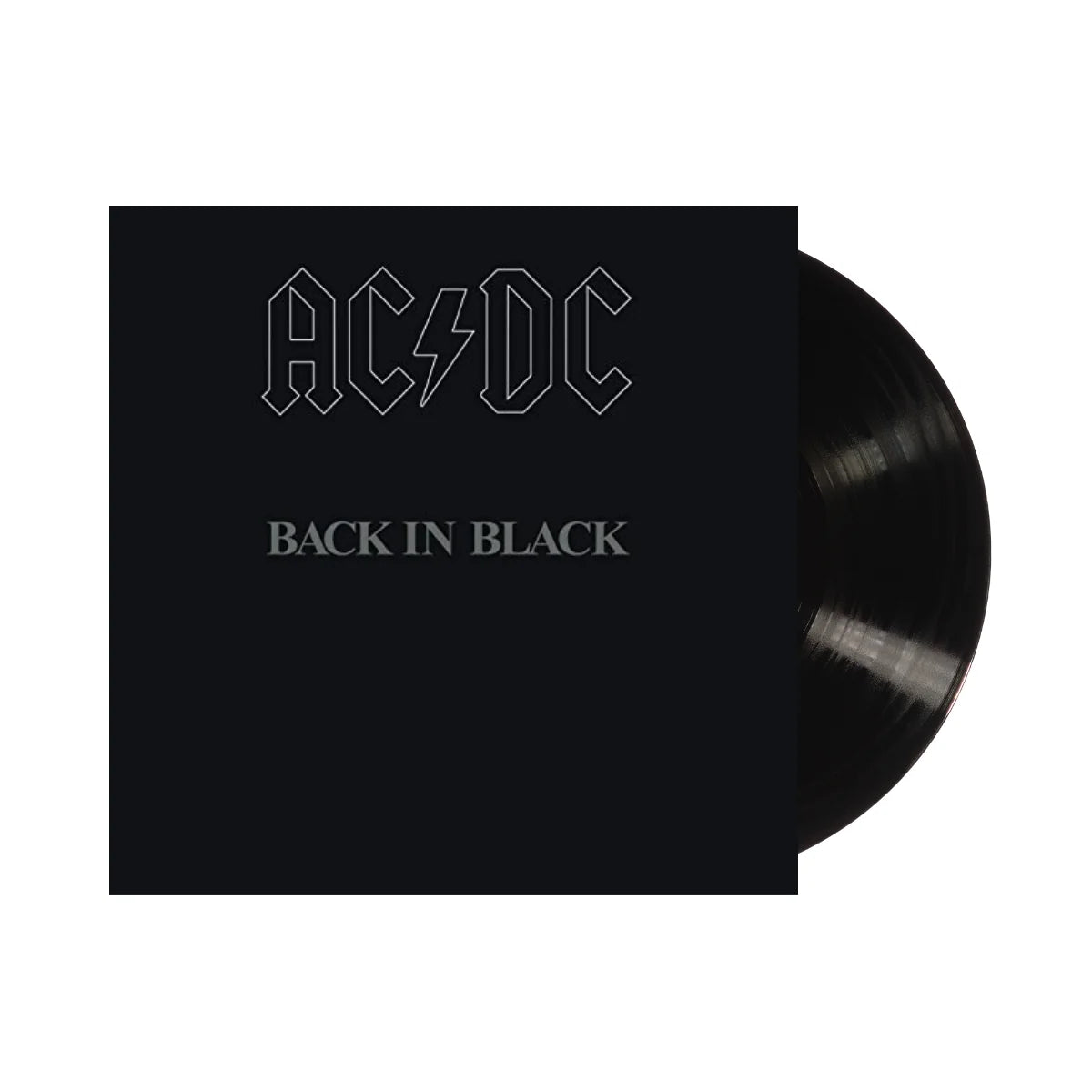

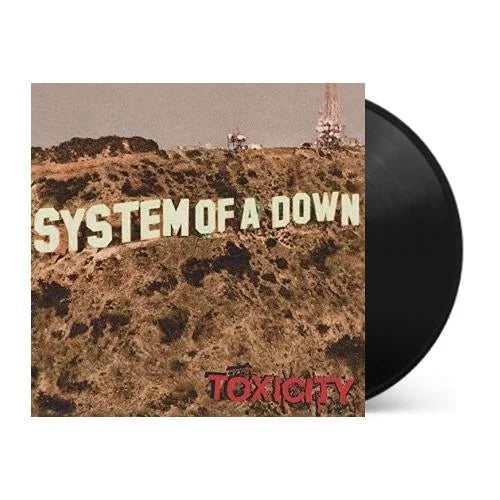

![Taylor Swift - 1989 (Taylor's Version) [2LP Crystal Skies Blue]](http://vinyl.com/cdn/shop/files/taylor_swift_1989_taylors_version.jpg?v=1734389117&width=5760)
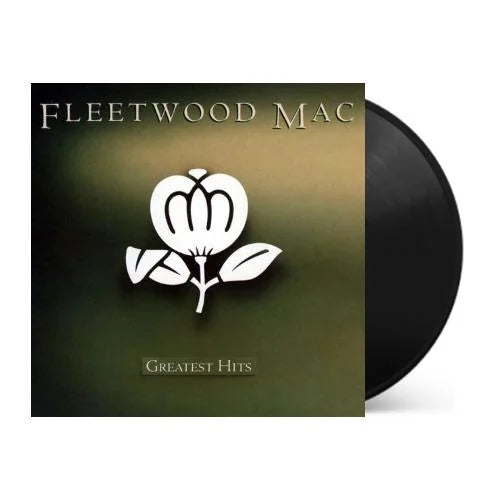
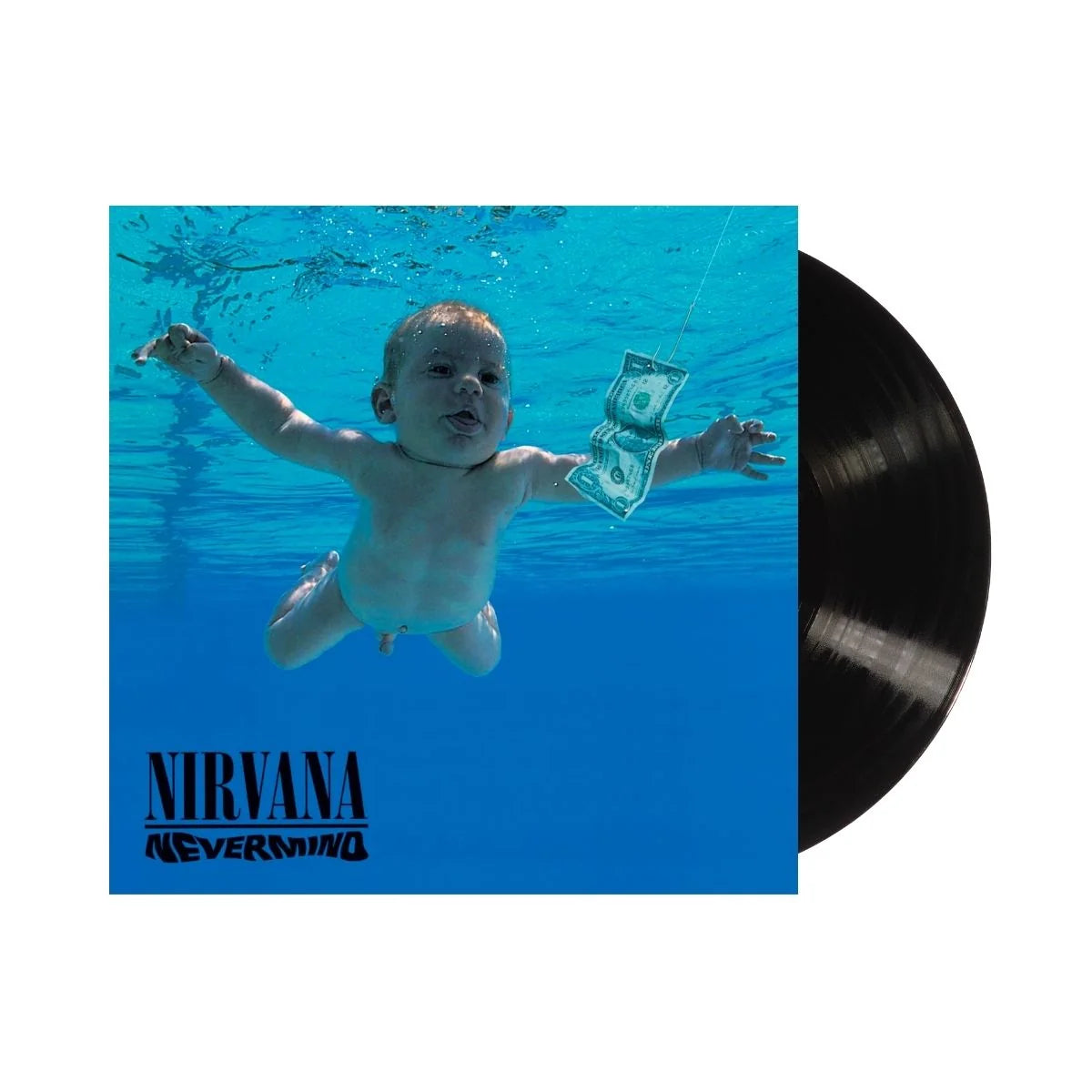



![Various Artists - The Life Aquatic With Steve Zissou O.S.T. [2LP Canary Yellow]](http://vinyl.com/cdn/shop/files/4427619-3397770.jpg?v=1747779139&width=5760)





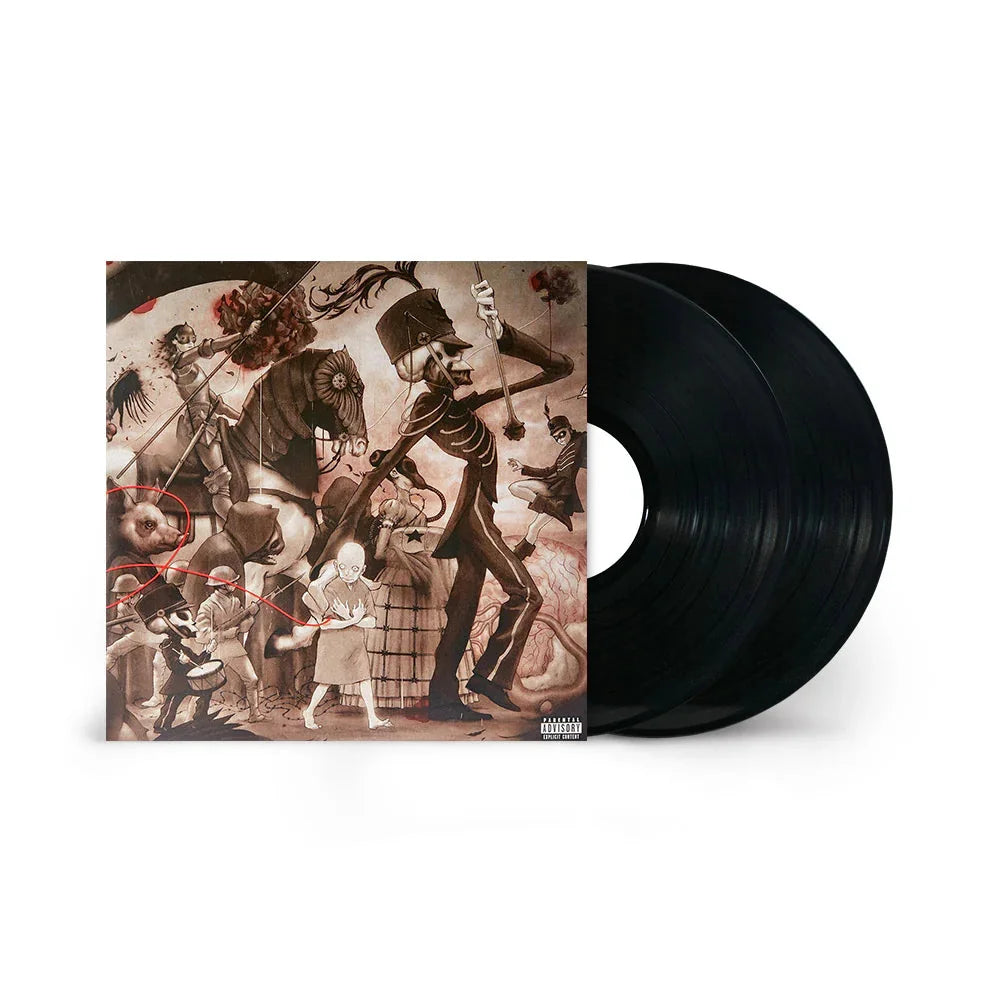
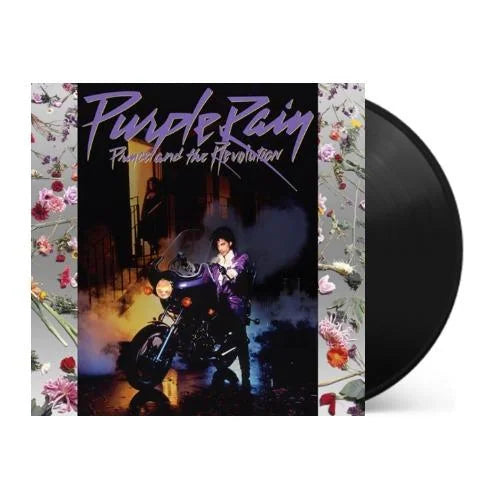
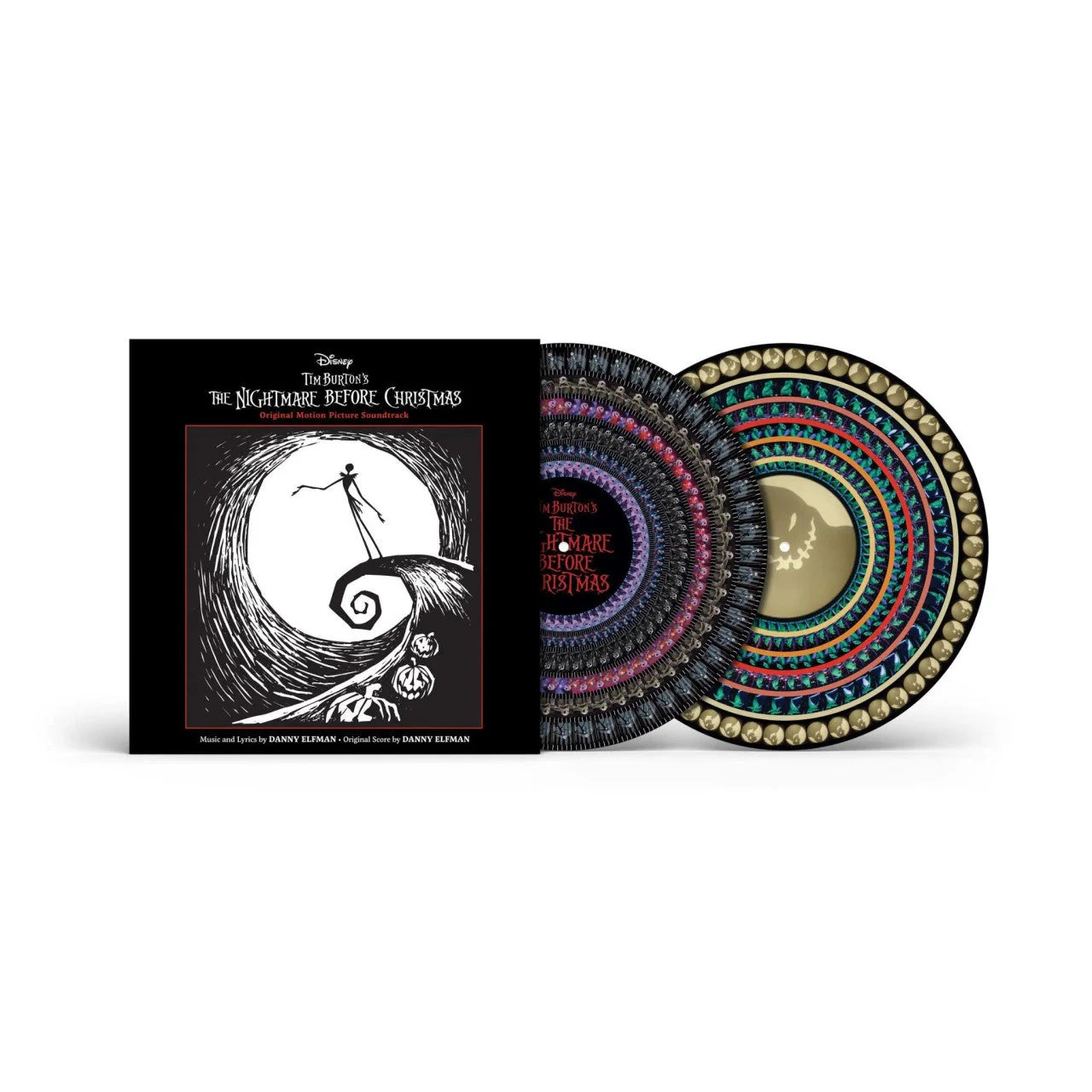
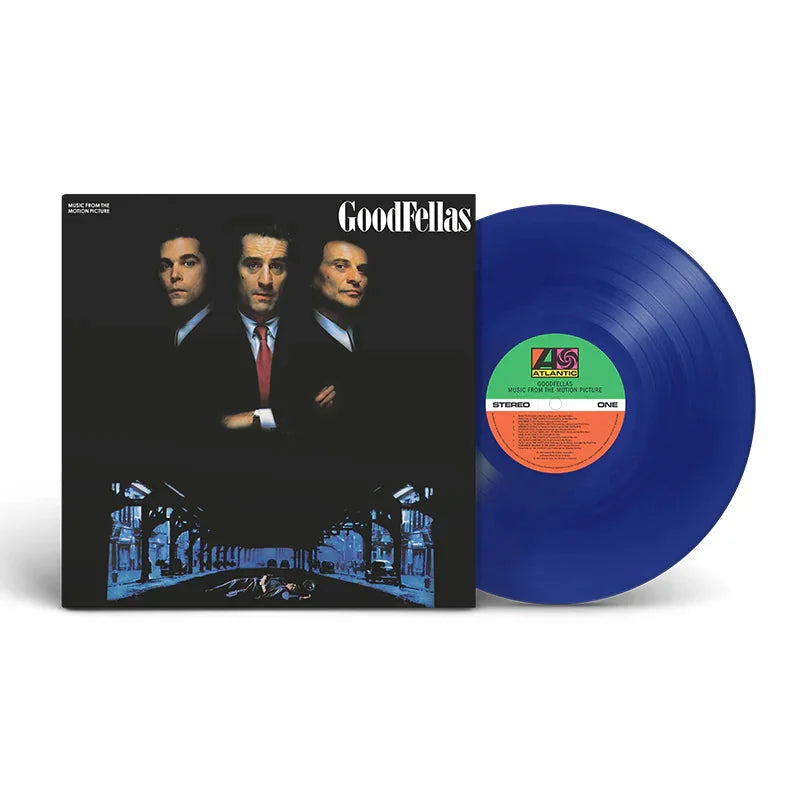
The allure of colored and splatter vinyl albums transcends mere music listening; it delves into the realm of art. Collectors are drawn to these unique vinyl records not only for their auditory qualities but also for their visual appeal. These records often represent limited edition runs, making them highly desirable as collectibles. The trend toward owning these vibrant pieces of music history is driven by a nostalgia for physical media and the thrill of obtaining something unique in an era dominated by digital formats.
How Colored and Splatter Vinyl Records Are Made
The Pressing Process
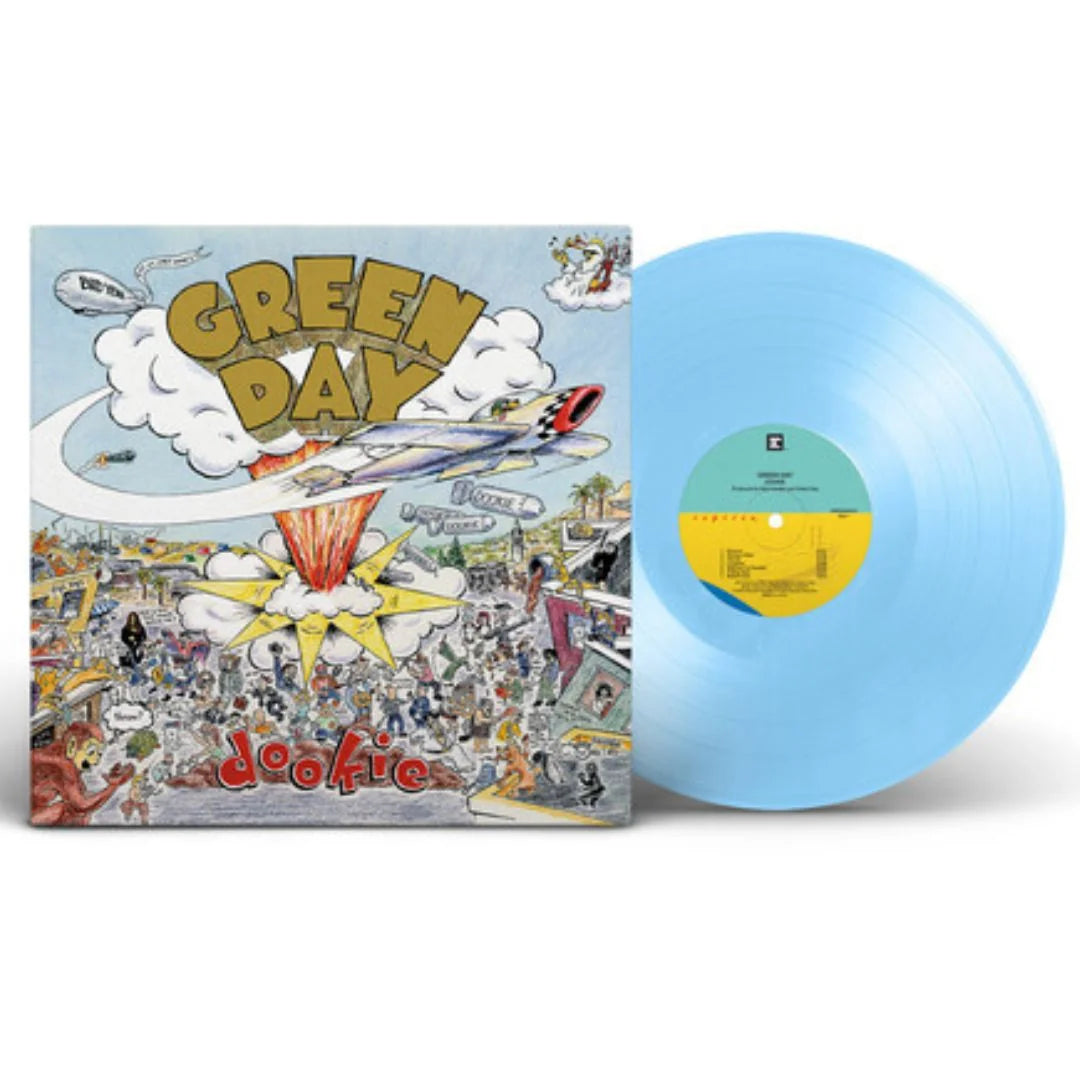
Creating colored vinyl records involves a fascinating process where pigments are added to the vinyl during the pressing stage. This process allows for a wide range of visual aesthetics and makes each record unique. Typically, the raw vinyl, known as PVC pellets, is clear. Specific pigments are mixed with these pellets before they are melted and pressed to achieve the desired color. This method ensures the color is evenly distributed throughout the record, resulting in vibrant and consistent hues that appeal to collectors and audiophiles alike.
Differences Between Solid, Marble, and Splatter
Splatter vinyl albums stand out with their distinctive patterns, created manually or mechanically, splattering a secondary color onto the primary base during the pressing process. In contrast, solid color records are produced using a single pigment, offering a uniform look. Marble vinyl combines different colored pellets that meld into each other but do not entirely blend, creating a swirled effect that resembles marble stone. Each type offers something unique, attracting different segments of vinyl enthusiasts who are drawn to their visual appeal and collectibility.
How Limited Edition Variants Are Produced
Limited edition variants are special in the world of vinyl for collectors because they often come in unique colors or patterns and are available in restricted quantities. These limited pressings are frequently released to mark special occasions, such as album anniversaries or special events, making them highly collectible colored vinyl items. Record labels play a crucial role in deciding the quantity and exclusivity of these releases, often using them as a marketing tool to generate buzz and increase demand among collectors and fans.

The Collectibility and Value of Colored Vinyl Pressings
Why Limited Edition Vinyl Releases Are Highly Sought After
These are prized possessions in the music world due to their scarcity and the unique elements they often feature, such as special artwork, autographs, and unusual-colored vinyl releases. These editions are typically released in small quantities, increasing demand and value among collectors and enthusiasts. Collectors value these editions for their potential to appreciate in price over time, making them cultural artifacts and investments.
Rare Vinyl Variants That Have Become Collector’s Items
Examples include mispressings with unique color patterns, albums issued in minimal numbers, and first releases by major artists on unusual vinyl. Such records are hunted by collectors for their historical and aesthetic significance, often fetching high prices on the secondary market. Their rarity and the stories behind them add to their mystique and desirability, making them sought-after treasures in the vinyl community.
How to Identify First Pressings vs. Reissues
Distinguishing between first pressings and colored vinyl reissues can be crucial for collectors aiming to verify the authenticity and value of their records. First pressings are often more valued for their originality and historical significance. Key indicators include matrix numbers etched into the vinyl runout, specific artwork details, and original packaging features. Reissues, while sometimes offering enhanced audio quality or additional content, generally do not hold the same value as original pressings unless they are limited or special editions.
Tips for Preserving and Storing Colored Vinyl
Unlike standard black vinyl, colored variants often have different compositions, making them more susceptible to wear and environmental damage. Proper storage and handling ensure longevity and optimal playback, whether you're a casual collector or a dedicated audiophile. Below are key strategies to keep your collection in top shape:
- Temperature Control: Storing them in an environment where temperatures remain consistently below 70°F (21°C) is crucial. Heat can soften the vinyl, causing warping that affects playback and diminishes sound quality. Avoid placing records near radiators, vents, or any heat-emitting appliances. Attics and garages, which experience extreme temperature shifts, should also be avoided. If possible, use climate-controlled storage spaces to maintain a stable temperature year-round. Excessive humidity can also pose a problem by encouraging mold growth on album covers and inner sleeves. Aim for a relative humidity level between 40% and 50% to prevent dryness and moisture-related damage. Investing in a dehumidifier or air conditioner can help regulate these conditions, ensuring your collection remains in excellent shape.
- Upright Storage: Always store your records in an upright, vertical position, similar to books on a shelf. When records are stacked horizontally, the weight of multiple albums pressing down can lead to warping, even if they are in protective sleeves. Over time, this pressure can also cause surface scratches and indentations, negatively impacting sound quality. To maintain an upright storage system, invest in sturdy shelving units designed specifically for vinyl records. Ensure that the shelves provide enough support so that records do not lean excessively, as this can also lead to bending or warping. If necessary, use bookends or dividers to keep them evenly spaced and properly aligned.
- Proper Sleeves: Many records come with standard paper sleeves, but these can generate dust and micro-abrasions over time. Upgrading to high-quality, anti-static inner sleeves made from polyethylene or rice paper can significantly reduce static buildup and prevent surface scratches. Static electricity can attract dust and debris, leading to unwanted pops and crackles during playback. Outer sleeves are just as important in maintaining the condition of both the record and its album cover. Clear, high-density polyethylene plastic sleeves provide a protective barrier against dust, moisture, and accidental spills. They also help prevent fading or scuffing of the album artwork.
- Avoid Direct Sunlight: One of the biggest threats to vinyl records, especially colored vinyl, is prolonged exposure to direct sunlight. Sunlight emits ultraviolet (UV) rays that can cause album covers to fade over time, diminishing their visual appeal. More critically, heat from sunlight can lead to warping, rendering records unplayable. Even bright indoor lights can have a similar effect if exposure is consistent. To protect your collection, store your records away from windows or areas where sunlight directly hits them. If you display records, consider rotating them periodically to minimize the risk of uneven fading. If your storage area has natural light exposure, UV-resistant window films or blackout curtains can also help filter harmful rays.
- Handling Practices: When touching a record, always hold it by the edges or the center label to avoid direct contact with the playing surface. Natural oils from your skin can attract dust and create a buildup that leads to distorted sound or skipping. Even seemingly clean hands can transfer microscopic particles that accumulate over time. Before playing a record, use an anti-static carbon fiber brush to remove surface dust. This prevents debris from getting embedded into the grooves and causing permanent damage. Keep your hands steady when placing or removing a record from the turntable to avoid scratches. If you need to clean your records, use a vinyl-safe cleaning solution and a microfiber cloth, wiping in a circular motion along the grooves.
Practicing careful handling techniques minimizes the risk of scratches, static buildup, and sound deterioration. Treating your records with care ensures that your colored vinyl collection remains visually and sonically pristine for years, preserving both its collectible and functional value.
The Aesthetic Appeal of Splatter Vinyl Designs
Eye-Catching Album Releases
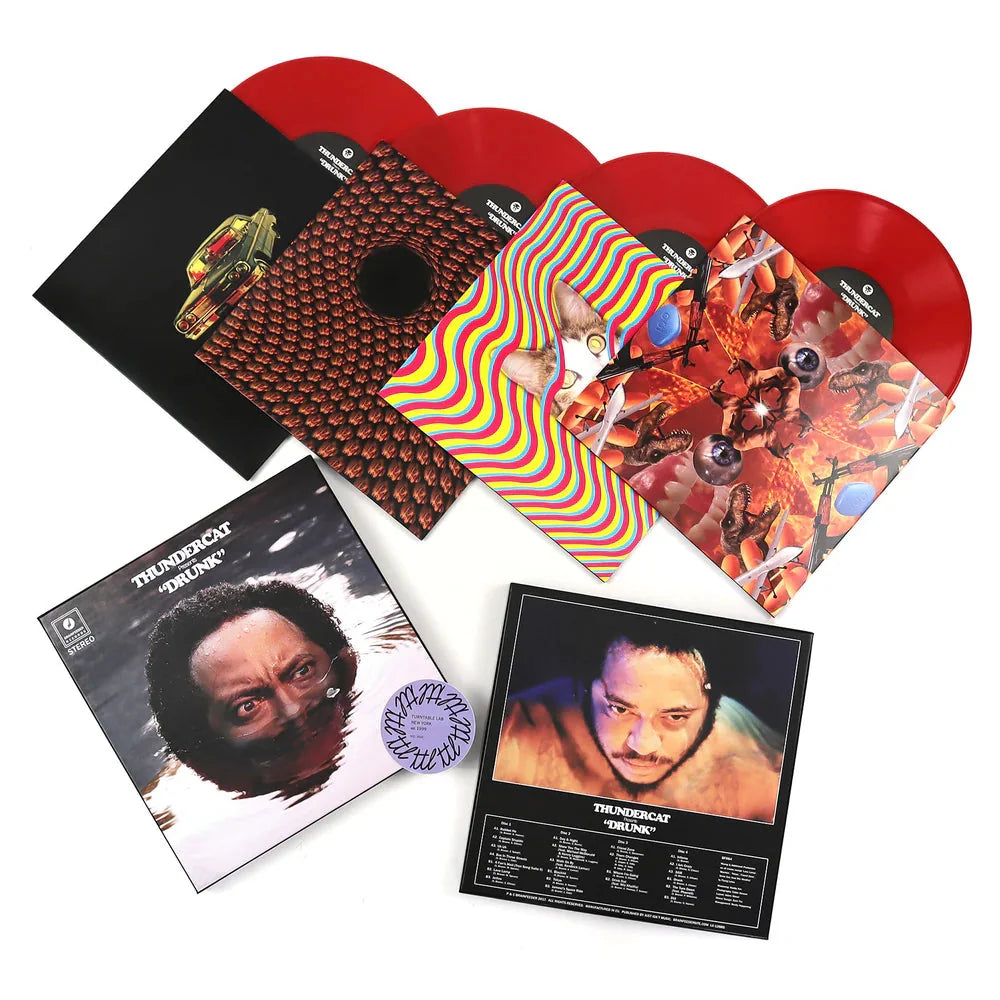
Some album releases have become famous for their musical content and innovative splatter vinyl albums. These records often become the centerpiece of a collection, admired for their artistic presentation. Bands and artists collaborate with designers to create visuals that complement or enhance the music, elevating the listener’s experience. Collectors often seek out these albums for their visual artistry and their sound, leading to heightened demand and increased value in the marketplace.

Does the Color of Vinyl Affect Its Sound Quality?
While purists argue that black vinyl provides the best sound due to the composition of the material, there is no concrete evidence that colored or splattered vinyl significantly alters audio performance. Most differences are subtle and often overshadowed by the mastering and pressing quality of the record itself.
Where to Buy Colored Vinyl and Track Rare Releases
The Best Online Marketplaces
For enthusiasts eager to expand their collections with rare colored vinyl online, several online marketplaces stand out as prime sources. These platforms not only offer a wide selection of colored vinyl albums but also provide tools to verify the authenticity and condition of the records. Websites like Vinyl.com are popular among collectors for their extensive catalogs and community-driven selling practices.
Independent Record Stores
Independent record stores are invaluable for collectors searching for limited-edition vinyl. These shops often stock exclusive pressings that are not available elsewhere and can offer firsthand insights into the pressing quality and origin of the albums. Shopping at these stores supports small businesses and contributes to the local music scene, fostering a community of collectors and enthusiasts passionate about unique and exclusive colored vinyl.
Buying Direct from Artists and Record Labels
Many artists now sell special pressings through their websites, often including signed versions or exclusive merchandise as part of album launches. This method guarantees that the vinyl is genuine and helps support the musicians directly, bypassing third-party fees and increasing the artist’s earnings from their work.
How to Spot Fake or Counterfeit
Counterfeit vinyl often lacks the same attention to detail, sound quality, and durability as legitimate pressings. Whether you are shopping online or at a physical store, taking the time to examine certain elements can help you avoid investing in a counterfeit record. Below are crucial aspects to consider when verifying the authenticity of colored vinyl:
- Examine the Print Quality: The album cover, inserts, and record labels should have sharp, high-resolution printing with consistent color saturation. Counterfeit records often have washed-out colors, pixelation, or misalignment in text and images. Compare the cover with high-quality images of the original release available online. Glossy or embossed finishes on official pressings may appear dull or absent in fakes. When in doubt, compare multiple sources and check for inconsistencies in texture and finish.
- Check the Catalog Numbers: Every official vinyl pressing has a catalog number assigned by the record label. This number is usually printed on the spine, cover, labels, and runout grooves. Counterfeit records may either lack this number or display one that doesn’t match the official release. Some bootleggers may reuse a valid catalog number from another pressing, so always cross-check with verified listings.
- Inspect the Vinyl’s Weight and Thickness: Most records fall within 140g to 180g in weight, with heavier pressings offering better sound quality. Counterfeit records tend to use cheaper, thinner materials, making them feel flimsy and lightweight. To verify, compare the suspected record to an official pressing of the same album or a similarly manufactured release. Pay attention to the edges and center hole, as counterfeits may have rough cuts, uneven thickness, or poorly defined labels.
- Analyze the Sound Quality: Its sound quality is one of the most telling signs of a counterfeit vinyl. Authentic records undergo strict mastering processes to ensure clarity, depth, and accurate frequency response. Counterfeit pressings, on the other hand, often suffer from muffled, distorted, or overly compressed audio due to poor sourcing and cheap materials. Some bootlegs are copied from CDs or digital files, which results in a noticeable loss of dynamics and warmth. If possible, test play a record before purchasing. Pay attention to any excessive surface noise, static, or sudden volume changes, as these are indicators of an inferior pressing. Some counterfeit vinyl also has incorrect track lengths or missing elements, revealing its inauthentic nature.
- Look for Spelling Errors: Authentic releases undergo thorough proofreading, ensuring accuracy on the tracklist, credits, liner notes, and spine text. Counterfeiters, however, often misspell song titles, artist names, or even copyright details. Some fakes may use generic or altered company logos, which can be a sign of an unauthorized pressing. Be especially cautious if the record claims to be a special edition, as counterfeiters frequently target collectible pressings with deliberate inaccuracies.
Being able to identify counterfeit colored vinyl is an essential skill for collectors who want to invest in high-quality, authentic records. Buyers can significantly reduce the risk of purchasing a fake by carefully examining print quality, catalog numbers, material weight, sound, and fine details.

Enjoying and preserving a colored vinyl collection involves more than careful storage and handling. It includes creating a personal connection with your collection through active engagement—regularly playing the records, learning about their history, and sharing your passion with like-minded enthusiasts. To preserve these records, it is essential to maintain a controlled environment free from excessive heat, moisture, and sunlight. Regular cleaning and using the correct playback equipment also ensure that the vinyl remains in optimal condition, allowing you to enjoy the pristine sound quality and vibrant aesthetics for decades.
