

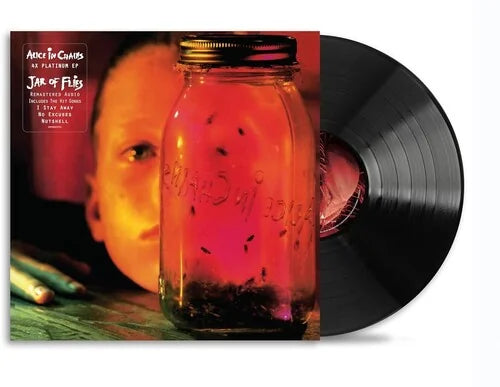
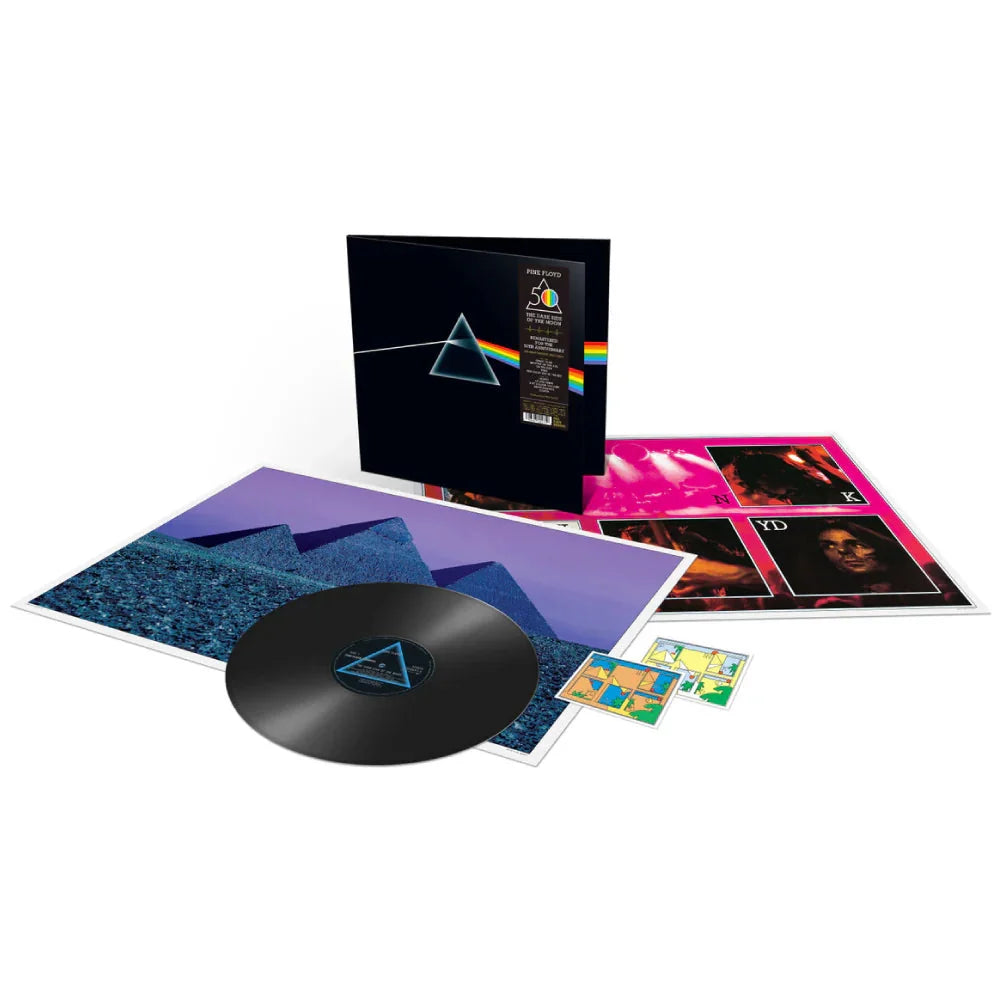

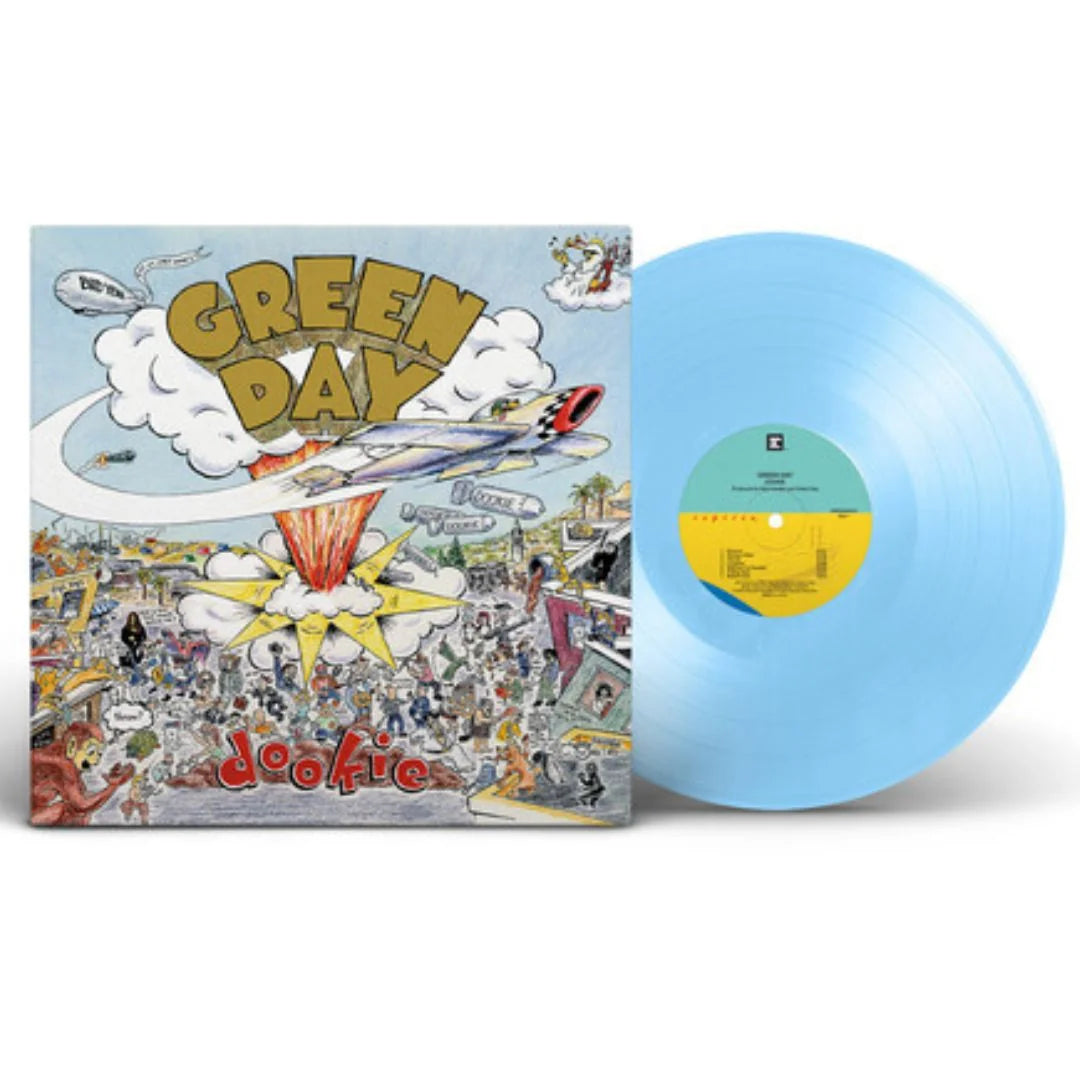

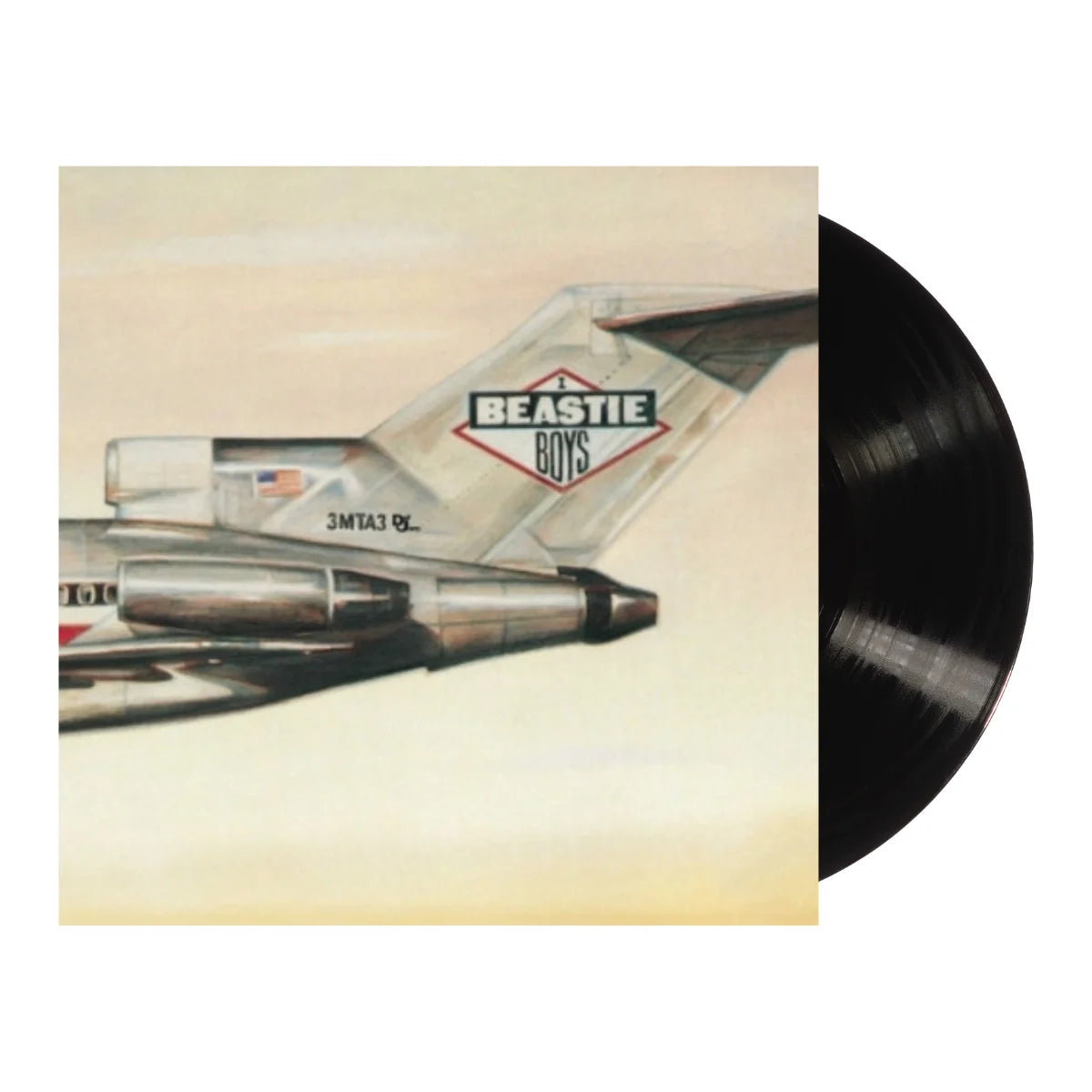
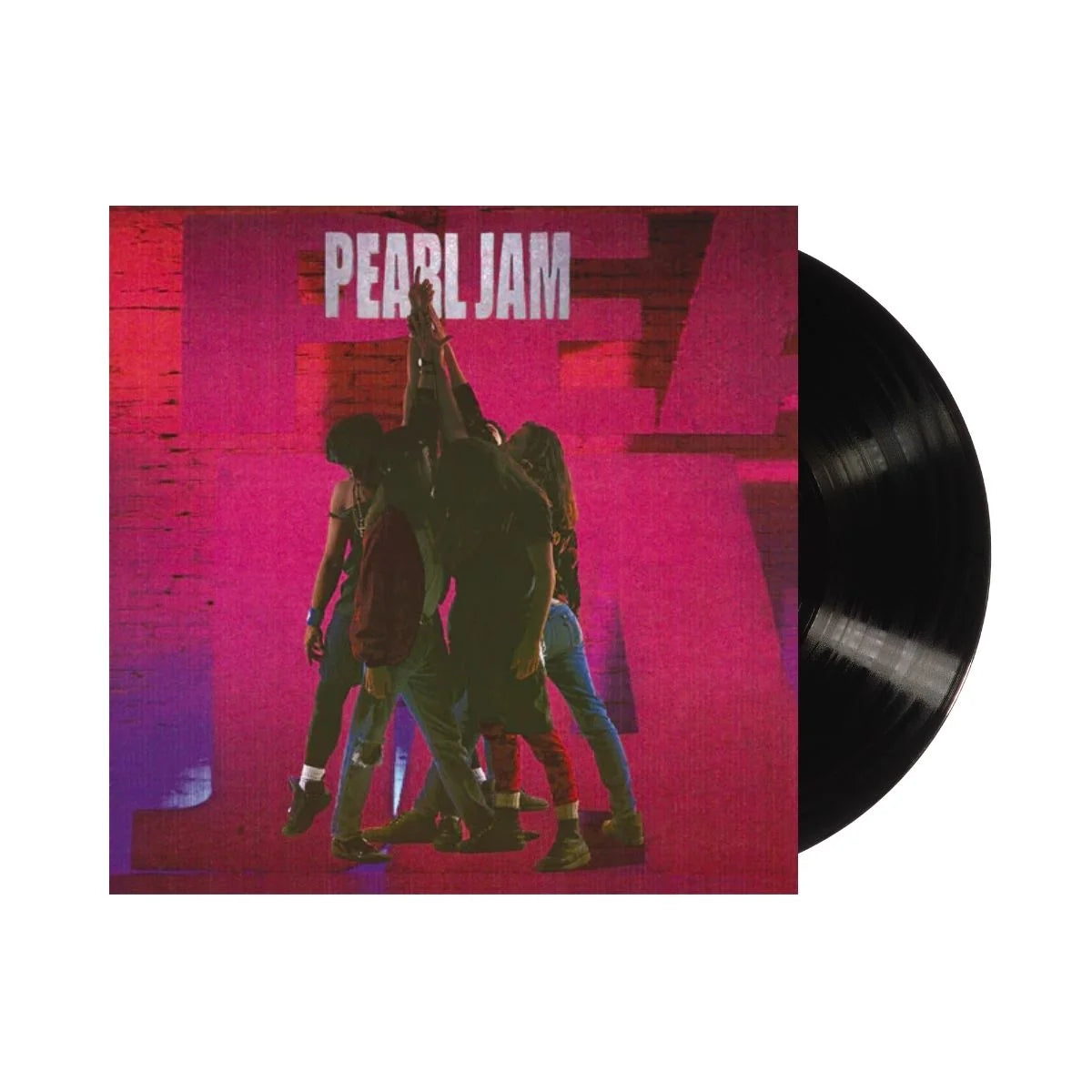
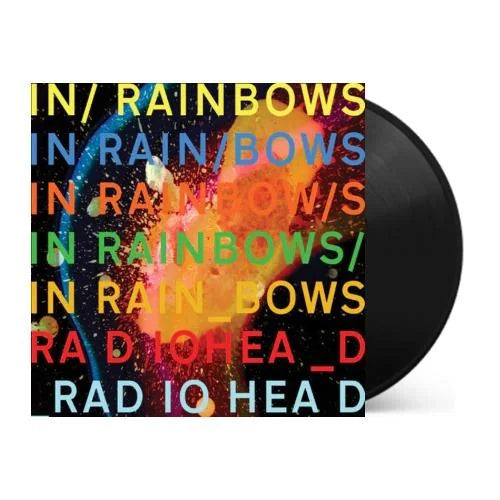
![Smashing Pumpkins - Mellon Collie and The Infinite Sadness [4LP Box Set]](http://vinyl.com/cdn/shop/files/MellonCollie4LP-SmashingPumpkins.png?v=1736990865&width=5760)
![The Grateful Dead - The Music Never Stopped [6LP Box Set]](http://vinyl.com/cdn/shop/files/The_Grateful_Dead-The_Music_Never_Stopped__6LP_Box_Set.jpg?v=1747729623&width=5760)
![The Grateful Dead - Madison Square Garden, New York, NY 3/9/81 (2023 Rocktober Edition) [5LP Box Set]](http://vinyl.com/cdn/shop/files/gratefuldead_2.png?v=1768197509&width=5760)
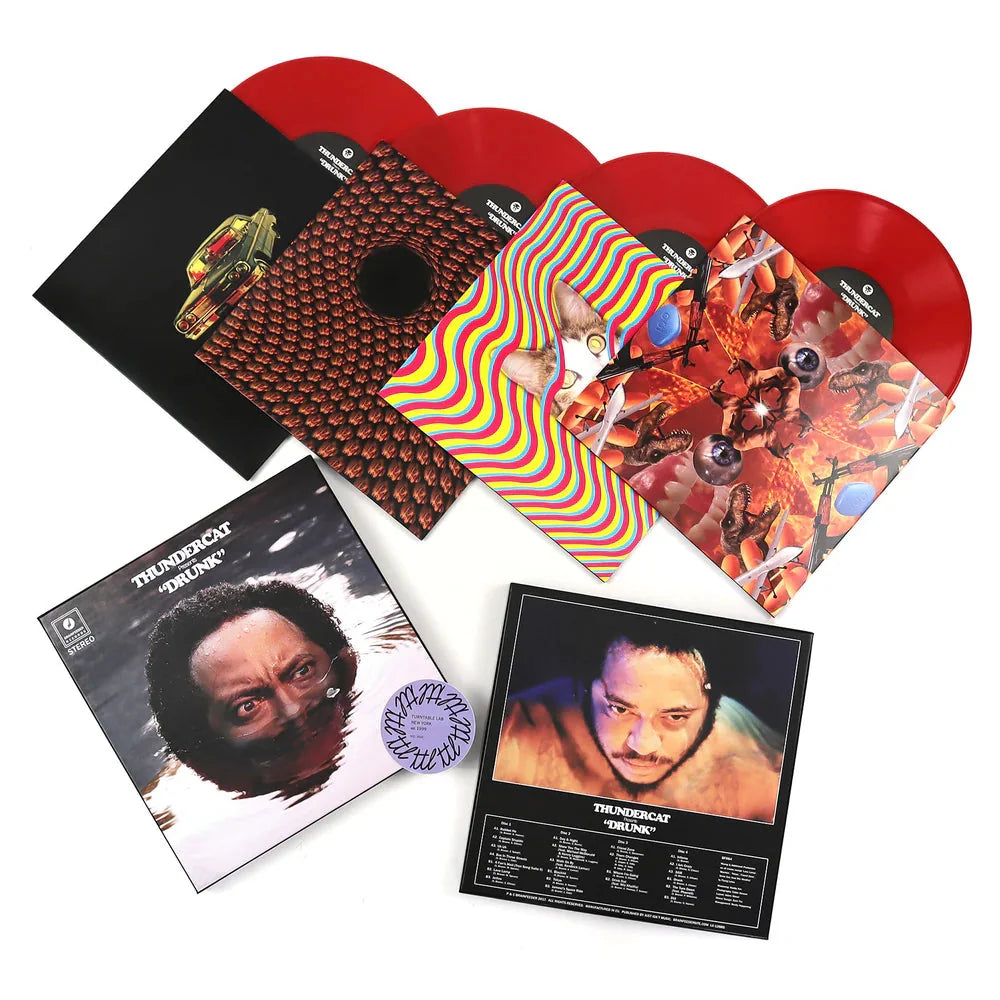


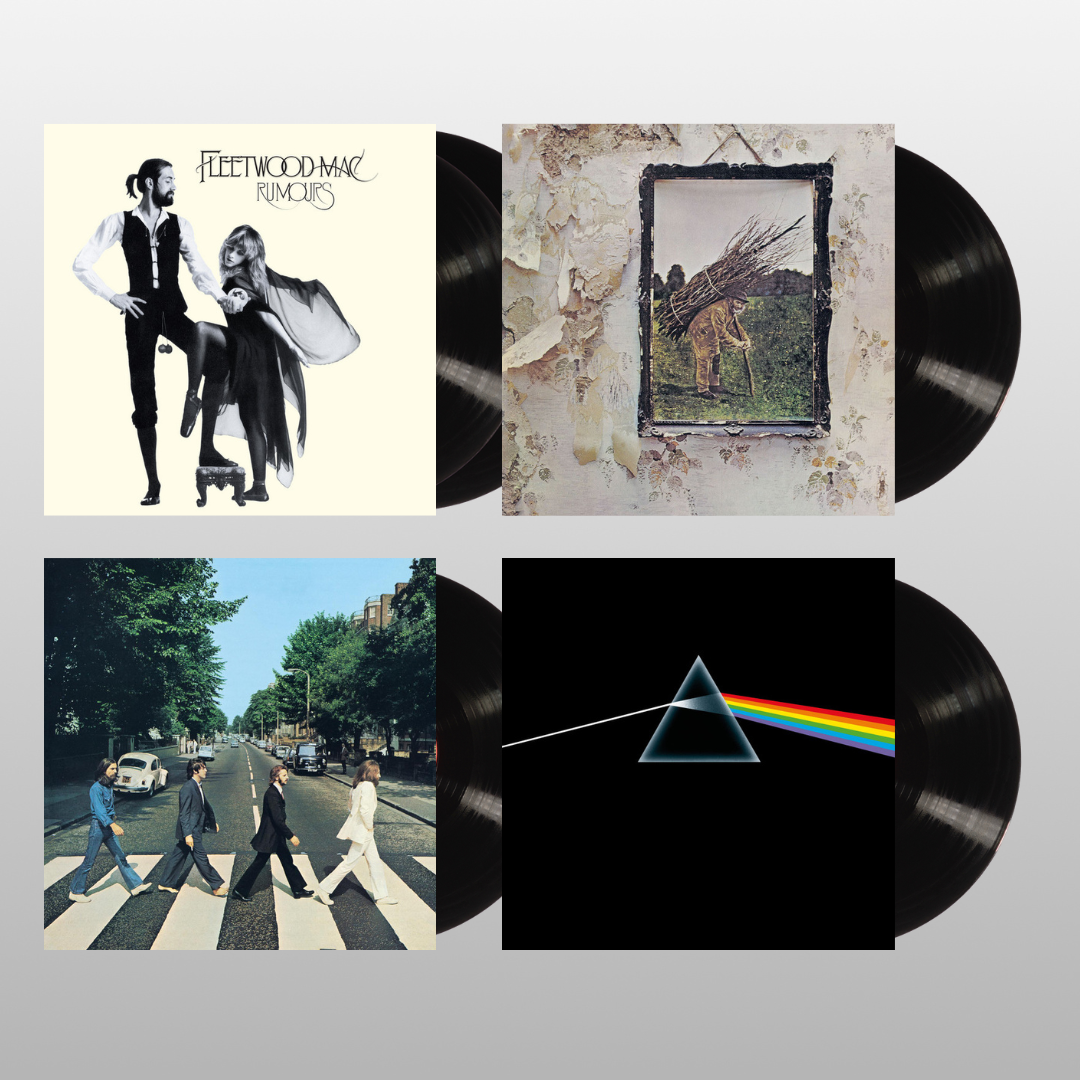
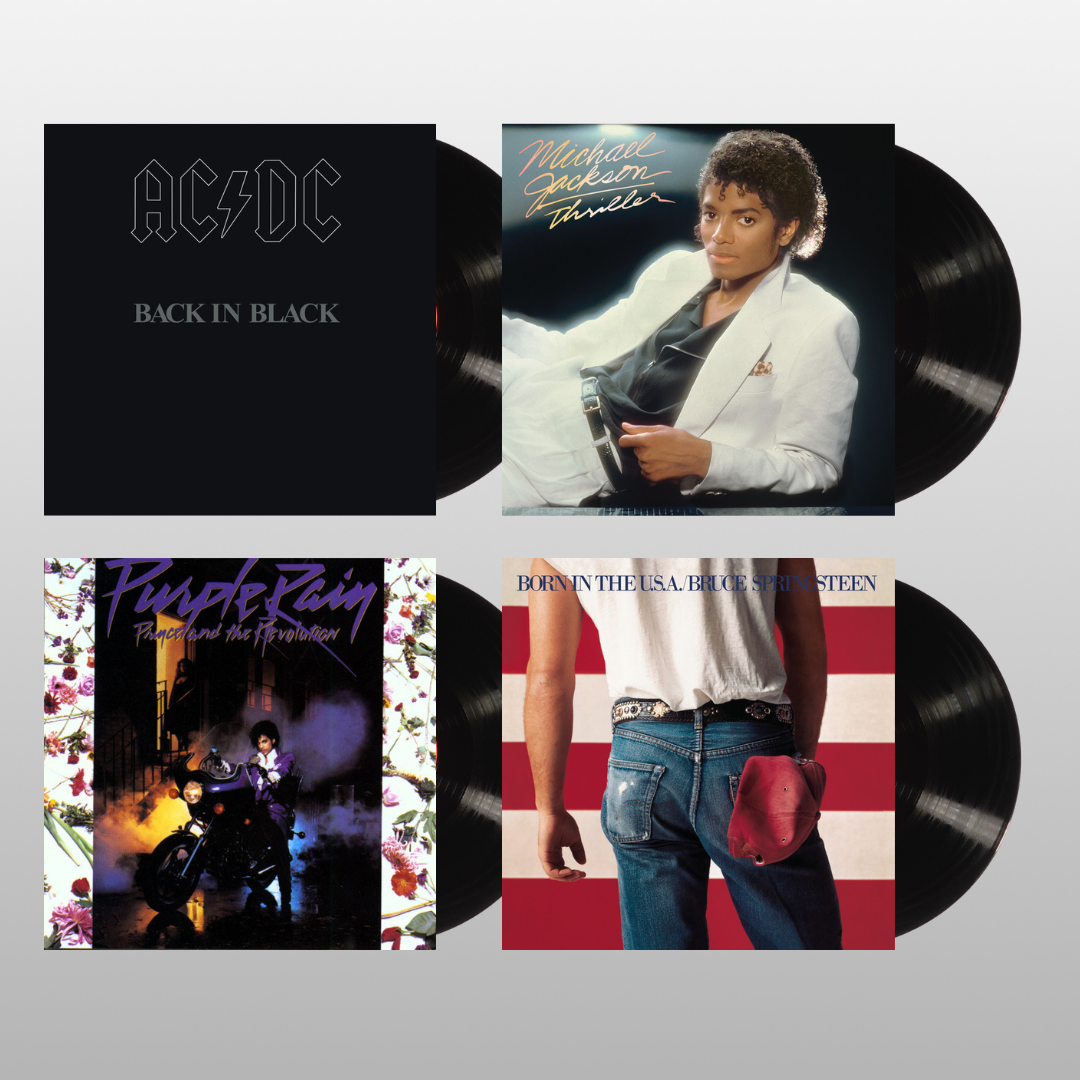
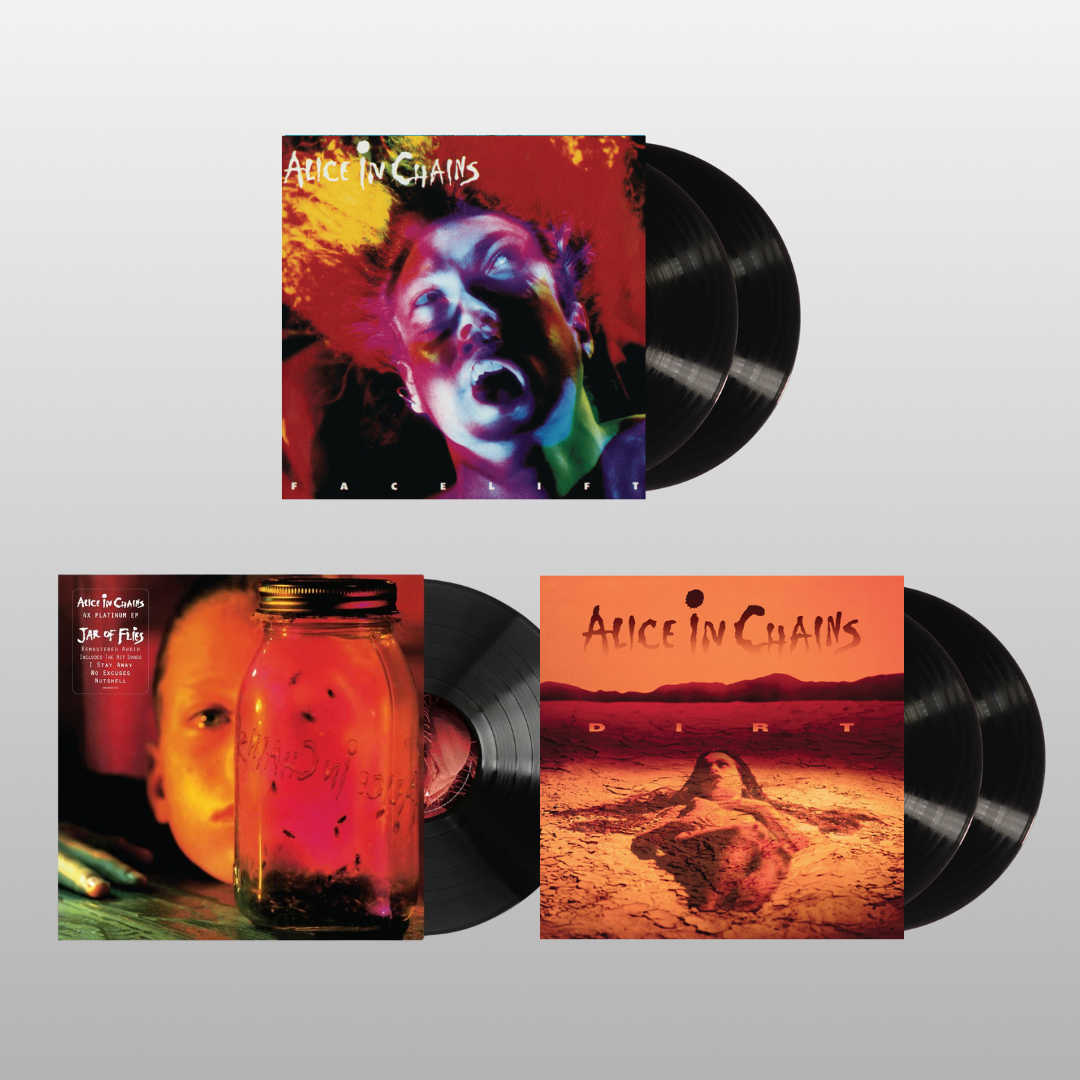

![Taylor Swift - folklore [2LP Beige]](http://vinyl.com/cdn/shop/files/477929-Product-0-I-637317959467683009_grande_a6f82db0-1cb7-45c5-8892-ed79af261e80.webp?v=1736750683&width=5760)
![Mac Miller - Circles [2LP Clear]](http://vinyl.com/cdn/shop/files/mac_1.png?v=1767598863&width=5760)
![Cryptopsy - None So Vile [CD / Vinyl]](http://vinyl.com/cdn/shop/files/SOM830LP.jpg?v=1766139746&width=5760)
![Cannabis Corpse - Beneath Grow Lights Thou Shalt Rise [CD / Vinyl]](http://vinyl.com/cdn/shop/files/SOM310LPP-FRONT.jpg?v=1766139744&width=5760)

![Numenorean - Adore [CD / Vinyl]](http://vinyl.com/cdn/shop/files/SOM504LPCB.jpg?v=1766139732&width=5760)
![Mac Miller - Swimming [2LP]](http://vinyl.com/cdn/shop/files/MacMiller-Swimming_2LP.png?v=1776241230&width=5760)




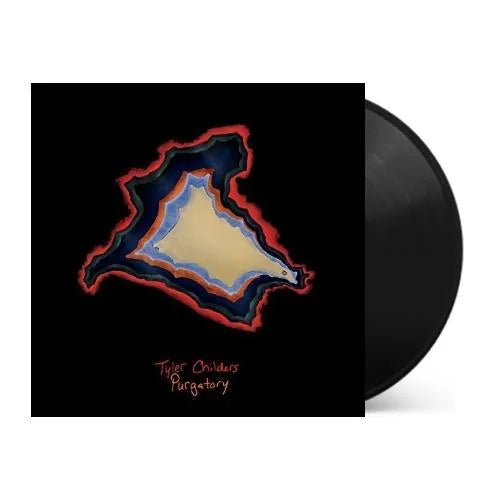
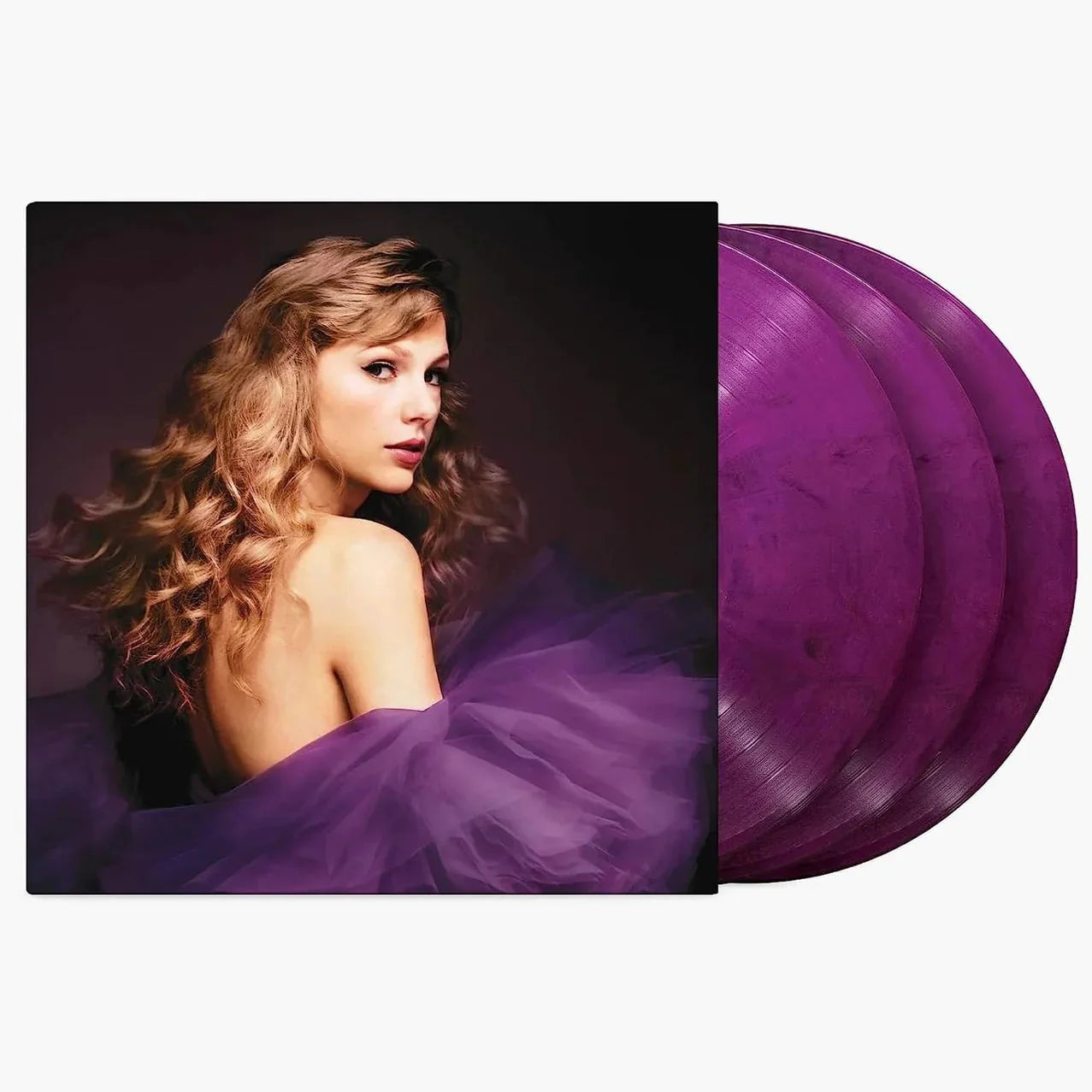
![Zach Bryan - American Heartbreak [3LP]](http://vinyl.com/cdn/shop/files/Zach_Bryan-American_Heartbreak_3LP.webp?v=1764838852&width=5760)
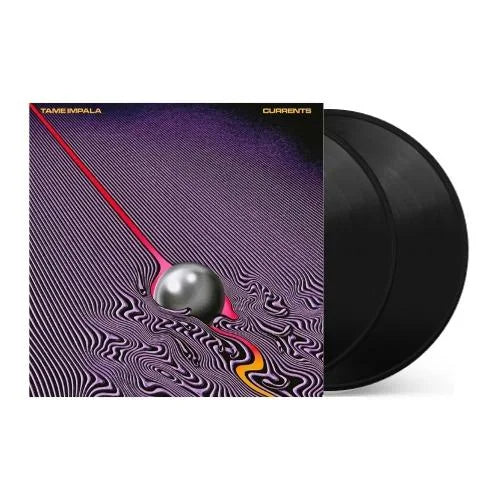
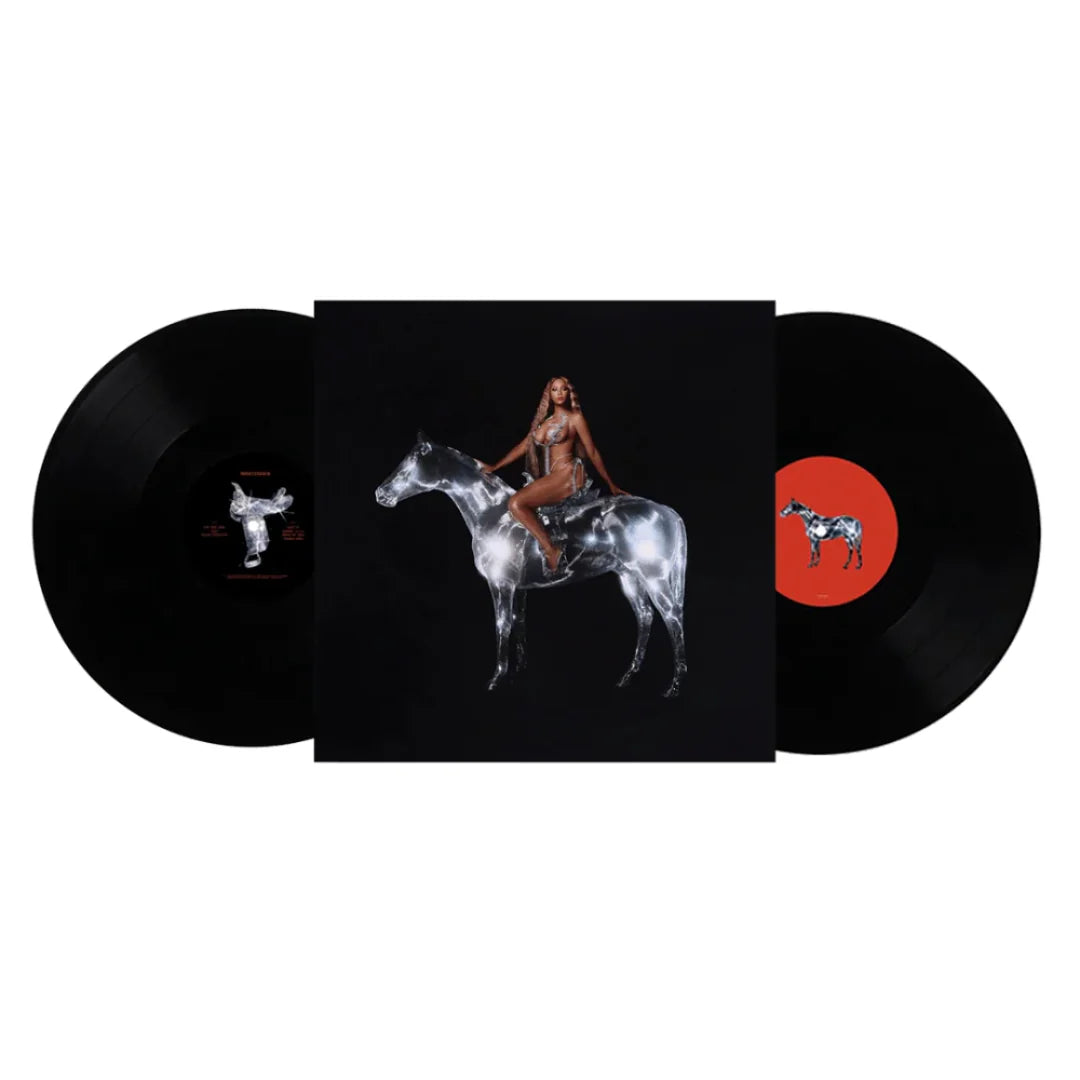
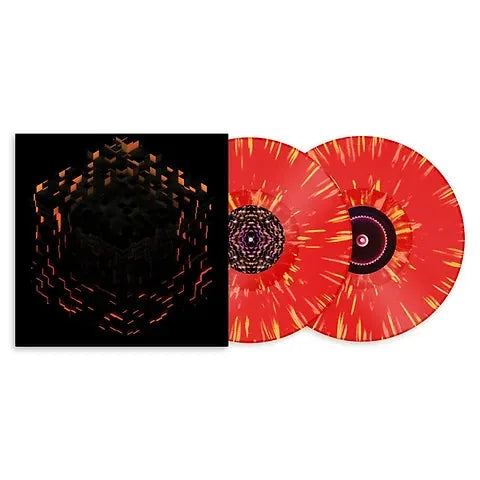

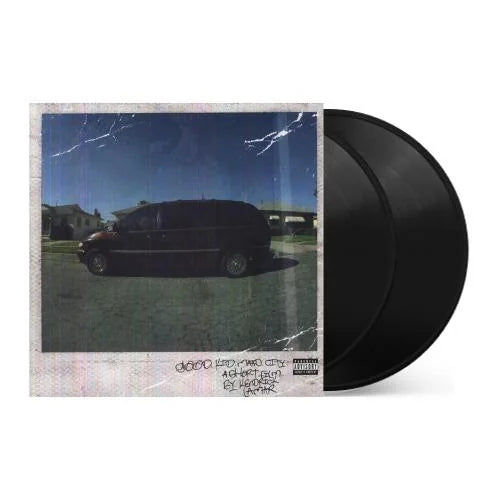

![Miles Davis - Kind of Blue [180-gram]](http://vinyl.com/cdn/shop/files/Y4LPMD03.webp?v=1742198237&width=5760)


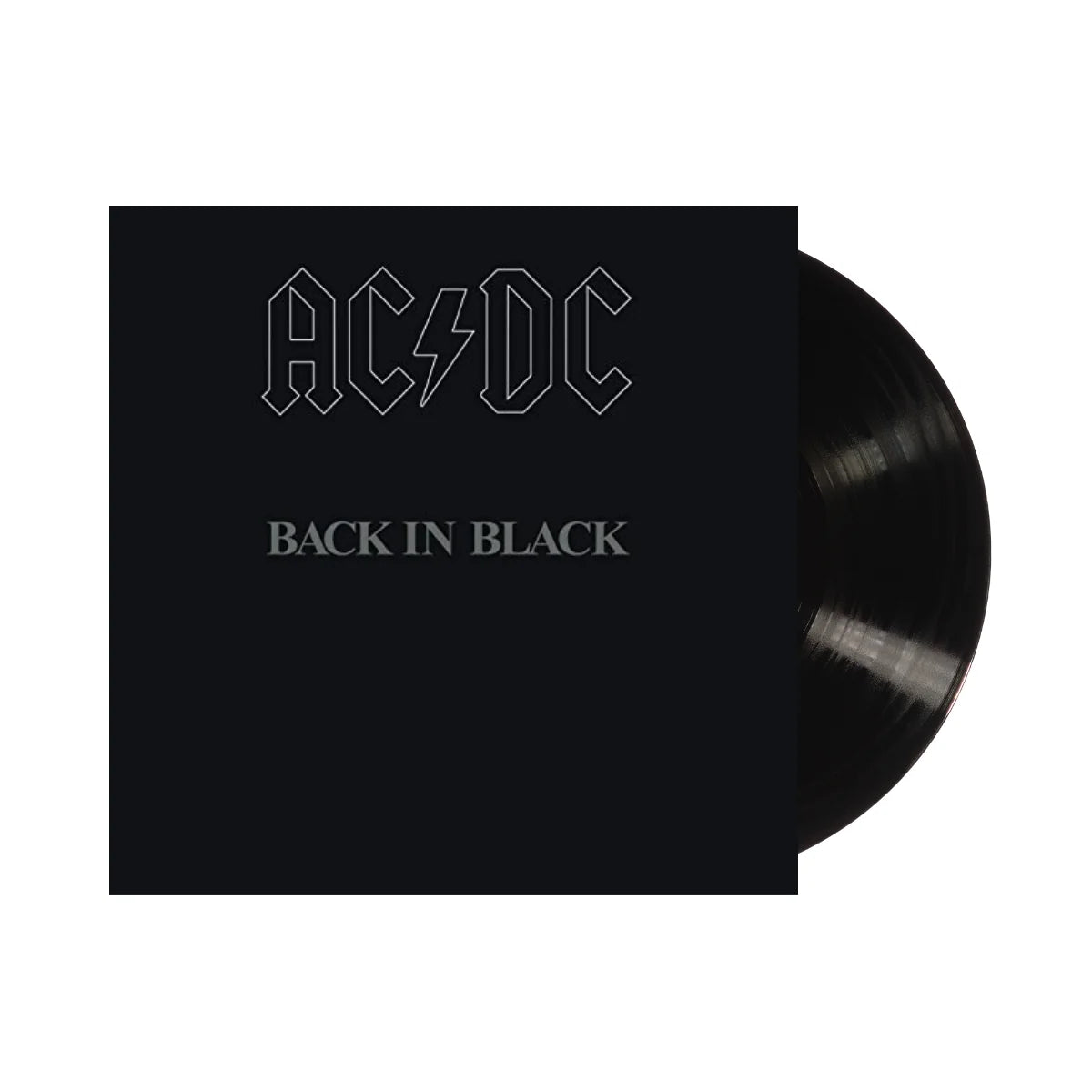
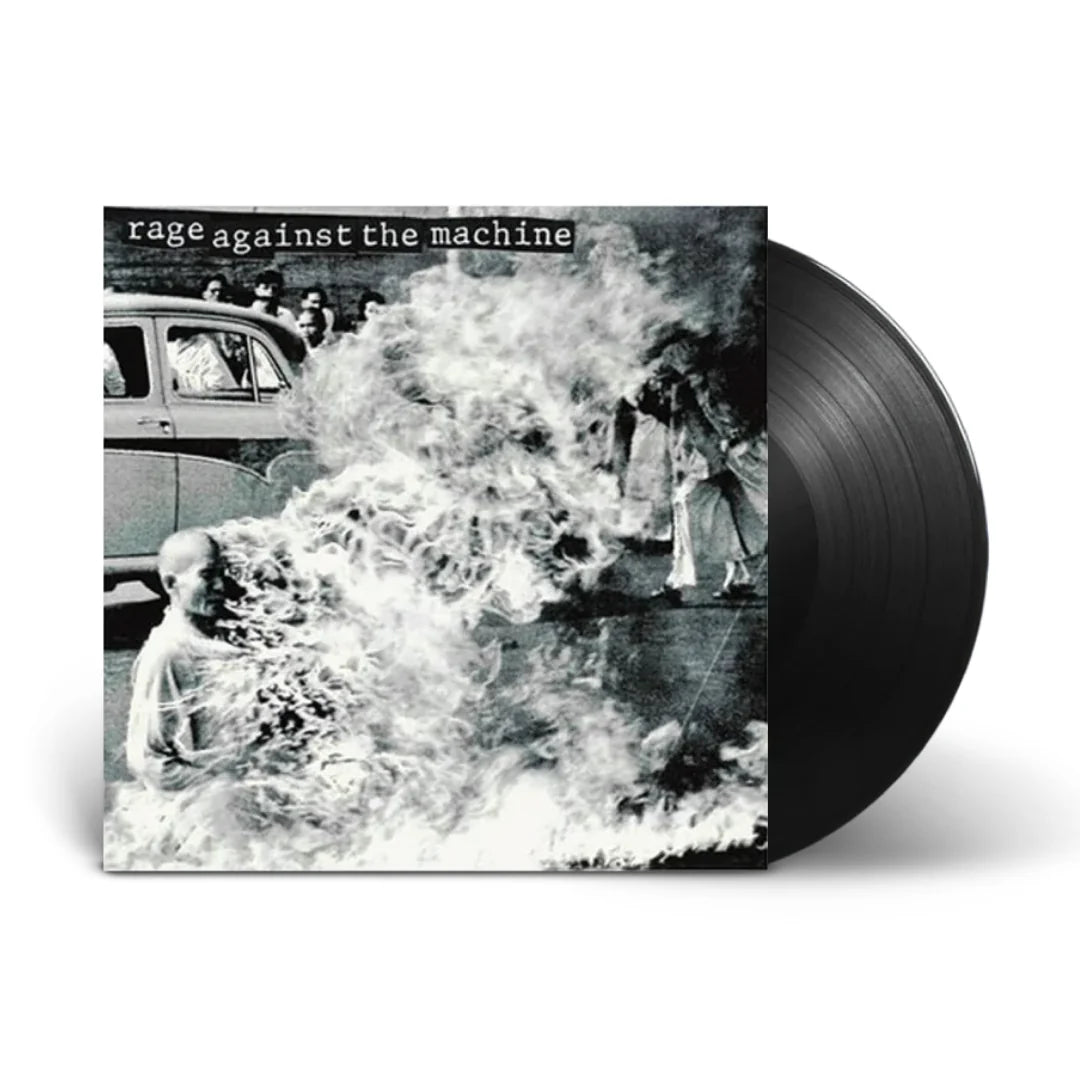
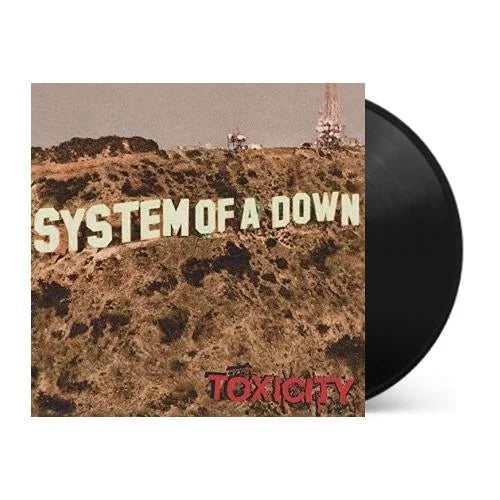

![Taylor Swift - 1989 (Taylor's Version) [2LP Crystal Skies Blue]](http://vinyl.com/cdn/shop/files/taylor_swift_1989_taylors_version.jpg?v=1734389117&width=5760)
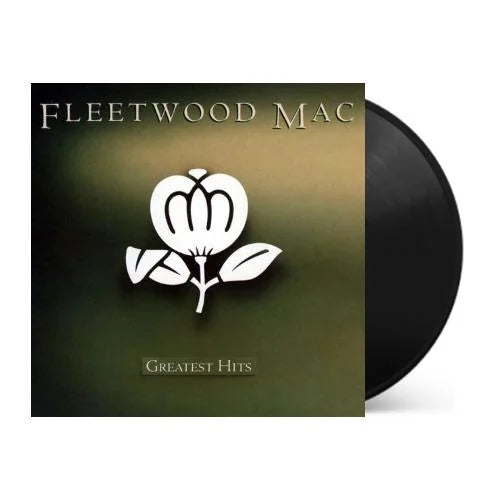
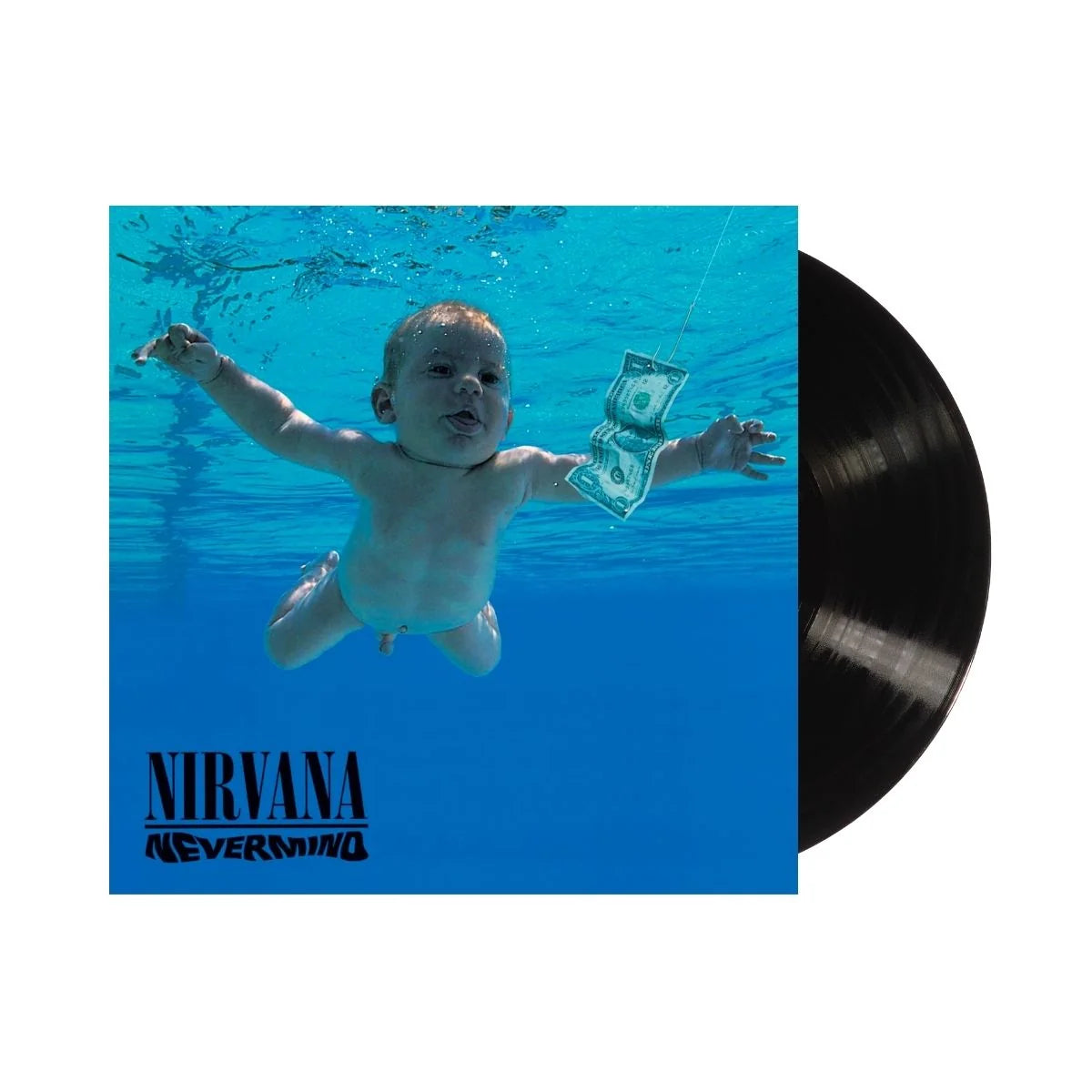

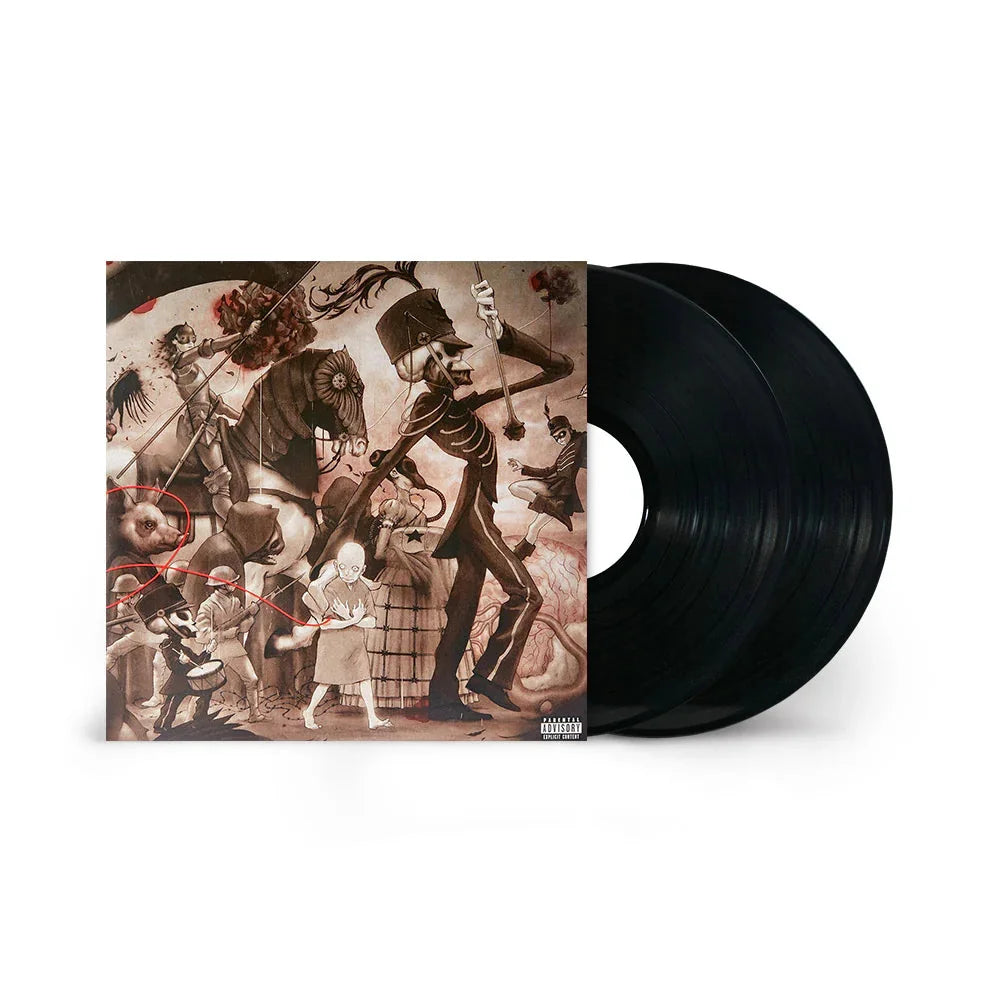

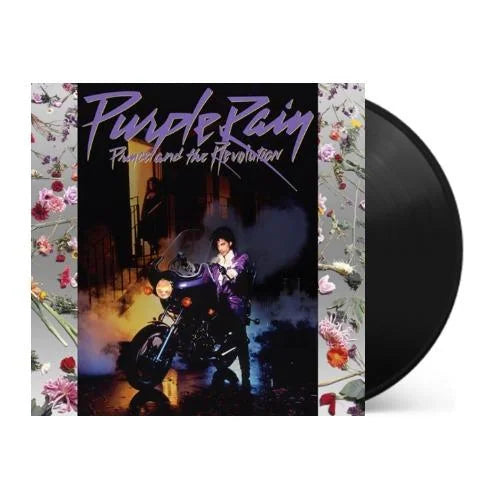
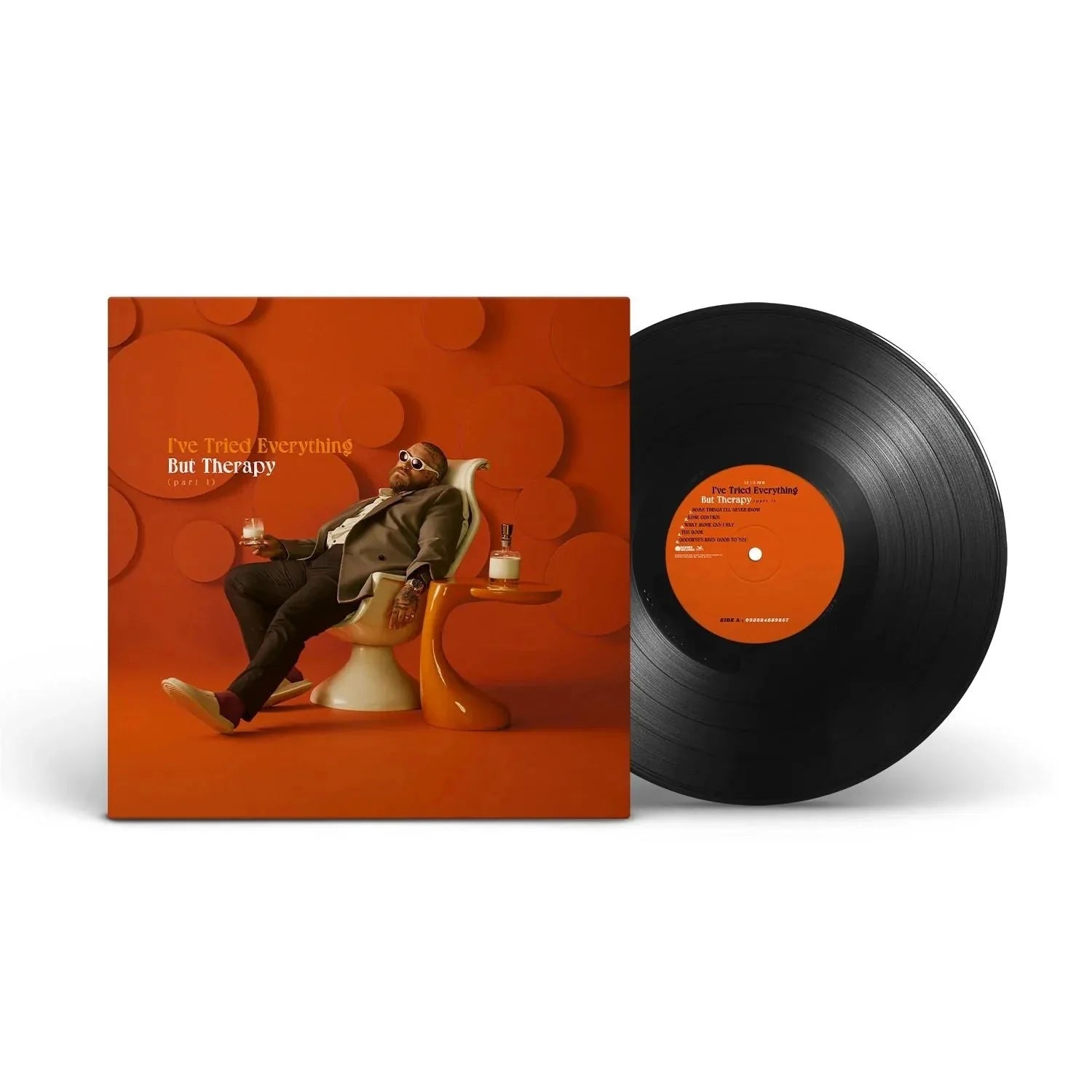
![Various Artists - The Life Aquatic With Steve Zissou O.S.T. [2LP Canary Yellow]](http://vinyl.com/cdn/shop/files/4427619-3397770.jpg?v=1747779139&width=5760)






Vinyl records have become a cherished medium among music enthusiasts who appreciate the tangible and warm sound that only analog media can provide. The renewed interest in this format reflects a broader movement known as analog music revival, where listeners seek a more authentic connection to their favorite songs and artists. This resurgence is driven by a desire to experience music in a way that digital files cannot match, capturing the imperfections and depth of sound that define true artistic expression. Many find that vinyl offers a personal touch and sense of nostalgia that modern streaming often lacks, inviting a deeper engagement with musical art.
Understanding the Vinyl Record Movement
Origins and Evolution
The journey of vinyl records is rooted in a rich history of musical expression that spans decades, evolving alongside technological advancements and cultural shifts. Over time, the medium that once ruled the music industry began to reemerge as a collector’s treasure and a symbol of refined auditory pleasure. It highlights the influential vinyl in music culture that reshaped how listeners value physical music formats. The transformation from a once-dominant medium to a revered collectible underlines how communities have embraced the soulful quality of records while celebrating their legacy.
How the Digital Age Sparked a Return to Analog
In today’s world of instant digital streaming, many have rediscovered the art of listening through the immersive experience of analog sound. The convenience of digital music often sacrifices the emotional connection that comes from playing a record on a turntable. This trend marks a notable vintage audio resurgence as listeners seek to reconnect with the warmth and authenticity that analog sound offers.

Vinyl as a Symbol of Authenticity
They encapsulate the musical content and the rich history and craftsmanship behind each release, representing an unfiltered connection to the creator’s vision. This enduring symbol of quality is often associated with classic vinyl, which stands apart from modern reproductions by preserving the original sound and artistic spirit. For many, the unique character of these records provides a tangible reminder of a time when music was crafted with care, attention, and true artistry.
The Emotional and Sensory Appeal
Listeners often appreciate the tactile nature of handling the record, reading the detailed liner notes, and admiring the large-format album art, all creating a rich, multi-dimensional connection to the music. This sensory journey is embodied in the enduring charm of vinyl albums, where each spin of the record invites nostalgia and a mindful moment of appreciation.
Advances in Vinyl Technology and Production
Innovations That Enhance the Vinyl Audio Experience
Modern innovations have been carefully designed to capture analog formats' fine details and warmth, creating a superior vinyl audio experience that resonates with audiophiles. Engineers and producers now employ cutting-edge equipment to refine the playback quality while still preserving the nostalgic charm of the medium. Such a balanced approach preserves the artistic qualities that have defined records for generations while integrating the precision of modern technology to enhance reliability. Producers are meticulous in ensuring that every record meets exacting standards, blending classic practices with innovative techniques to produce beautiful and enduring music. This harmonious fusion of old and new strengthens vinyl technology's reputation as an art form that evolves with its audience.
Quality Control in Contemporary Record Pressing
In today’s record pressing industry, maintaining rigorous quality control is fundamental to preserving vinyl records' artistry and acoustic excellence. The following are measures taken at various stages of production:
- Sound Testing: Sound testing is a cornerstone of contemporary record pressing quality control, dedicated to ensuring that every groove and channel faithfully reproduces the intended audio experience. In this phase, each record undergoes rigorous tests designed to capture every nuance of sound, from the subtlest background note to the dynamic range of the primary recording. Specialized audio equipment measures signal-to-noise ratio, frequency response, and harmonic distortion, offering a detailed snapshot of the record’s sonic performance. Engineers employ automated systems and skilled listening panels to identify any inconsistencies that might detract from the listening experience. This multi-layered approach enables immediate feedback, so that any deviation from optimal performance, whether due to microscopic surface irregularities or variations in the pressing process, is detected and rectified before the record reaches the market.
- Physical Inspection: Trained technicians meticulously scrutinize the surface and overall geometry of the record, searching for signs of warps, bubbles, scratches, or any other defects that could hinder playback or damage the listening experience. Advanced optical scanners and manual inspection techniques are employed to capture high-resolution images of each disc, allowing for detecting even the slightest irregularities. This rigorous examination ensures that records maintain their intended shape and structural integrity, which is crucial for sound quality and long-term durability. Any imperfections identified during this stage are documented and evaluated, and if necessary, the record is either reprocessed or discarded to uphold the stringent quality standards of the pressing facility.
- Advanced Machinery: Integrating advanced machinery into the record pressing process has revolutionized quality control by enabling the early detection of even the most minute imperfections. Cutting-edge sensors, automated imaging systems, and real-time monitoring software work in tandem to assess various parameters throughout the production cycle. These high-tech tools analyze the composition and consistency of the raw materials, the precise pressure applied during the pressing process, and the fine details of the finished record. By continuously monitoring the process, advanced machinery can identify deviations from the established quality standards almost instantaneously. This immediate feedback allows for prompt adjustments, ensuring that potential issues are addressed before they evolve into significant defects. The technology enhances production efficiency and ensures that every record achieves a level of precision that manual methods alone might not guarantee.
- Consistent Standards: This principle involves establishing and rigorously enforcing a comprehensive set of benchmarks covering every facet of the record pressing process, from raw materials to final packaging selection. Quality control protocols are meticulously documented and integrated into each production stage, with regular audits and performance reviews to guarantee compliance with industry standards. The production environment is continuously monitored to ensure that temperature, humidity, and machine calibration remain within optimal ranges, thereby minimizing variability and potential errors. This unwavering commitment to consistency means that, regardless of the volume of records pressed in a given run, each disc embodies the same high quality, sonic fidelity, and physical durability. Manufacturers can deliver products that consistently capture the rich, authentic sound that vinyl is renowned for by standardizing processes and employing both automated systems and expert human oversight.
These practices ensure that each vinyl record meets and exceeds the expectations of both audiophiles and collectors, preserving the enduring legacy of this classic medium.

Artistic Packaging, Liner Notes, and Album Art Revivals
Contemporary releases are accompanied by carefully designed covers of vintage vinyl albums, detailed liner notes, and creative packaging that reflect the spirit of the music. These elements are thoughtfully curated to offer fans a deeper connection to the artist’s vision and a complete aesthetic experience. This revival of artistic expression in packaging is a testament to the enduring appeal of physical media, where every detail matters.
The Culture of Vinyl Collecting
Building and Maintaining a Vinyl Collection
For many enthusiasts, starting a vinyl collection is a journey filled with personal discovery and historical appreciation. The process of building a collection involves finding records that resonate with individual tastes and understanding the stories behind each release. Collectors spend time researching artists, genres, and sound evolution, deepening their connection to the music.
Navigating Online Stores for Vinyl
A wealth of online stores offers collectors an extensive selection of genres, artists, and editions, making it easier than ever to explore different facets of musical history. These platforms also frequently feature competitive pricing and seasonal promotions, enabling buyers to snag the best vinyl deals without sacrificing quality. The convenience of online shopping has fostered a vibrant community where fans share recommendations, reviews, and experiences.
Discovering Rare Records
The thrill of the hunt is a fundamental aspect of the vinyl collecting culture, as enthusiasts constantly search for unique and hard-to-find items that add a distinct charm to their collections. Uncovering treasures often involves attending record fairs, scouring second-hand shops, and networking with collectors who share similar passions. This adventure in search of exclusivity leads many to celebrate the discovery of rare records for collectors, where each find represents a unique piece of music history. These limited-edition releases add value to a collection and contribute to a deeper understanding of the cultural evolution and artistic achievements that have shaped the music industry.
Tips for Vinyl Care and Preservation
Following proper care and preservation techniques ensures that each record maintains its pristine sound quality and historical integrity. Below are key tips:
- Use Cleaning Kits: A specialized cleaning kit typically includes a soft brush, microfiber cloths, and a solution formulated to dissolve grime without leaving residue. By regularly cleaning your records, you prevent the accumulation of particles that can cause unwanted pops, clicks, and background noise during playback. The process should be carried out with deliberate care, first using a dry brush to remove loose particles, followed by a gentle wipe with a damp microfiber cloth, and finally allowing the record to dry completely before placing it back in its sleeve. This method not only preserves the delicate grooves that encode the music but also extends the lifespan of the vinyl by reducing the risk of scratches and abrasions. Moreover, the use of cleaning kits helps maintain the visual appeal of your records, keeping album covers and labels in excellent condition.
- Store Vertically: Proper vinyl records storage is paramount to preventing physical deformation, and storing them vertically is a proven method to maintain their shape and functionality. Records stored in a vertical position are less likely to experience pressure-induced warping than those stacked horizontally. When placed upright, each record supports its weight, reducing stress on the grooves and inner core. It is advisable to use storage shelves or dedicated record crates that provide even support and are designed specifically for vinyl collections. These storage units should be free from dust and away from high-traffic areas to minimize the risk of accidental damage. In addition to keeping records vertically, organizing them in protective sleeves to guard against dust accumulation and scratches is beneficial. By arranging your records carefully, you also make it easier to access and handle each album individually, reducing the chance of damaging any cover art or labels. The vertical storage method helps maintain the balance of the record, ensuring that the materials used in production remain stable over time.
- Control the Environment: Maintaining a cool, dry environment is essential to prevent damage from humidity, heat, and rapid temperature changes that can cause the vinyl to warp, become brittle, or attract moisture and mold. Ideally, your storage area should have a consistent temperature and low humidity, which can be achieved with climate-controlled storage units or by using dehumidifiers in enclosed spaces. Avoid storing your collection in areas exposed to direct sunlight, such as near windows or in rooms with inadequate air circulation, as the UV rays can degrade the plastic and fade album covers over time. Additionally, sudden fluctuations in temperature can cause condensation on the surface of the records, potentially leading to stickiness or microbial growth that compromises both the sound quality and physical appearance. Using archival-quality shelves and cases can further enhance the protection of your records by providing a barrier against environmental pollutants and dust. Monitoring the conditions of your storage space with a hygrometer and thermometer will help ensure that the environment remains stable.
- Handle Carefully: When handling vinyl records, holding them by the edges or the designated areas on the outer sleeve is advisable to prevent transferring oils, dirt, or moisture from your hands onto the playing surface. Fingerprints and oils can degrade the sound quality by interfering with the needle’s ability to track the grooves, leading to distortion or skipping during playback. To minimize risk, consider using clean cotton gloves when removing records from their storage cases, especially if you are dealing with rare or particularly delicate items. Also, ensure that your hands are clean and dry before handling records, and avoid eating or drinking nearby to prevent accidental spills or smudges.
By integrating these best practices into your routine, you create a sustainable framework that honors the artistry behind each record.
Vintage Audio Resurgence and Community Growth
Record Fairs and Vinyl Collecting Events
These occasions draw enthusiasts from far and wide who come together to share their passion for analog sound and explore unique finds. Attendees engage in in-depth conversations about their favorite records while discovering treasures that reflect the spirit of vinyl revival. The events often feature live demonstrations, expert talks, and interactive booths, all designed to foster a sense of community and shared excitement.
Themed Record Collections and Curated Playlists
Curators and collectors assemble records that tell a story, guiding listeners through different eras, genres, or moods. These playlists highlight the beauty of collectible vinyl records by drawing attention to rare cuts and unique releases that evoke specific memories or emotions. Each curated list is designed to provide an immersive experience, allowing audiences to dive deep into the narrative behind every track.

The future of analog music culture appears vibrant and full of promise as both technology and community continue to evolve in harmony with tradition. Enthusiasts remain committed to preserving a unique auditory heritage while exploring innovative methods to ensure sustainability and growth in physical media. As new generations discover the charm of engaging with music through tactile and sensory experiences, the legacy of vinyl is poised to thrive.
