


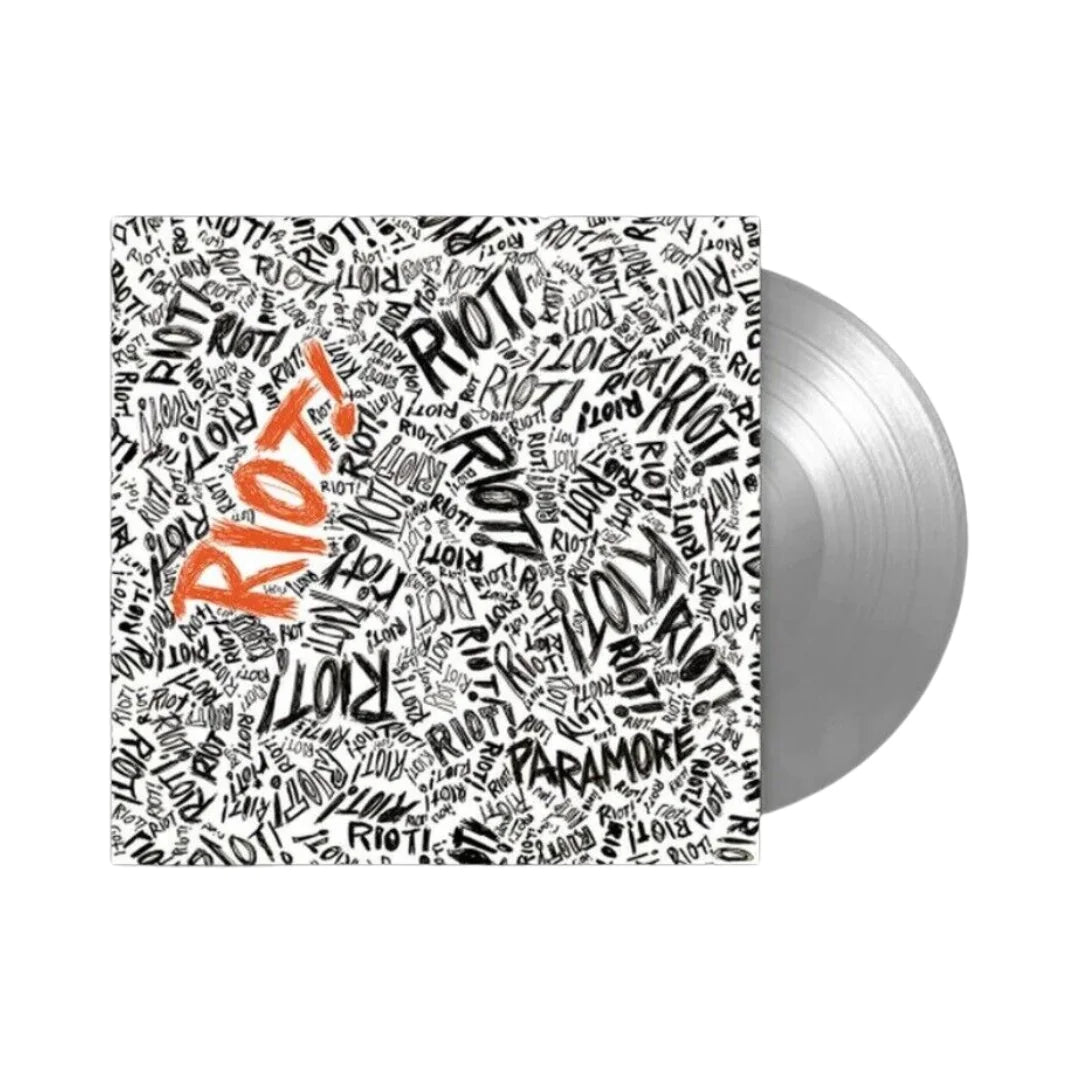
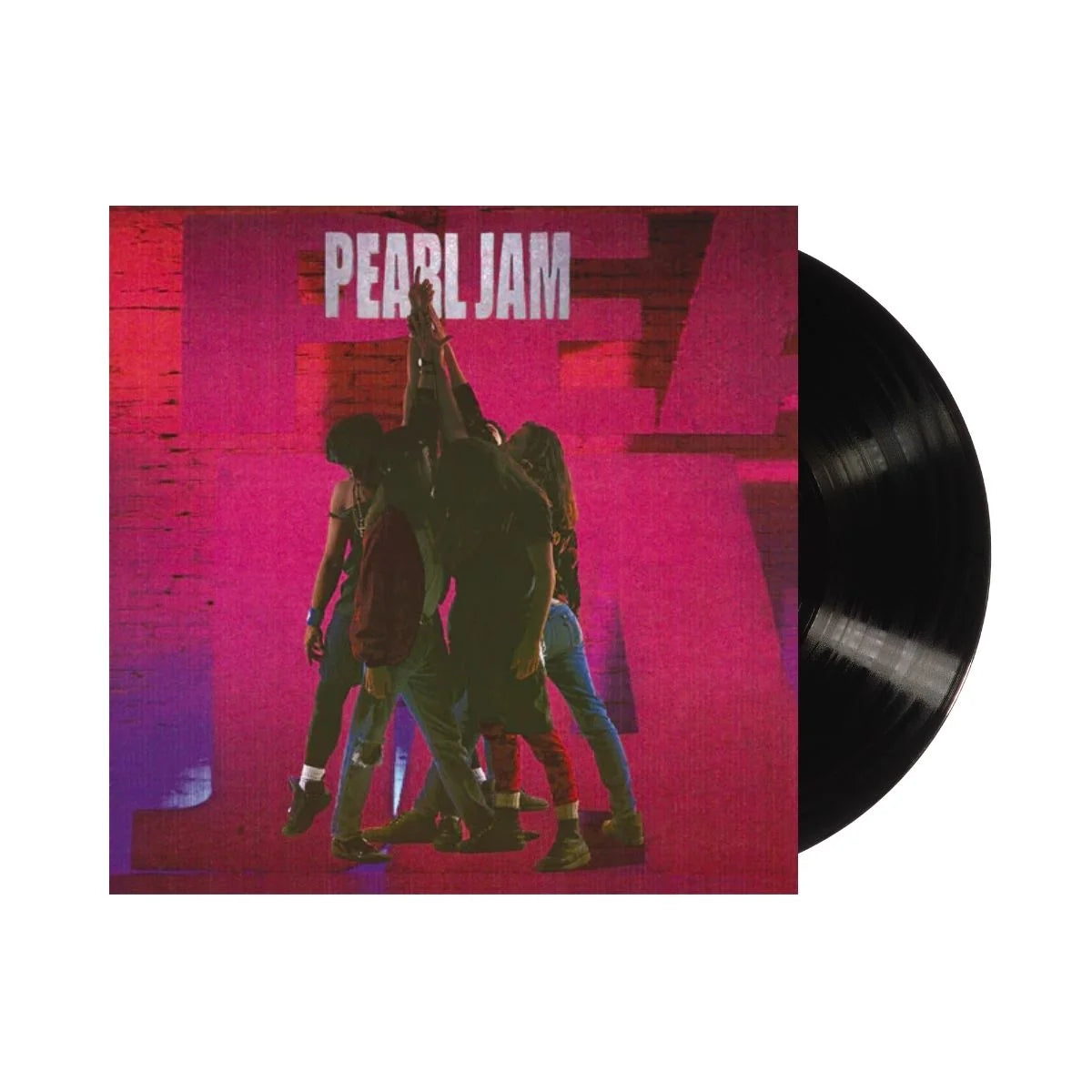
![Mac Miller - Circles [2LP Clear]](http://vinyl.com/cdn/shop/files/mac_1.png?v=1767598863&width=5760)
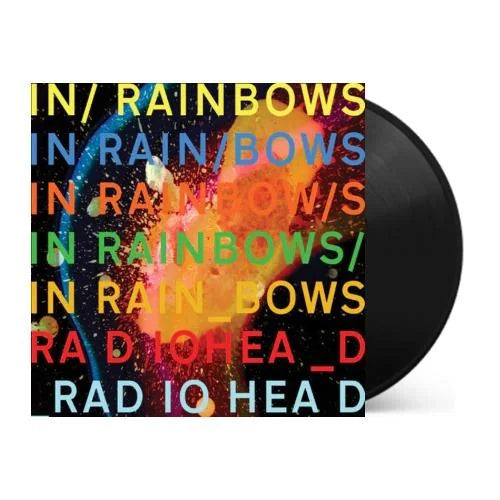
![Smashing Pumpkins - Mellon Collie and The Infinite Sadness [4LP Box Set]](http://vinyl.com/cdn/shop/files/MellonCollie4LP-SmashingPumpkins.png?v=1736990865&width=5760)
![The Grateful Dead - The Music Never Stopped [6LP Box Set]](http://vinyl.com/cdn/shop/files/The_Grateful_Dead-The_Music_Never_Stopped__6LP_Box_Set.jpg?v=1747729623&width=5760)
![The Grateful Dead - Madison Square Garden, New York, NY 3/9/81 (2023 Rocktober Edition) [5LP Box Set]](http://vinyl.com/cdn/shop/files/gratefuldead_2.png?v=1768197509&width=5760)

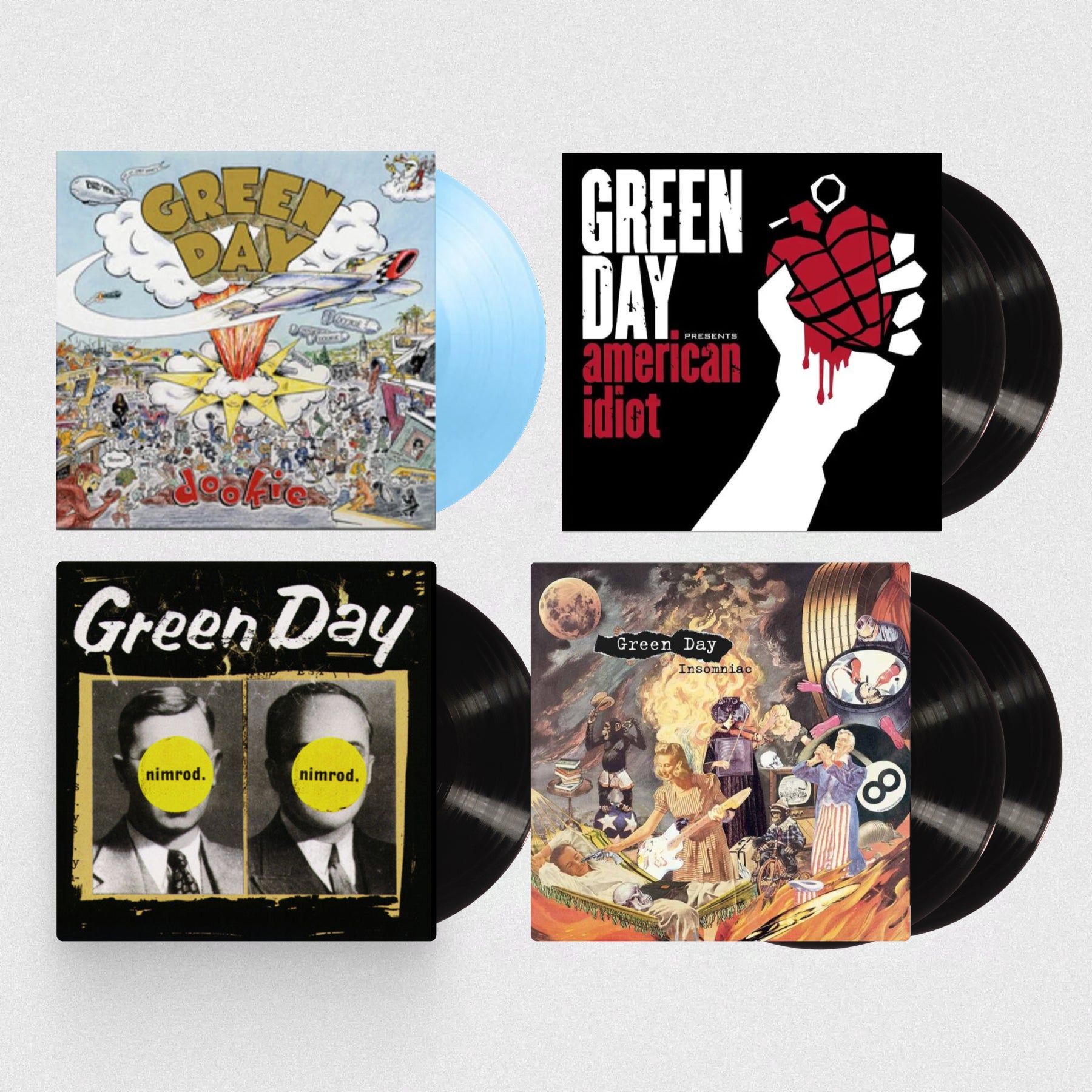
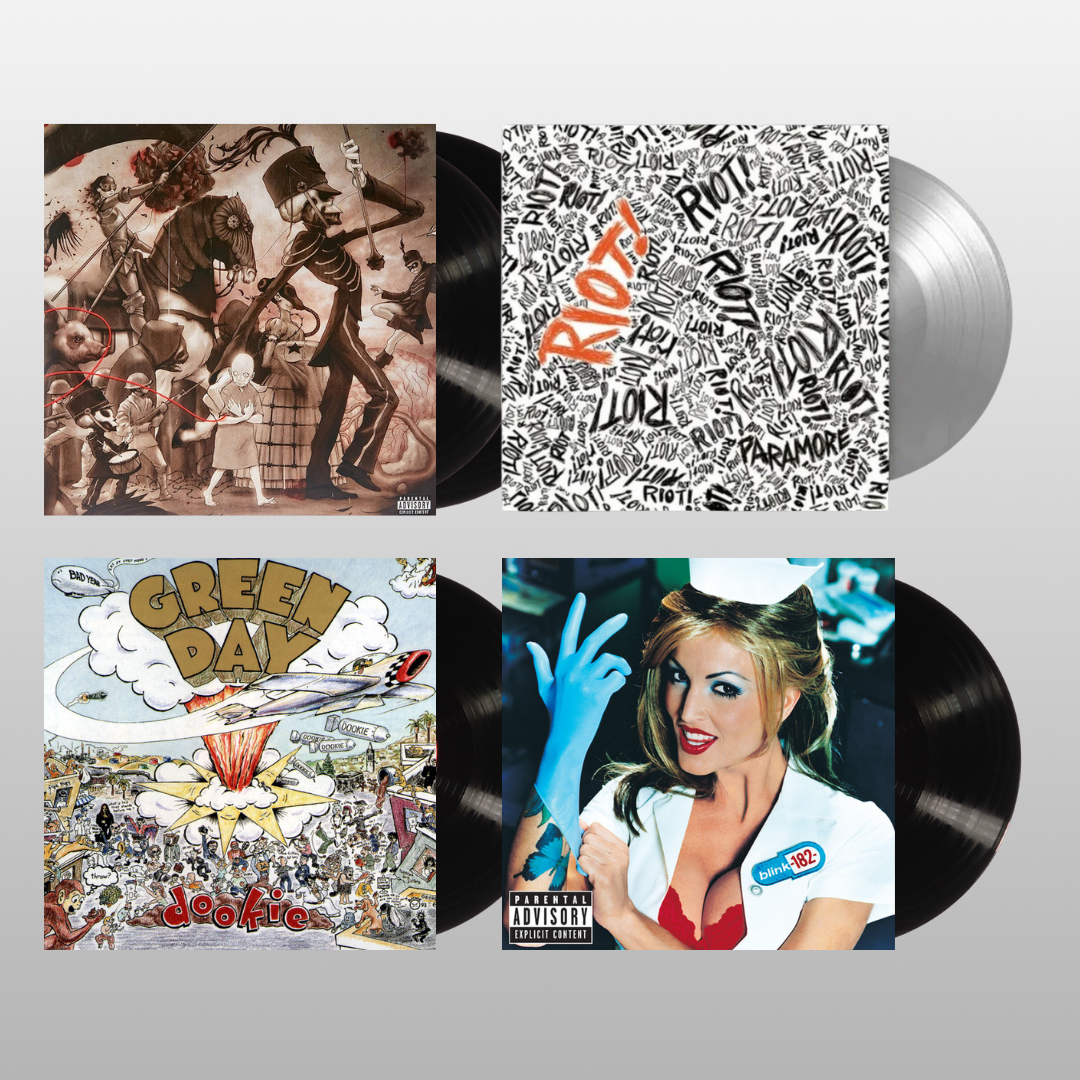
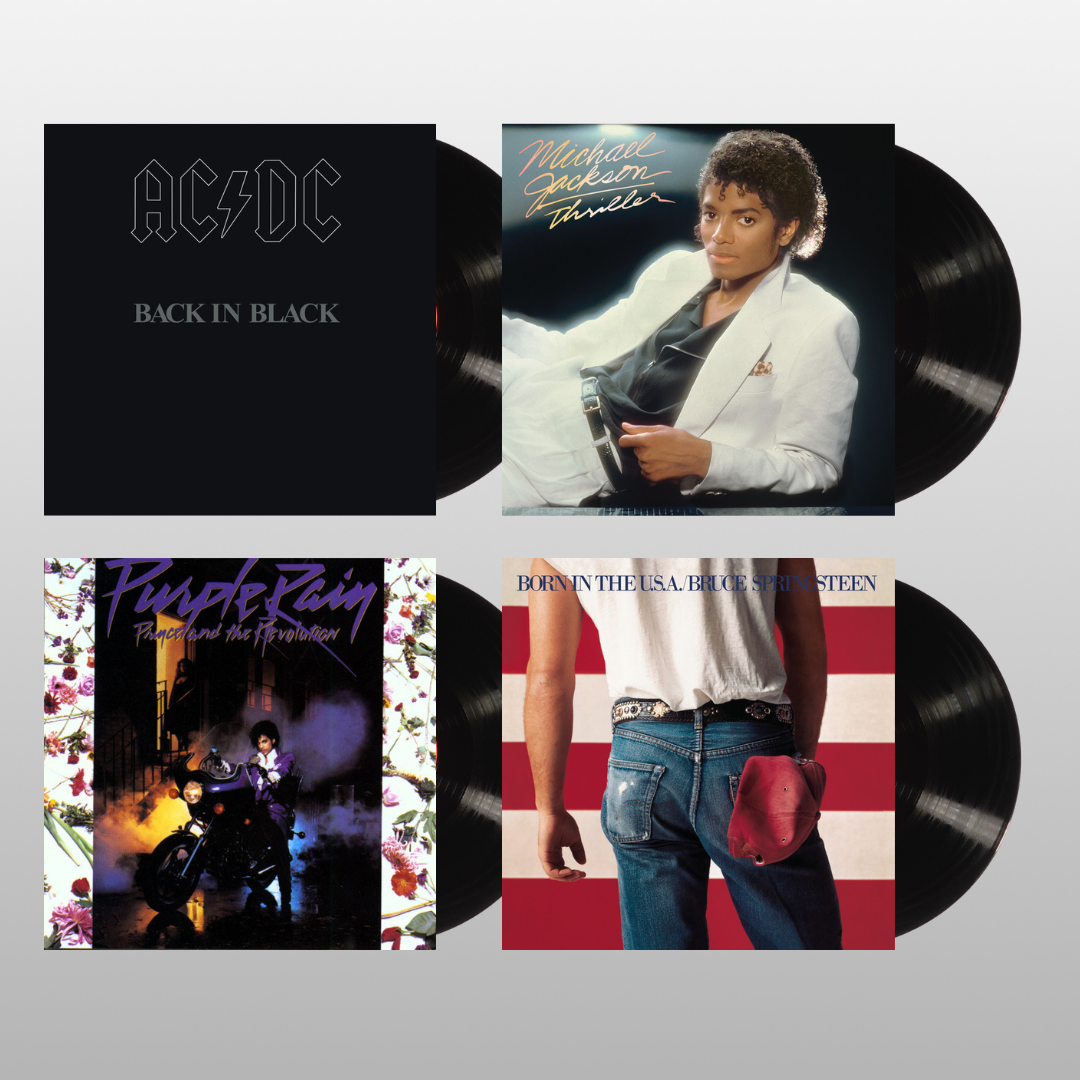
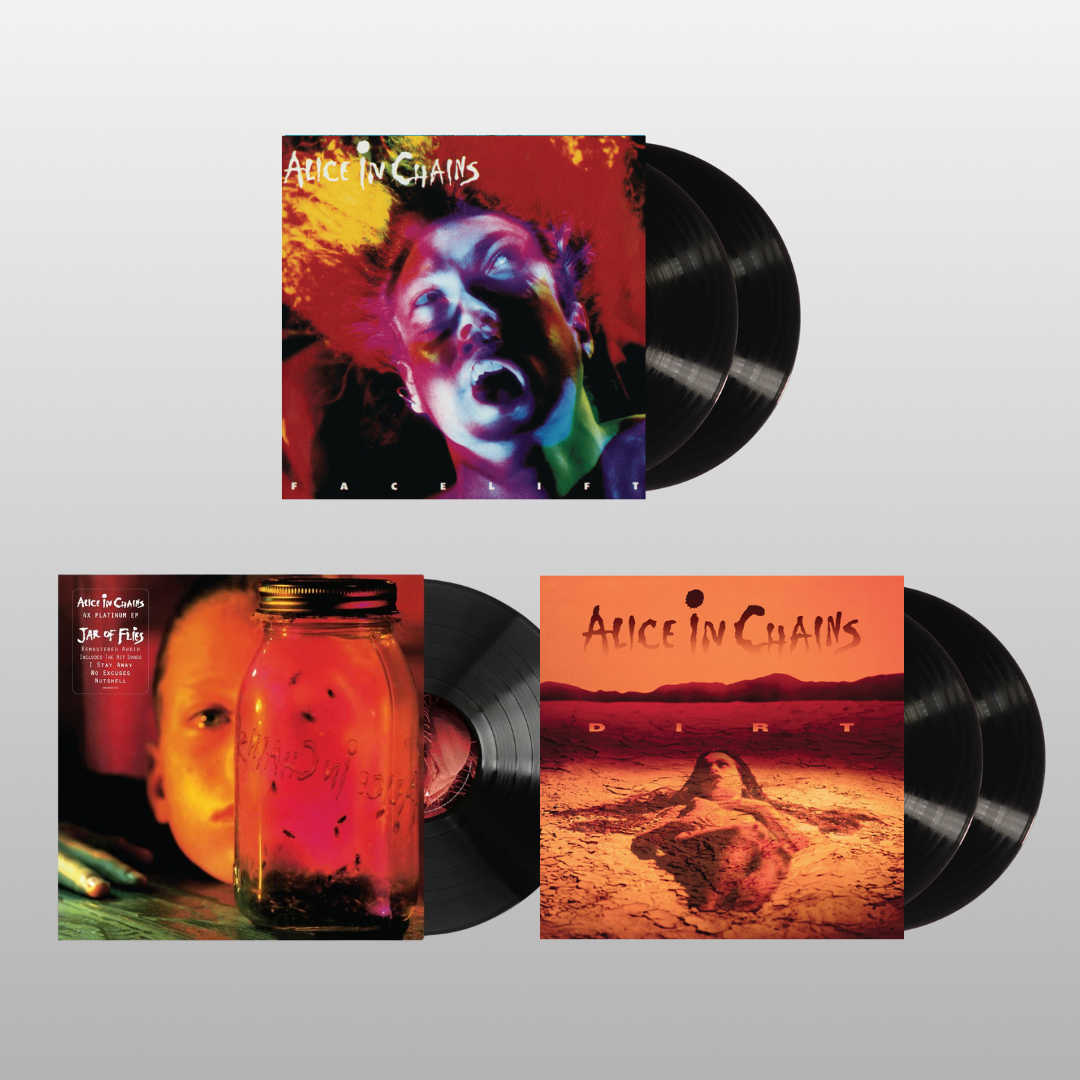
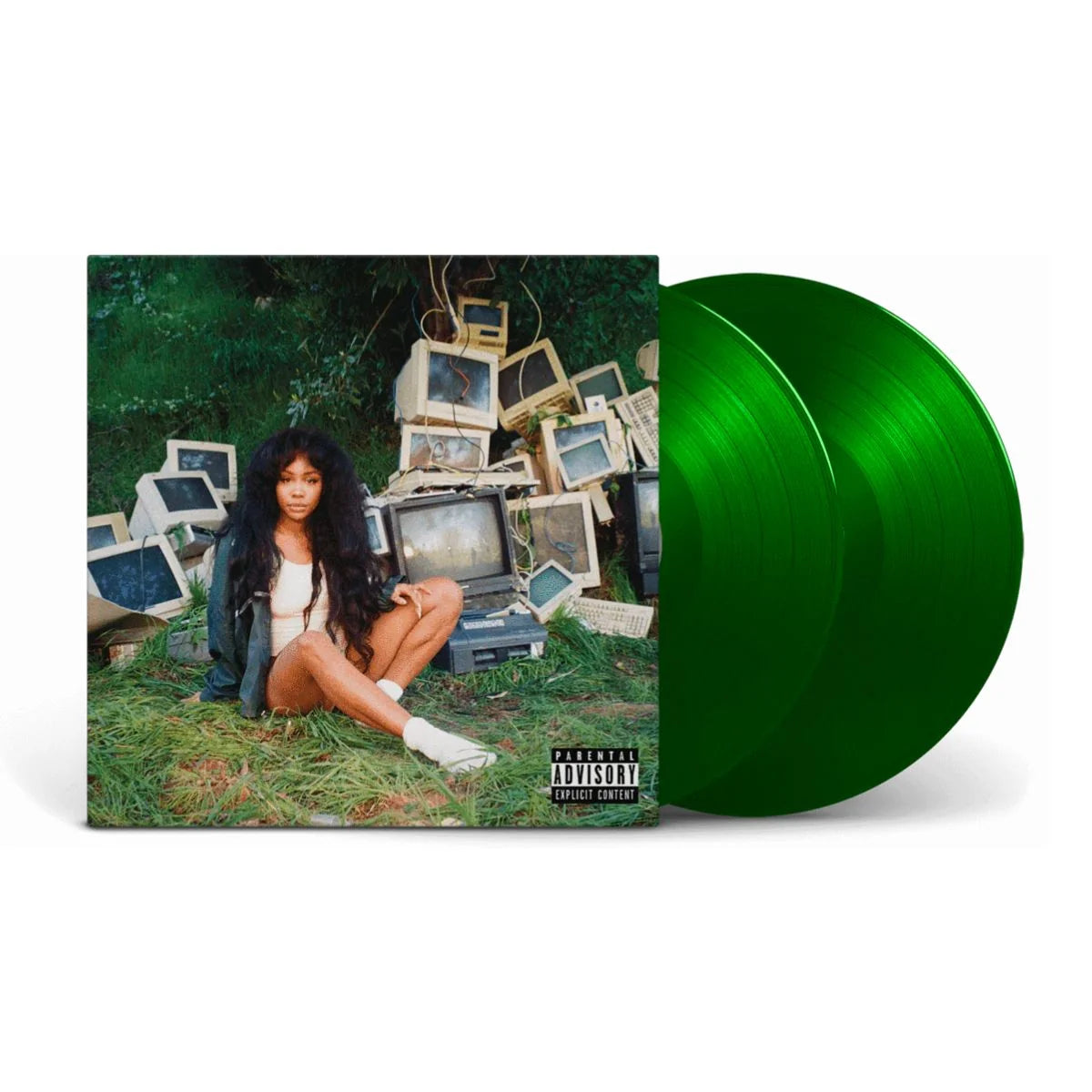
![Mac Miller - Swimming [2LP]](http://vinyl.com/cdn/shop/files/MacMiller-Swimming_2LP.png?v=1776241230&width=5760)
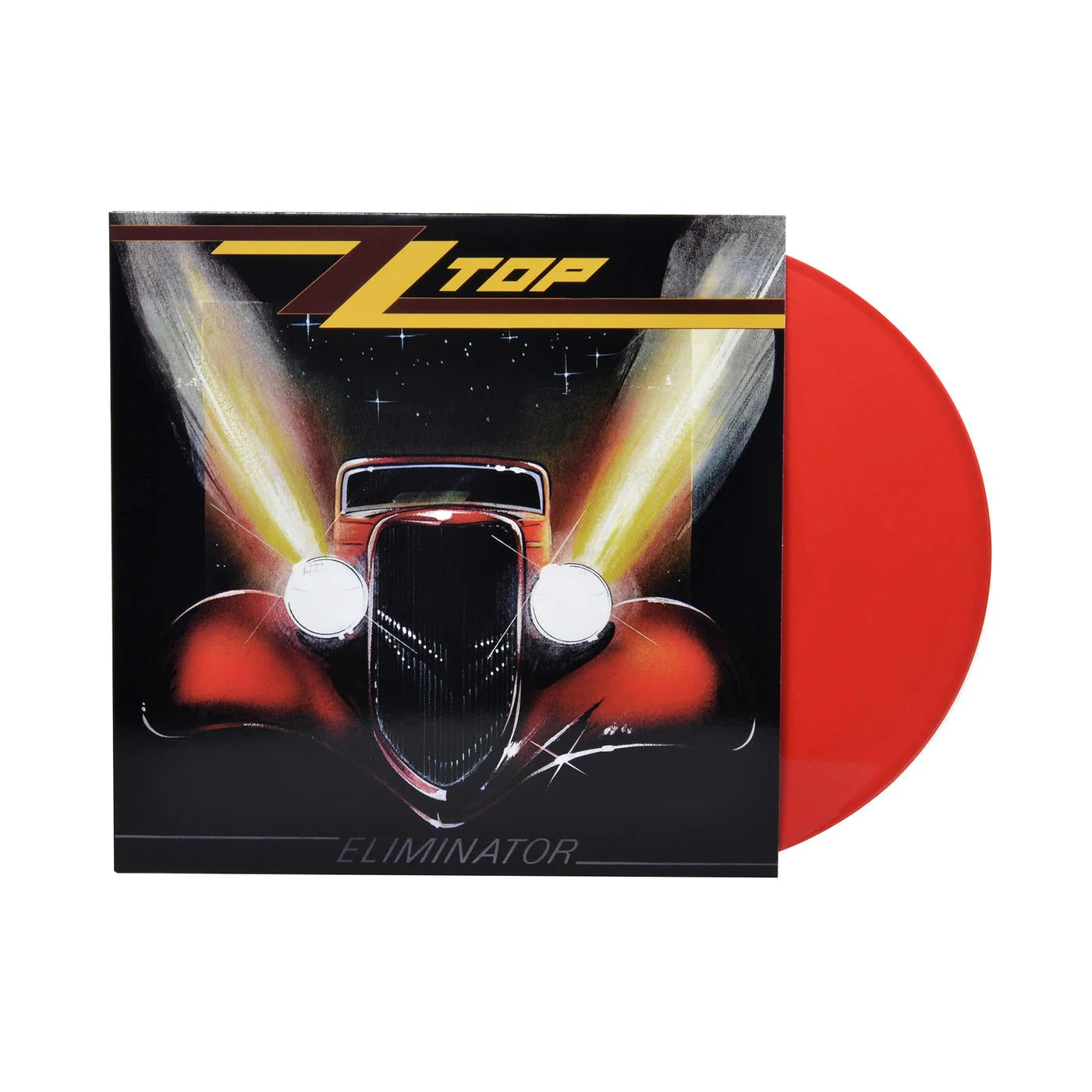
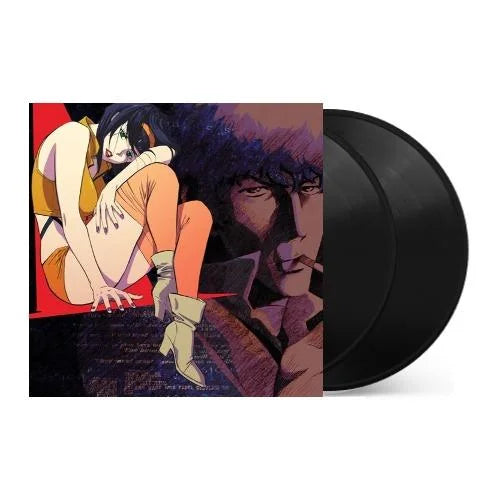
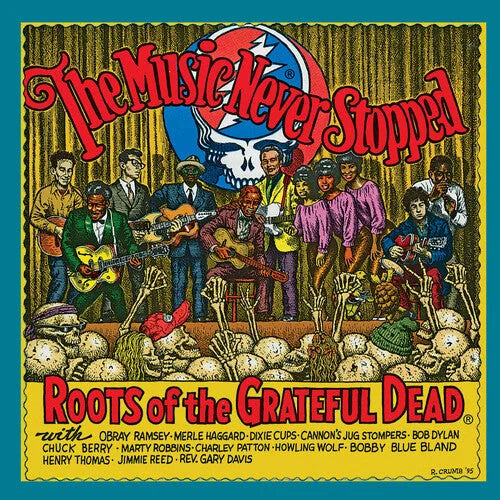

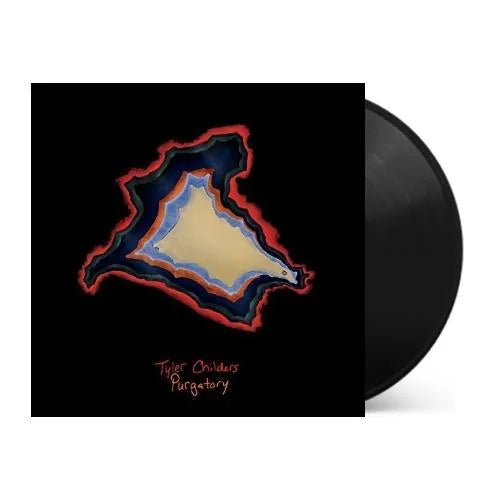

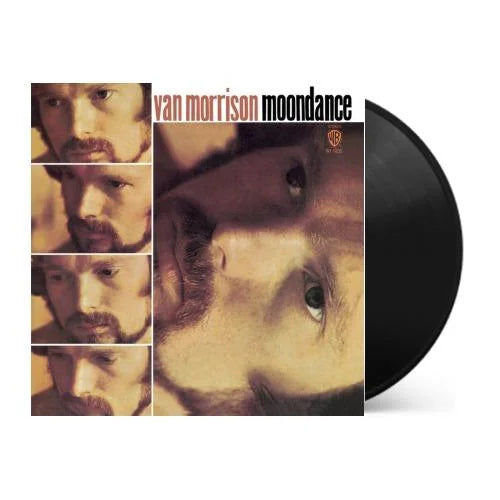
![Zach Bryan - American Heartbreak [3LP]](http://vinyl.com/cdn/shop/files/Zach_Bryan-American_Heartbreak_3LP.webp?v=1764838852&width=5760)
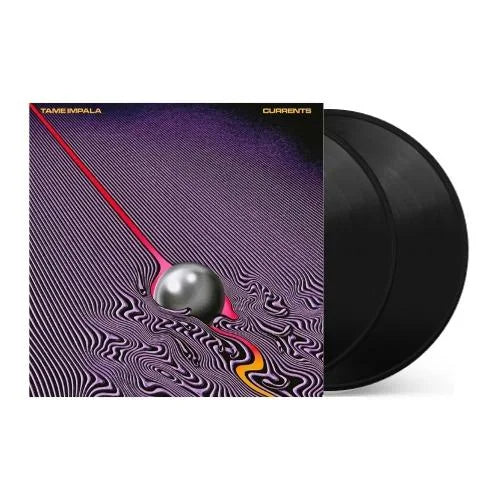


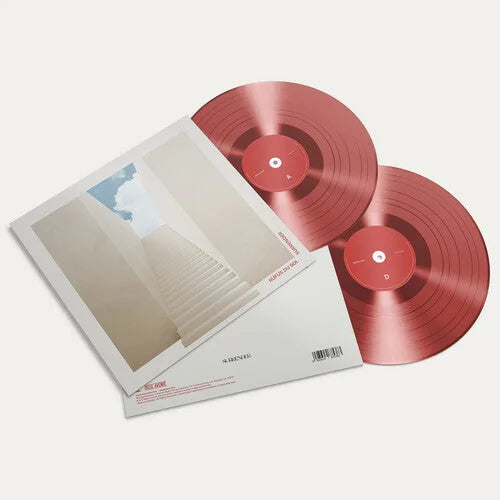
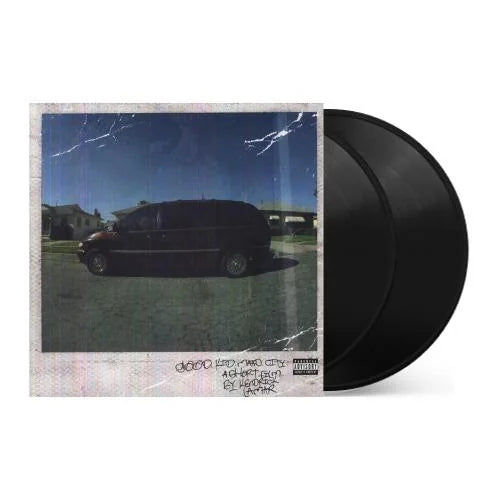

![Sade - The Best Of Sade [2LP]](http://vinyl.com/cdn/shop/files/Sade-TheBestOfSade_2LP.png?v=1785118550&width=5760)
![Miles Davis - Kind of Blue [180-gram]](http://vinyl.com/cdn/shop/files/Y4LPMD03.webp?v=1742198237&width=5760)


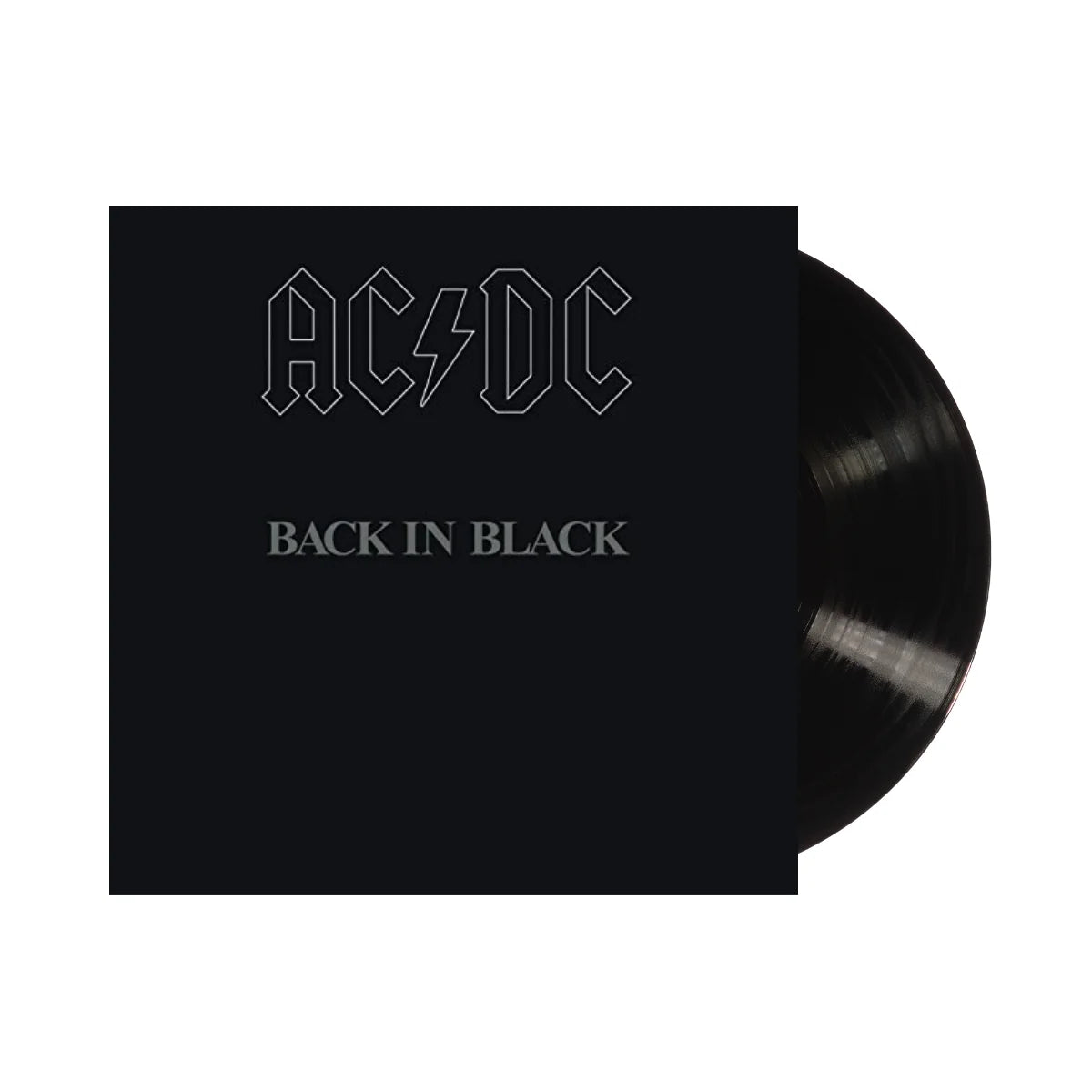
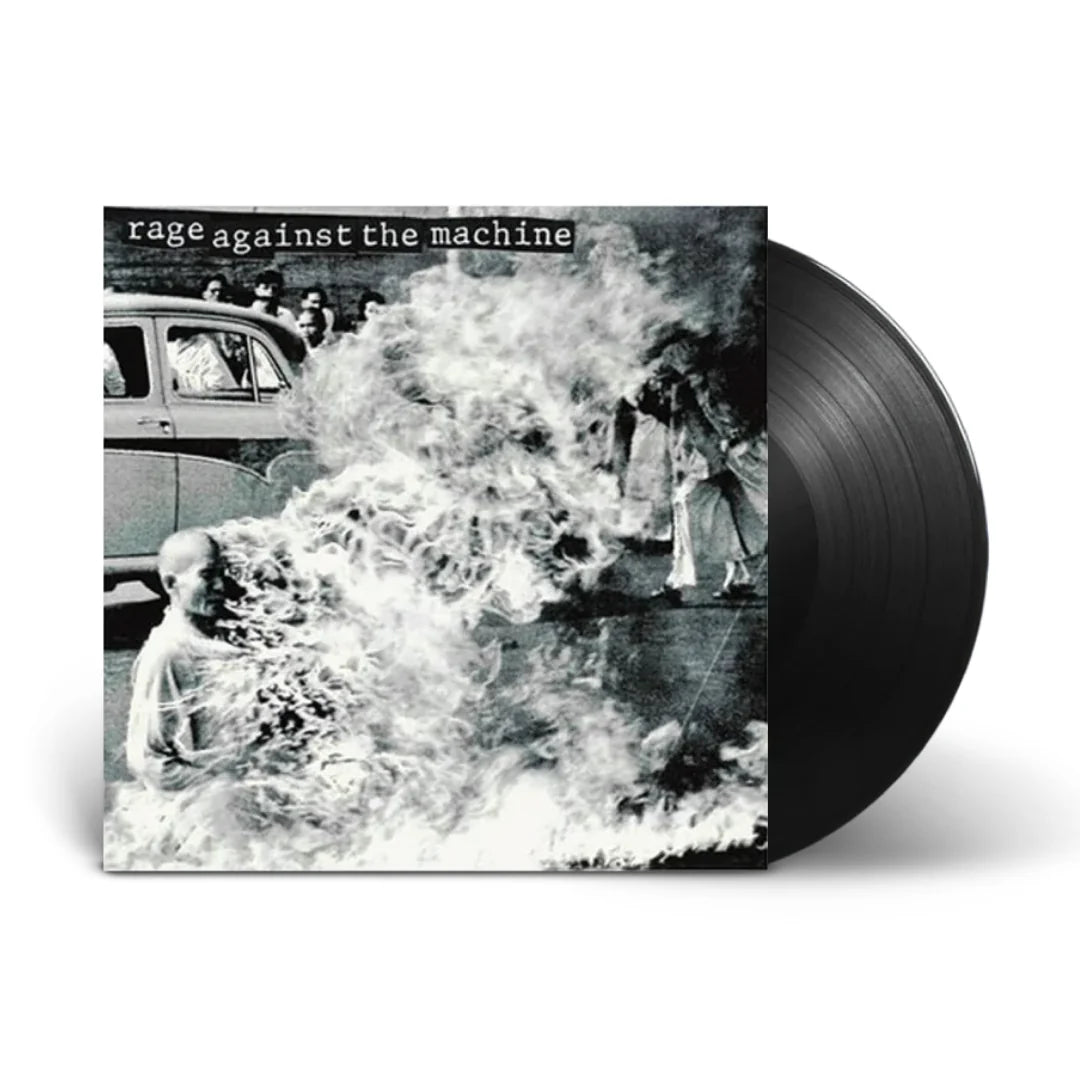
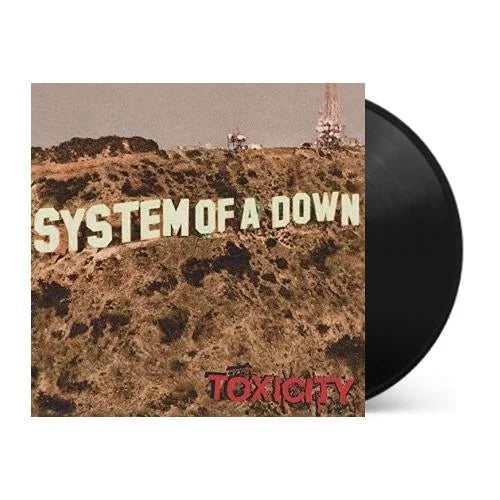
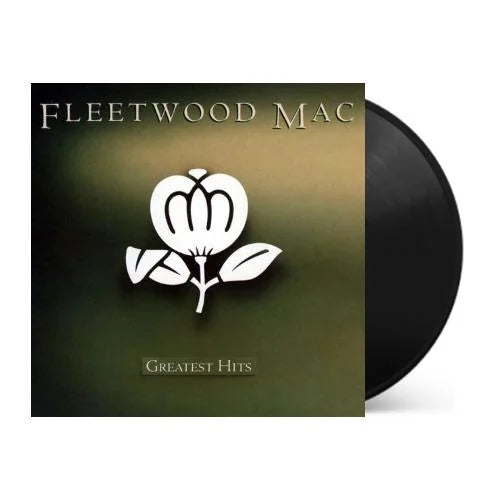
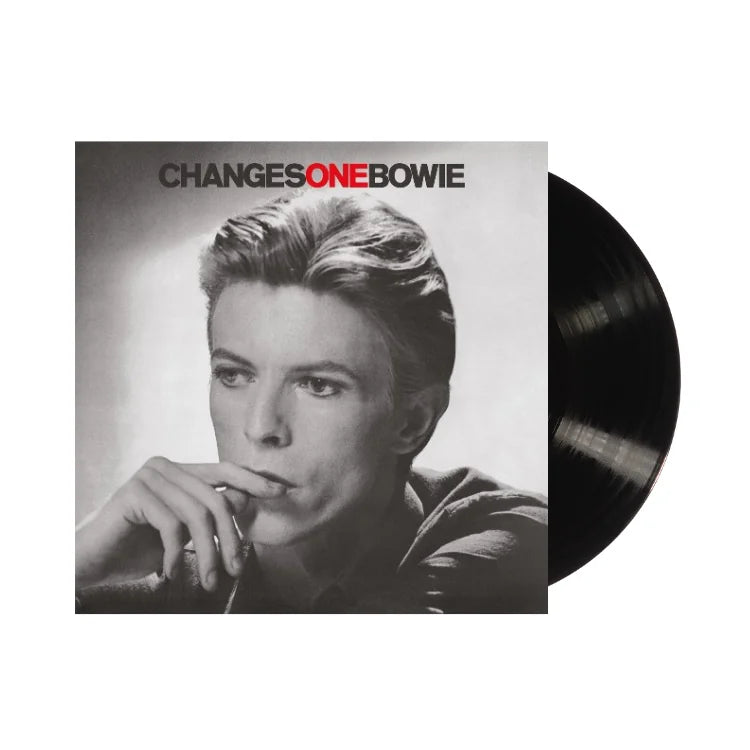
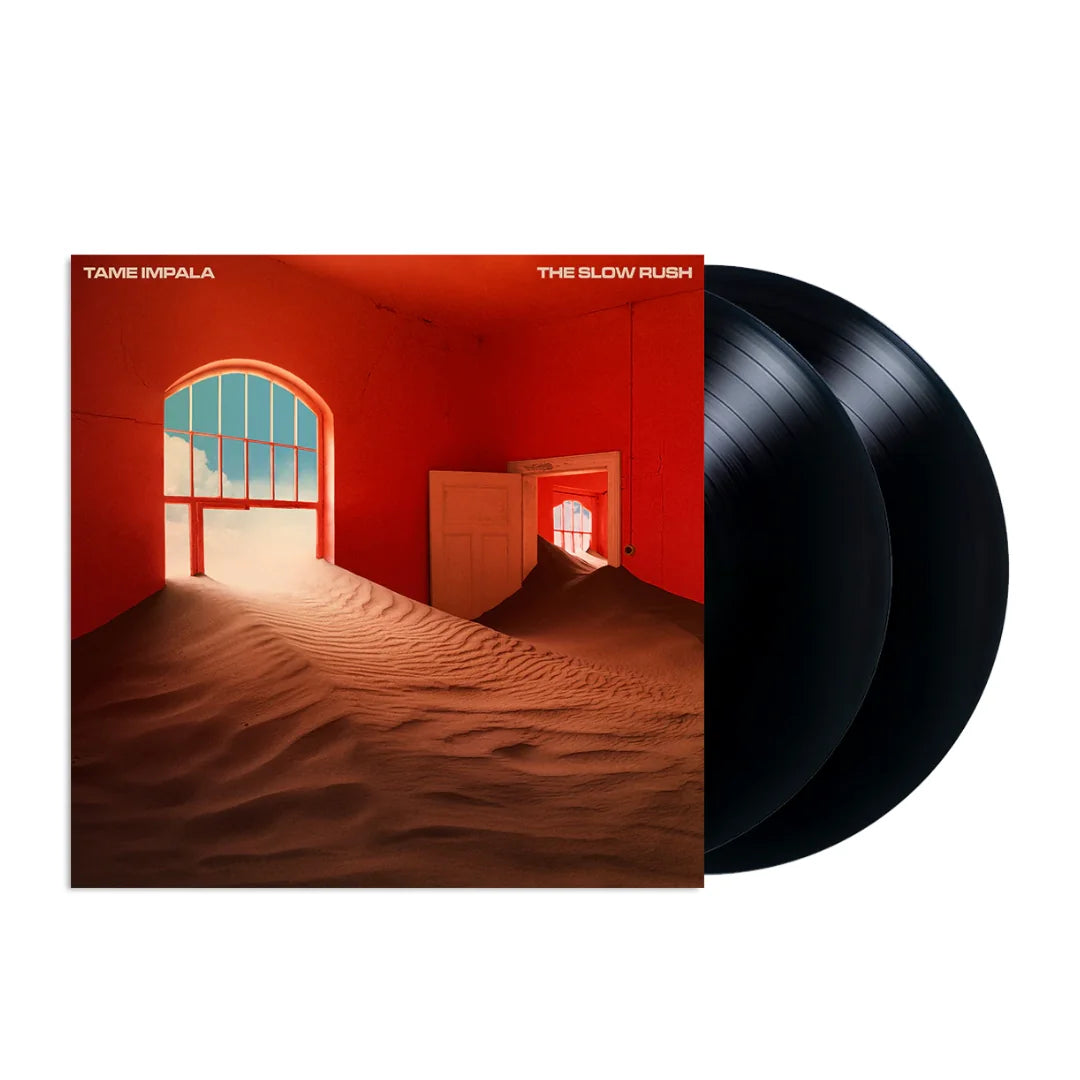
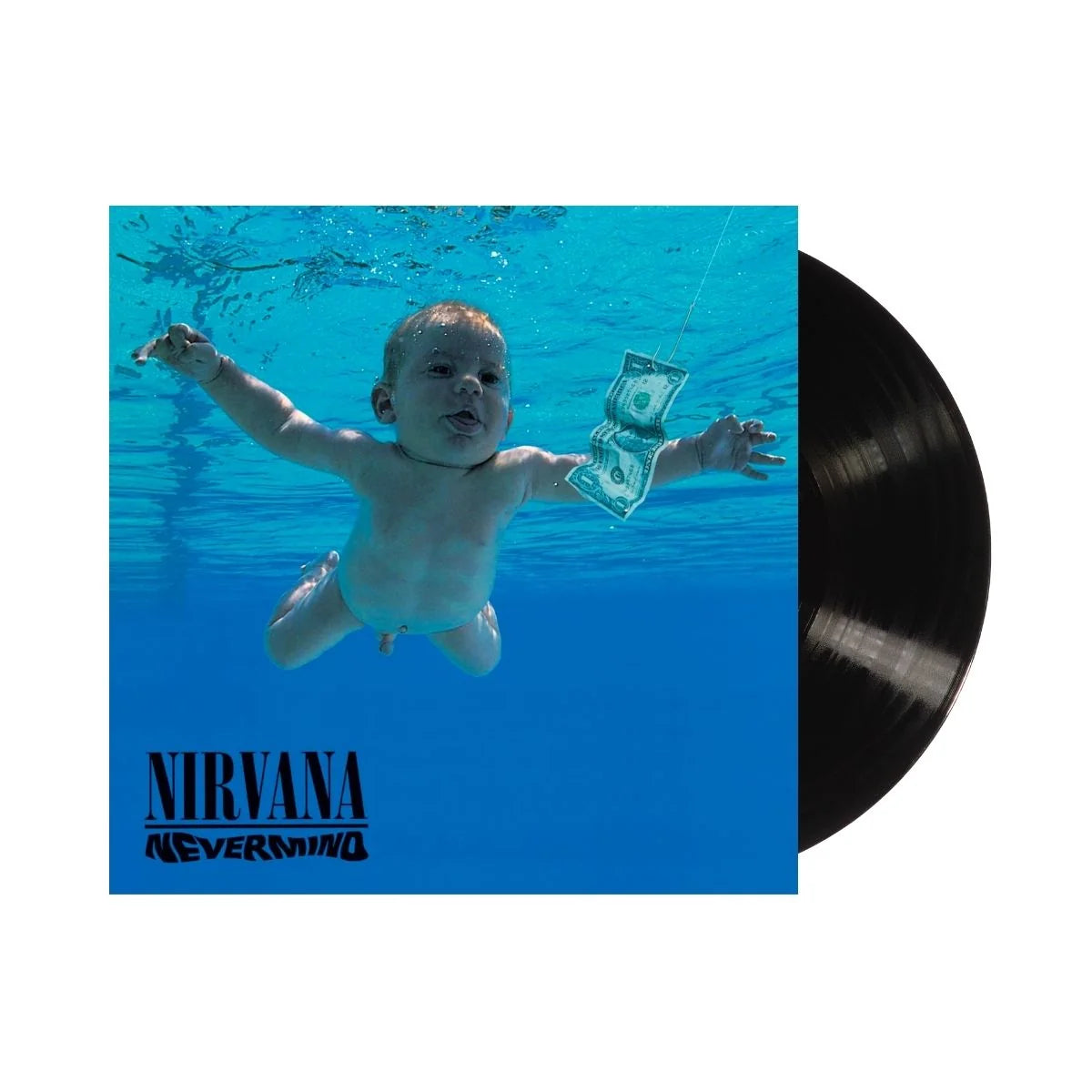
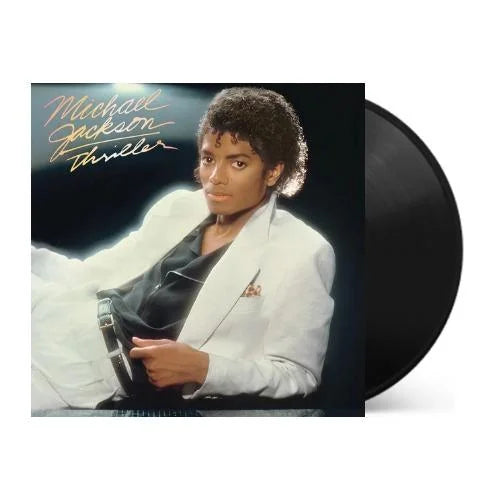

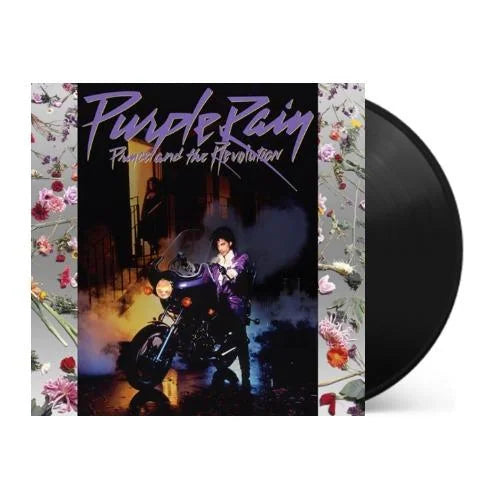

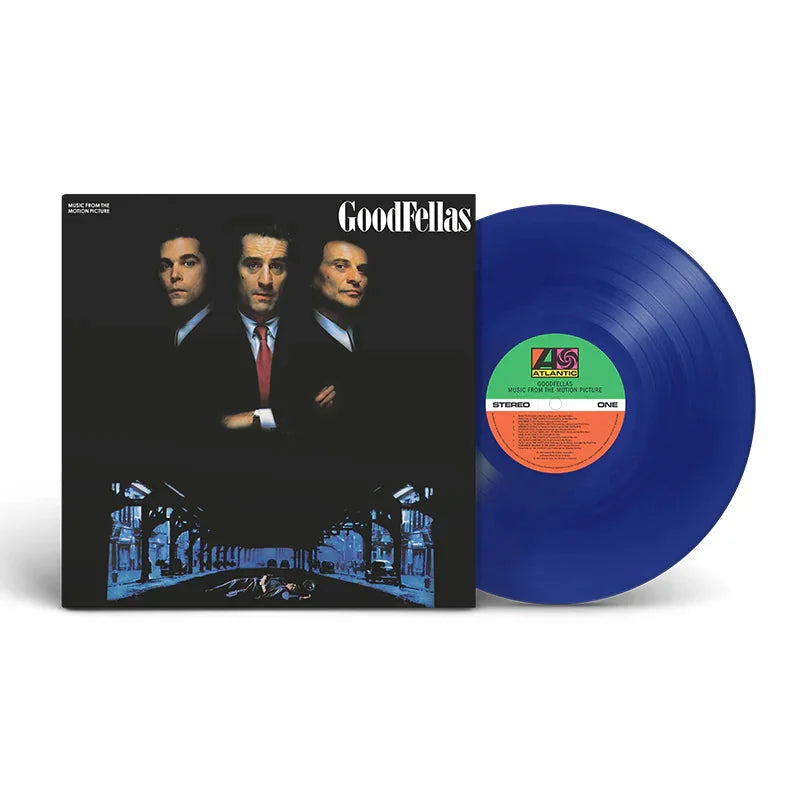




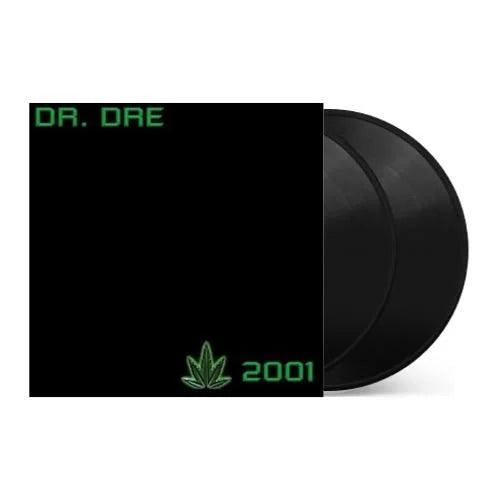
Recent years have seen a significant resurgence of vinyl, contrasting sharply with early digital-era predictions of its demise. This revival is a cultural renaissance of aesthetics and personal connection to art. Vinyl records offer a unique experience that digital formats might lack, providing not just sound, but a tangible piece of history and artistry. This movement is not confined to older generations. Young listeners are increasingly drawn to vinyl, attracted by its authenticity and the ritualistic experience it provides. The primary factors believed to be driving the renewed interest in vinyl records include nostalgia, digital fatigue, collectability, aesthetics, and the influence of modern artists and events like Record Store Day.

Historical Context and Global Trends
Vinyl records have followed a striking historical arc, from dominant music format to near-obsolescence and then revival. They were the primary physical medium for much of the 20th century, but their decline accelerated in the 1980s and 1990s as cassettes, CDs, and later digital downloads reshaped listening habits. By the mid-2000s, vinyl had fallen to a small share of music sales, yet its recovery began soon after and has grown steadily ever since. This resurgence has not been uniform worldwide. In the United States and the United Kingdom, vinyl sales have expanded for many consecutive years and eventually overtook CDs, while other major markets such as Japan and Germany have remained more CD-oriented. At the same time, countries including Brazil, France, China, and South Korea have reported their own vinyl revivals, showing that renewed interest in the format is part of a broader international trend rather than a single-market phenomenon. The comeback has also been shaped by differences in local retail culture, manufacturing capacity, and music consumption habits. Regional patterns show that vinyl’s return is both a modern industry story and a global cultural shift, linking past listening traditions with contemporary music markets.
Demographics and Consumer Motivations
Younger listeners are a major part of the vinyl comeback, and their reasons go beyond simple nostalgia. Many buy records because vinyl feels more intentional than streaming, turning music into something they choose to own and revisit. Gen Z also responds to vinyl’s visual identity, from album art and colored pressings to display-worthy packaging that fits social media culture. For some, collecting records is a way to support favorite artists directly and signal taste.
Vinyl Music Trends
Nostalgia and Retro Appeal
One of the key drivers behind the comeback of vinyl is the allure of nostalgia. For many, vinyl records evoke memories of a bygone era, creating a sentimental connection that digital formats can't replicate. This retro appeal isn't limited to those who grew up with vinyl; it also captivates younger generations, who are drawn to vintage aesthetics and the novelty of experiencing music as their ancestors did.
High-Quality Analog Sound
Another compelling reason for vinyl's popularity is the high-quality analog sound it offers. Enthusiasts argue that vinyl provides a warmer, richer audio experience compared to the compressed sounds of digital files. This quality stems from the analog recording processes, which preserve the original audio waves without digital conversion. For audiophiles and casual listeners alike, the sound of a needle dropping on a record and the ensuing analog acoustics create an immersive listening experience that digital formats struggle to match.
Influence of Contemporary Artists
Contemporary artists play a crucial role in vinyl's resurgence by releasing new albums on vinyl and often including exclusive content or special-edition packaging. This appeals to dedicated fans but also adds a layer of exclusivity and collectibility to the medium. Artists across various genres are embracing vinyl as a way to offer more to their listeners, from high-quality sound to aesthetically pleasing album covers.
Vinyl Sales and Market Trends
The trends and statistics related to vinyl sales, including comparisons with other music formats and forecasts for the vinyl market's future. Vinyl sales have moved from niche to mainstream over the last decade, and the numbers show a steady climb. In the U.S., vinyl sales were near their low point in the mid-2000s, but they have climbed steadily since then, reaching 2.8 million units in 2010, 11.9 million in 2015, 27.5 million in 2020, and 43.6 million in 2024. That rise matters not only because unit sales have increased, but because vinyl has also gained ground against other physical formats. In 2020, vinyl revenues surpassed CDs for the first time in decades, and by 2024 vinyl generated $1.4 billion compared with $541 million for CDs. The same pattern has appeared in other markets, though not equally everywhere: in the UK, vinyl sales have risen for many consecutive years and have outpaced CDs in revenue, while countries such as Japan and Germany remain more CD-oriented. This contrast shows that the vinyl revival is strong, but uneven across regions and still small compared with digital listening overall. Even with its recent gains, vinyl remains a minority format in the larger music business, which is still dominated by streaming and downloads. What makes vinyl especially notable is that revenue has grown faster than unit volume, reflecting both higher retail prices and the popularity of premium releases, deluxe packaging, colored pressings, and limited editions. Forecasts suggest that growth should continue, although likely at a slower pace than during the steepest part of the revival. Projections for the U.S. point to roughly 46 to 48 million units sold in 2025, with the market potentially rising to 55 to 60 million units by 2030 and 65 to 70 million by 2035. Revenue forecasts are even stronger, with estimates suggesting the market could move from about $2.4 billion in 2025 to as much as $5.5 to $6.2 billion by 2035. Those figures indicate that vinyl’s future is less about replacing digital formats and more about maintaining a durable place in the market as a premium physical product. The long-term outlook depends on sustained consumer demand, artist support, and the industry’s ability to keep production efficient enough to meet interest without creating persistent bottlenecks.
Vinyl vs Digital: Comparing Formats
The ongoing debate about the sound quality of vinyl compared to digital formats and how perceptions of audio fidelity influence consumer preferences.
Audio Quality Differences
As emphasized before, vinyl enthusiasts frequently cite the richer and more authentic sound of records compared to the often compressed audio files used in digital music. This difference is attributed to how sound is produced: vinyl captures the complete waveforms of music, whereas digital formats typically involve some level of compression, potentially losing subtle nuances in the process. This can make vinyl the preferred choice for those who prioritize audio fidelity and a more 'true-to-original' listening experience.
The Listening Experience
Engaging with a vinyl record involves physical interaction. Choosing a record, placing it on the turntable, and carefully dropping the needle. This process can create a ritualistic and highly personal experience for the listener. Additionally, the presence of side A and side B necessitates active involvement in the listening process, often leading to a more focused and appreciative approach to the music. These elements make vinyl a favorite for those who see music listening as an activity rather than background noise.
Durability and Longevity
While digital files are not subject to physical wear and tear and can last indefinitely if properly backed up, vinyl records require careful handling to maintain their condition. The longevity of a vinyl record can be substantial, with proper care allowing it to play beautifully even after decades. However, they are vulnerable to scratches, warps, and dust, all of which can affect sound quality. For collectors and enthusiasts, maintaining vinyl adds to its charm, emphasizing its value and heritage.
Cost Comparison
Discussing the cost aspects of vinyl vs digital music, vinyl generally requires a higher initial investment than digital formats. The cost of a vinyl record can be several times that of a digital album, not including the necessary playback equipment such as a turntable, speakers, and maintenance accessories. However, for many, this investment is justified by the enhanced audio quality, the aesthetic and physical components of vinyl, and the potential for records to appreciate over time.
The Appeal of Modern Vinyl Records
Artistic Album Covers and Packaging
The artistry of album covers and packaging in modern vinyl records transcends mere aesthetics, becoming an integral part of the music consumption experience. In a digital age where album artwork is often viewed as thumbnail images on screens, vinyl offers a large canvas that artists and designers use to create visually stunning and thematic works that complement the music. Notably, the trend of intricate and unique packaging designs includes several key features:
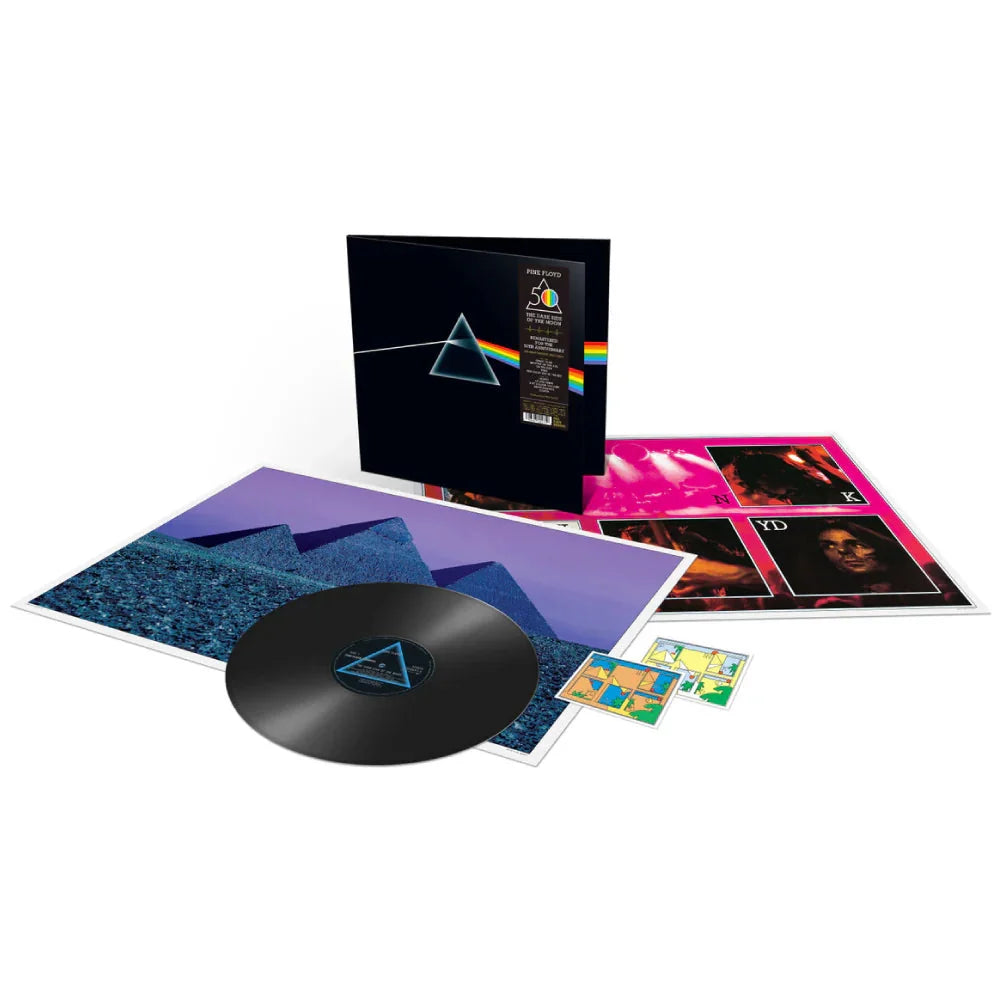
- Gatefold Sleeves: These are not just protective covers but a canvas for creativity. Gatefold sleeves consist of double panels that unfold like a book, significantly enlarging the surface area for artistic expression. This format often features elaborate artwork and can include additional content such as lyrics, photos, or essays about the album's creation. The expanded space not only enhances visual appeal but also provides a deeper glimpse into the artist's vision and the album's context, making it a collector's delight.
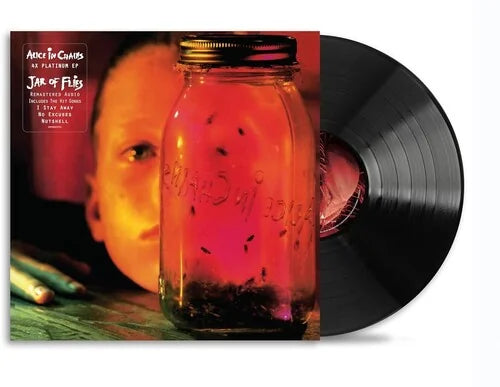
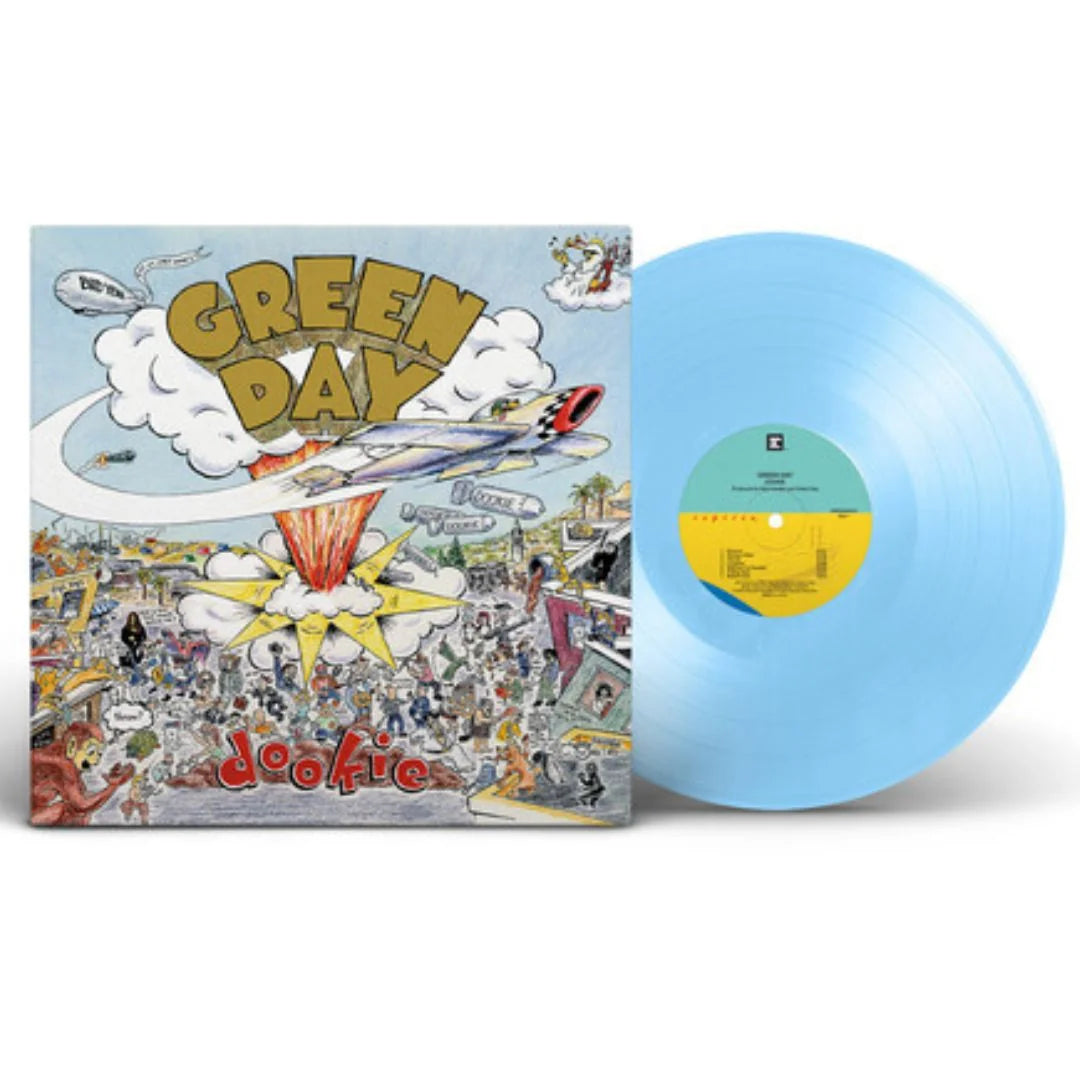
- Colored Vinyl: Vinyl records are traditionally black, but modern presses have introduced a spectrum of colors and intricate patterns that attract collectors and music enthusiasts alike. These vibrant variants are often limited editions, making them highly sought after. The visual allure of colored vinyl adds a layer of personalization and exclusivity, turning each record into a unique piece of art. This trend not only beautifies the collection but also creates a visual representation of the music that resonates with the listener’s aesthetic preferences.
- Special Edition Features: To further engage fans, many vinyl records are now released with special edition features such as posters, stickers, or other collectibles. These additions enrich the unboxing experience and provide added value beyond the music itself. Collectors often seek out these limited editions for their rarity and the additional art they include, which can be displayed or kept as memorabilia.
- Interactive Elements: Some vinyl packages go beyond static visuals by incorporating interactive elements such as die-cut designs or assembled pieces that fans can engage with. This could include puzzles, pop-up art, or other forms of interactive artwork that make the album experience more immersive. By involving the listener in the physical art, these elements make playing a vinyl record an engaging, multi-sensory event.
These features highlight how the packaging of top vinyl records has become an essential aspect of the music industry today, transforming album covers and extras into a vital part of music's cultural and artistic impact.

Community and Social Aspects
Record stores, vinyl clubs, and online forums foster a social environment where individuals share recommendations, exchange records, and discuss their favorite music. This community aspect is often a significant draw for new enthusiasts, providing a sense of belonging and an opportunity to connect with like-minded individuals. Events such as Record Store Day further highlight the communal appeal of vinyl, bringing people together to celebrate their love for records.
Supporting Artists and Labels
Buying vinyl is also seen as a way to support artists and independent labels in a more impactful manner. Vinyl purchases tend to generate more revenue for artists compared to streaming or digital downloads. For fans, this aspect of vinyl shopping is a tangible way to contribute to the success and sustainability of their favorite musicians and the music industry at large.
Economic Impact and Industry Implications
The vinyl revival also has an economic impact, including growth in independent record stores, challenges for manufacturers, and broader industry implications. Independent record stores have benefited most, with renewed demand turning many once-struggling shops into profitable retail hubs for collectors and casual buyers alike. At the same time, manufacturers have faced serious pressure as pressing plants, lacquers, and production capacity have struggled to keep pace with rising orders, creating delays and bottlenecks. Broader industry implications include higher-margin premium releases and a stronger role for vinyl in artist and label revenue strategies. In short, the resurgence has revived not only a format, but an entire business ecosystem.
Top and Best Modern Vinyl Records to Buy
Essential Albums for Every Collection
Every vinyl enthusiast's collection starts with a few must-have records that are universally acknowledged for their artistic impact and high-quality production. Here’s a list of essential albums that should find a place in every budding collector’s library:
- "Dark Side of the Moon" by Pink Floyd: This album is a masterwork of progressive rock, celebrated for its rich, immersive sound that fully exploits the capabilities of vinyl. The complexity of its production, with intricate sound effects and studio innovations, is tailored for the analog format, providing an audio experience that is as vast and nuanced as the album's thematic content. Each track is a piece of a greater whole, carefully crafted to produce an unforgettable listening journey, making it an essential record for both audiophiles and casual listeners.
- "Abbey Road" by The Beatles: Iconic both for its music and its album cover, "Abbey Road" remains a seminal album in the history of rock. Its side two medley is a testament to the Beatles' songwriting and studio innovation, with a seamless blend of eclectic tracks that showcase the band's mature phase.
- "Kind of Blue" by Miles Davis: This landmark jazz album is known for its profound influence on the genre, characterized by its modal jazz style. "Kind of Blue" is renowned for its relaxed, almost ethereal atmosphere, which is enhanced by the natural sound quality of vinyl, offering a perfect introduction to the warmth and dynamism of jazz music on analog media.
- "Rumors" by Fleetwood Mac: With its rich, layered production and emotionally charged songs, "Rumors" is a high-water mark for pop and rock music. The album's clarity and depth are particularly suited to vinyl, where the medium's dynamic range can capture the nuances of its harmonious soundscapes and intricate arrangements. Every track blends personal lyrics with meticulously crafted music, making "Rumors" a compelling experience for vinyl listeners interested in the interplay of narrative and sound.
- "The Rise and Fall of Ziggy Stardust and the Spiders from Mars" by David Bowie: This album is a cornerstone of glam rock, noted for its conceptual depth and musical innovation. Vinyl brings out the theatrical and immersive aspects of Bowie's music, with the format's analog qualities enhancing the album's bold textures and vibrant soundscapes.
Collecting vinyl records tips provides not only an entry into the world of high-fidelity audio but also a deep connection to the cultural and historical aspects of music. The experiential aspects of vinyl include the appeal of physical music formats, the sense of community among collectors, and the unique listening experience associated with vinyl records. These albums, each a milestone in its own right, offer a gateway to exploring the richness of music as both an art form and a sensory experience.
Hidden Gems and Underrated Records
Beyond the mainstream, the vinyl market is rife with hidden gems that might not have dominated the charts but offer unique sounds and compelling narratives. These underrated records are often treasured finds for collectors, offering distinctive experiences that differentiate them from more well-known albums. From indie releases to experimental jazz, these records challenge listeners and reward those willing to explore beyond the familiar.
Where to Get Vinyls Online
Popular Online Vinyl Marketplaces
Navigating the online realm to purchase vinyl can be daunting, yet rewarding. Where to buy vinyl records online starts with familiarizing oneself with the top marketplaces that specialize in vinyl. Most websites offer a wide array of vinyl records across various genres and also serve as a community hub for collectors to discuss and rate their purchases.
Specialty and Niche Vinyl Stores
For collectors with specific tastes or those looking for limited edition releases, specialty and niche online stores are invaluable. These shops often curate their selections more carefully, providing detailed information about the pressing, origin, and condition of the vinyl. These vintage and vinyl markets often house rare and vintage finds that are not available elsewhere, making them treasure troves for collectors seeking original pressings from past decades. Furthermore, vintage markets sometimes offer better prices for these records, reflecting their condition and rarity accurately.
Vinyl Records for Beginners
Understanding Record Grading
For newcomers to the world of vinyl, understanding the grading system used to describe record condition is fundamental. This system ranges from Mint (M), which signifies a perfect record that has likely never been played, to Poor (P), which indicates a record that may not be playable without serious issues. Knowing these grades helps in making informed purchasing decisions, especially when buying used vinyl. Learning to assess the condition of a vinyl record based on its grade can prevent disappointment and ensure that you're adding quality pieces to your collection.
Proper Storage and Maintenance
Maintaining the condition of your vinyl records is crucial for their longevity and the quality of sound they produce. Proper storage means keeping your vinyl in a cool, dry place away from direct sunlight, which can warp the records. It's also important to store vinyl vertically to avoid unnecessary pressure that can lead to warping. Using inner and outer sleeves will protect the vinyl from dust and scratches, and regular cleaning with appropriate tools is essential to preserve the pristine sound quality of your records.
Must-Have Accessories
Equipping yourself with the right accessories is vital for any vinyl collector. A high-quality record player is the cornerstone of your setup, but other accessories like anti-static brushes, record cleaning kits, and stylus cleaners play crucial roles in the upkeep of your vinyl. Investing in a good force-tracking tool and a stabilizer can also enhance playback quality and ensure that your records and needle suffer minimal wear and tear.
Building a Curated Collection
Starting a vinyl collection is more than just accumulating records; it's about curating pieces that resonate with your musical tastes and preferences. Beginners should focus on acquiring albums that they love and will listen to repeatedly, rather than buying for investment purposes. As you grow more comfortable in the vinyl community, you can start exploring different genres and artists, slowly building a diverse and meaningful collection.

Frequently Asked Questions
Here are questions about the potential future of vinyl records, considering whether the resurgence is likely to continue and the factors that may influence its longevity.
Will vinyl’s resurgence continue?
Yes. The format still appears to have momentum, especially because artists, labels, and collectors continue supporting it. Its future likely depends on whether demand stays strong enough to sustain that interest.
What could slow vinyl’s long-term growth?
Production limits and supply issues could slow growth if demand keeps outpacing manufacturing capacity. If delays become frustrating, some buyers may lose patience or shift to other formats.
Why does vinyl seem more likely to last than a short-lived trend?
Vinyl has built-in staying power because it offers a physical, collectible format that many listeners value. As long as fans keep treating records as meaningful objects, the format should remain relevant.
Will younger listeners keep buying vinyl?
Possibly. Younger listeners have already embraced vinyl for its tactile appeal and distinctive experience. If those preferences continue, they could help keep the format alive for years.
What is the biggest sign that vinyl may stay relevant?
Ongoing support from artists and labels is one of the strongest signs. When new releases continue arriving on vinyl, it signals that the format still has a clear place in modern music.
Is vinyl still making a comeback?
Yes. Vinyl has shown steady year-over-year growth for many consecutive years, with sales rising from a low point in the mid-2000s to much higher recent unit and revenue totals.
How many vinyl records are sold each year?
Annual vinyl sales have climbed sharply over time, moving from a few million units in the early 2010s to tens of millions in recent years, showing sustained market expansion.
Does vinyl sell more than CDs?
In some recent markets, yes. Vinyl has overtaken CDs in both revenue and, in certain years, unit sales, marking a major shift in physical music format preferences.
What is the forecast for the vinyl market?
Forecasts suggest continued growth in both units sold and total revenue, with vinyl likely to remain a significant physical format even if the pace of expansion slows.
Why are vinyl sales important to track?
Vinyl sales show how physical music formats are evolving in a digital era. They also reveal whether consumer demand for premium, tangible music products remains strong.
Are vinyl sales rising everywhere?
Not equally. Vinyl has grown strongly in some markets, while others remain more CD-focused, showing that the revival is global but uneven across regions.
What does vinyl’s growth say about the music market?
It shows that digital streaming has not replaced every format. Vinyl’s growth suggests there is still demand for physical music products with higher perceived value.
Will vinyl keep growing in the long term?
That depends on whether demand continues to outpace production limits. If growth holds and supply keeps improving, vinyl should remain an active part of the market.
The future of vinyl in the music industry appears robust. As the demand for vinyl continues to grow, more artists and labels are recognizing the format's value, not only as a revenue stream but also as a medium for artistic expression. The tactile nature of vinyl and the quality of sound it delivers are likely to keep it in favor among audiophiles and collectors alike. Moreover, the vinyl market's expansion into online platforms and special edition releases points to a vibrant and evolving scene, one that promises to keep vinyl relevant and cherished in the streaming age.
