


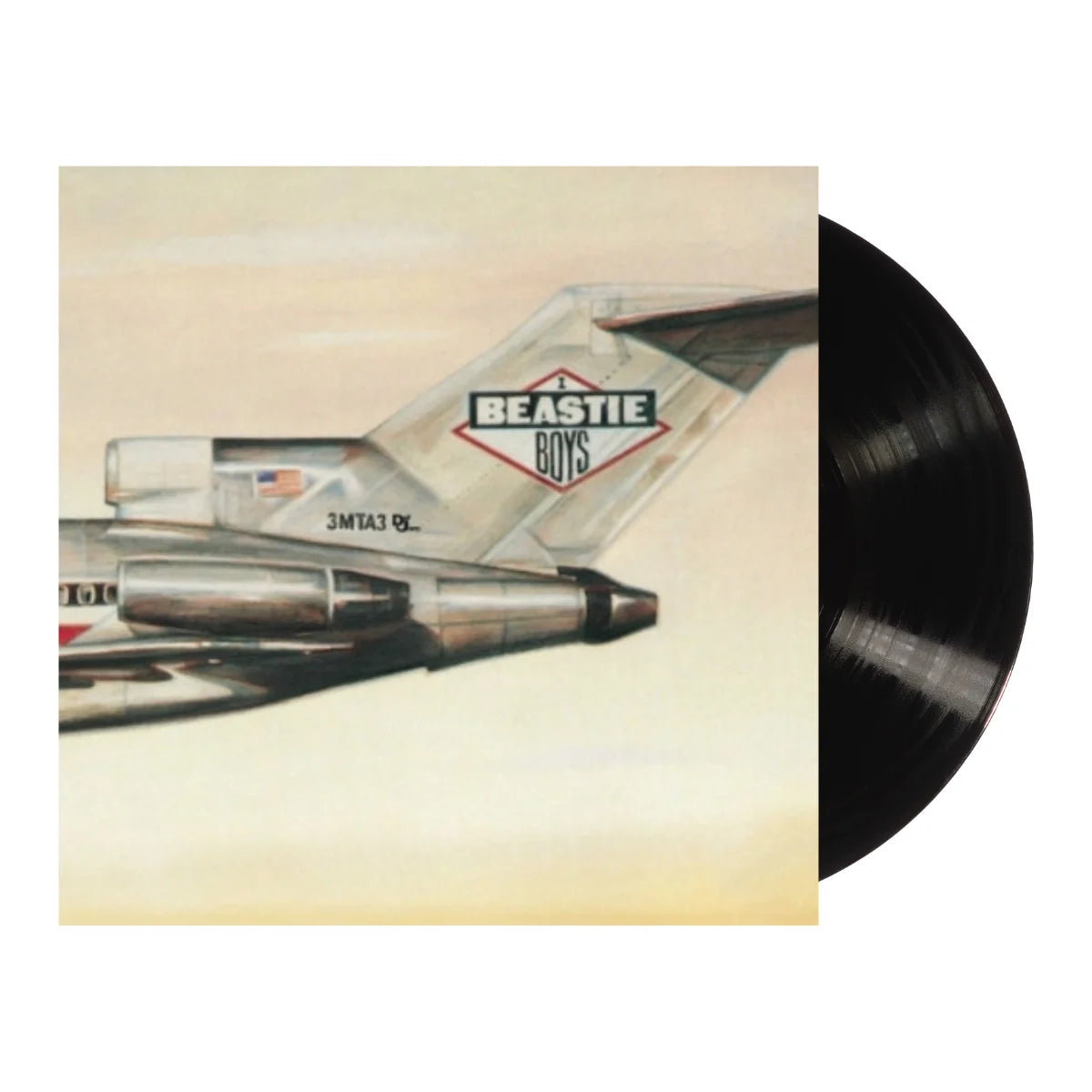
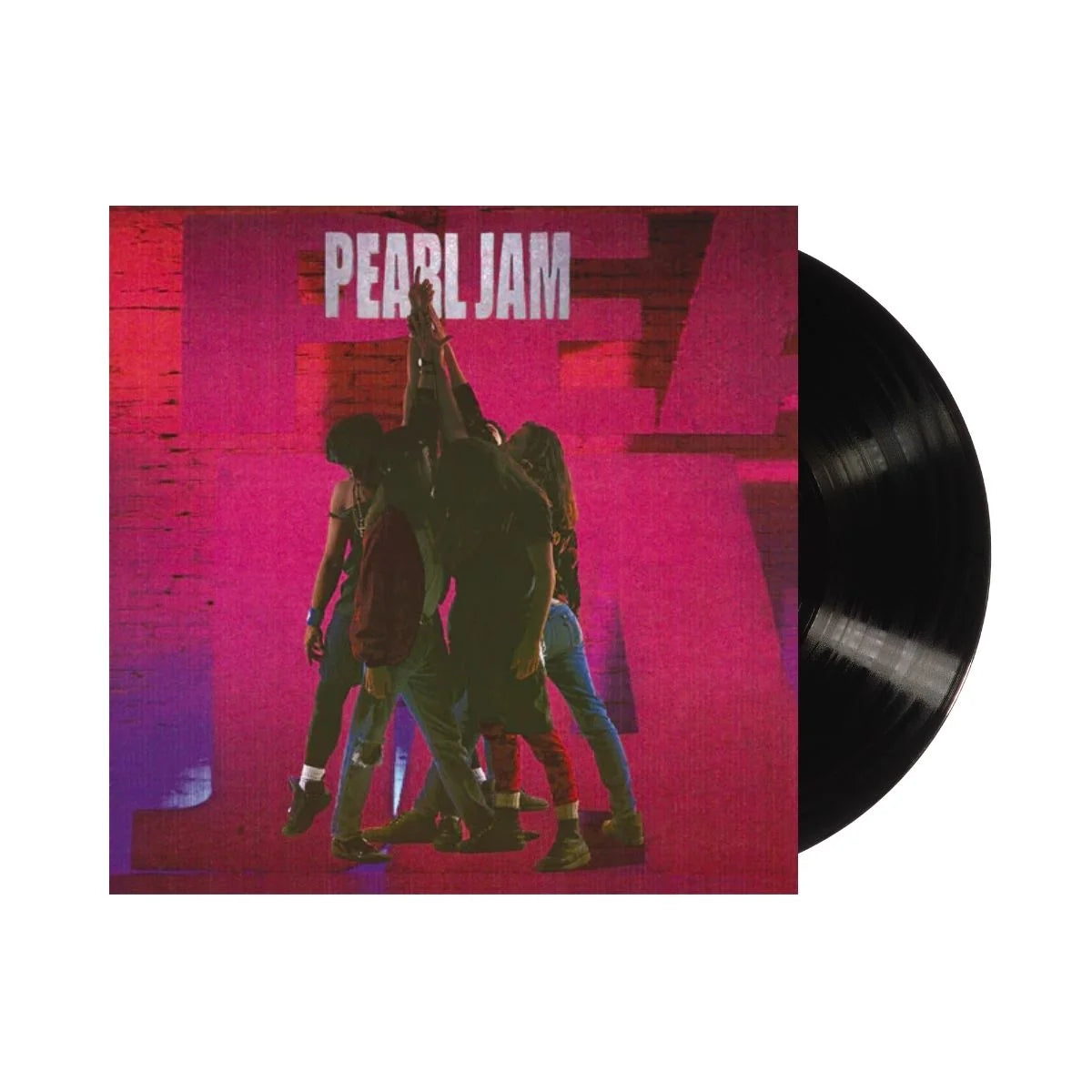
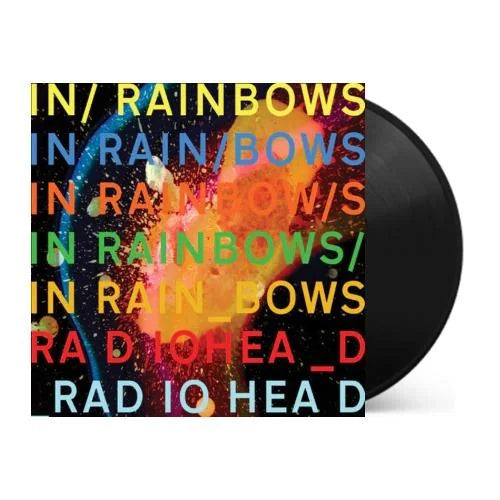
![Smashing Pumpkins - Mellon Collie and The Infinite Sadness [4LP Box Set]](http://vinyl.com/cdn/shop/files/MellonCollie4LP-SmashingPumpkins.png?v=1736990865&width=5760)
![The Grateful Dead - The Music Never Stopped [6LP Box Set]](http://vinyl.com/cdn/shop/files/The_Grateful_Dead-The_Music_Never_Stopped__6LP_Box_Set.jpg?v=1747729623&width=5760)
![The Grateful Dead - Madison Square Garden, New York, NY 3/9/81 (2023 Rocktober Edition) [5LP Box Set]](http://vinyl.com/cdn/shop/files/gratefuldead_2.png?v=1768197509&width=5760)
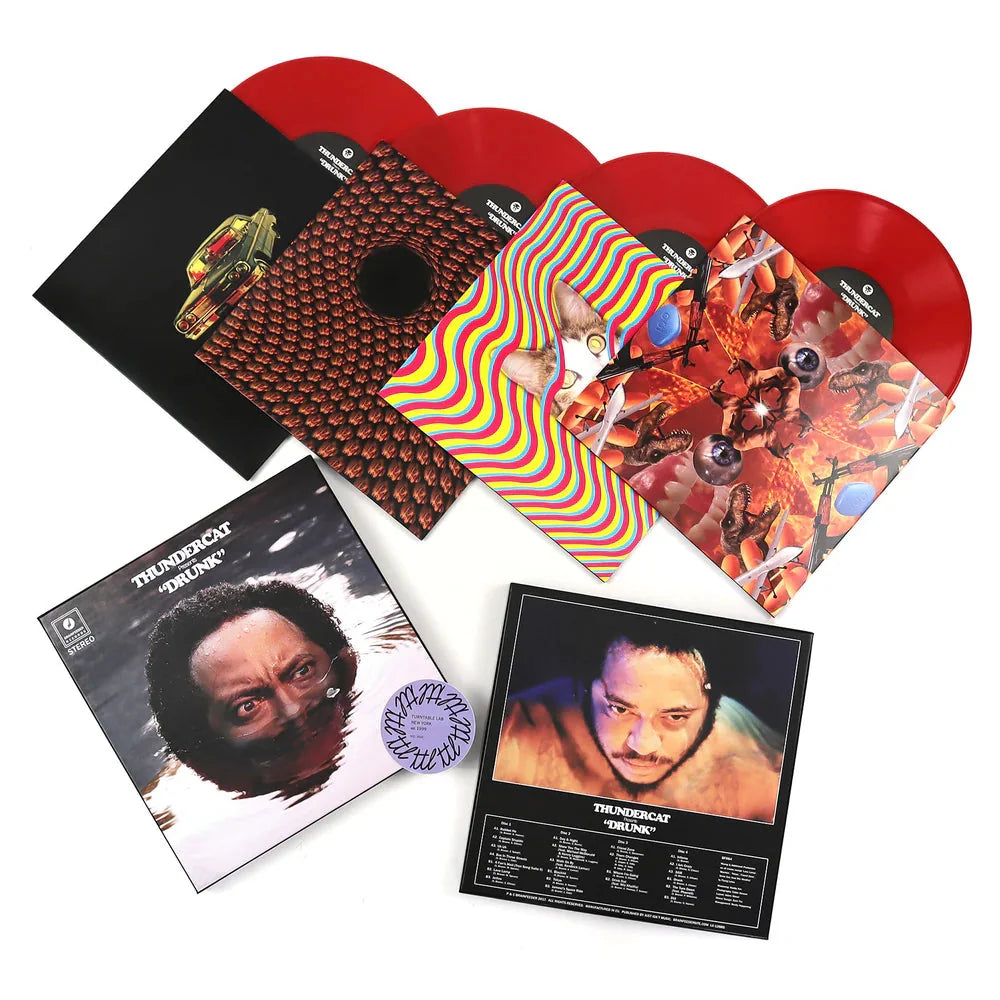


![Taylor Swift - folklore [2LP Beige]](http://vinyl.com/cdn/shop/files/477929-Product-0-I-637317959467683009_grande_a6f82db0-1cb7-45c5-8892-ed79af261e80.webp?v=1736750683&width=5760)
![Mac Miller - Circles [2LP Clear]](http://vinyl.com/cdn/shop/files/mac_1.png?v=1767598863&width=5760)
![Cryptopsy - None So Vile [CD / Vinyl]](http://vinyl.com/cdn/shop/files/SOM830LP.jpg?v=1766139746&width=5760)
![Cannabis Corpse - Beneath Grow Lights Thou Shalt Rise [CD / Vinyl]](http://vinyl.com/cdn/shop/files/SOM310LPP-FRONT.jpg?v=1766139744&width=5760)

![Numenorean - Adore [CD / Vinyl]](http://vinyl.com/cdn/shop/files/SOM504LPCB.jpg?v=1766139732&width=5760)
![Mac Miller - Swimming [2LP]](http://vinyl.com/cdn/shop/files/MacMiller-Swimming_2LP.png?v=1776241230&width=5760)

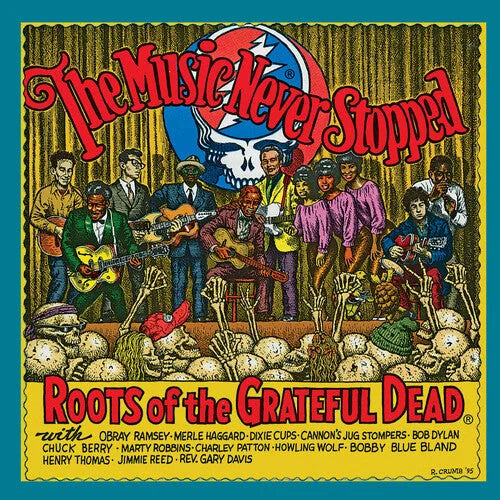

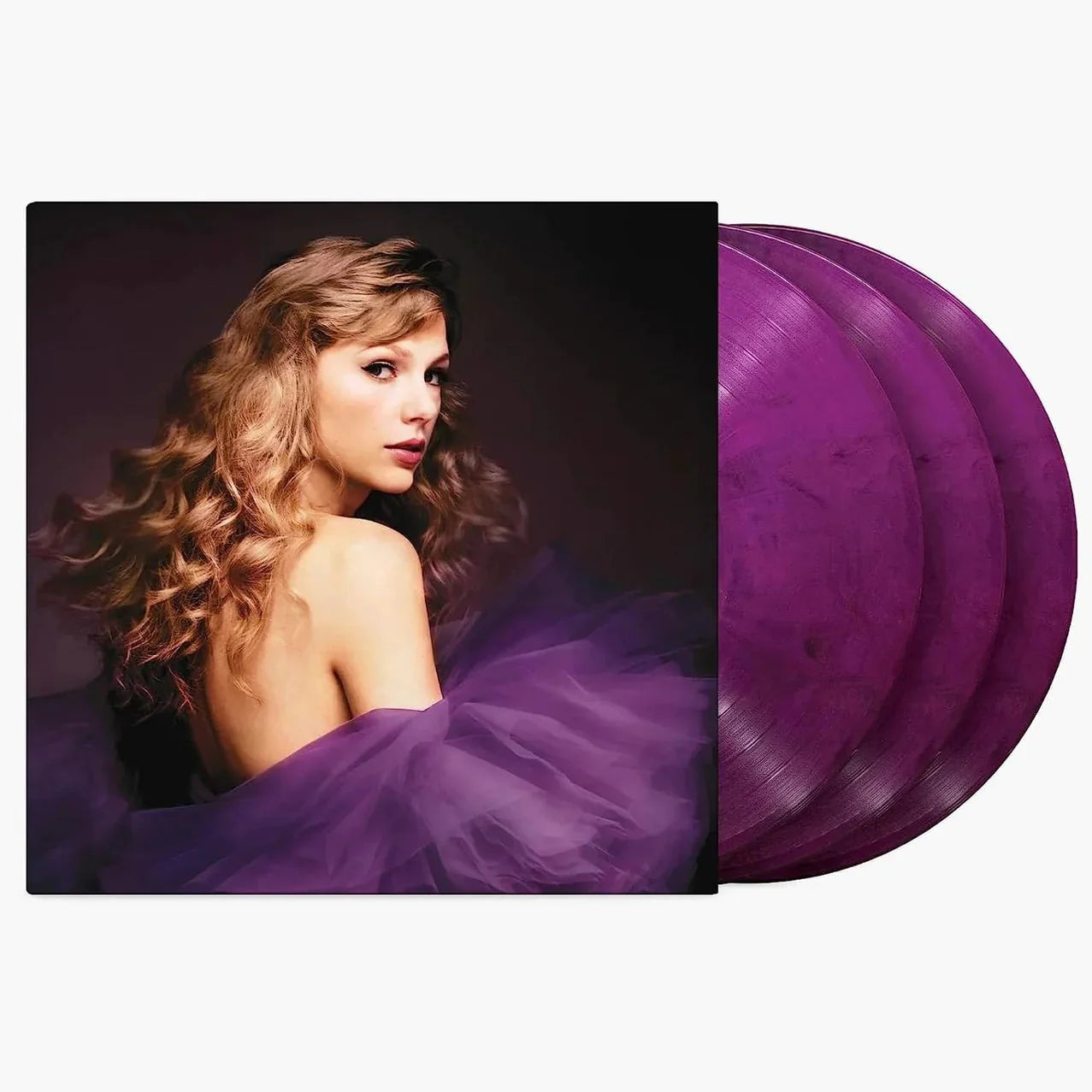
![Zach Bryan - American Heartbreak [3LP]](http://vinyl.com/cdn/shop/files/Zach_Bryan-American_Heartbreak_3LP.webp?v=1764838852&width=5760)
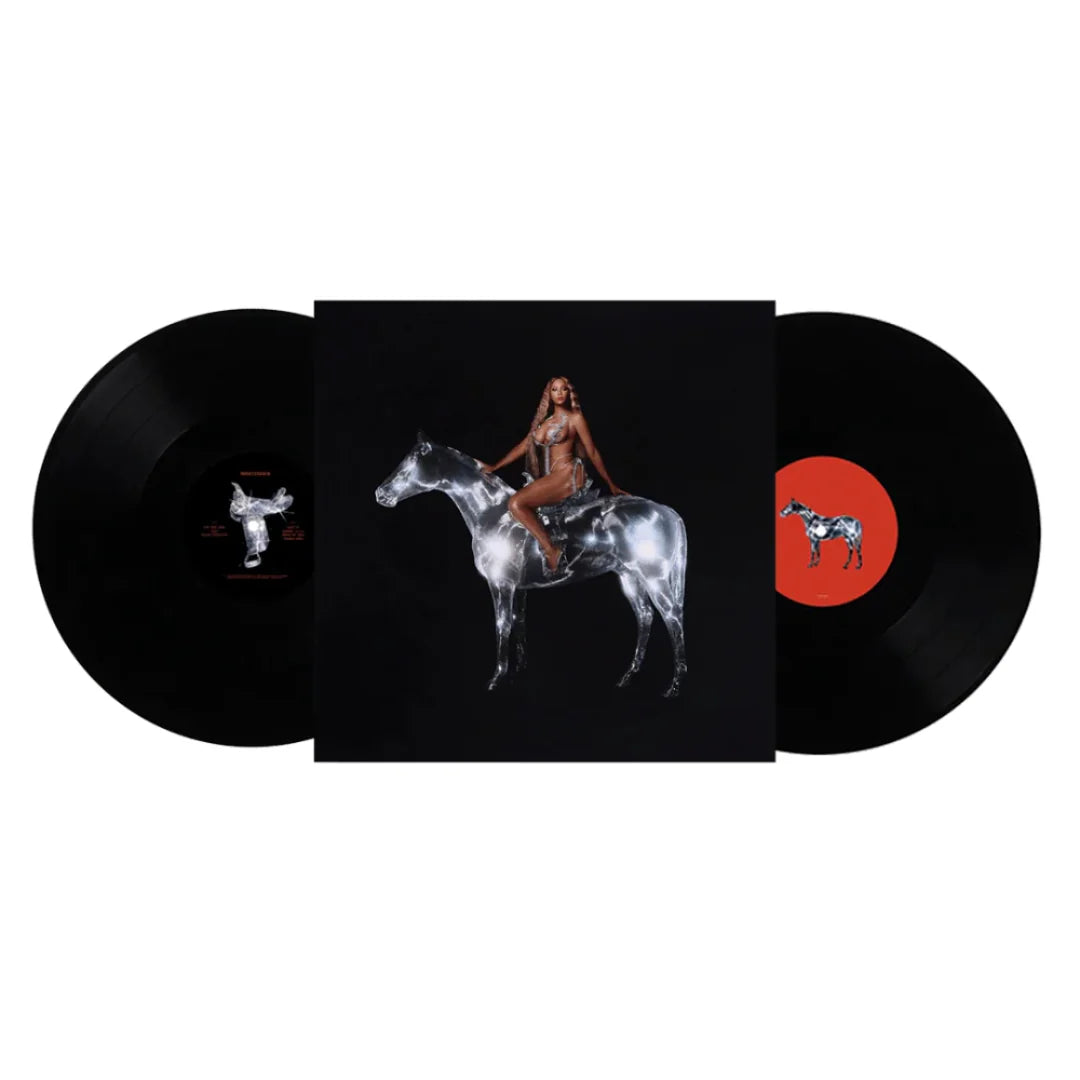
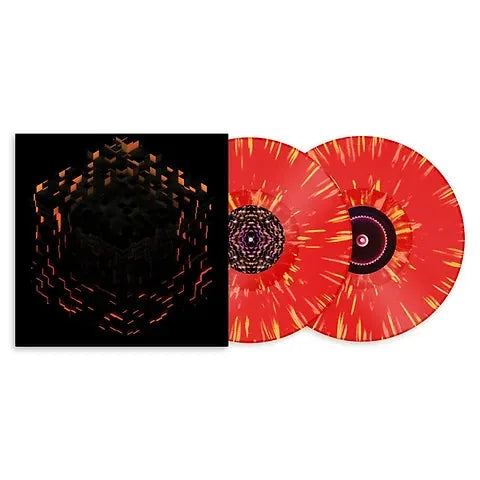

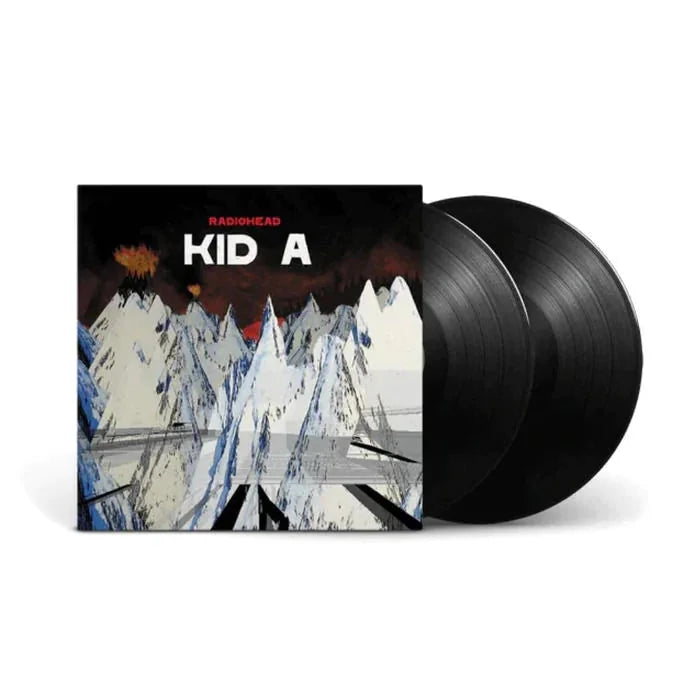
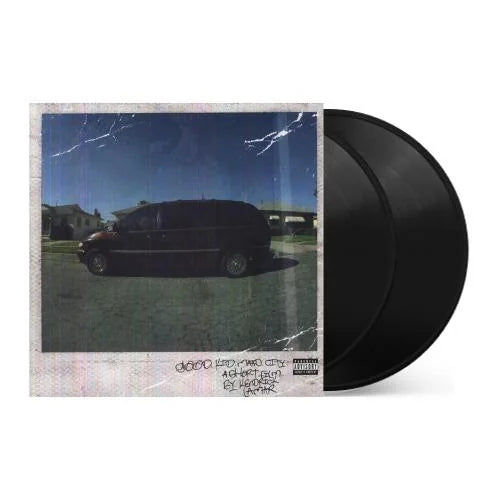

![Miles Davis - Kind of Blue [180-gram]](http://vinyl.com/cdn/shop/files/Y4LPMD03.webp?v=1742198237&width=5760)


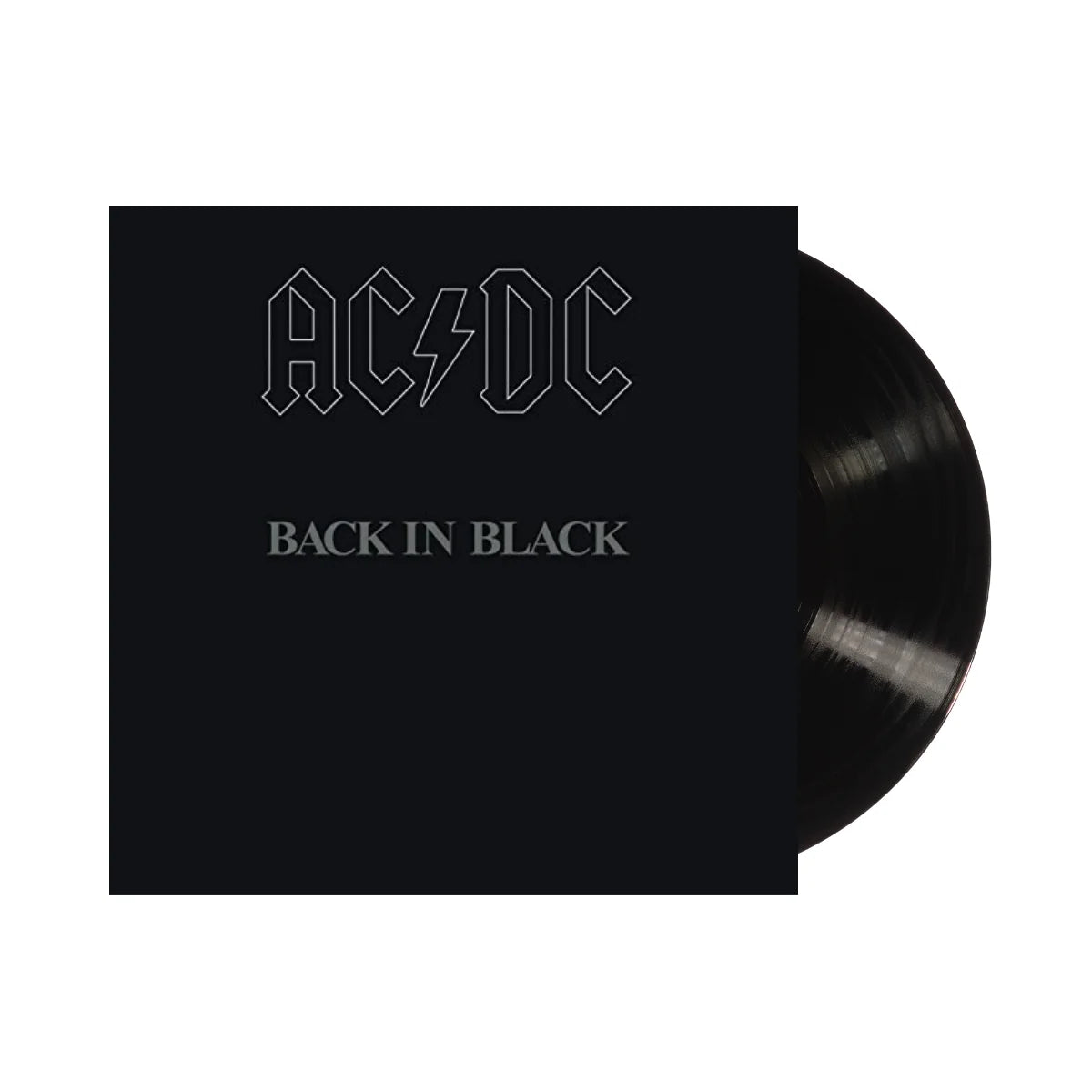
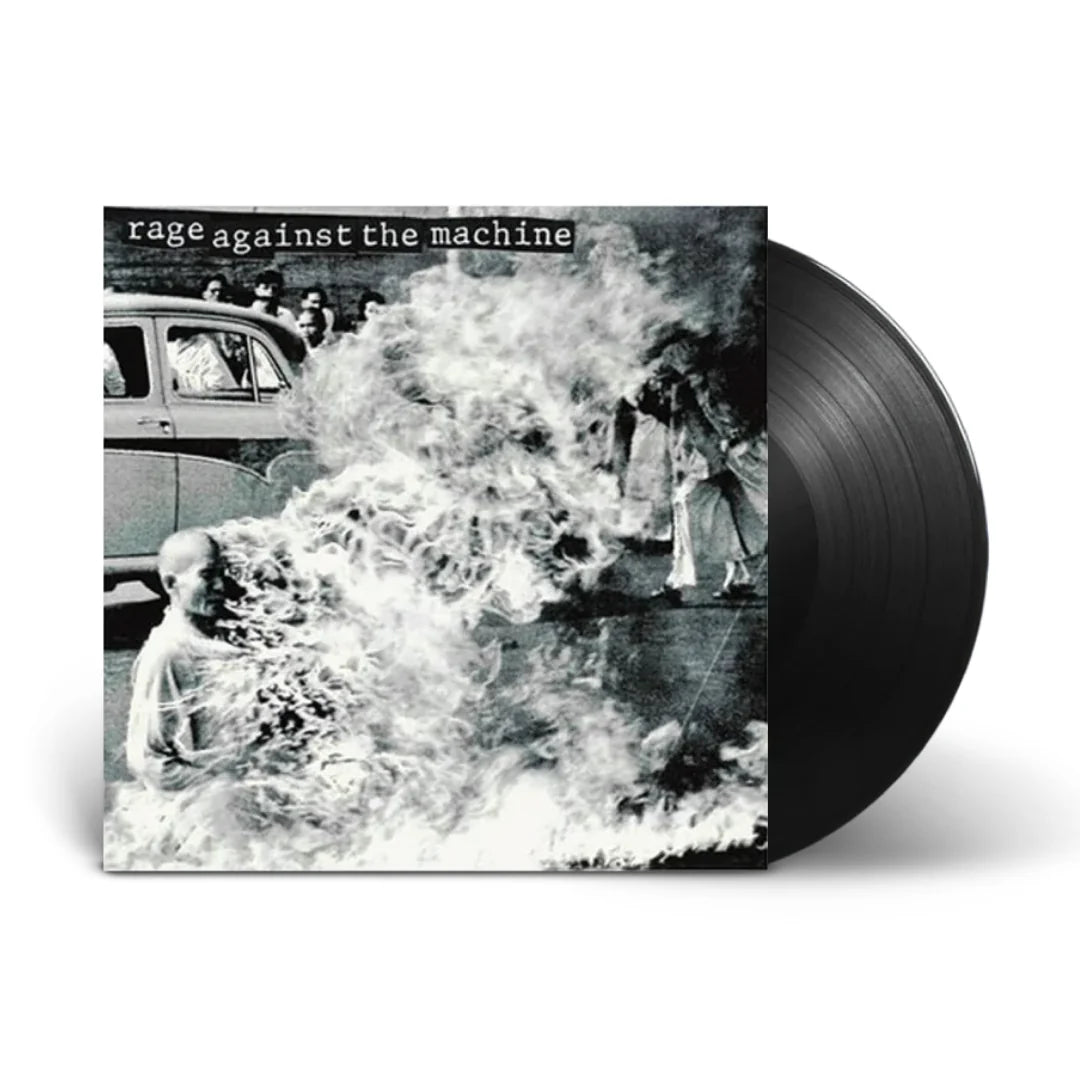
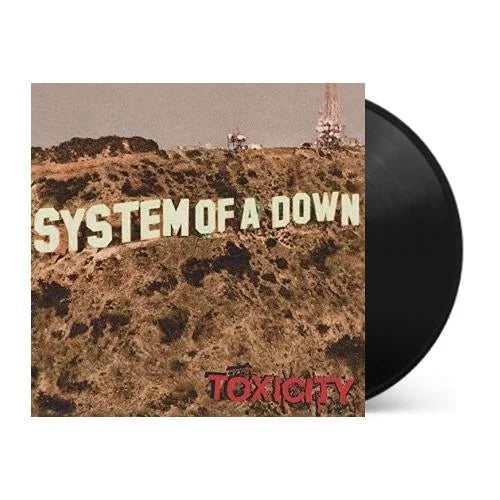
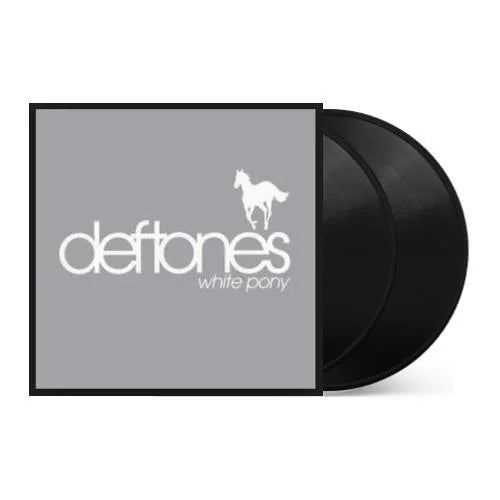
![Taylor Swift - 1989 (Taylor's Version) [2LP Crystal Skies Blue]](http://vinyl.com/cdn/shop/files/taylor_swift_1989_taylors_version.jpg?v=1734389117&width=5760)
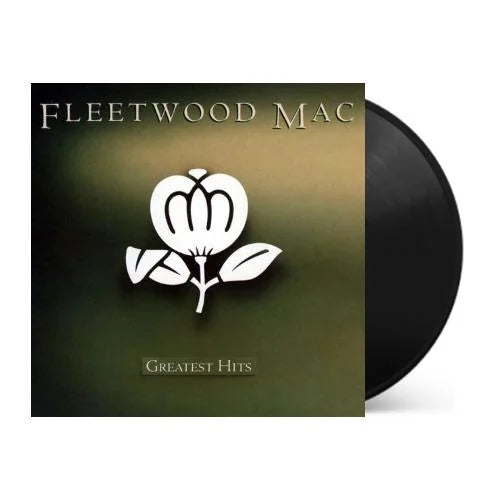
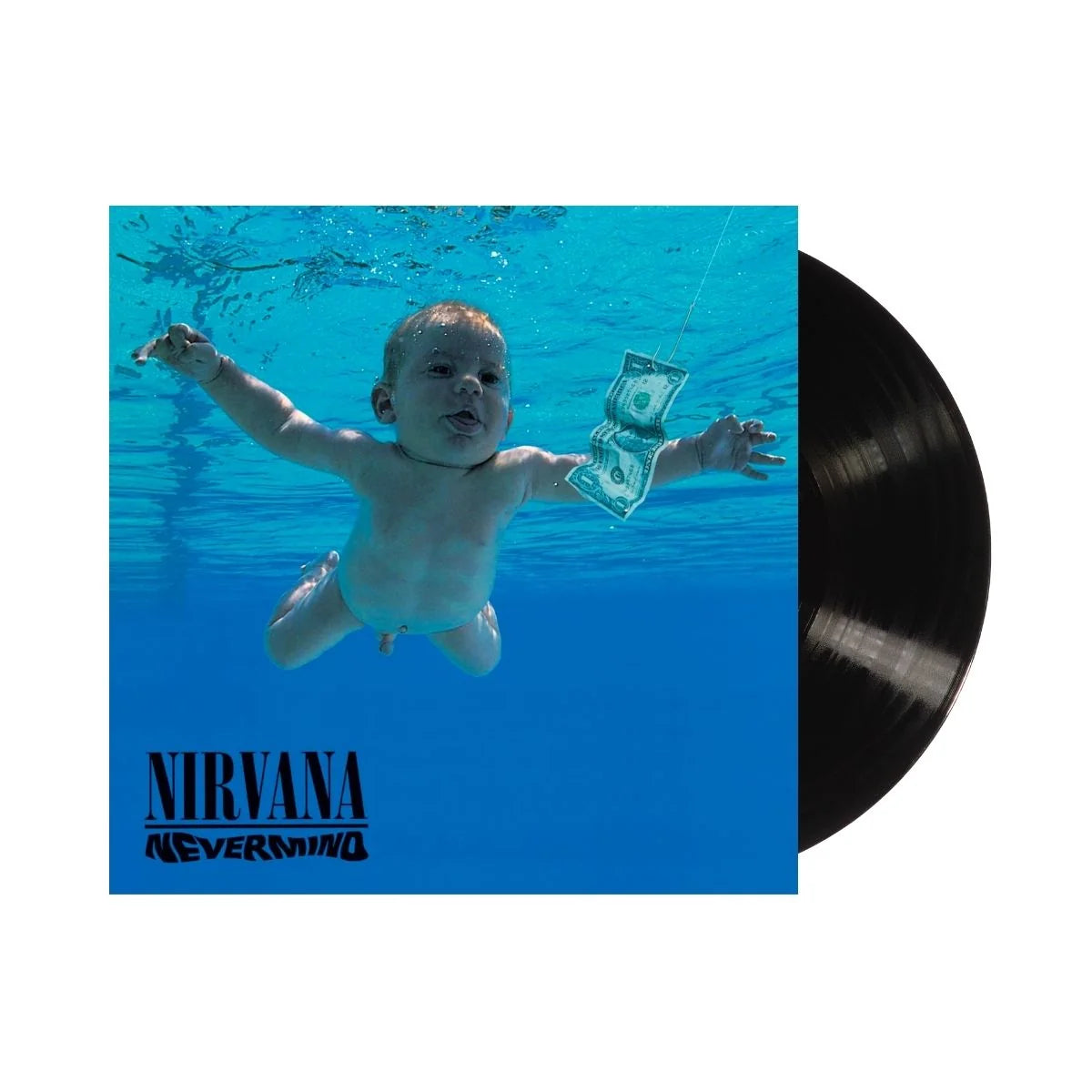
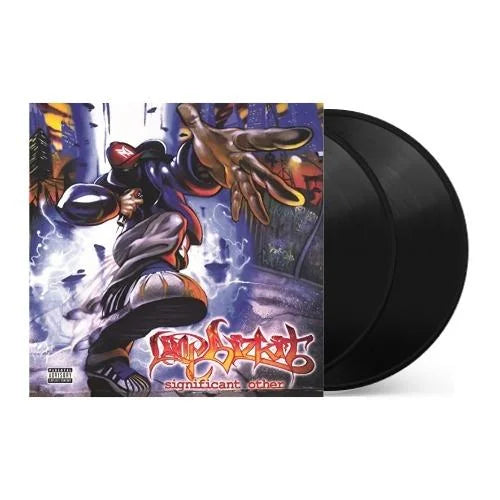
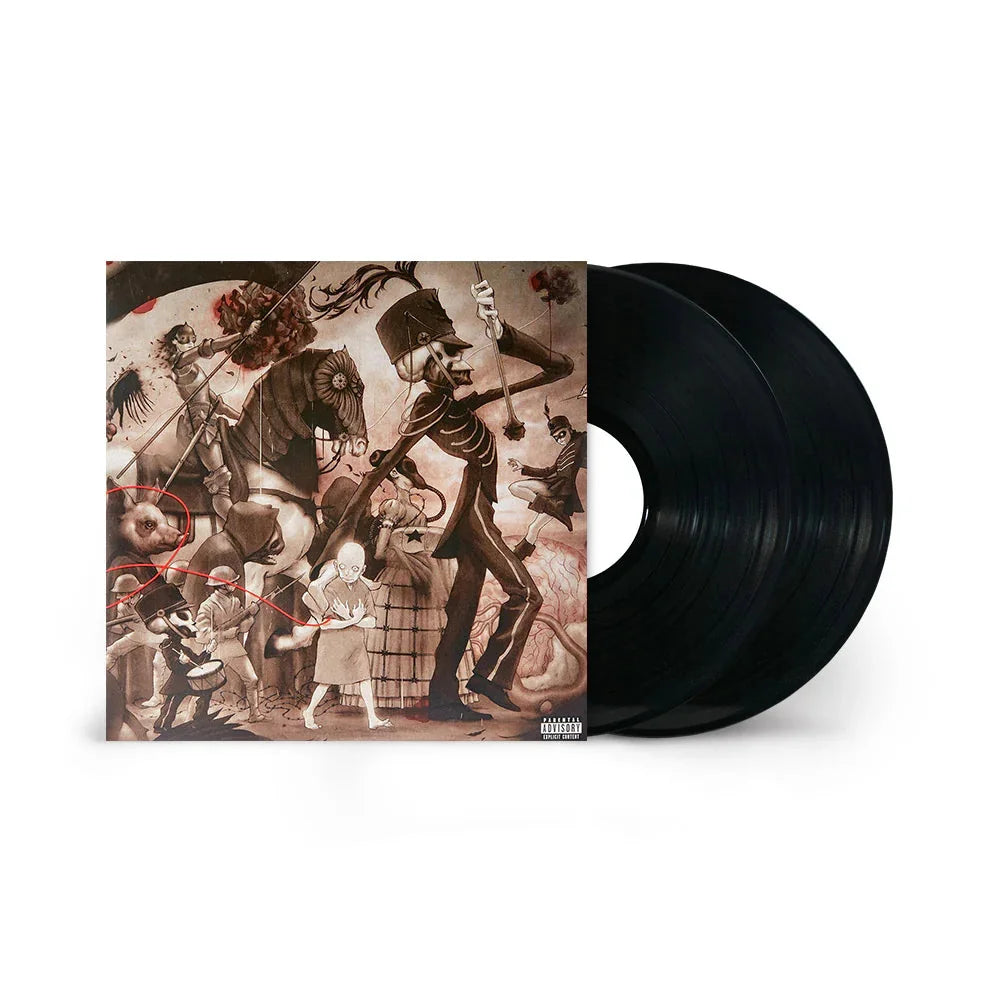

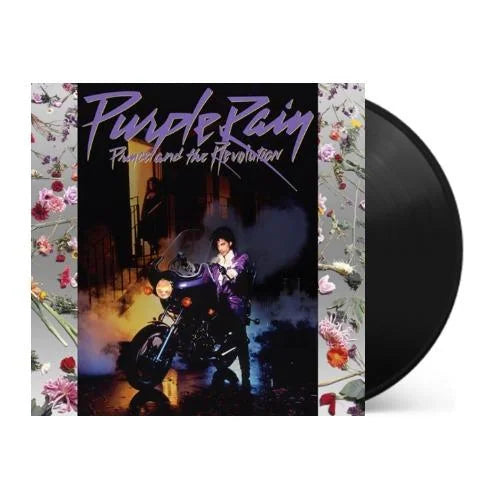

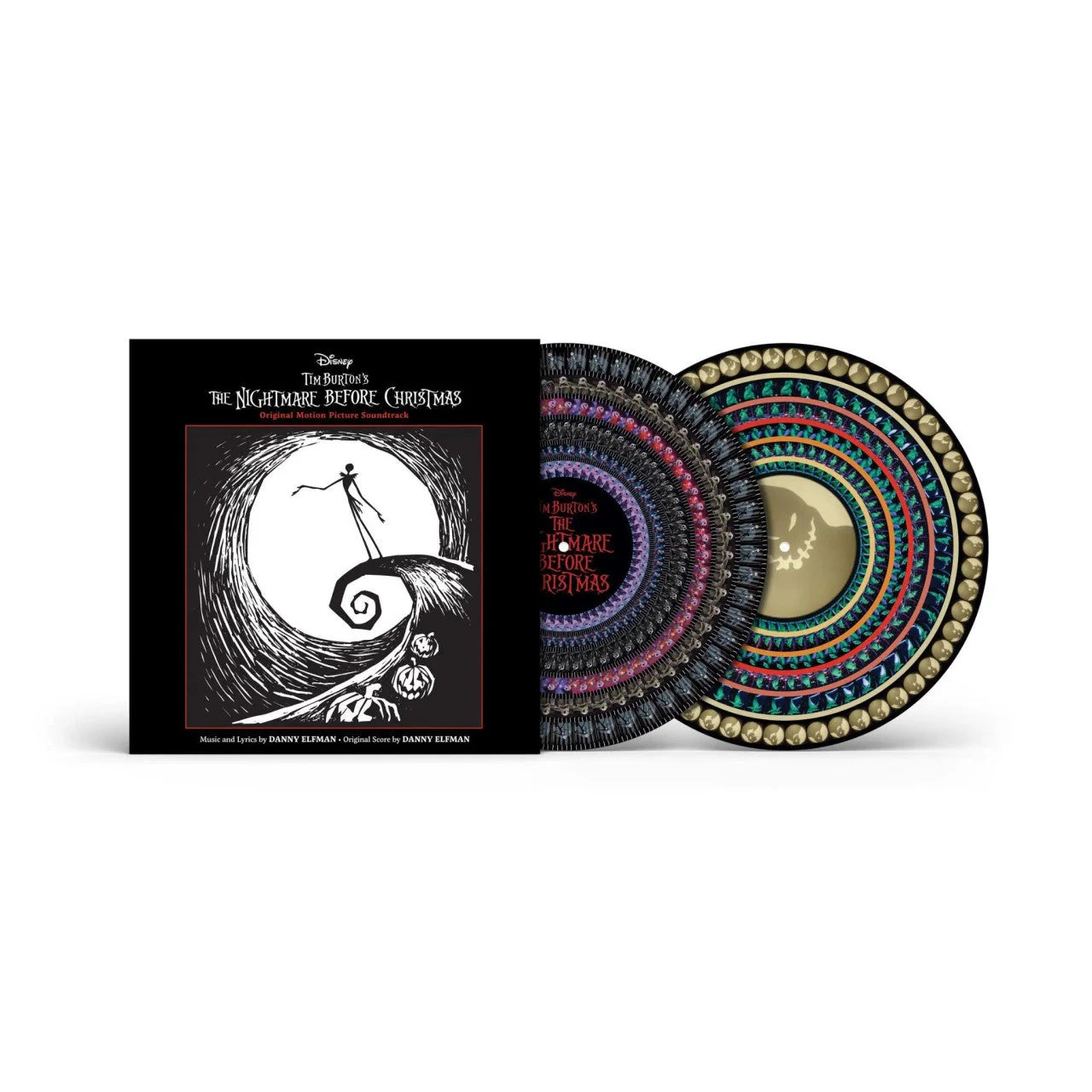
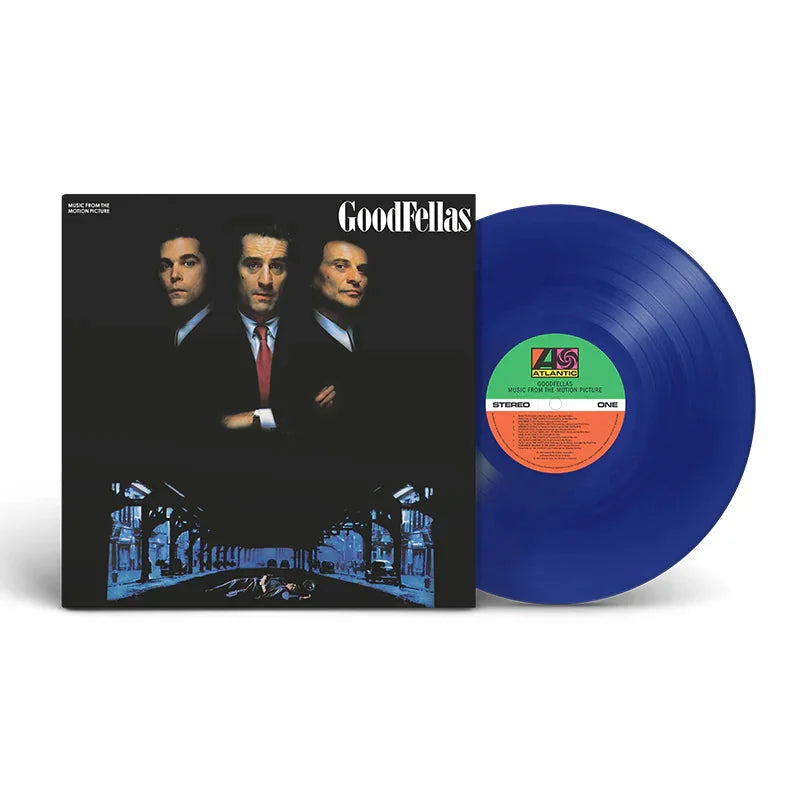
![Various Artists - The Life Aquatic With Steve Zissou O.S.T. [2LP Canary Yellow]](http://vinyl.com/cdn/shop/files/4427619-3397770.jpg?v=1747779139&width=5760)




Vinyl records have stayed popular because they provide a complete experience. Unlike digital music, vinyl feels personal and physical. From placing the needle on the groove to admiring the album art, every part of the process adds to the joy of listening. Many people feel a deeper connection to their music through vinyl. This emotional connection is one reason vinyl record collecting grows, even in our modern streaming age. Music lovers enjoy the hands-on feel of a record and the nostalgia vinyl brings. The beauty of vinyl is a way to connect with the past and with the art of music itself.
The Core Drivers of Collectibility in Limited Pressings
Pressing Numbers
One of the most powerful forces behind the demand for collectible vinyl records is the idea of scarcity. When buyers know that only 500 or 1,000 records exist worldwide, it triggers a sense of urgency. People don’t want to miss the opportunity to own something that might disappear forever. This taps into a psychological need for exclusivity. Fans and collectors alike often act quickly to grab low-number pressings because owning one early in the run feels more valuable. The vinyl pressing numbers printed on covers or inserts further increase their appeal. These numbers act like badges of honor in the collector community, setting one copy apart from another in a deeply rewarding way.
The Role of Colored Vinyls
Standard black vinyl is classic, but many collectors are drawn to colored vinyl records for their visual flair and uniqueness. These records come in every imaginable shade, like transparent red, marble blue, or glow-in-the-dark green. Beyond color, some vinyls are pressed with unique materials like picture discs, splatter designs, or metallic finishes. These versions look like pieces of art. The creative use of color and material adds a layer of collectibility because these variations often exist only in small runs. Owning a visually striking record that’s also rare makes collectors feel like they’ve secured something truly special.

Unique Jacket Designs and Alternate Artwork
The cover of a record can be just as important as the music inside. Limited pressings often feature alternate covers, special artwork, or hand-signed inserts, making them more attractive to collectors. These extras give fans more reasons to seek out specific editions. Hand-numbered jackets are another major draw, especially those done directly by the band or label. These tiny details tell a story that isn’t shared with standard releases. To many record collectors, having a one-of-a-kind cover or insert adds emotional value.
Special Editions
Some pressings are made available only at concerts, limited-time reissues, or as part of deluxe packages. Tour-exclusive editions are prized because you have to be at the show to get them. Labels also reissue albums with added features like remastered sound, bonus tracks, or enhanced artwork. These limited runs are often more appealing than their original versions. Additionally, vinyl box sets offer bundled content like multiple LPs, booklets, posters, and more, all housed in premium packaging. Getting your hands on these editions feels like unlocking a deeper level of musical appreciation.
How to Assess and Value Collectible Vinyl Records
Understanding Condition
Grading determines how much a vinyl record is worth and gives collectors a standardized method of evaluating records. Since the physical state of the vinyl and its sleeve can dramatically influence desirability, knowing how to assess grading labels accurately becomes essential.
- Mint (M): It has never been played, removed from its sleeve more than once or twice, or exposed to environmental elements like sunlight, dust, or moisture. The audio quality is perfect, and the surface is free from any marks, scuffs, or blemishes. Sleeves in Mint condition are also pristine, with sharp corners, no creases or shelf wear, and often retain their original gloss or shrink wrap. Because of its untouched state, Mint vinyl is exceedingly rare and usually commands the highest prices on the resale market. Collectors prize these records for their archival quality and investment potential. Mint condition records are typically sourced from private collections, unplayed stock from record stores, or carefully stored legacy items. While some sellers claim an item is “mint,” true Mint condition is rare and should only be assigned when there is no doubt. Even fingerprints or hairline scratches disqualify a record from this top-tier grade.
- Near Mint (NM or M-): The vinyl surface should be clean, glossy, and almost indistinguishable from Mint except under close inspection. A faint scuff may not affect play, or a negligible spindle mark indicates minimal use. The jacket or sleeve should also be well-preserved with no tears, stickers, discoloration, or writing. Near Mint records appeal strongly to buyers who want quality audio and presentation but are not as concerned with untouched originality.
- Very Good Plus (VG+): VG+ records exhibit some light wear but remain in excellent shape for regular playback. Audio quality remains strong, though you might hear occasional surface noise during quieter passages. Sleeves may show some aging, light ring wear, or corner bumps, but they should still hold up visually and structurally. This grade is ideal for buyers who want good sound at a reasonable price. From a resale perspective, VG+ records often attract those who listen more than collect. They are also helpful for DJs or enthusiasts who value playability over perfection.
- Very Good (VG): A VG record shows visible signs of use but remains playable and enjoyable. You’ll find more pronounced surface marks and may hear some consistent crackle or background noise throughout playback. However, the record will not skip or jump. The sleeve might display ring wear, seam splits, or fading, and may include price tags or writing. Despite this, the overall presentation is intact, and the record and sleeve serve their intended purposes. VG records are typically priced lower than higher-graded versions and often appeal to casual listeners, budget-conscious collectors, or those seeking a placeholder copy of a rare album. They are still functional and listenable, making them a common entry point into vinyl collecting.
- Good (G), Good Plus (G+): Records in G or G+ condition show heavy wear and may have significant surface noise, scratches, or groove wear. These records will still play through without skipping, but the audio quality will be compromised. Sleeves are often torn, stained, or taped, missing original inserts or artwork. These records serve as last-resort options for titles that are extremely rare or hard to find in better condition. Sellers must clearly highlight defects and avoid overstating the condition.
Each grade offers its own balance of quality and purpose—empowering buyers to prioritize what matters most to them, whether it’s condition, sound, rarity, or affordability.

Catalog Numbers, Matrix Codes, and Authenticity Markers
Every pressing comes with a catalog number, typically printed on the album’s spine, back cover, or label. Matrix codes, however, are etched into the vinyl near the center and can reveal even more detail, like the specific plant where the record was pressed or its pressing generation. Collectors rely on these markers to distinguish first pressings from later editions. Knowing how to read these codes gives insight into a record’s authenticity, especially when trying to find rare vinyl that may be mixed in with reissues.
Researching Sales Histories
Knowing what a record is worth today means looking into past sales. Many collectors research auction results and sales databases to determine fair market value. This helps prevent overpaying or undervaluing your records. If you're considering letting go of your personal vinyl record, these records of past sales can guide your decision.
Economic Trends and Their Effects
During economic downturns, luxury collectibles like vinyl may temporarily dip in price as buyers prioritize essentials. But in times of economic stability, interest often rises, particularly among younger collectors rediscovering analog formats. Shifts in taste can also influence prices quickly. Limited releases might spike when demand suddenly outpaces supply. Out-of-print vinyl albums often increase in value over time due to scarcity. These fluctuations highlight the importance of timing when selling or expanding your collection. Staying aware of these trends helps collectors make smart decisions based on market conditions.
Navigating the Vinyl Marketplace: Online and Offline
Buying Rare Vinyl Online
In today’s digital age, collectors have unprecedented access to rare vinyl through specialized platforms and seller sites. Reputable websites and independent stores that ship globally give buyers confidence in authenticity. Favoring platforms with built-in protections like payment safeguards and buyer support is wise. Trusted vinyl-specific marketplaces and longtime vinyl record dealers often specialize in hard-to-find titles or limited pressings. Shops may also offer newsletters for alerts on upcoming restocks.
Crate-Digging in Estate Sales and Record Fairs
The surprise factor makes these venues special, like finding a rare pressing in a forgotten corner is part of the charm. These events attract both seasoned collectors and casual fans, offering a wide range of prices and conditions. Whether you’re looking for a pristine copy of a classic or sifting through bulk vinyl records for overlooked gems, physical hunts bring excitement no website can match. Networking with other collectors at these events can also lead to private sales or trade opportunities.
Avoiding Counterfeits
Counterfeit records can be hard to spot, especially as fakes grow more sophisticated. Some bootlegs use similar fonts, labels, and even shrink wrap to mimic legitimate pressings with alarming accuracy. One way to protect yourself is by studying verified releases and comparing catalog numbers, matrix codes, and other markers of authenticity. Collectors also rely on high-resolution photos and side-by-side comparisons shared in online communities. When looking to buy vinyl records online, avoid listings with vague descriptions or sellers without a history of positive feedback.
Strategies for Artists, Labels, and Collectors
Building Hype
Creating anticipation is one of the most effective tools in building demand for a release. Labels and artists often use teasers and early announcements to alert fans about upcoming limited editions. This strategy taps into the excitement of securing a rare item before it’s gone. Pre-orders can sell out within minutes if the pressing includes rare color variants or bonus tracks. Being quick on the draw can mean the difference between landing a coveted copy and missing out entirely. This approach has successfully boosted awareness and added prestige to collectible vinyl records.
Preserving Vinyl for Longevity
Long-term care is essential to maintaining a vinyl collection's value and sound quality. Here are some core storage and preservation tips collectors trust:
- Keep Records Upright: Vinyl records must always be stored upright, vertical, similar to books on a shelf. This alignment prevents the undue stress that occurs when records are stacked horizontally. Over time, even a small amount of pressure from stacking can lead to warping, where the record bends or curves. Warped vinyl will not sit flat on a turntable, which can cause tracking issues and distortion in playback. Additionally, leaning stacks can compress and deform album covers, leading to permanent creases or spine damage. Vertical storage reduces this risk and makes browsing easier and more efficient.
- Use Inner and Outer Sleeves: Protective sleeves are a fundamental yet often overlooked aspect of record preservation. The inner sleeve should be anti-static, ideally made of rice paper or polyethylene-lined paper, which minimizes the build-up of static electricity—a key culprit in attracting dust and debris to your records. Traditional paper sleeves can cause micro-abrasions over time, especially if they deteriorate or collect particles. Outer sleeves, typically made of polyethylene or polypropylene, act as a defensive barrier against external contaminants. Ensure the record slides easily in and out without unnecessary friction, which can lead to scratches.
- Avoid Direct Sunlight: While natural and seemingly harmless, sunlight poses a considerable threat to modern vinyl records. Prolonged exposure to ultraviolet (UV) light can degrade the vinyl's physical structure and the visual quality of album artwork. The ink on record covers and labels is equally vulnerable. Even ambient sunlight from windows can have a cumulative effect if records are exposed daily. The ideal storage area should be shaded or completely dark, such as a dedicated cabinet, closet, or room without direct light sources. Using blackout curtains or UV-filtering film on windows can also help create a safer environment for record storage in multi-purpose spaces. Furthermore, avoiding proximity to light-emitting heat sources like halogen lamps or nearby appliances helps prevent temperature spikes that may not be immediately noticeable but still cause gradual damage.
- Control Temperature and Humidity: High heat can cause records to soften and warp, while cold temperatures may make the vinyl sets brittle and prone to cracking. High moisture fosters the growth of mold and mildew in paper-based album sleeves, while overly dry conditions can make materials fragile and prone to splitting. A climate-controlled environment is essential for long-term preservation. The ideal temperature range is between 60°F and 70°F (15°C to 21°C), with relative humidity maintained between 40% and 50%. Consider investing in a digital hygrometer and thermometer to monitor storage conditions regularly.
These practices extend the playable life of the most expensive vinyl records while also preserving their charm for future listeners. Whether building a modest collection or curating a vinyl archive, thoughtful preservation ensures your records continue to offer the immersive sound only analog can provide.

Unlike digital playlists that vanish with the click of a button, vinyl remains a physical reminder of the music we love and the stories attached to it. Many collectors view their records as more than listening tools; they are deeply personal artifacts that combine design, emotion, and sound in a single format. For those who value artistry and authenticity, limited-edition vinyl creates a rare space where creativity and craftsmanship intersect.
