




![Smashing Pumpkins - Mellon Collie and The Infinite Sadness [4LP Box Set]](http://vinyl.com/cdn/shop/files/MellonCollie4LP-SmashingPumpkins.png?v=1736990865&width=5760)
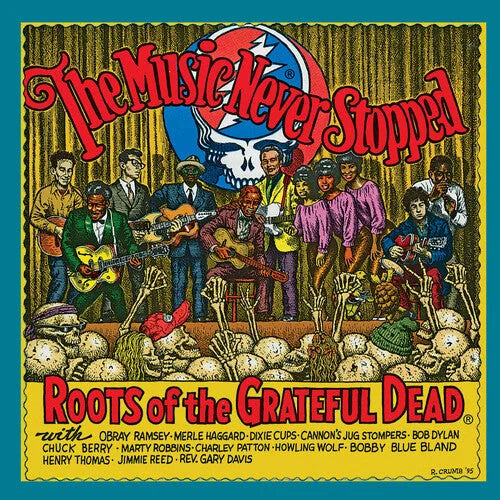
![The Grateful Dead - The Music Never Stopped [6LP Box Set]](http://vinyl.com/cdn/shop/files/The_Grateful_Dead-The_Music_Never_Stopped__6LP_Box_Set.jpg?v=1747729623&width=5760)
![The Grateful Dead - Madison Square Garden, New York, NY 3/9/81 (2023 Rocktober Edition) [5LP Box Set]](http://vinyl.com/cdn/shop/files/gratefuldead_2.png?v=1768197509&width=5760)






![Taylor Swift - folklore [2LP Beige]](http://vinyl.com/cdn/shop/files/477929-Product-0-I-637317959467683009_grande_a6f82db0-1cb7-45c5-8892-ed79af261e80.webp?v=1736750683&width=5760)
![Mac Miller - Circles [2LP Clear]](http://vinyl.com/cdn/shop/files/mac_1.png?v=1767598863&width=5760)
![Cryptopsy - None So Vile [CD / Vinyl]](http://vinyl.com/cdn/shop/files/SOM830LP.jpg?v=1766139746&width=5760)
![Cannabis Corpse - Beneath Grow Lights Thou Shalt Rise [CD / Vinyl]](http://vinyl.com/cdn/shop/files/SOM310LPP-FRONT.jpg?v=1766139744&width=5760)

![Numenorean - Adore [CD / Vinyl]](http://vinyl.com/cdn/shop/files/SOM504LPCB.jpg?v=1766139732&width=5760)
![Mac Miller - Swimming [2LP]](http://vinyl.com/cdn/shop/files/MacMiller-Swimming_2LP.png?v=1776241230&width=5760)




![Zach Bryan - American Heartbreak [3LP]](http://vinyl.com/cdn/shop/files/Zach_Bryan-American_Heartbreak_3LP.webp?v=1764838852&width=5760)

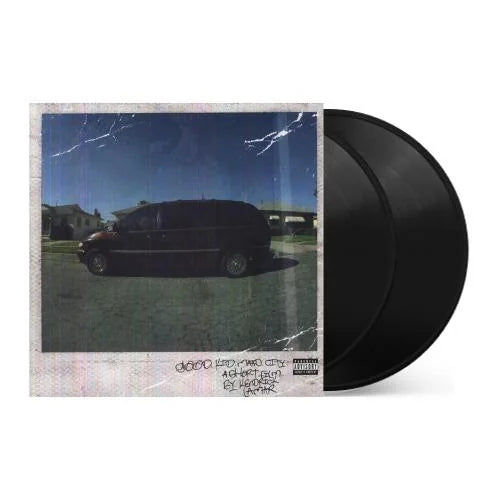

![Miles Davis - Kind of Blue [180-gram]](http://vinyl.com/cdn/shop/files/Y4LPMD03.webp?v=1742198237&width=5760)


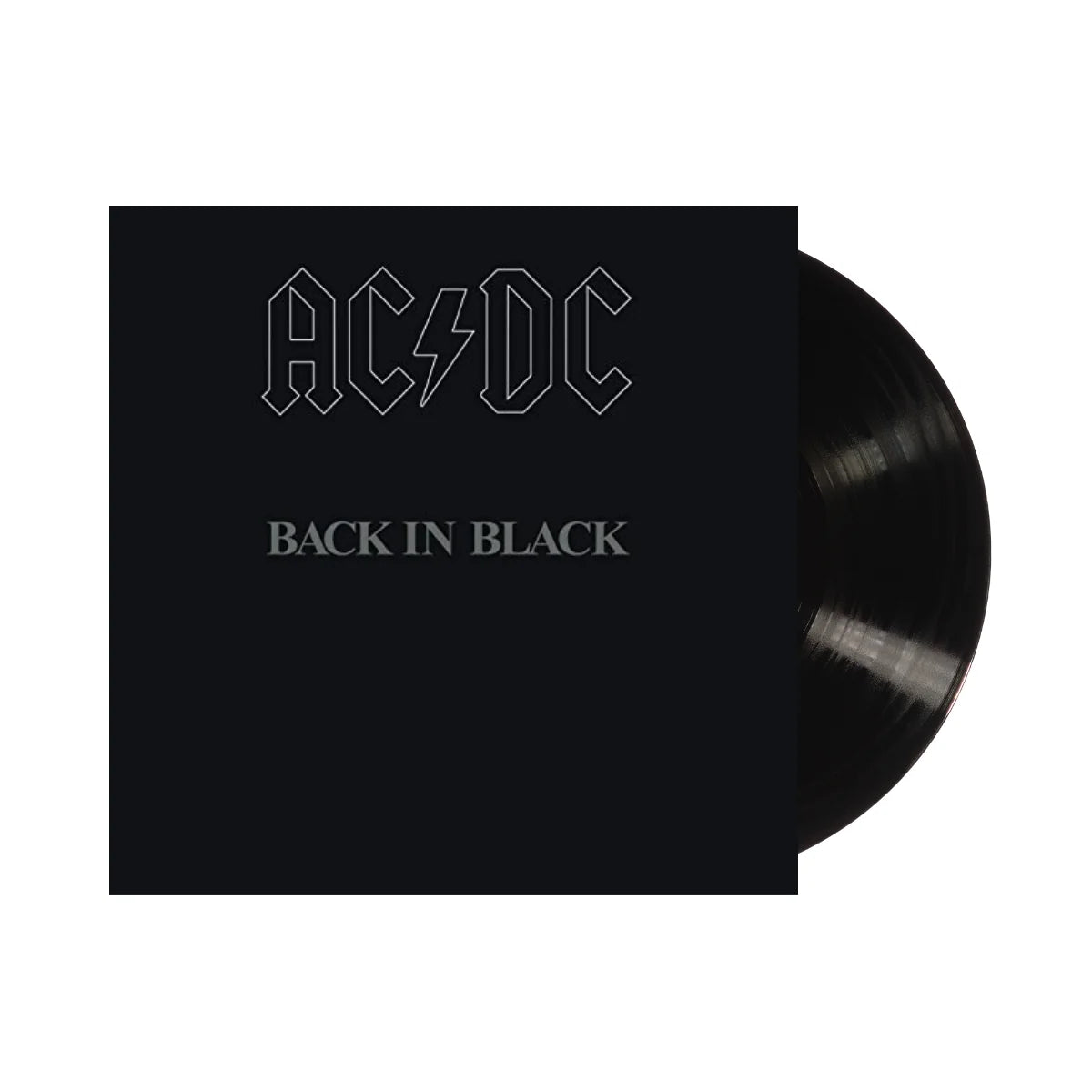



![Taylor Swift - 1989 (Taylor's Version) [2LP Crystal Skies Blue]](http://vinyl.com/cdn/shop/files/taylor_swift_1989_taylors_version.jpg?v=1734389117&width=5760)
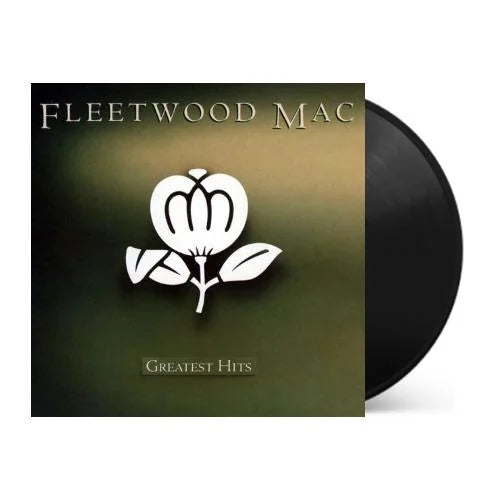
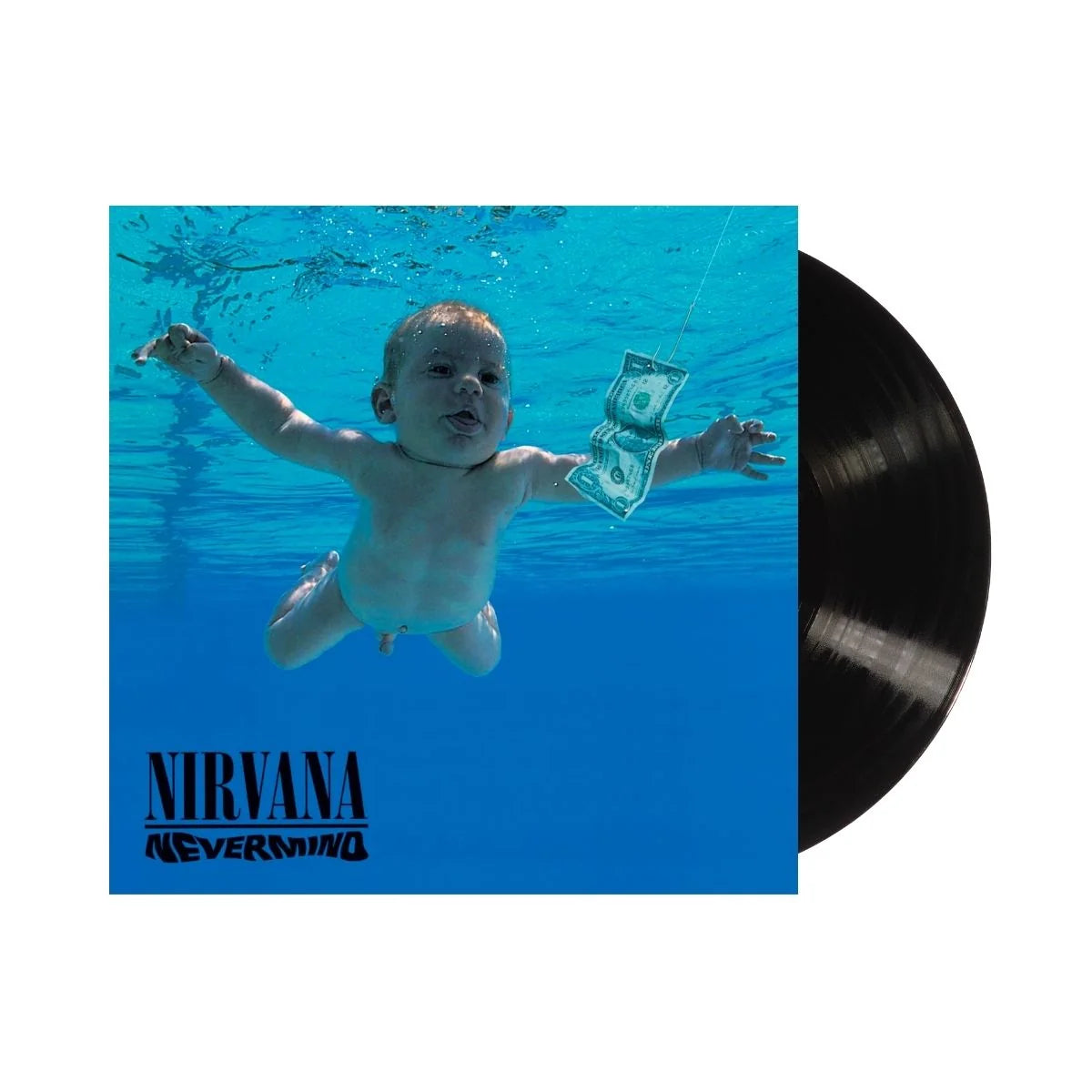


![Various Artists - The Life Aquatic With Steve Zissou O.S.T. [2LP Canary Yellow]](http://vinyl.com/cdn/shop/files/4427619-3397770.jpg?v=1747779139&width=5760)







Anniversary edition vinyl pressings are more than just nostalgic releases. They play a meaningful role in preserving the history of record albums for future generations. These special editions often mark major milestones, offering a chance to revisit and honor music that shaped entire eras. For fans and historians alike, they provide not just a listening experience but a historical context. They tell the story of how music evolved and why certain records are still considered legendary.

The Cultural and Musical Significance
Anniversary vinyl editions serve as milestones that celebrate the enduring impact of influential artists and their music. When a record is chosen for an anniversary pressing, it’s a recognition of its lasting resonance within the cultural landscape. These releases honor albums that have shaped genres, inspired generations, or reflected pivotal moments in society.
For listeners, revisiting an album through an anniversary edition is an opportunity to reflect on its original context and ongoing influence. Iconic records, whether they redefined hip-hop, set new standards in pop, or pushed the boundaries of rock, often become touchstones for broader cultural shifts. Their anniversary editions remind us of the stories, movements, and emotions they captured at the time of their debut. These special releases also provide a platform for artists and fans to reconnect. Liner notes, essays, and archival materials included in anniversary packages offer fresh perspectives on how the music was made and why it still matters. For longtime fans, it’s a chance to rediscover the album’s significance; for new listeners, it’s an invitation to experience a defining work in its most celebrated form.
How Anniversary Vinyl Releases Sustain Album Legacy
Anniversary vinyl releases help preserve and celebrate the legacy of iconic albums, reminding listeners of their lasting impact on music and culture. Reissuing records for major milestones keeps albums relevant, sparks renewed discussion, and encourages new interpretations. This process deepens understanding of the album’s context, innovations, and influence on future musicians, solidifying its place in music history. These editions also connect generations, introducing classic albums to new listeners through the unique appeal of vinyl and special features like remastered sound and exclusive content. Experiencing these enhanced releases can foster a greater appreciation of both the music and its history, ensuring classic records remain influential and admired.
More than just music, anniversary editions tell the story of an album’s creation and cultural journey. With new essays, archival photos, and updated packaging, they provide context and meaning for both longtime fans and newcomers. Ultimately, these releases preserve the sound and spirit of classic albums, helping their stories endure in modern culture.
Remastering Techniques That Enhance Legacy Recordings
Analog Vinyl Reissues
One of the most valued aspects of re-releasing older albums is the use of original analog master tapes. These recordings often contain subtle details and textures lost in digital transfers. When engineers work with these sources, they can produce analog vinyl reissues that maintain the warmth and depth of the original sessions. Purists cherish this method because it retains the natural sound dynamics. Every crackle and nuance is preserved, giving listeners an authentic glimpse into the studio experience of decades past.
Digital Tools and the Best Remastered Vinyl Methods
Modern technology also plays a critical role in enhancing old recordings. Engineers now use high-resolution digital tools to eliminate noise and balance frequencies with incredible precision. This process yields some of the finest remastered vinyl available today, where clarity is enhanced without compromising the essence of the original. Sophisticated software enables micro-edits that enhance listening quality.
Comparing Mastering Philosophies
The goals behind mastering music have undergone significant changes over the decades. In earlier times, mastering engineers focused on getting the music to fit the limitations of vinyl and radio. Volume levels were kept conservative, and bass was often reduced to avoid groove distortion. Today, reissue producers aim to extract every possible detail from a recording. This shift means that the vinyl remasters of today often reveal aspects that weren’t audible in the original pressings. Comparing old and new versions showcases how advances in mastering gear and techniques can breathe new life into cherished recordings.
Half-Speed Mastering and Contemporary Fidelity Standards
Half-speed mastering has become a popular method for producing high-fidelity reissues. This technique involves playing the source audio at half speed while the vinyl master is cut, allowing for greater precision and detail. It slows the cutting process, making it easier to handle complex sounds and dynamics. This approach is frequently used for the best-sounding vinyl reissues because it reduces distortion and improves clarity across all frequencies. While it requires more time and skill, the result is a pressing that delivers an overall richer sound. Collectors appreciate the craftsmanship that this method represents.
Packaging, Presentation, and Archival Value
Deluxe Vinyl Albums
The physical components of iconic vinyl albums often carry just as much historical weight as the music itself. A high-quality deluxe reissue often includes:
Newly Commissioned Essays: One hallmark of deluxe vinyl packages is the inclusion of fresh, insightful essays written by music historians, journalists, or the artists themselves. These writings revisit the album’s impact from a modern perspective, sometimes incorporating decades of hindsight and cultural evolution. Such essays might examine the socio-political backdrop of the record’s release, its long-term influence on genre, or how its themes resonate today. This element serves as a bridge between generations, allowing new listeners to understand the album’s weight and longtime fans to re-contextualize it through a current lens.
Original Liner Notes: They provide a firsthand glimpse into how the album was positioned and perceived at the time of its release, offering everything from track breakdowns and studio anecdotes to musings on artistic vision. Keeping these notes intact honors the spirit of the original packaging while providing listeners with historical context. Comparing past perspectives to newly commissioned ones adds a layer of temporal dialogue, enhancing the album's story.
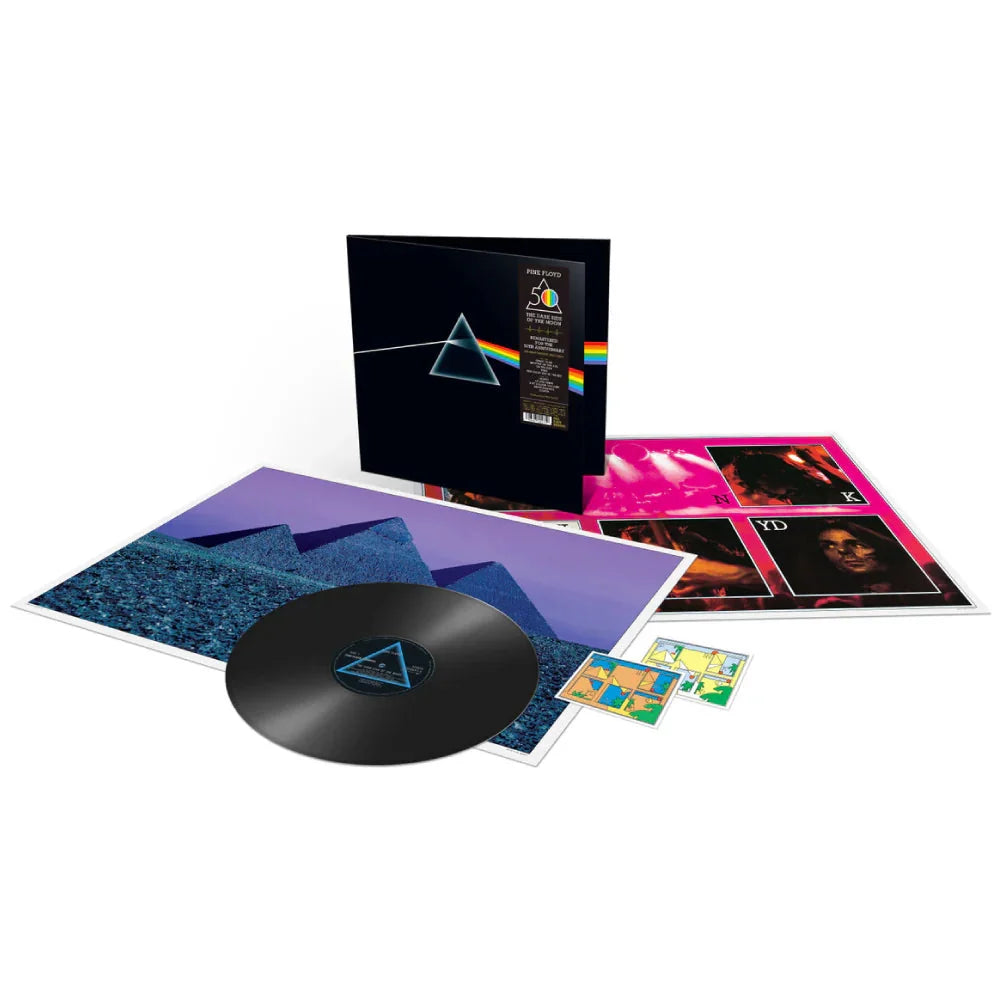
Photographic Prints: High-resolution prints or contact sheets included in deluxe packages deliver another sensory dimension to the music, one that complements what’s heard with what was seen. These images may feature behind-the-scenes shots from recording sessions, candid moments backstage, or press photos long buried in archives. The inclusion of photography gives the release an intimate, almost documentary quality. It allows listeners to put faces to the names and to see the emotion that surrounded the music’s creation. When presented on high-quality cardstock or as removable inserts, these prints offer visual artifacts that feel artful and collectible in their own right.
These elements come together to build a richer appreciation of the music, turning a vinyl reissue into a tangible time capsule. This layered experience fosters a deeper emotional connection to the album.

Box Sets Featuring Demos, Outtakes, and Live Tracks
Many anniversary releases go even further by offering box sets filled with unreleased material. These editions may feature demos, alternate takes, and recordings from live performances that give insight into the creative process. By hearing rough cuts and early arrangements, fans gain a better understanding of how a track evolved. These added layers allow listeners to witness the song’s development from first spark to final form. Box sets serve as educational tools as well as collectors’ items, providing an opportunity to explore the broader narrative behind the album. They elevate reissues from mere reproduction to cultural documentation.
Artistic Design Elements that Reflect Cultural Eras
Design choices in anniversary releases often mirror the aesthetics of the era in which the album was born. Typography, color schemes, and layout choices are carefully considered to reflect the time period authentically. Some reissues even incorporate materials or printing methods common during the original release. These design elements help bridge the past and present, making the packaging part of the storytelling. A well-executed design creates a sense of stepping into the past while holding something entirely new.
Why Graphic Design and Packaging Preserve Context
Beyond musical content, the packaging of a record contributes significantly to its historical footprint. Graphic design choices preserve visual cues tied to social, political, and artistic movements. Album covers and sleeve art often reflect the identity and voice of the artist at that moment in time. In vinyl remastered editions, updated packaging can juxtapose archival visuals with modern design sensibilities, enriching the cultural context for today’s audience. This layered presentation preserves the essence of the era. Design is memory made visible, anchoring sound to a particular time and place in history.
Pressing Quality and Audiophile Standards
Vinyl Weight, Groove Depth, and Surface Noise Control
The weight of a vinyl pressing is one indicator of potential durability. Heavier records are less prone to warping and offer better tracking, which helps reduce surface noise. Groove depth also plays a vital role; deeper grooves can accommodate a wider dynamic range, allowing the music to breathe more freely. The care taken during pressing, from the mold temperature to the cooling process, affects how well the vinyl reproduces sound. Well-made pressings deliver a listening experience that honors the original recording’s intent with minimal distortion.
Matrix Inscriptions
Matrix numbers etched into the dead wax of a vinyl record can reveal a wealth of information about its origin. These inscriptions often include codes that identify the mastering engineer, the pressing plant, or even the exact version of a release. For serious vinyl enthusiasts, finding a well-known engineer’s signature is like uncovering a hidden stamp of quality. Subtle details help differentiate standard reissues from historic vinyl pressings that have achieved legendary status. Matrix etchings also serve as a way to authenticate rare editions, making them valuable tools for both verification and discovery.
Quality Record Pressing
The facility where a record is pressed can greatly influence the final product’s quality. Some pressing plants have established reputations for consistency, craftsmanship, and quality control. Plants like RTI, Optimal, and QRP are known for producing some of the best vinyl reissues available. These facilities use state-of-the-art equipment and experienced staff to minimize defects such as warping, off-center holes, or uneven grooves. Reliable plants also maintain stringent environmental conditions to ensure clean, quiet pressings. Choosing a reissue pressed at a reputable plant increases the chance of getting a flawless, audiophile-grade listening experience right out of the sleeve.
Common Flaws to Avoid
While anniversary pressings are often meticulously crafted, not all reissues meet high-quality standards. It’s important to know how to identify poor pressings that may compromise sound or diminish long-term value. Below is a breakdown of common problems:
Warping: Often caused by improper cooling during the pressing process or poor storage conditions post-production, warping results in uneven surfaces that interfere with smooth stylus movement. Even a slight warp can cause tracking issues, distortion, or unnecessary wear on both the needle and the record itself. In severe cases, the needle may skip altogether. Warping is particularly frustrating because it’s usually irreversible and affects every playthrough. Records should cool evenly under consistent pressure to maintain their flat shape, but in some mass-production environments, this step is rushed to meet volume demands.
Off-Center Spindle Holes: If the spindle hole isn’t perfectly centered, the stylus will wobble slightly as it travels through the grooves, causing fluctuations in pitch and timing that are easily noticeable to the ear. This issue can make music sound warped or seasick, especially on sustained notes or instrumental passages with consistent tones. Off-centering is typically a result of poor calibration during the pressing process, reflecting a lack of attention to manufacturing detail. Unlike surface noise, which some collectors can tolerate, pitch instability fundamentally disrupts the listening experience and renders even pristine-looking vinyl unplayable for discerning ears. Test spin your reissue or check online reviews for reports of this defect before purchase. Once a record is off-center, there is little that can be done to correct it without professional tools.
Non-Fill Errors: This is a pressing defect where the vinyl fails to completely mold into the grooves of the stamper, often due to insufficient temperature or pressure during manufacturing. It appears as dull, grainy spots on the record’s surface and produces an unmistakable ripping or tearing sound during playback. This auditory glitch usually occurs in one channel and is most prominent on quieter tracks or softer musical passages. Non-fill is more common in lower-grade or overly rushed pressings, and it can occur even in brand-new, unopened records. Because it’s a structural defect, cleaning or re-spinning the record won’t solve the issue.
Surface Scuffs: Even before a record meets the needle, it may already show signs of cosmetic and functional damage due to poor handling at the factory. Surface scuffs or cloudy patches can occur when vinyl is packaged without gloves, inserted into abrasive sleeves, or allowed to rub against dust or debris during transit. While not all scuffs affect playback, some introduce background noise like clicks or pops, especially in quiet passages or during lead-in grooves. More importantly for collectors, surface flaws reduce the perceived value and visual appeal of the reissue.
Spotting these common flaws can help you make better purchasing decisions and protect your vinyl collection from frustration. Knowing what to look for gives you the advantage of insight.
Collector Appeal and Investment Potential
Limited Anniversary Pressings
Labels use this strategy to appeal to collectors who value scarcity as a sign of authenticity and worth. These releases typically come with unique identifiers, such as serial numbers or alternative cover art, distinguishing them from standard pressings. Because they’re harder to obtain, their perceived value increases quickly, sometimes even before the release date.
Numbered Editions, Colored Variants, and Foil Stamps
Visual distinctions can greatly enhance the desirability of collectible records. Numbered editions inform the buyer exactly where their copy stands in the total run, adding a personal touch and a sense of ownership. Colored vinyl variants often tie into the album’s theme, mood, or legacy, adding visual appeal without sacrificing audio quality. Foil stamping and embossed details add a layer of luxury, elevating the tactile experience of unwrapping and handling the record. Artistic flourishes may not alter the album's sound, but they significantly enhance its financial value.
Resale Trends and Price Tracking
The market of anniversary vinyl for collectors is dynamic, with values shifting based on demand. Well-maintained reissues can sometimes command higher prices than original pressings, particularly if they offer superior sound quality or added content. Observing price fluctuations over time helps collectors decide whether to keep or sell. Many enthusiasts monitor resale platforms and auction sites to assess current trends. Some vinyl remasters have even tripled in value within months of release, driven by glowing reviews or social media buzz.
Emotional Impact of Exclusivity and Scarcity in Collectible Anniversary Vinyl
For collectors, the allure of anniversary vinyl goes far beyond the music itself. At the heart of this passion is the powerful draw of exclusivity and scarcity—factors that transform a simple record into a treasured artifact. When a label announces a limited run, perhaps only a few thousand copies worldwide, excitement builds within the collector community. The knowledge that only a select group will own a particular pressing fosters a sense of pride and accomplishment. This exclusivity is often marked by features such as numbered editions, colored vinyl variants, or unique packaging elements that distinguish each copy as part of a rare club. For many, owning a record stamped with a specific number—say, “No. 57 of 1,000”—is more than just a statistic; it’s a badge of honor and a tangible connection to a moment in musical history.
Owning a rare or uniquely packaged edition brings deep satisfaction. The pursuit—tracking releases, setting reminders, and sometimes lining up at stores—becomes a memorable adventure. Securing a copy before it sells out feels rewarding, especially when special features like unique artwork or bonus inserts are included. These details make the record more personal and meaningful, reminding collectors of their love for vinyl and the thrill of owning something few others have.
Scarcity also builds community. Collectors share stories, trade editions, and connect over new releases, with online groups buzzing about pressing details and the highs and lows of collecting. Limited editions become more than products—they spark connections and friendships. Ultimately, the exclusivity of collectible vinyl makes music collecting a personal, emotionally rich experience, where each record reflects both the artist’s story and the collector’s journey.
Best Sites to Buy Vinyl
Navigating where to buy collectible anniversary records can greatly impact the quality of your collection. Online platforms like Vinyl.com cater specifically to collectors, often listing reissues with precise details. These vendors typically vet their inventory carefully. Shopping with reputable sellers also provides peace of mind, especially when dealing with rare editions.

Every collector who purchases and cherishes an anniversary pressing contributes to a broader effort of cultural preservation. Records are more than objects. They’re storytellers, carrying with them the voices, visions, and intentions of the artists who made them. Through collecting, storing, and sharing these reissues, individuals help ensure that these narratives aren’t lost to time. In an age where digital convenience often overshadows physical media, vinyl collectors keep analog traditions alive.
