


![Mac Miller - Circles [2LP Clear]](http://vinyl.com/cdn/shop/files/mac_1.png?v=1767598863&width=5760)
![Smashing Pumpkins - Mellon Collie and The Infinite Sadness [4LP Box Set]](http://vinyl.com/cdn/shop/files/MellonCollie4LP-SmashingPumpkins.png?v=1736990865&width=5760)
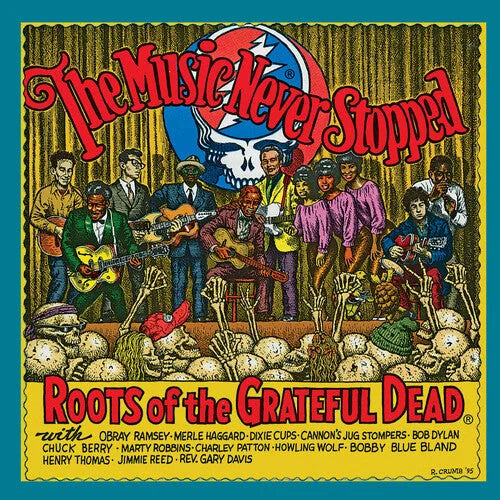
![The Grateful Dead - The Music Never Stopped [6LP Box Set]](http://vinyl.com/cdn/shop/files/The_Grateful_Dead-The_Music_Never_Stopped__6LP_Box_Set.jpg?v=1747729623&width=5760)
![The Grateful Dead - Madison Square Garden, New York, NY 3/9/81 (2023 Rocktober Edition) [5LP Box Set]](http://vinyl.com/cdn/shop/files/gratefuldead_2.png?v=1768197509&width=5760)

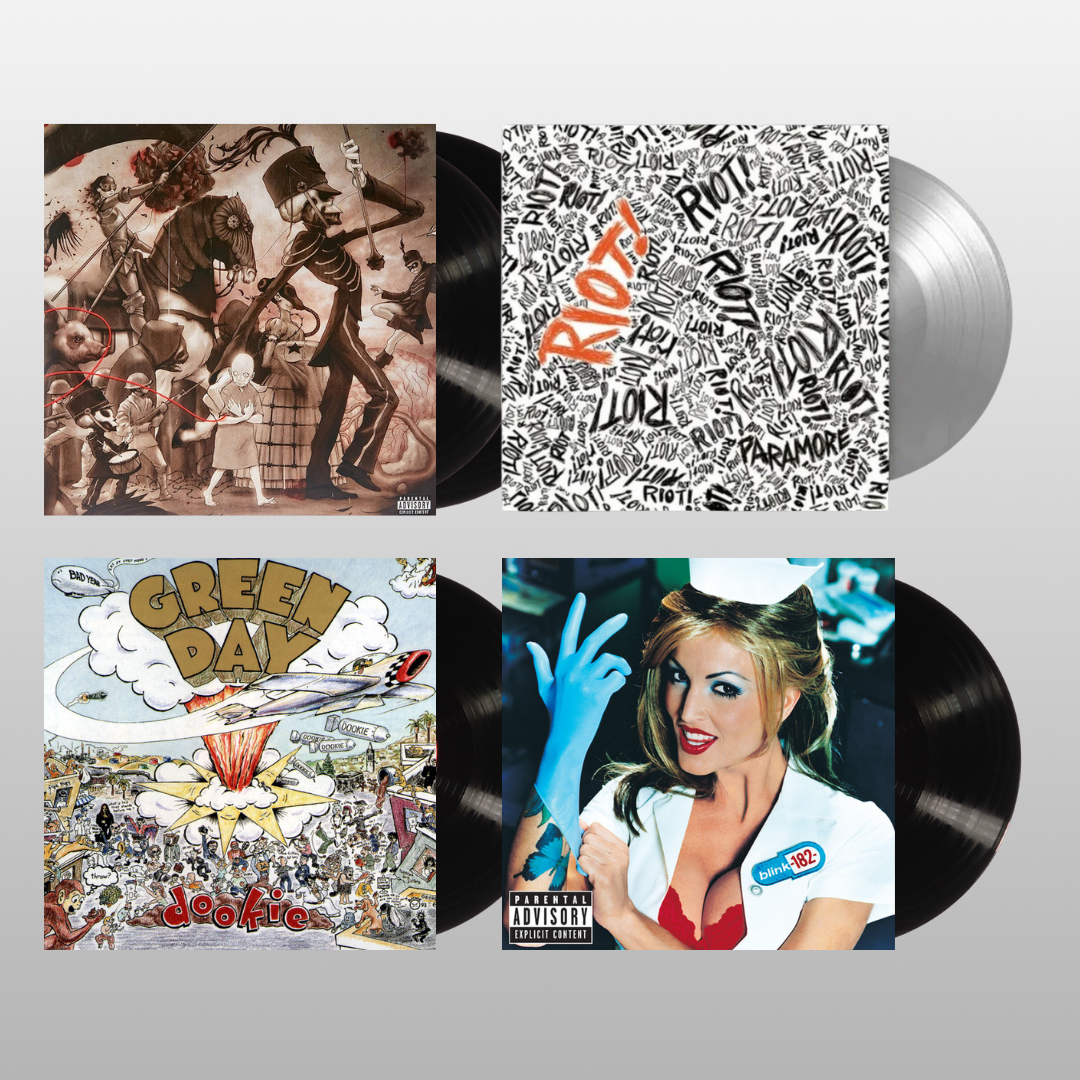
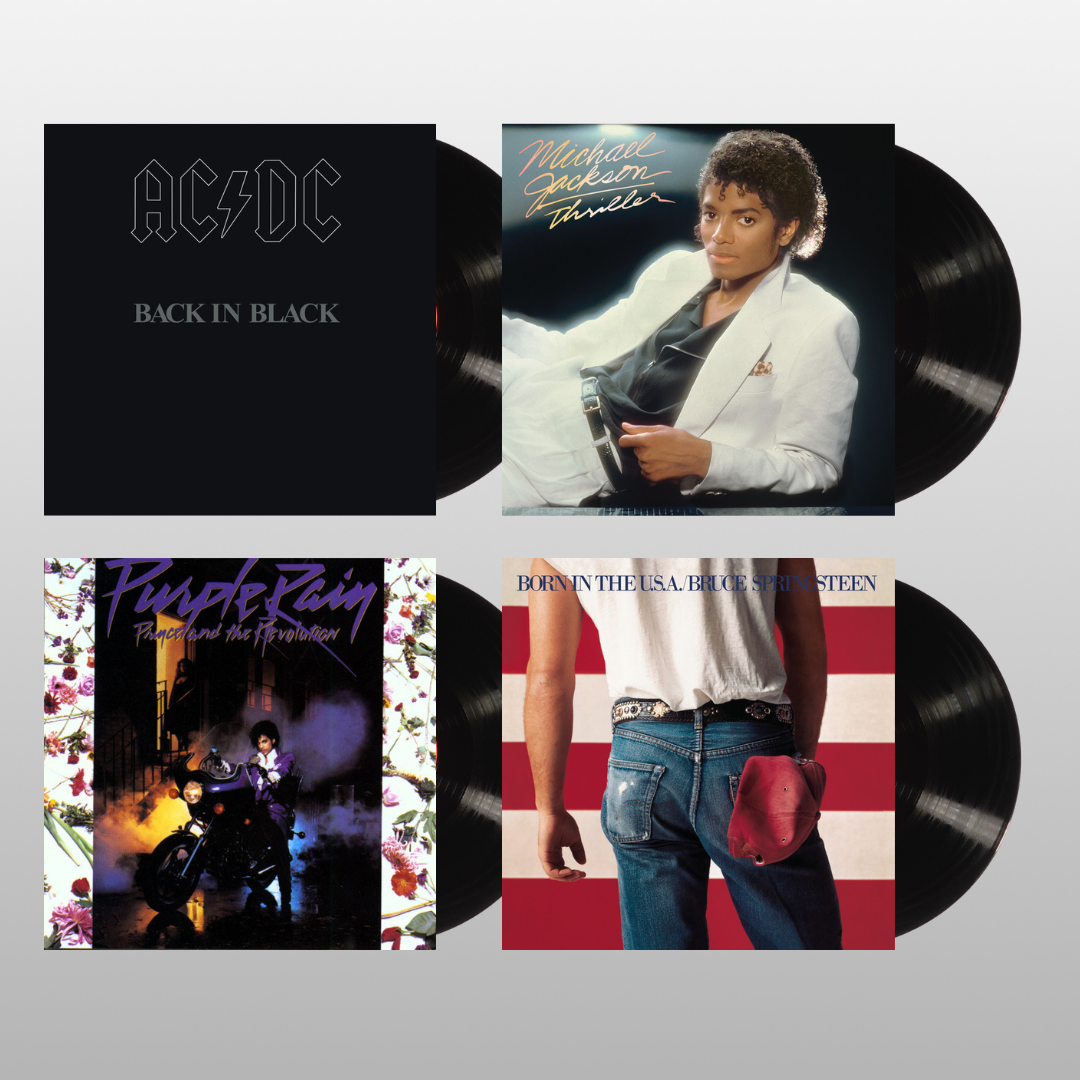
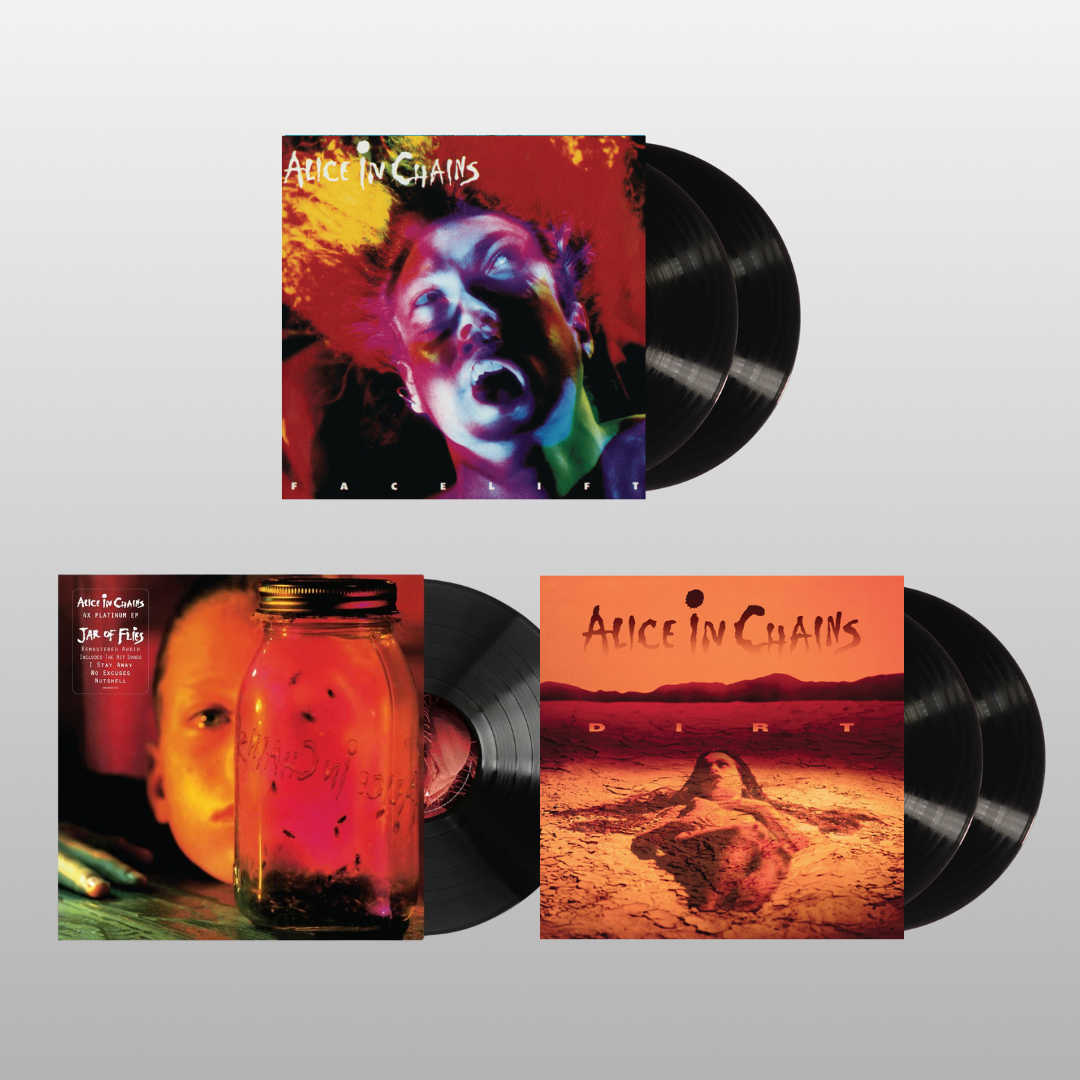
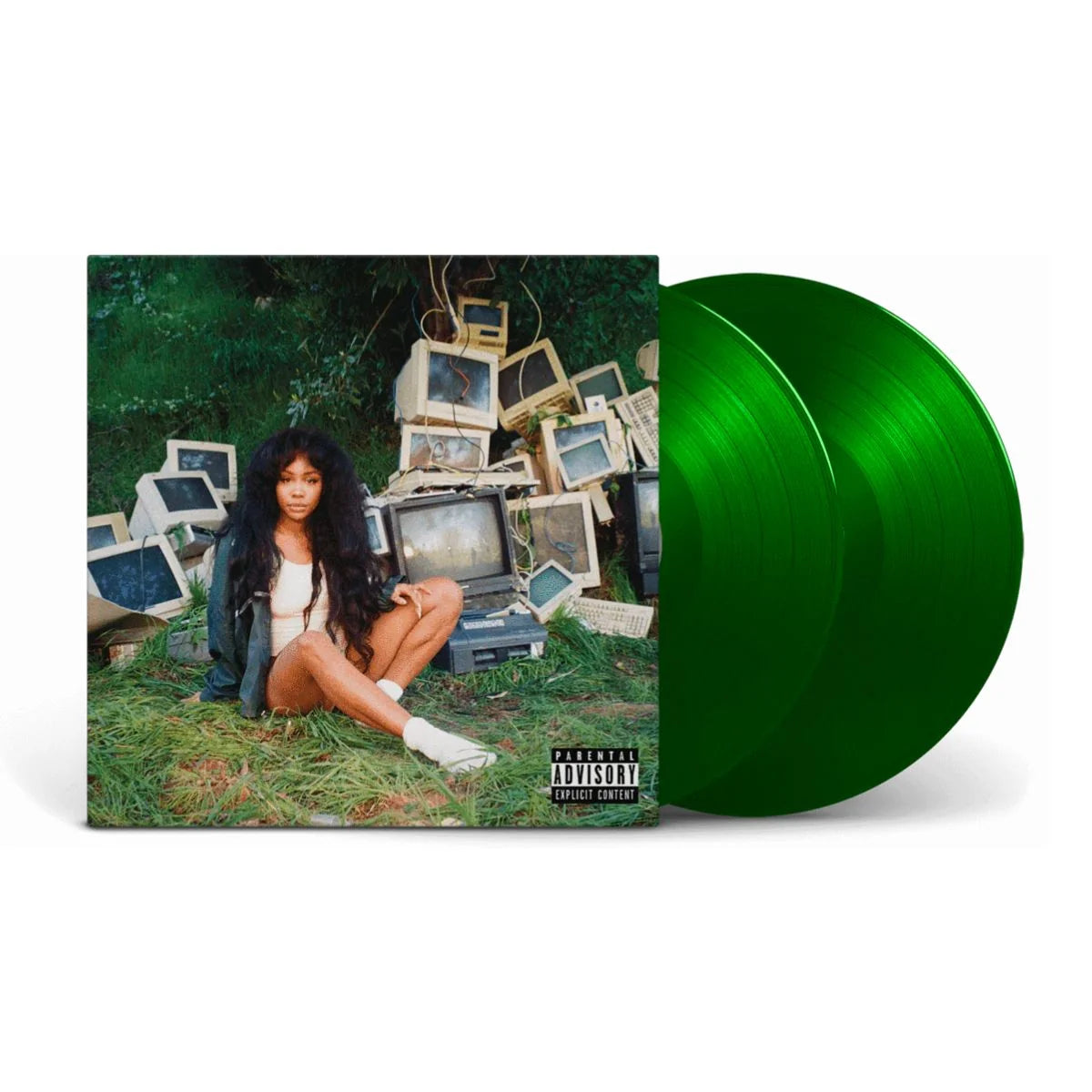
![Mac Miller - Swimming [2LP]](http://vinyl.com/cdn/shop/files/MacMiller-Swimming_2LP.png?v=1776241230&width=5760)
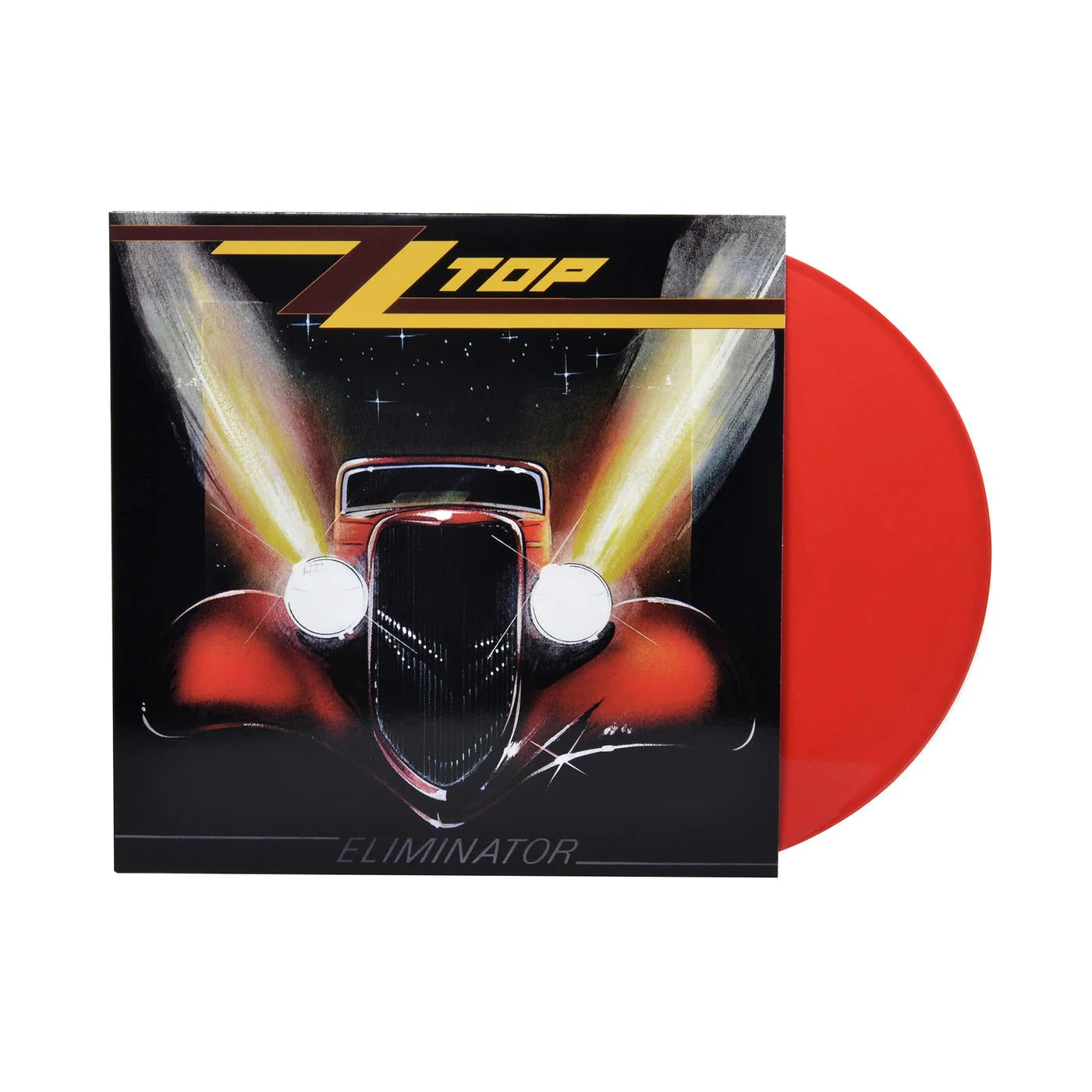
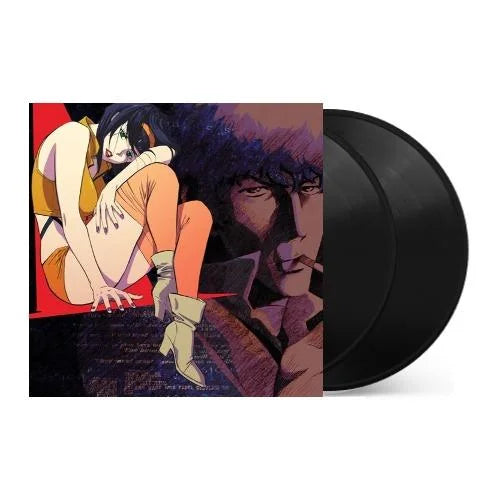

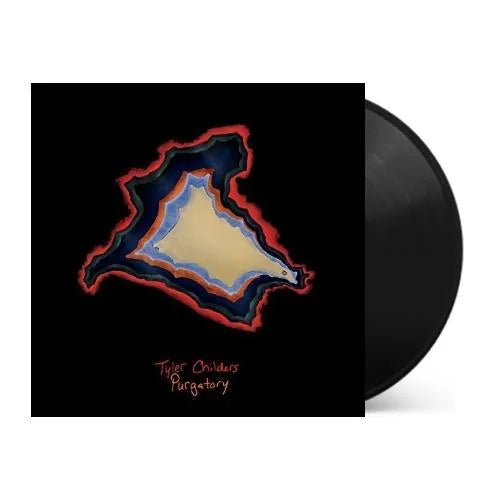
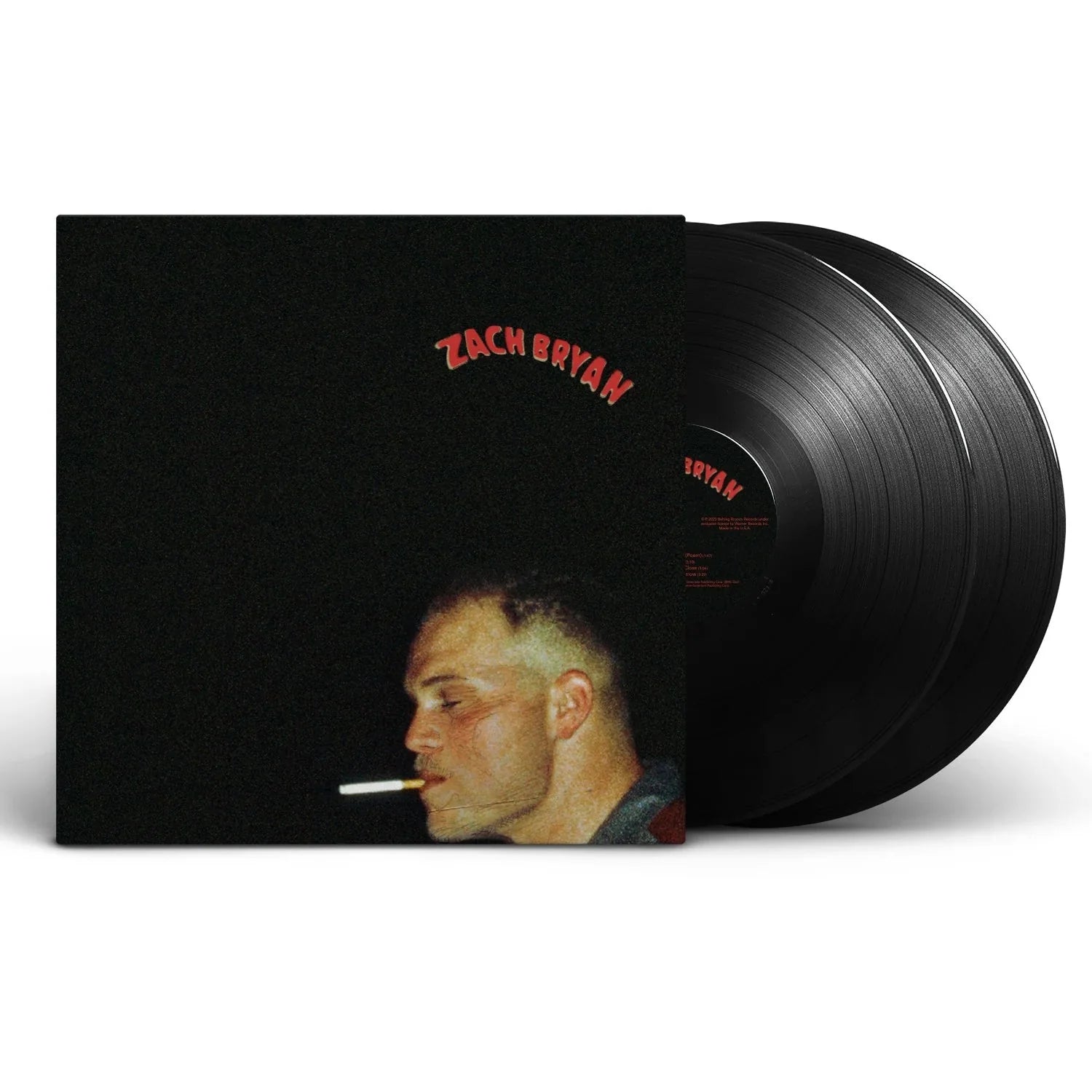
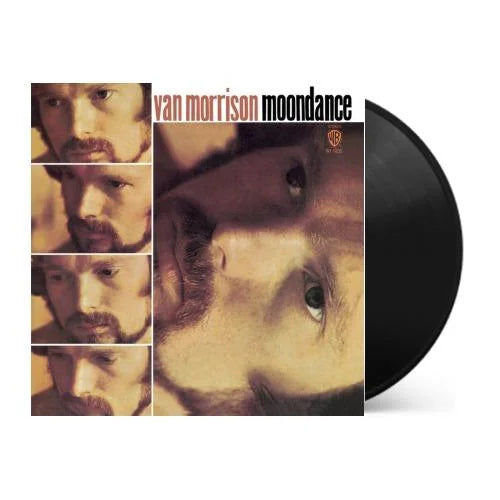
![Zach Bryan - American Heartbreak [3LP]](http://vinyl.com/cdn/shop/files/Zach_Bryan-American_Heartbreak_3LP.webp?v=1764838852&width=5760)
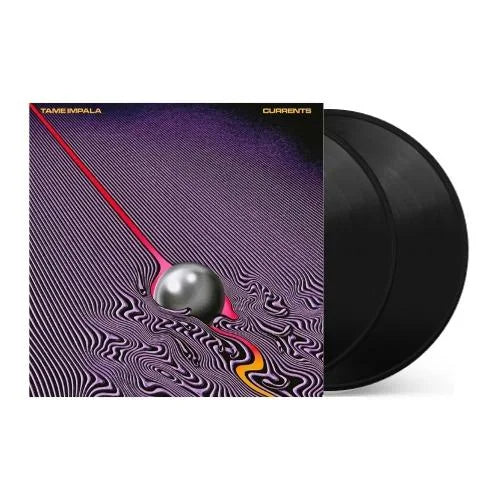


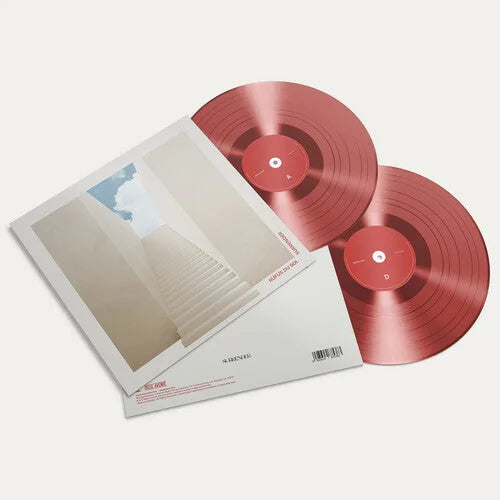
![Sade - The Best Of Sade [2LP]](http://vinyl.com/cdn/shop/files/Sade-TheBestOfSade_2LP.png?v=1785118550&width=5760)
![Miles Davis - Kind of Blue [180-gram]](http://vinyl.com/cdn/shop/files/Y4LPMD03.webp?v=1742198237&width=5760)

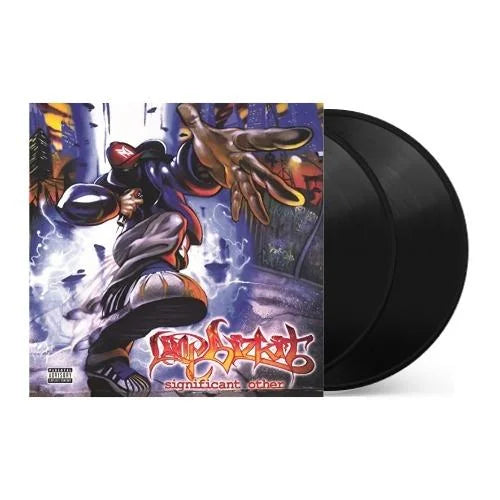
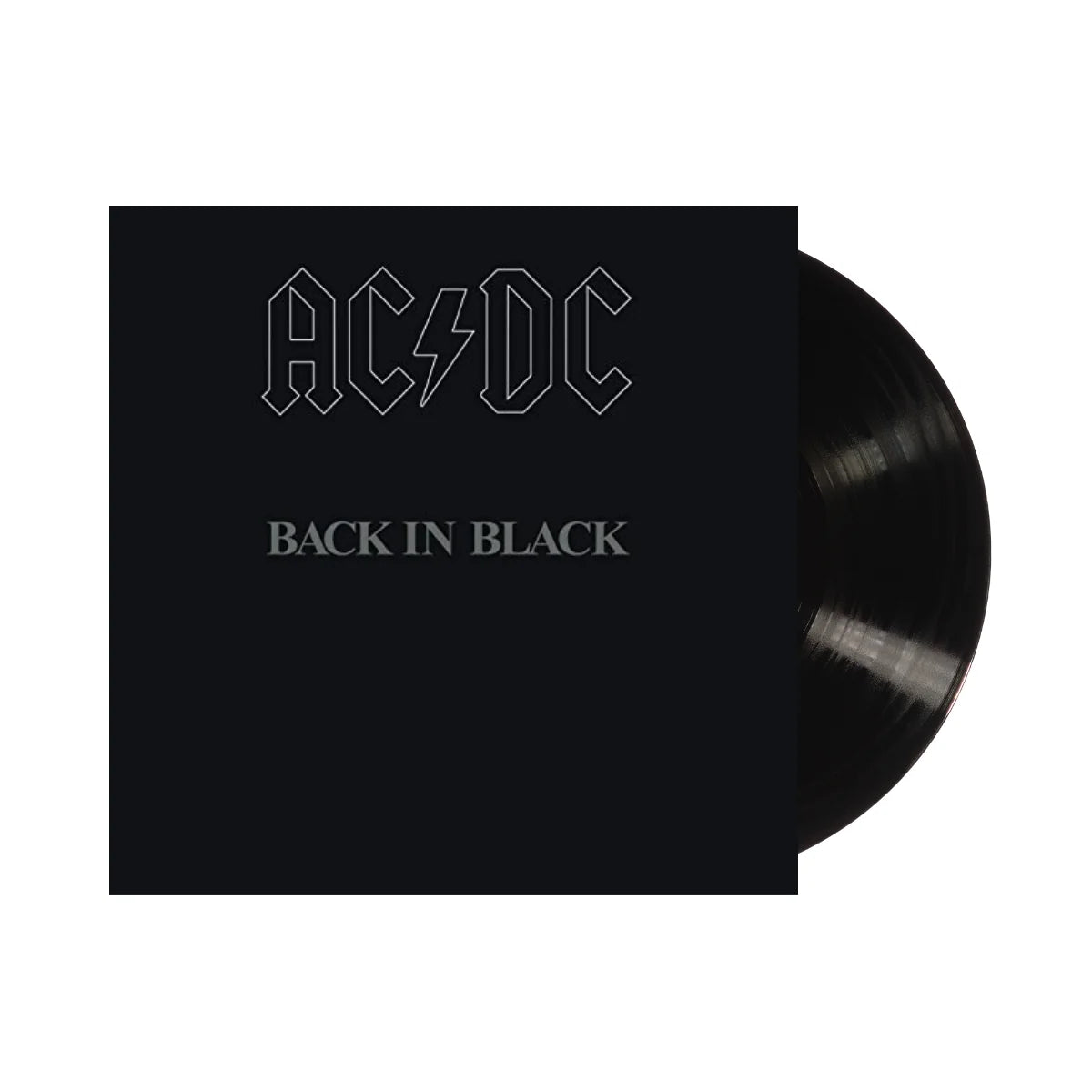
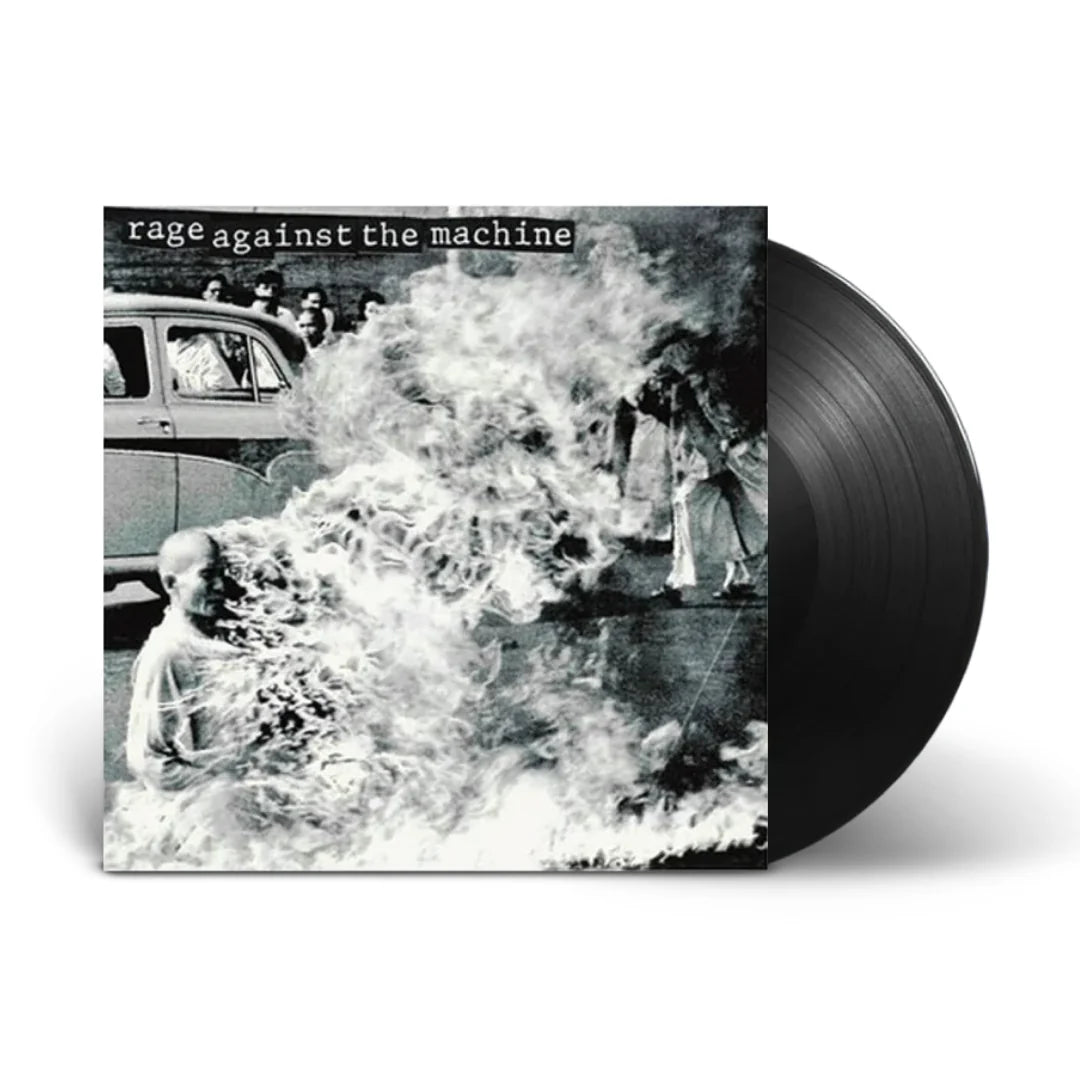
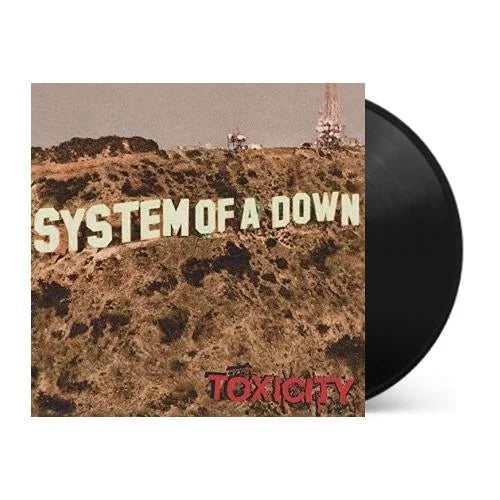
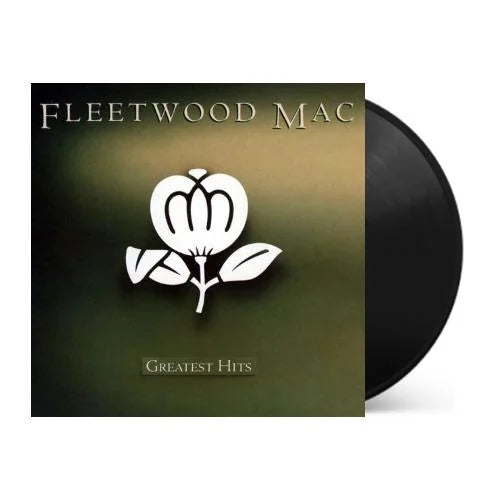
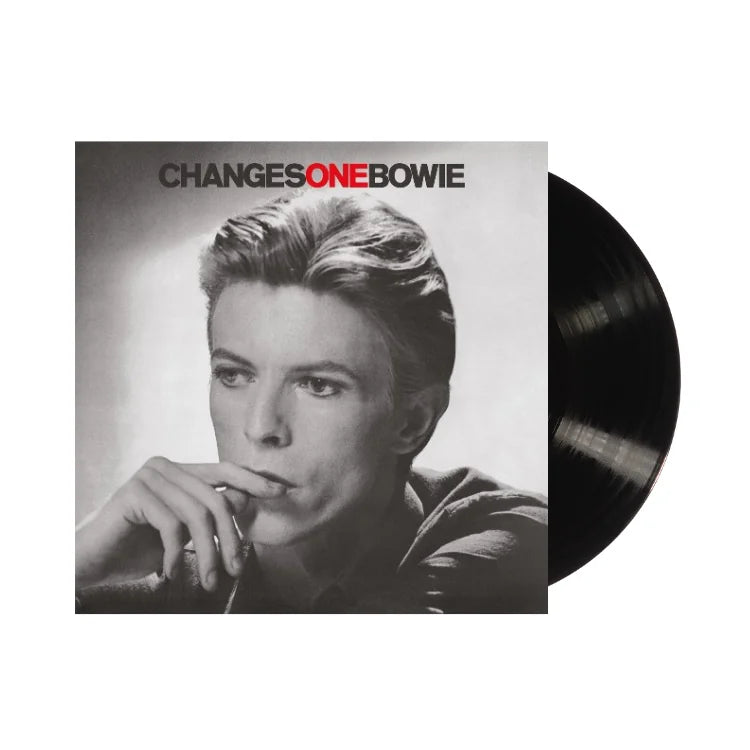
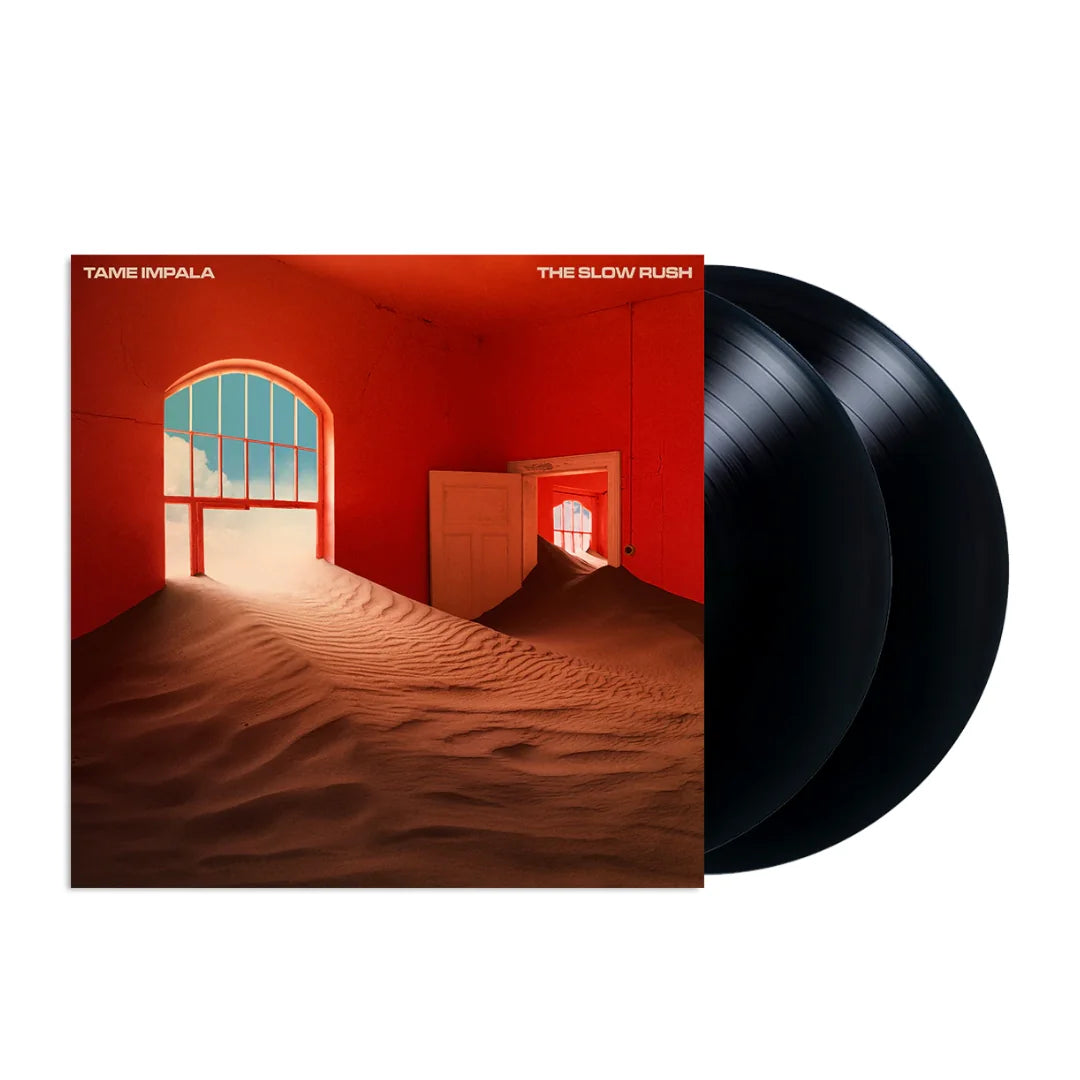
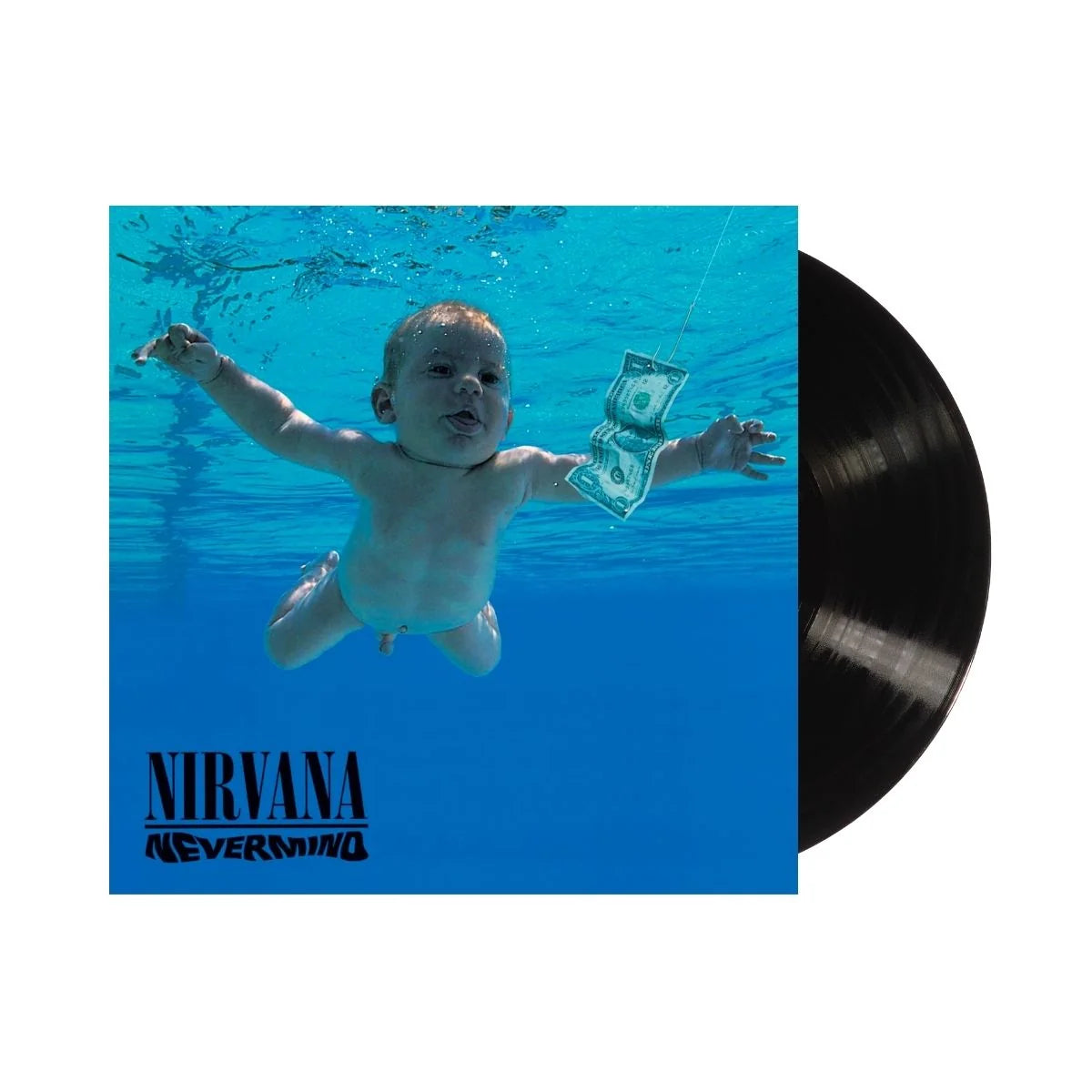
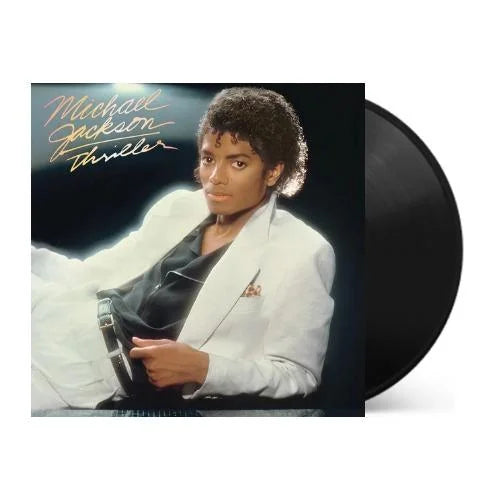

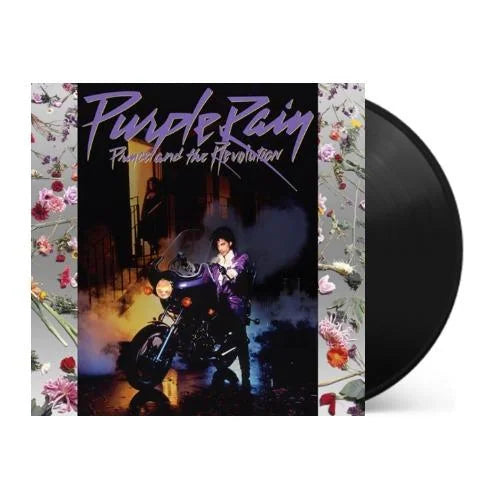

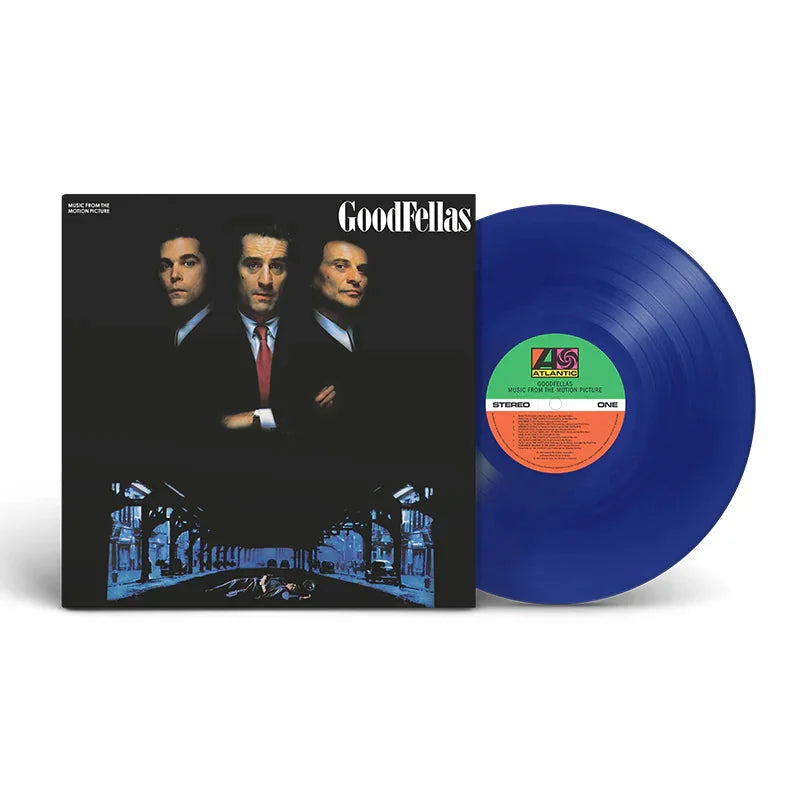



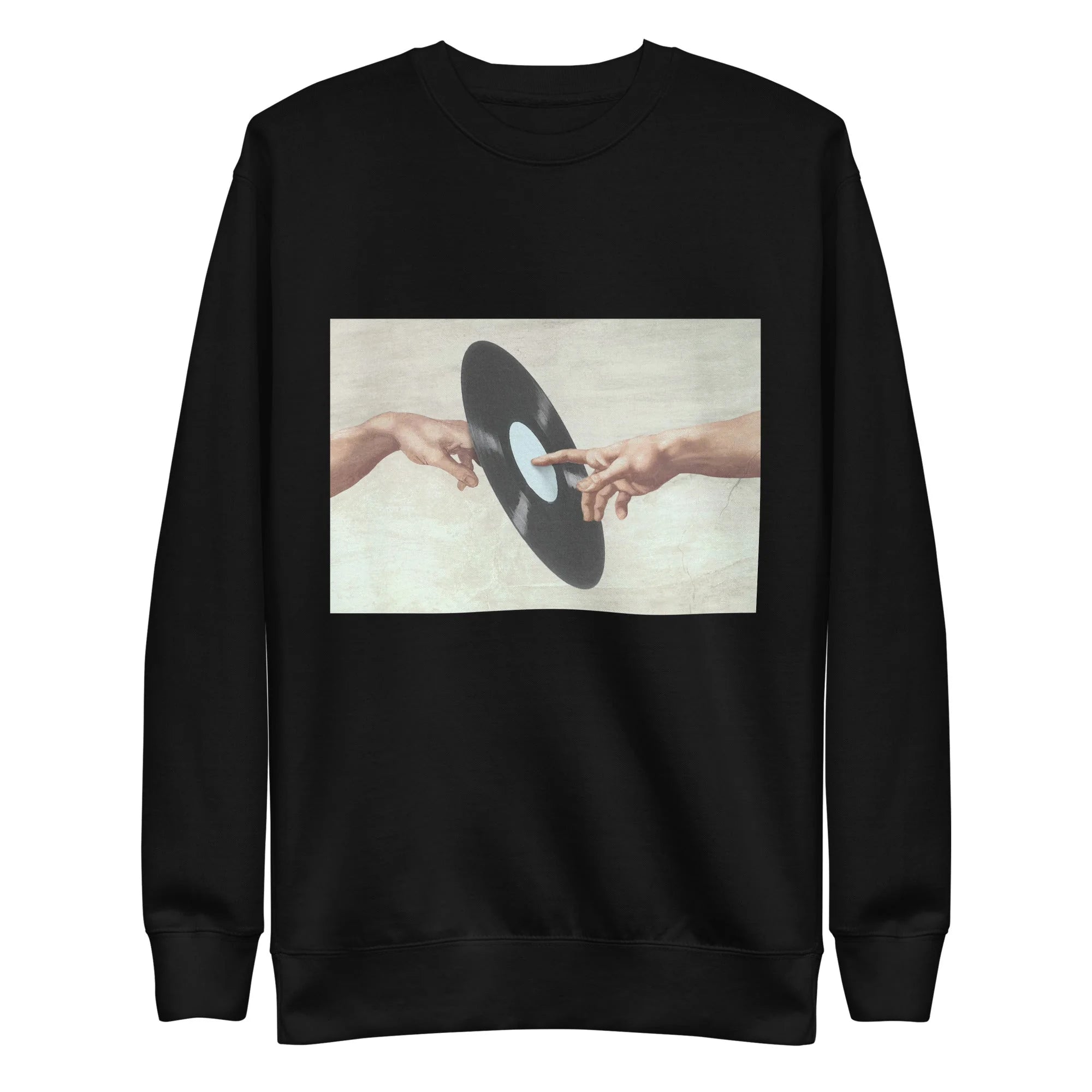

Vinyl records hold a special place in the hearts of music lovers, offering a nostalgic link to the past and a deeper, more interactive listening experience. Unlike digital music, vinyl records require the listener to engage physically with the medium, from placing the needle to flipping the sides. This hands-on interaction enriches the listening experience, making it more memorable and personal. Moreover, the artwork and liner notes that accompany vinyl records provide an aesthetic value that digital formats simply cannot match. Collectors and enthusiasts cherish these physical artifacts as much for their visual appeal as for the auditory experience they offer.

Dynamic Range and Music Fidelity
Vinyl and digital formats differ most clearly in how they handle dynamic range and fidelity, and those differences shape both the sound of the music and the way listeners perceive it. Dynamic range refers to the span between the quietest and loudest parts of a recording, and digital formats typically offer a wider range on paper than vinyl. A well-mastered digital file can preserve subtle details in soft passages while also delivering strong peaks without the noise floor that vinyl naturally introduces. Vinyl, by contrast, has physical limits: inner-groove distortion, surface noise, and playback constraints can reduce the usable range and make very quiet or very loud moments less precise. Yet this limitation is part of why many listeners experience vinyl differently. Instead of presenting music with surgical clarity, vinyl often gives it a more compressed, cohesive feel that can soften harsh transients and make the overall presentation seem more organic. Fidelity is also about how faithfully a format reproduces the original recording, and digital usually wins in technical accuracy. It can reproduce a mix with greater consistency, less distortion, and fewer mechanical variables. Still, “more accurate” does not always mean “more enjoyable” for every listener. Vinyl playback introduces a series of mechanical interactions that can make music feel more tangible and immediate. For some music lovers, that physical chain creates a sense of presence, as though the music has more body and space. The experience depends heavily on mastering decisions, playback equipment, and the source material itself. A badly mastered vinyl record can sound congested, while a well-mastered digital release can sound remarkably open and detailed. Likewise, a carefully pressed record played on quality equipment may offer a warmer and more engaging presentation than a compressed digital version.
The Advantages of Analog Music Over Digital
Richness and Depth
There are comparative advantages and disadvantages of analog (vinyl) and digital formats, considering technical, practical, and experiential factors that influence listener preferences. The distinctive sound of vinyl stems from its analog nature, which captures the true essence of a performance without the compression typically associated with digital formats. The advantages of analog music lie in its ability to preserve the original sound waves as continuous signals, which means no details are lost in translation to digital. This results in a richness and depth of sound that many argue digital recordings cannot achieve. Enthusiasts often note how vinyl playback adds a warmth and resonance that enhances the listening experience, making each record play a unique auditory journey.
Enhances the Listening Experience
Listeners often report a heightened emotional connection when playing vinyl records due to the analog sound's inherent warmth and character. This connection is forged through the subtle imperfections in vinyl playback, like the soft crackle before a song starts, which evokes a sense of history and authenticity. These characteristics engage the senses differently than the pristine, sometimes sterile sound of digital formats, offering a richer, more engaging experience that many find more satisfying.
Comparing Vinyl to Digital Formats
One of the key differences between vinyl and digital music is the method of sound reproduction. Vinyl records involve a physical needle tracing grooves in a record, creating vibrations that are amplified into sound. In contrast, digital tracks are encoded as binary data, with sound quality often limited by bit rates and compression methods that can result in lost nuances. Vinyl's physical interaction produces a continuous wave that retains the subtle dynamics and timbre of live music, offering a listening experience that many argue is closer to what the artists intended.
Must-Have Vinyl Releases Across Genres
Essential Rock Albums
Rock music has produced some of the most iconic albums in music history, many of which are considered essential for any serious vinyl collector. These albums not only showcase the pinnacle of rock music artistry but also demonstrate the profound impact that vinyl can have on the listening experience.
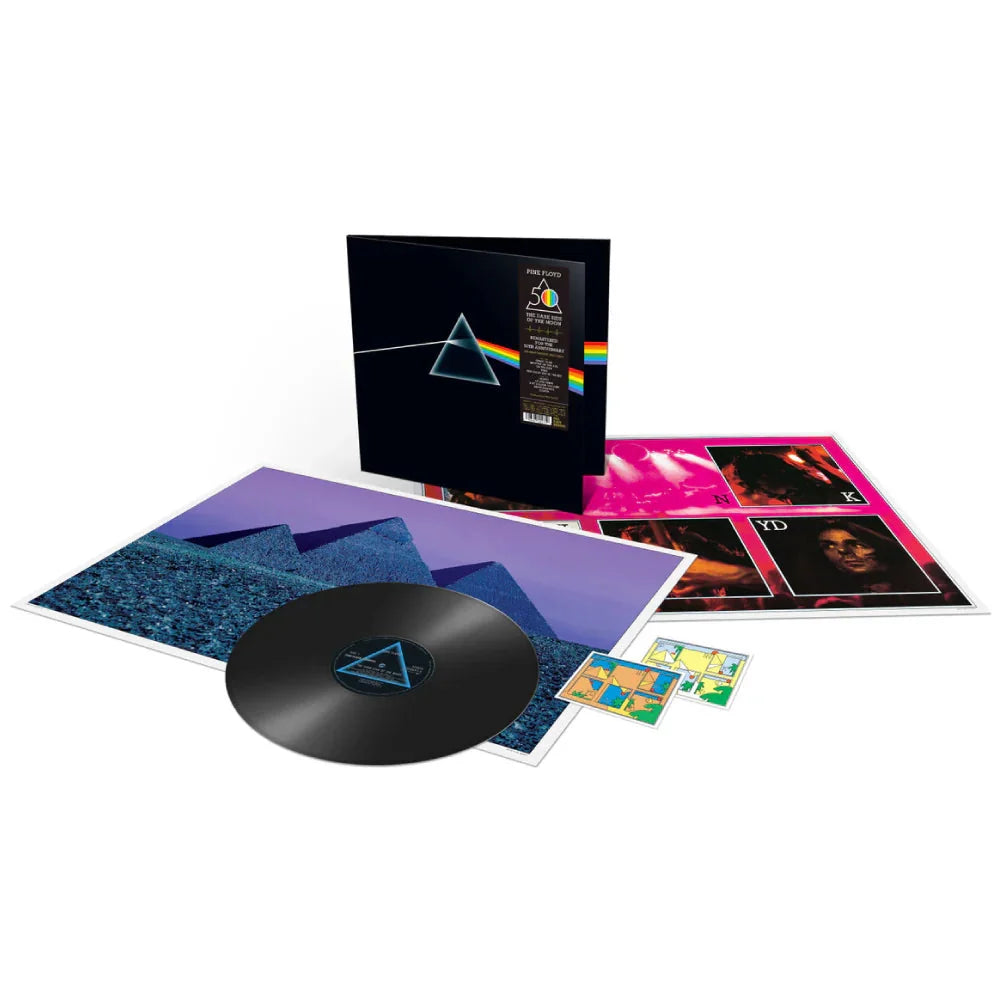
- The Dark Side of the Moon" by Pink Floyd: Released in 1973, "The Dark Side of the Moon" remains a profound testament to Pink Floyd’s mastery over sonic experimentation. The album is celebrated not just for its thematic depth, focusing on materialism, mental illness, and conflict, but also for its innovative use of studio effects and synthesizers, which are vividly brought to life on vinyl. The analog format enhances the ethereal soundscapes and the meticulous production details, from the iconic heartbeat intro to the cash register ka-ching in "Money," making it an auditory experience that seems almost tailor-made for vinyl.
- "Led Zeppelin IV" by Led Zeppelin: Often referred to by its informal name, Led Zeppelin IV is a monumental release that features some of rock’s most enduring songs, like "Stairway to Heaven" and "When the Levee Breaks." The album’s exploration of a broad range of musical styles, from the mystic acoustics of "Battle of Evermore" to the heavy, driving riffs of "Black Dog," showcases the band’s versatile talents and dynamic songwriting. Vinyl captures the raw, unfiltered essence of the band’s sound, with its rich acoustic layers and intricate, powerful guitar solos gaining an added resonance that is palpable on the turntable.
- "Abbey Road" by The Beatles: "Abbey Road" was a groundbreaking work that highlighted The Beatles' advanced studio techniques and musical innovation at the zenith of their creativity. Released in 1969, the album features an eclectic mix of genres from pop ballads to hard rock and progressive symphonic pieces in its famous medley. Vinyl playback pays homage to the original recording quality and the carefully crafted soundscapes, allowing listeners to appreciate the subtle nuances of the harmonies and the strategic placement of sound effects throughout the album. The iconic bass lines in "Come Together" and the harmonious transitions in the medley on side two are particularly enhanced, offering a rich auditory tapestry that defines the vinyl listening experience.
- "Rumours" by Fleetwood Mac: This is not only Fleetwood Mac's most successful album but also one of the best-selling albums of all time, renowned for its lyrical introspection that reflects the personal tumult within the band at the time. The record’s production focuses on clear, vibrant instrumentation and lush harmonies that vinyl distinctly accentuates. Songs like "Go Your Way" and "The Chain" deliver a powerful emotional punch on vinyl, where the nuances of Mick Fleetwood’s drumming and John McVie’s bass playing are warmly illuminated.
The magic of these albums is magnified when experienced on vinyl, offering not just music but an immersive journey into the heart of rock's golden era. Each record mentioned here is not merely a collection of songs but a carefully crafted piece of art that benefits immensely from the full, rich sound that vinyl provides.
Best Jazz and Blues
Jazz and blues records are fundamental to any vinyl enthusiast’s collection, prized for their complex instrumental textures and emotional depth. The vinyl format is particularly well-suited to jazz and blues because it closely captures the original sound of these live-performed genres. Audiophiles treasure the authentic ambiance that vinyl adds, enhancing the intimate club feel that is so crucial to jazz and blues music. Records like Miles Davis's "Kind of Blue" and John Coltrane's "A Love Supreme" are renowned for their impeccable production and sound quality, which are optimally enjoyed on the rich, uncompressed medium of vinyl.

Indie and Alternative Music
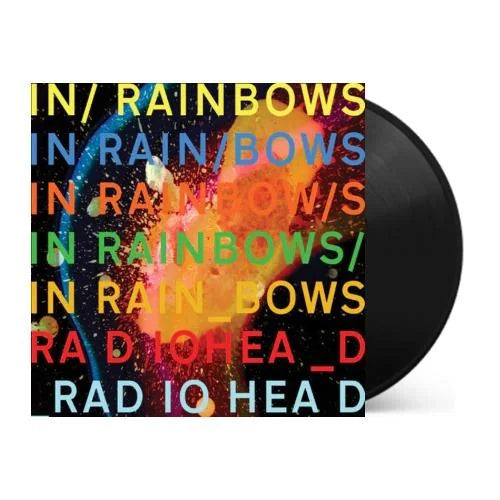
These genres thrive on their eclectic and often experimental nature, qualities that are beautifully amplified by the vinyl format. Albums like Radiohead’s "In Rainbows" and Arctic Monkeys' "AM" exhibit how vinyl can elevate the auditory texture of indie music, enhancing its atmospheric sounds and detailed production. Fans and collectors often seek out limited edition presses of indie albums, which offer unique artwork and sometimes colored vinyl that reflects the individualistic spirit of the genre.
Iconic Classical and Orchestral Albums
With the format’s wide dynamic range allowing every nuance of the orchestration to be fully appreciated, classical music on vinyl is a breathtaking experience. Iconic works like Beethoven’s "Symphony No. 9" and Tchaikovsky's "Nutcracker Suite" gain a new life on vinyl, where the warmth and depth of the analog sound can convey the sweeping grandeur of these compositions.
Expanding Your Vinyl Collection: Where to Start
Key Albums Every New Collector Should Own
Building a vinyl collection can be both exciting and daunting. For those new to the world of vinyl, starting with universally acclaimed albums that have stood the test of time is a wise choice. Albums such as "Thriller" by Michael Jackson, "Back to Black" by Amy Winehouse, and "The Rise and Fall of Ziggy Stardust and the Spiders from Mars" by David Bowie provide a diverse introduction to the medium’s potential. These records are not only musically and historically significant, but they also offer outstanding vinyl sound quality, which can help new enthusiasts appreciate the superior sonic nuances of vinyl.
Vinyl Pressing and Editions
Understanding different pressings and editions is crucial for anyone serious about their vinyl record collection. First pressings are often sought after for their historical and potentially monetary value, and they are typically believed to offer the best sound quality, being closest to the original master recordings. However, some reissues and remastered editions can also provide excellent sound, especially if they have been handled by skilled engineers using modern technology with high fidelity in mind. Collectors should research the specific details of each edition, such as the mastering engineer and the pressing plant, to make informed decisions.
Building a Balanced Collection
To truly appreciate the benefits of vinyl, it’s beneficial to have a diverse collection that spans multiple musical genres. This not only enhances the listening experience but also broadens one’s musical appreciation. Venturing into different musical territories can be deeply rewarding, providing a richer perspective on music and the distinct qualities that vinyl brings to each genre.
How to Buy Vinyl Records Online
Best Online Vinyl Record Stores
Choosing the best place to buy vinyl involves finding reputable online stores that offer a wide range of options, from classic albums to the latest releases. Some websites are renowned for their extensive collections and the quality of their pressings. These platforms not only provide a vast array of genres but also cater to audiophiles seeking limited edition pressings and rare finds. The convenience of online shopping allows enthusiasts to explore records from around the world, ensuring they can add unique and culturally diverse items to their collections.
Tips for Safe and Secure Purchases
It's essential to take steps that guarantee not only the security of your financial transactions but also the authenticity and quality of your purchases. This attention to detail can enhance your collecting experience, ensuring you acquire valuable pieces in the best possible condition. Below are tips to guide you through a safe and secure online purchasing process:
- Verify Seller Credentials: When selecting an online vendor for vinyl records, thoroughly verify the seller’s credentials. Check their presence and history on the platform, noting the number and quality of reviews and overall ratings. A seller with numerous high ratings and positive feedback typically indicates reliability and trustworthiness. Investigate any negative reviews for common issues cited by other buyers, which could be a red flag about the seller's credibility.
- Use Secure Payment Methods: To protect yourself against potential fraud, choose secure payment methods when buying vinyl records online. Payment options like PayPal or credit cards often offer additional layers of buyer protection, including dispute resolution and fraud prevention measures. These methods ensure that, should there be an issue with your purchase, you can recover your funds. Avoid using direct bank transfers or other less secure forms of payment that do not provide any recourse in the event of a scam or misrepresentation.
- Read Product Descriptions Carefully: It is imperative to meticulously read the product descriptions when purchasing vinyl records. The description should clearly state the condition of the record, specific pressing information, and any other relevant details that could influence its overall value and desirability. Misunderstandings about the item’s condition or edition can lead to disappointment, making accurate and detailed descriptions a cornerstone of a successful purchase.
- Check for Return Policies: Understanding the seller’s return policy is essential before finalizing a purchase. A clear and fair return policy should be easily accessible and provide you with a reasonable timeframe to return the product if it does not meet your expectations. This policy indicates the seller's confidence in their products and their commitment to customer satisfaction. Be wary of sellers who do not provide straightforward or any return options, as this could complicate resolving issues with your order.
- Ask for Photos: For used vinyl records, requesting actual photos of the item can be very helpful. These photos allow you to visually verify the record's condition, sleeve wear, and any unique markings or features. It provides a practical glimpse into what you will receive, reducing the risk of surprises upon delivery. Sellers who are willing to provide detailed photos demonstrate transparency and are often more reliable.
Adhering to these tips can significantly enhance the safety and satisfaction of your online vinyl record purchases, leading to a more rewarding collecting experience. By being diligent and proactive in your buying process, you can build a valuable collection while minimizing potential risks.
How to Spot Authentic Pressings Online
Collectors should be familiar with the hallmarks of genuine pressings, such as matrix numbers and specific artwork details that are often listed in official discographies. Additionally, joining dedicated online forums and groups can be invaluable, as more experienced collectors can offer insights and advice on what to look for in authentic editions. This community knowledge can be especially helpful when considering more expensive or rare records.
Vinyl Records' Influence
Trends and Growth
Sales of must-have vinyl records have surged dramatically in recent years, with collectors and new listeners alike seeking out vinyl for its tactile and authentic listening experience. This resurgence has not only boosted the music retail industry but also influenced musicians and record labels to release new works and reissues on vinyl. The growing demand has led to the reopening of vinyl pressing plants and the development of new technologies to improve the quality and efficiency of vinyl production.
Shaped Music Production
Artists and producers often consider the vinyl format when mixing and mastering their music, aiming to optimize sound for analog playback. This attention to detail ensures that the audiophile vinyl format is not just a relic of the past but a standard to which modern recordings can aspire. The inherent limitations of vinyl, such as the finite amount of music that can fit on a side, encourage thoughtful track arrangement, which can shape the album’s narrative flow and listener engagement. Vinyl plays a crucial role in preserving music history, offering a snapshot of different eras in sound recording. Many collectors and historians consider vinyl records as cultural artifacts that carry the legacy of the music industry’s evolution. Preserving these records ensures that future generations can experience music as it was heard in the past, with all the warmth and richness that vinyl sound quality can offer. Such archival quality makes vinyl a vital link to the musical past, bridging generations of listeners and artists.

Frequently Asked Questions
Why do some listeners think vinyl sounds better than digital?
Vinyl offers physical and sensory engagement, including the tactile act of handling records, the visual appeal of album art, and the immersive ritual of playing vinyl, which many music lovers find enhances their overall listening experience. Many listeners prefer vinyl because it can sound warmer and more textured. The slight analog imperfections, harmonic character, and playback chain often create a more organic, emotionally pleasing experience.
What does “warmth” mean in vinyl sound?
Warmth usually refers to a fuller, smoother sound with a gentler top end. On vinyl, this character often comes from analog playback and mastering choices that soften harshness.
Do harmonics really make vinyl sound more musical?
Yes, many listeners feel they do. Vinyl playback can introduce subtle harmonic coloration that adds body and richness, especially to vocals, guitars, and acoustic instruments, making the sound feel more alive.
Is vinyl actually more accurate than digital?
Not usually. Digital is generally more precise and faithful to the source. Vinyl’s appeal comes less from technical accuracy and more from its distinctive analog character and pleasing coloration.
Why does vinyl sometimes feel more authentic?
Vinyl can feel authentic because it presents music through a physical, continuous process. The stylus, groove, and analog signal path create a sense of directness that many listeners find more natural.
Does the mastering process affect vinyl sound quality?
Absolutely. A well-mastered vinyl record can sound excellent, while a poorly mastered one can sound congested or dull. The final sound depends heavily on mastering, pressing quality, and playback equipment.
Can digital ever sound as good as vinyl?
Yes, digital can sound outstanding, especially when it’s well mastered and played through quality equipment. Still, some listeners prefer vinyl’s analog flavor and the musical character it adds.
Why is vinyl still so popular in the digital age?
Vinyl stays popular because it offers a sense of ownership, nostalgia, and cultural identity. For many music lovers, collecting records feels more meaningful than simply streaming songs.
Why do people collect vinyl records?
People collect vinyl for the hunt, the rarity, and the personal connection. Limited pressings, special editions, and favorite albums make collecting feel rewarding and individual.
Is vinyl just a nostalgic trend?
No. Nostalgia is part of it, but vinyl also appeals to collectors, music fans, and people who value albums as physical cultural objects, not just playback formats.
How does vinyl fit into modern music culture?
Vinyl has become a way to show taste and commitment. It also connects listeners to record stores, artists, and collecting communities that value music as an experience.
Why do limited editions matter so much to vinyl fans?
Limited editions give collectors something exclusive to chase. They add scarcity, value, and excitement, which makes owning a record feel more special than owning a digital file.
What makes record collecting appealing to music lovers?
Record collecting turns listening into a hobby. Fans enjoy building shelves, finding rare albums, and creating a personal collection that reflects their tastes over time.
Why has vinyl made a comeback after streaming became dominant?
Streaming is convenient, but vinyl offers something different: physical ownership, a sense of ritual, and a deeper emotional connection. That contrast helps explain its lasting revival.
Does vinyl have cultural value beyond music playback?
Yes. Vinyl represents design, memory, and music history. Many listeners value records as cultural artifacts that reflect an album’s era, artistry, and identity.
Why do collectors care about album art and packaging?
Album art and packaging make each record feel complete and collectible. For many fans, the physical presentation is part of the album’s meaning and appeal.
What keeps vinyl relevant for new generations of listeners?
New listeners are drawn to vinyl for its authenticity, collectability, and status as a physical format. It feels different from streaming in a way that many find more memorable.
Expanding the best vinyl records is more than just acquiring music; it's about building a library of audio art. Cultural and social factors have contributed to the renewed prestige and popularity of vinyl records among music enthusiasts. Vinyl records evoke nostalgia and a connection to music history for listeners. The physical and collectible nature of vinyl records, including album artwork and the tangible interaction with music. Such ritualistic aspects of playing vinyl records and how the process enhances music enjoyment. There are also perceived differences in audio quality and listening experience that vinyl records offer compared to digital formats. Whether it’s through the hunt for rare pressings, the joy of discovering new genres, or the community that revolves around vinyl culture, the journey of collecting is as rewarding as the music itself.
