


![Mac Miller - Circles [2LP Clear]](http://vinyl.com/cdn/shop/files/mac_1.png?v=1767598863&width=5760)
![Smashing Pumpkins - Mellon Collie and The Infinite Sadness [4LP Box Set]](http://vinyl.com/cdn/shop/files/MellonCollie4LP-SmashingPumpkins.png?v=1736990865&width=5760)
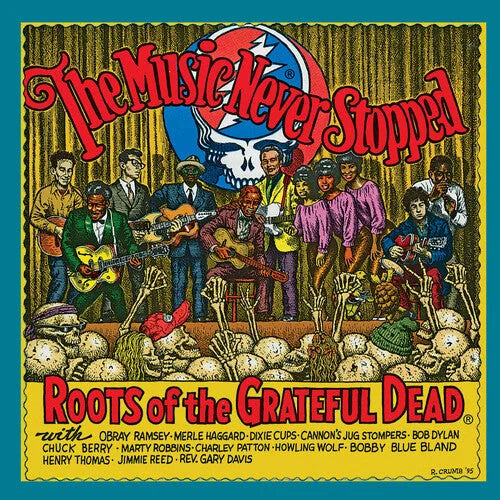
![The Grateful Dead - The Music Never Stopped [6LP Box Set]](http://vinyl.com/cdn/shop/files/The_Grateful_Dead-The_Music_Never_Stopped__6LP_Box_Set.jpg?v=1747729623&width=5760)
![The Grateful Dead - Madison Square Garden, New York, NY 3/9/81 (2023 Rocktober Edition) [5LP Box Set]](http://vinyl.com/cdn/shop/files/gratefuldead_2.png?v=1768197509&width=5760)

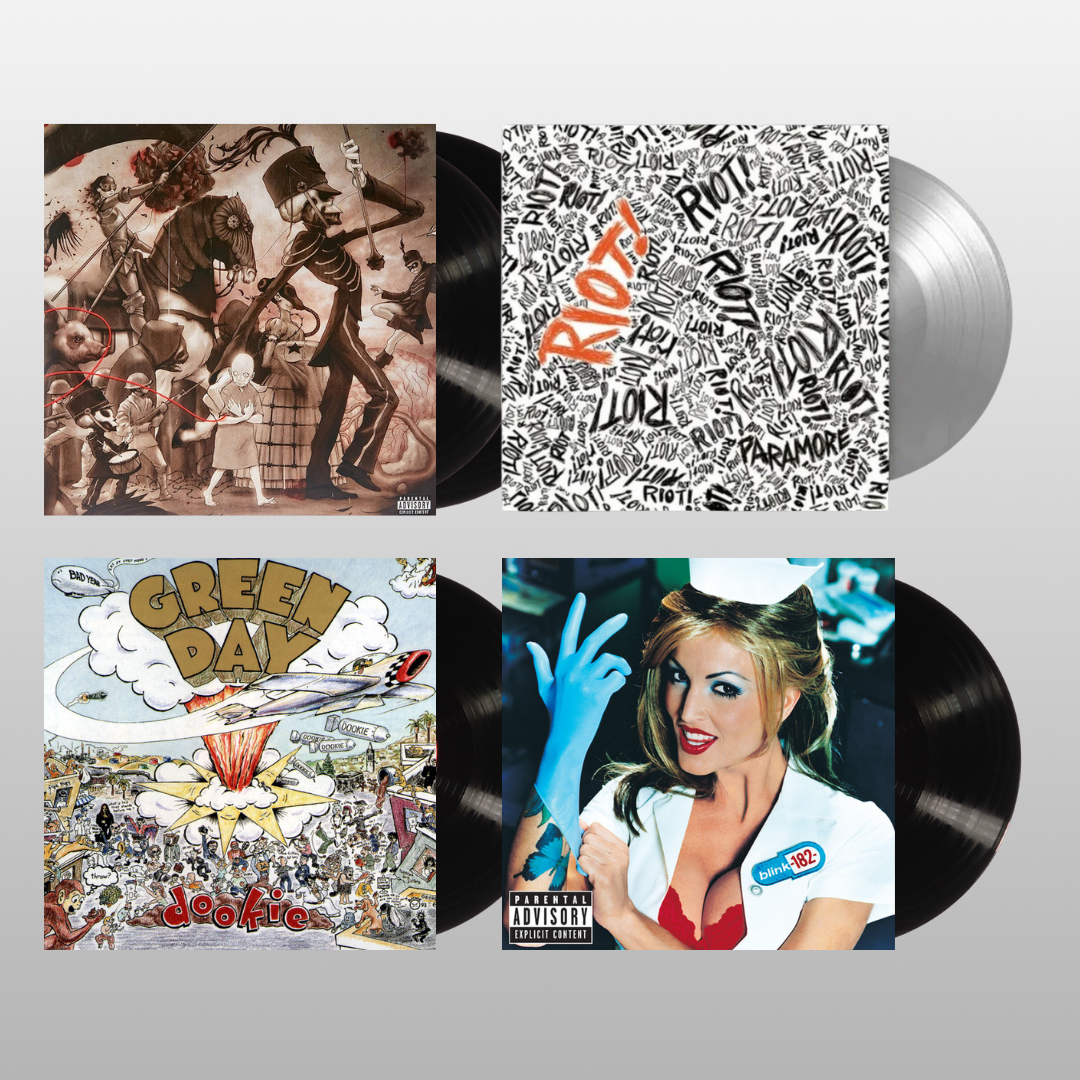
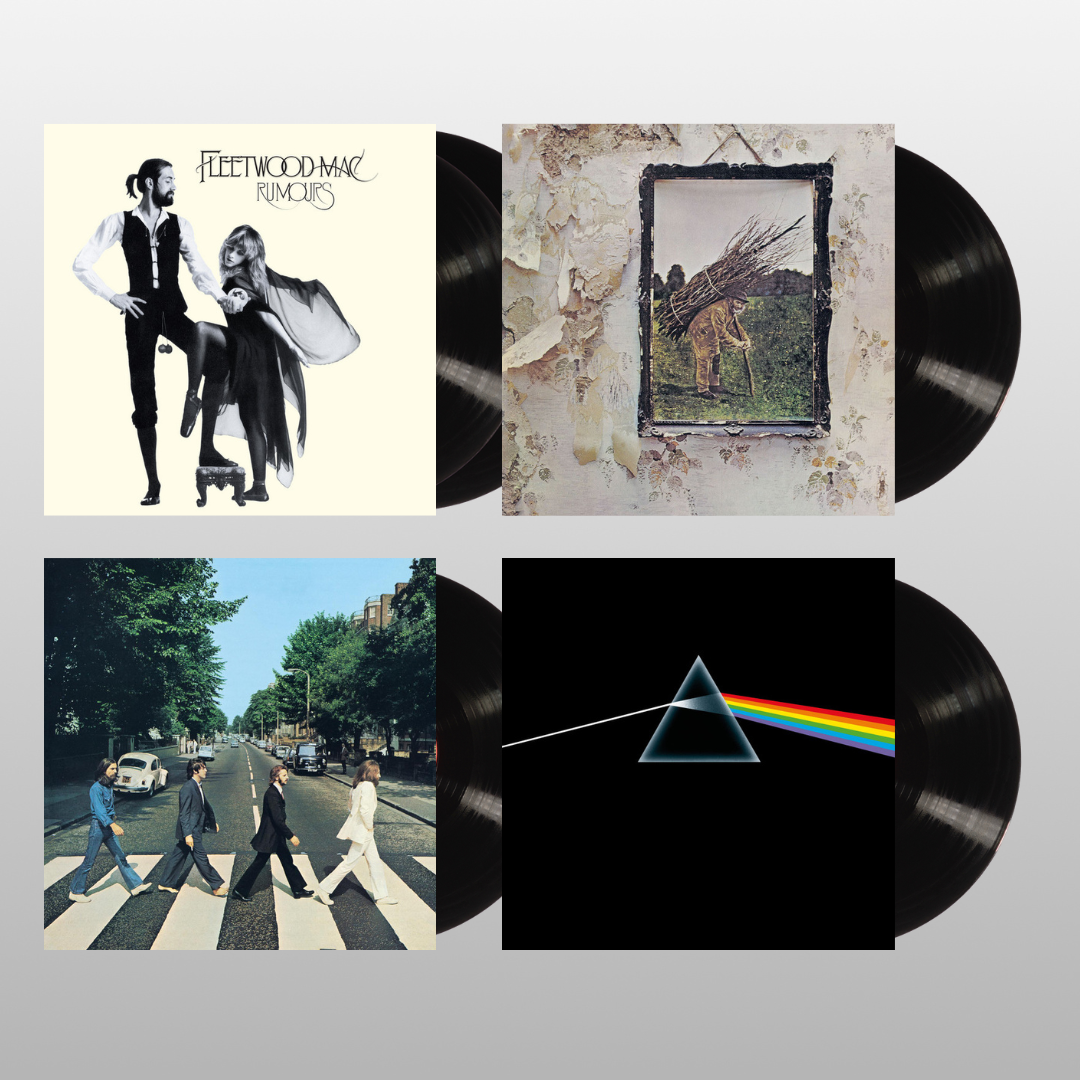
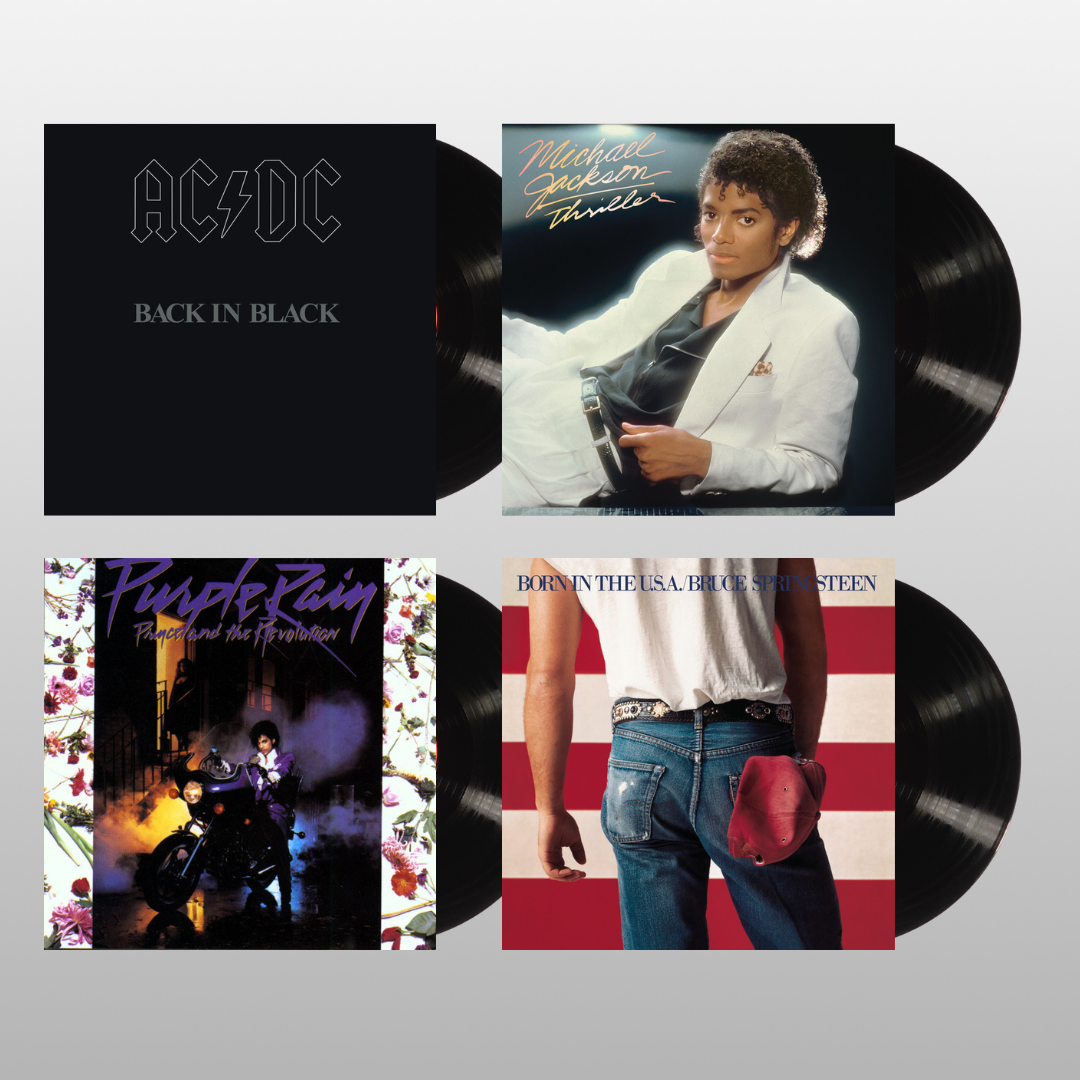

![Mac Miller - Swimming [2LP]](http://vinyl.com/cdn/shop/files/MacMiller-Swimming_2LP.png?v=1776241230&width=5760)

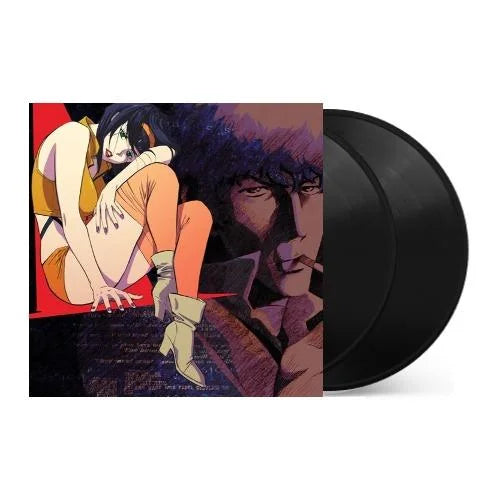

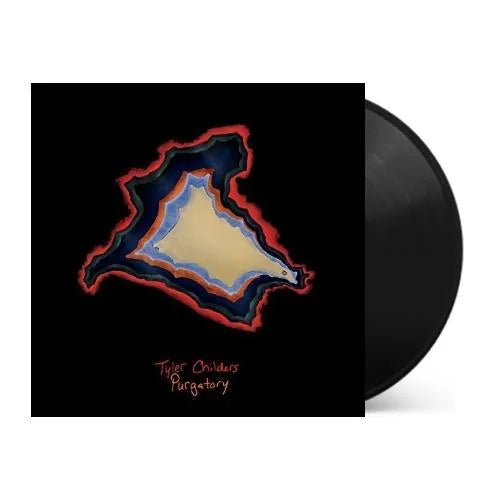
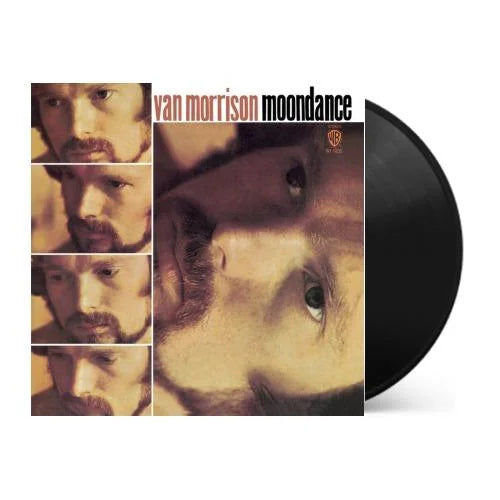
![Zach Bryan - American Heartbreak [3LP]](http://vinyl.com/cdn/shop/files/Zach_Bryan-American_Heartbreak_3LP.webp?v=1764838852&width=5760)
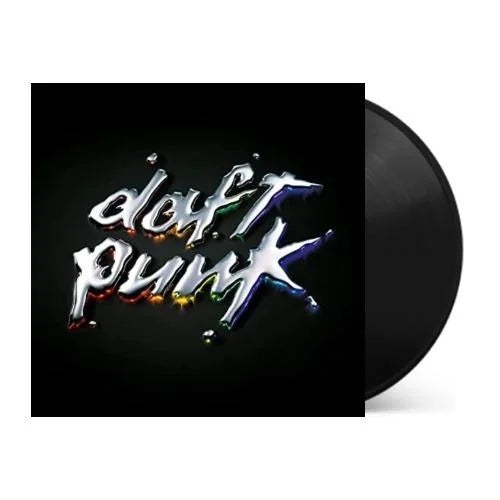

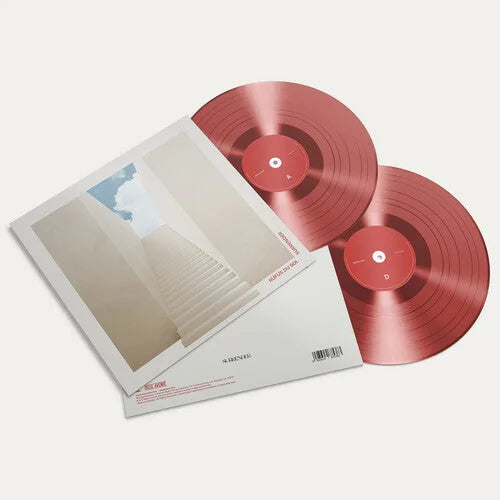
![Lady Gaga - The Fame [2LP]](http://vinyl.com/cdn/shop/files/LadyGaga-TheFame_Vinilo_2_LP_1800x_6fc54037-71dd-4cc1-bf43-05f6823265c8.webp?v=1744080015&width=5760)

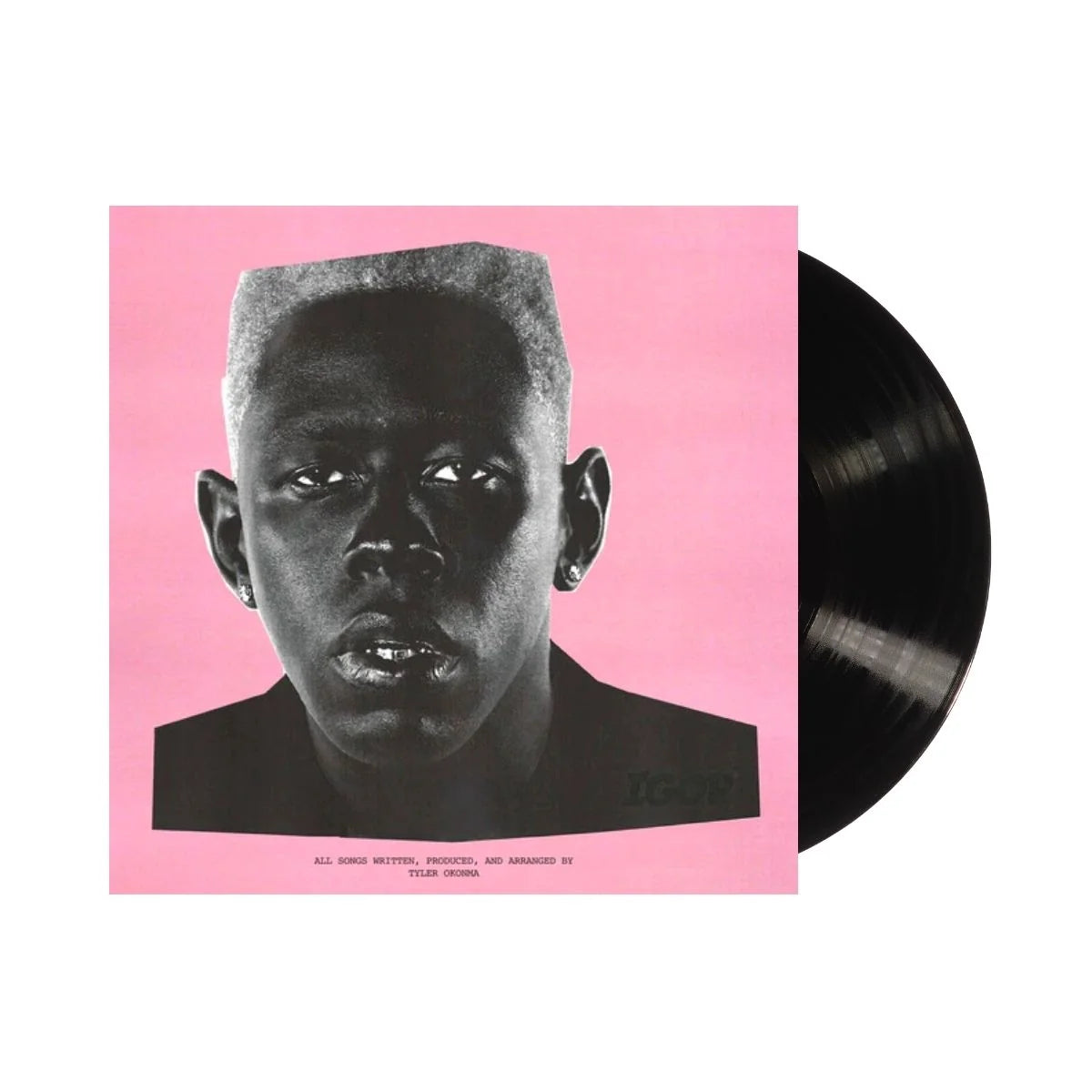

![Sade - The Best Of Sade [2LP]](http://vinyl.com/cdn/shop/files/Sade-TheBestOfSade_2LP.png?v=1785118550&width=5760)
![Miles Davis - Kind of Blue [180-gram]](http://vinyl.com/cdn/shop/files/Y4LPMD03.webp?v=1742198237&width=5760)


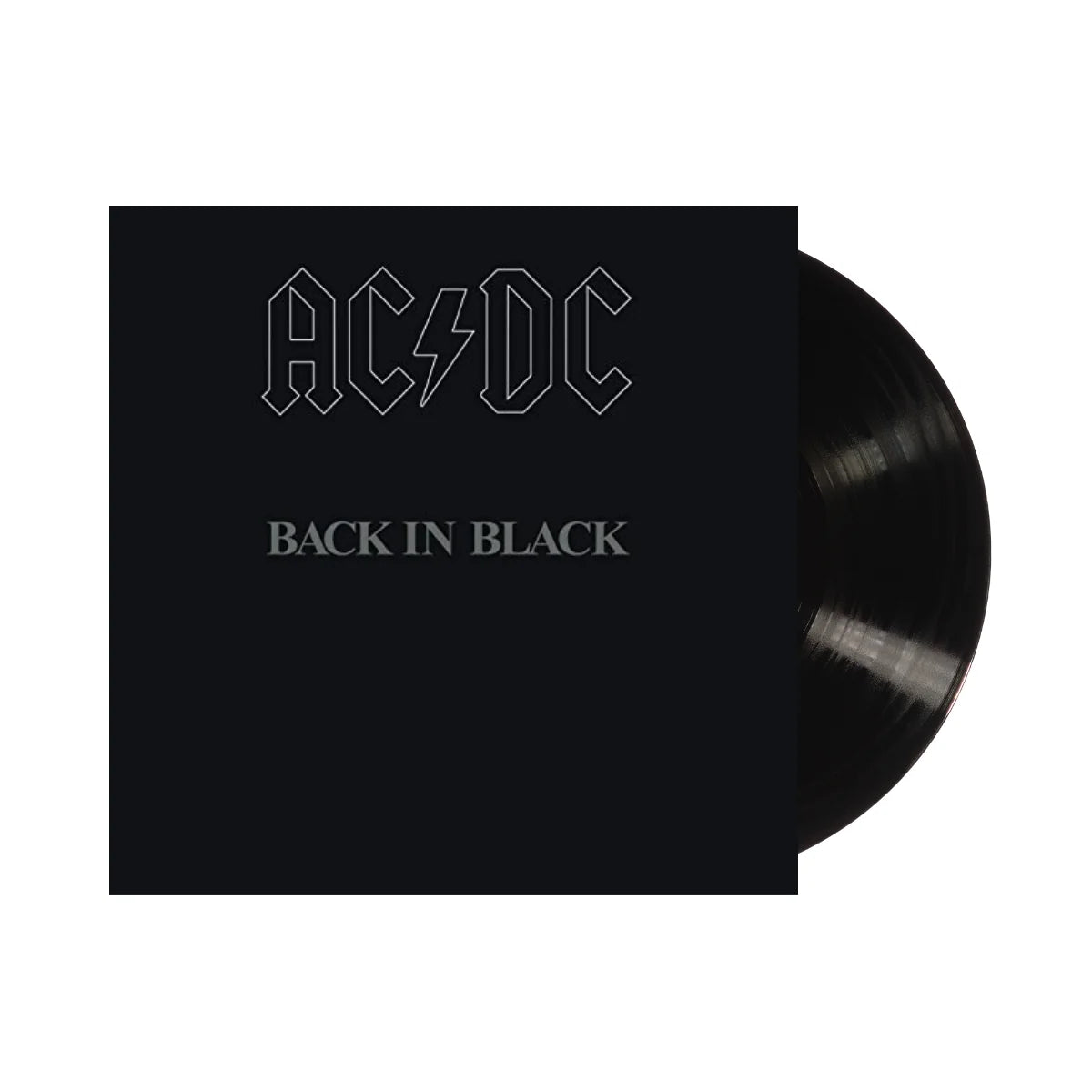
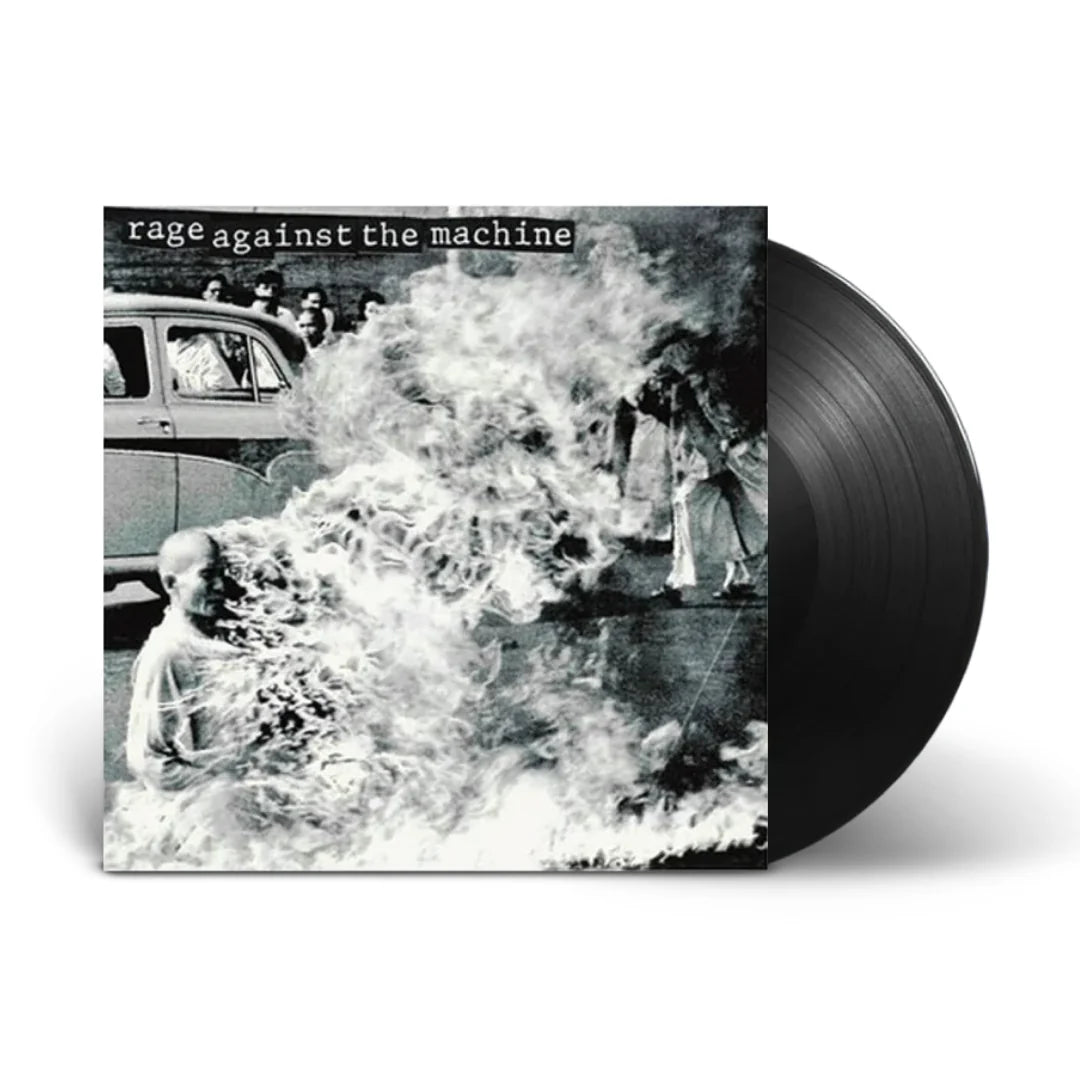

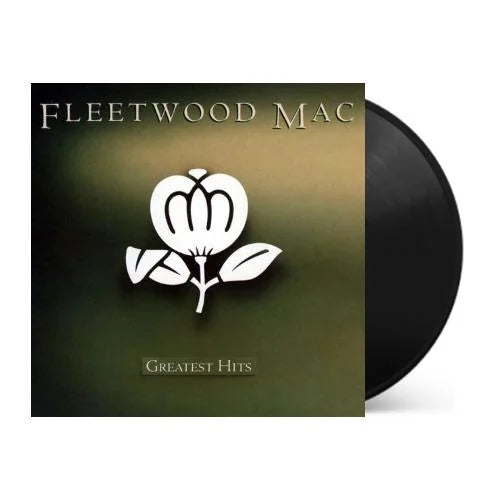
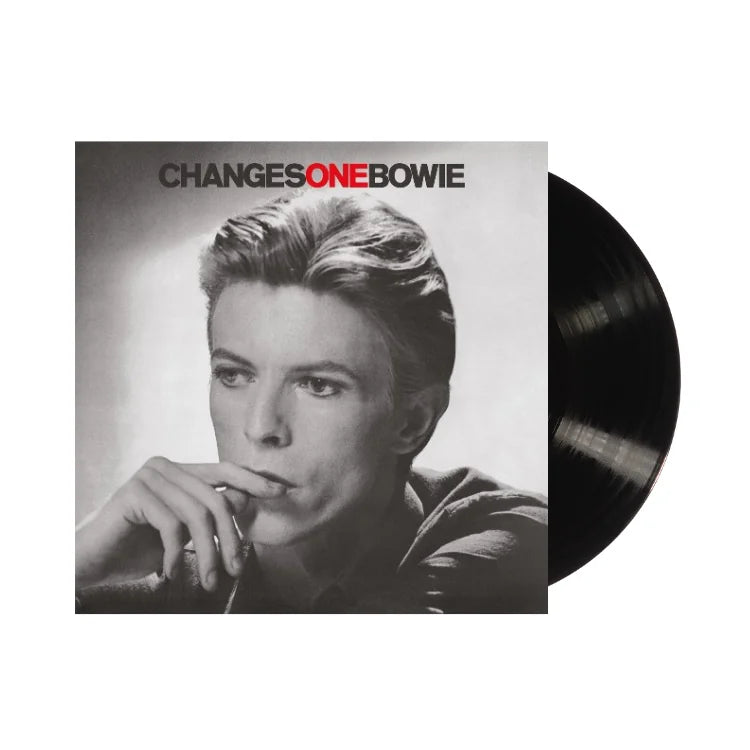
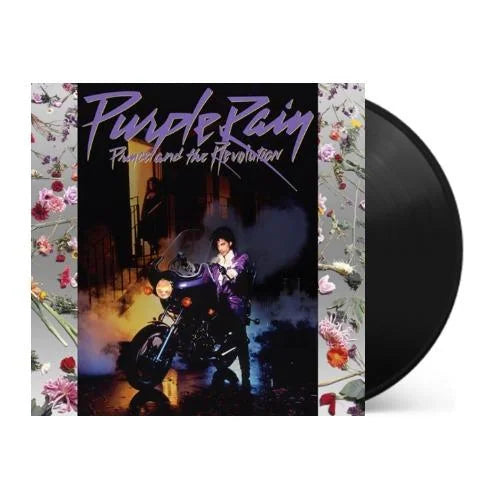
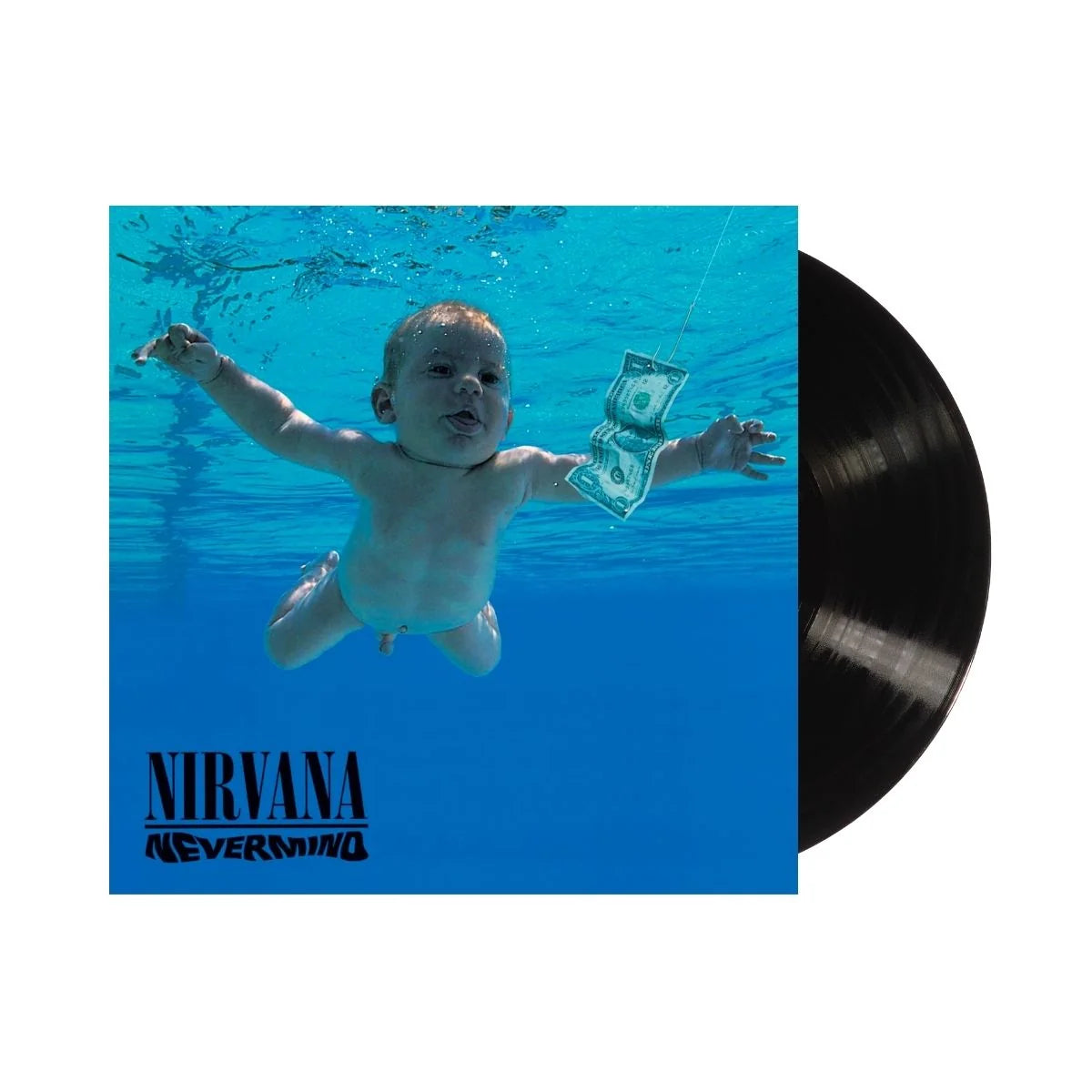

![Various Artists - Trainspotting (20th Anniversary Edition Original Soundtrack) [2LP] - Vinyl](http://vinyl.com/cdn/shop/files/Various_Artists_-_Trainspotting_20th_Anniversary_Edition_Original_Soundtrack_2LP.jpg?v=1771379278&width=5760)



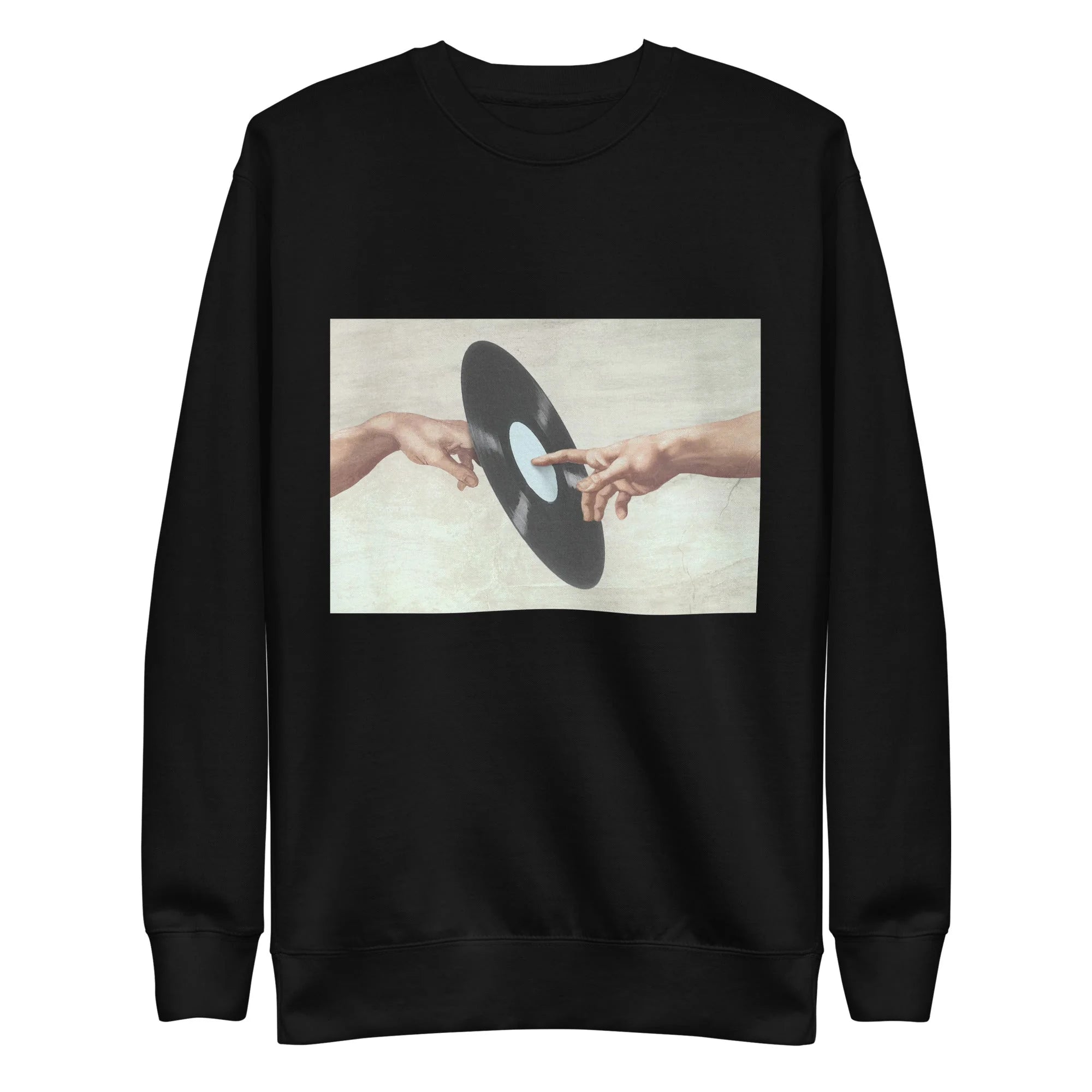

Vinyl album art has been an integral aspect of music culture, transcending its initial role as mere packaging to become a pivotal form of artistic expression. The vinyl covers of records offer a visual narrative that complements the auditory experience, encapsulating the essence of the music and the era it represents. This art form has provided artists and designers with a canvas to explore bold themes and creative visions, often becoming as iconic as the music itself. From historic album cover design to contemporary creations, these visuals serve not just to attract buyers but also to create a tangible connection between the artist and the listener.
The Early Years of Vinyl: Simplicity and Style (1940s–1950s)
Early Design Elements
The inception of vinyl album covers in the 1940s marked the beginning of a new art form in music. Early covers were often simple and functional, with straightforward typography and minimal graphic elements. These vintage vinyl artwork pieces were designed more for utility than beauty, primarily to protect the record and provide basic information about the recordings. However, even these early designs laid the groundwork for the expressive potential of album covers.
The Rise of Typography and Minimalist Illustration
As the 1950s progressed, designers began to see the album cover as a means of artistic expression. This era witnessed a design evolution in music covers, with a growing emphasis on creative typography and minimalist illustration. These elements were not merely decorative but integral to the album's identity and marketing. This period marked the emergence of artistic expression in record sleeves, setting the stage for more complex and creative designs in the following decades.

How Historic Album Cover Design Set the Foundation
Pioneers of cover art introduced techniques that capitalized on the album's square format, experimenting with framing, composition, and the interplay of text and image. These early covers not only housed the music but also began to reflect the personality and style of the artists.
The Psychedelic and Conceptual Boom (1960s–1970s)
Art Trends in Vinyl Covers During the Psychedelic Era
The psychedelic era was a time of bold experimentation and creative exploration in vinyl album art, reflecting the revolutionary spirit of the 1960s and 1970s. Below are key trends:
- Use of Vibrant and Saturated Colors: Designers of the psychedelic era embraced an explosion of hues that defied conventional norms, employing vibrant and saturated colors to create visually arresting album covers. The use of bold colors was more than just an aesthetic choice; it was a deliberate attempt to evoke the high-energy and emotional intensity of the music. These dynamic palettes were often composed of contrasting tones that commanded attention on crowded record store shelves, drawing the eyes of young and adventurous consumers. The brilliance of these colors was designed to mirror the experimental sounds and radical ideas circulating in the era, suggesting a break from traditional constraints. Artists used these vibrant hues to communicate a sense of liberation and possibility, crafting images that could be both joyful and overwhelming. The deliberate selection of intense color combinations often symbolized a departure from monotony, representing an embrace of change and a celebration of individuality.
- Incorporation of Optical Illusions and Swirling Patterns: Artists crafted intricate designs that seemed to pulsate and move, creating visual effects that challenged conventional perceptions. These patterns were meticulously designed to simulate the sensations of altered states of consciousness, a reflection of the era’s fascination with mind-expanding experiences. The hypnotic quality of these swirling designs often invited viewers to lose themselves in the art, fostering an immersive encounter that paralleled the auditory journey of the music. Complex geometrical shapes and layered patterns were combined with strategic contrasts in shading and color to produce images that defied static interpretation. The optical illusions embedded in these designs served as metaphors for the fluidity of reality and the transformative potential of art. As viewers stared into these visual mazes, they were encouraged to question their perceptions and to embrace ambiguity and uncertainty.
- Integration of Surreal and Abstract Imagery: Integrating surreal and abstract imagery into vinyl covers during the psychedelic period marked a significant departure from traditional, representational art. Artists ventured into uncharted territories of imagination, creating visual narratives that were as enigmatic as the music itself. Surreal landscapes, dreamlike scenes, and abstract forms became common motifs, each inviting viewers to interpret the imagery in deeply personal ways. These unconventional images served as a visual commentary on the transformative nature of the era, symbolizing a break from reality and an exploration of inner consciousness. The artwork often combined unexpected elements—a juxtaposition of organic shapes with mechanical forms or the blending of familiar symbols with fantastical elements—to provoke thought and evoke emotion.
- Influence of Eastern Art and Philosophy: A significant trend in psychedelic vinyl cover art was incorporating elements inspired by Eastern art and philosophy, reflecting a growing curiosity about spiritual and transcendental concepts. This influence was not superficial; it echoed the period’s deep interest in meditation, yoga, and the exploration of consciousness beyond the physical realm. The integration of Eastern motifs was often executed with a subtle reverence, blending these ancient symbols with the modern, experimental aesthetics of the era. The resulting artwork carried a dual purpose: it was visually captivating and served as a spiritual guide, encouraging viewers to contemplate their inner lives and the interconnectedness of all things. Cross-cultural exchange enriched the visual vocabulary of the time and symbolized a broader shift towards inclusivity and the acceptance of diverse philosophical perspectives.
- Experimental Typography: Typography during the psychedelic era underwent a radical transformation, evolving into an art form that was as expressive and unconventional as the music it represented. Designers began to experiment with hand-drawn fonts, warped letters, and fluid, dynamic arrangements that defied the rigid conventions of traditional typeface design. This experimental approach to typography was not just a decorative flourish—it was an integral part of the overall aesthetic, designed to enhance the visual impact of the album cover. The lettering's fluid, almost liquid quality seemed to mirror the free-flowing, boundary-breaking nature of the era’s music and cultural values. Each typographic element was carefully crafted to complement the imagery, often intertwining with visual motifs and adding narrative depth to the overall design.
These innovative approaches reflected the cultural and musical revolutions of the time and set a precedent for future generations of artists to explore new realms of visual storytelling.
Iconic and Famous Vinyl Cover Designs From the ’60s and ’70s
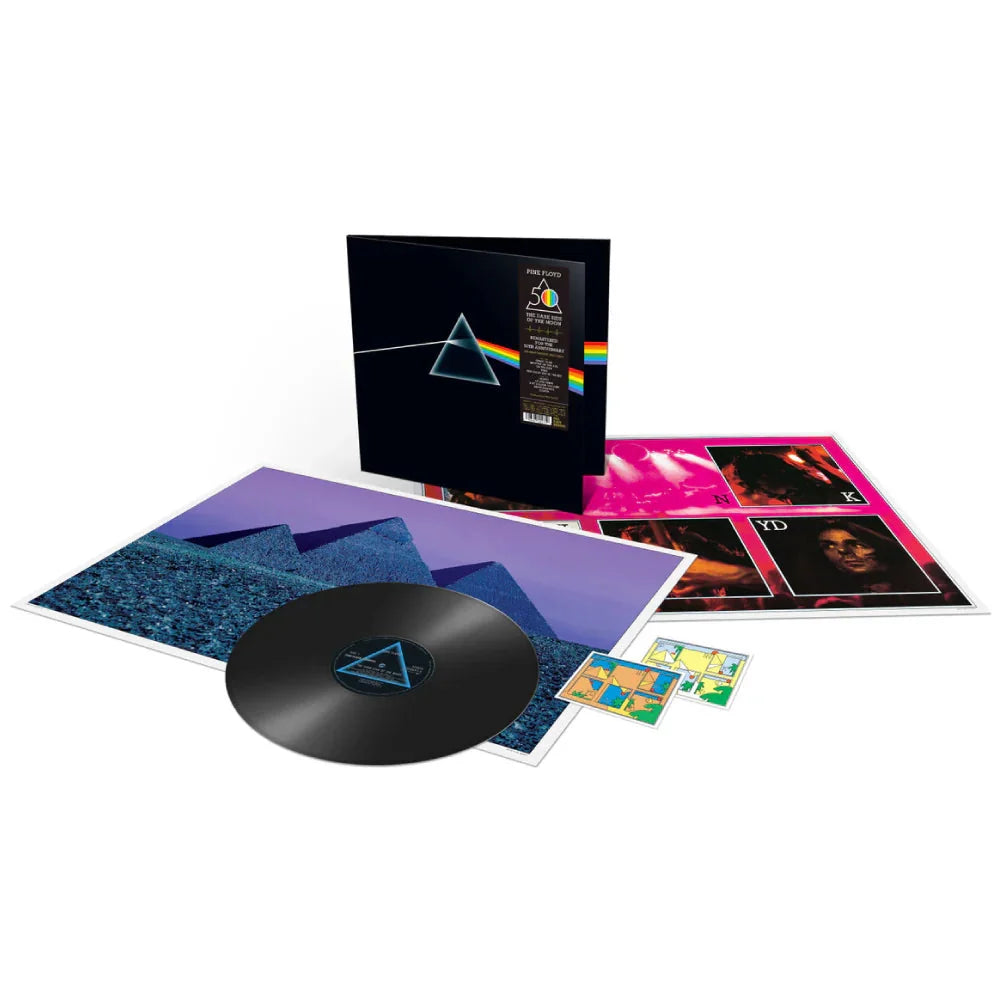
This period produced some of the most famous vinyl cover designs in music history, with artists and designers pushing the limits of visual art in music. Albums like The Beatles' "Sgt. Pepper's Lonely Hearts Club Band" and Pink Floyd's "The Dark Side of the Moon" featured covers that became cultural icons, instantly recognizable and forever associated with their respective sounds. These were not just packaging but an essential part of the album's identity and legacy, contributing to the music's overall narrative and setting the tone before the first note was played.
Retro Vinyl Album Art as a Reflection of Counterculture
The boldness of the artwork mirrored the social and political upheaval of the era, capturing the spirit of protest and the desire for change. This art often carried deeper meanings, symbolizing the fight for civil rights, peace, and freedom.
Conceptual Design and the Expansion of Artistic Boundaries
During the latter part of this era, conceptual design began to take hold, with album covers becoming more than just eye-catching designs; they conveyed complex concepts and narratives that complemented the music. This trend was about aesthetics and making a statement, challenging the viewer to think and engage with the music on a deeper level. It was a period of significant creativity, where the cover art in vinyl culture embraced new technologies and ideas, pushing artistic boundaries further than ever before.
Innovation and Excess in Design (1980s–1990s)
Pop Art and Photography in Vinyl Album Art
The use of bold, graphic colors and stark, impactful imagery mirrored the exuberant and often extravagant music of the time. This period saw vinyl covers evolve into major marketing tools, with the artwork crafted to catch the eye instantly amidst the growing competition in music retail spaces.

Influence of MTV and Media on Cover Art Aesthetics
Music videos became universal in pop culture, influencing how albums were perceived and sold. This media evolution had a profound impact on album cover design, as the visual representation of music gained even greater importance. Here are several ways that MTV and the media shaped album artwork and pop culture:
- Visual Synergy Between Video and Cover Art: This approach fostered a seamless relationship between what viewers saw on screen and what they experienced when handling an album. The integration of vivid imagery, dynamic compositions, and conceptual symbolism became critical in creating a cohesive brand identity across various media. The visual elements of the album cover were designed to reflect themes, moods, and narratives that were similarly expressed in music videos, ensuring that the artwork could evoke a sense of continuity. By harmonizing color schemes, typography, and graphic motifs, artists and designers created a visual language that echoed the experimental spirit of the time.
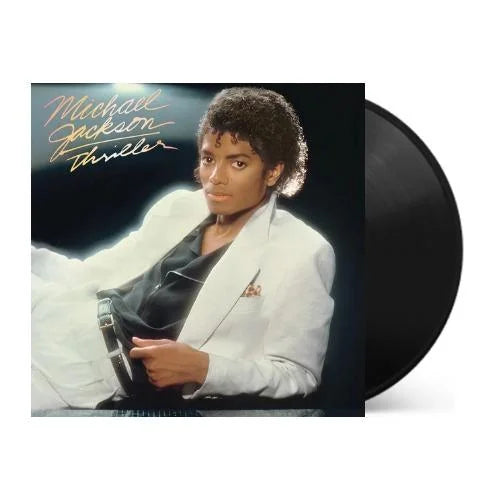
- Celebrity Culture and Personal Branding: As music videos catapulted artists into household names, album covers began to serve as a canvas for expressing these celebrities' unique identities and personal stories. Cover art shifted from abstract designs to more portrait-oriented visuals that highlighted the charisma, style, and persona of the artist. This change was driven by the need to create an immediate connection with audiences who were increasingly influenced by television exposure. The imagery on album covers became a powerful tool for communicating an artist’s aesthetic, values, and narrative, often employing stylized photography, hand-drawn illustrations, or digitally manipulated images to convey a sense of individuality. Designers worked closely with artists to ensure that every element, from the choice of color and layout to the inclusion of symbolic elements, reinforced the artist’s public persona. This era marked a fusion of fashion, music, and visual art, as album covers evolved into iconic representations of a musician’s brand.
- Increased Competition and Innovation: Album covers became battlegrounds for creative expression, where every detail mattered in capturing the consumer’s attention in a saturated market. Designers were challenged to break free from traditional norms and experiment with bold, groundbreaking concepts that could stand out on crowded store shelves and in television spots. The pressure to innovate led to integrating mixed media, experimental graphic design, and even early digital manipulation in cover art, creating a visual feast that complemented the diverse sounds of the era. This environment of creative rivalry spurred a wave of artistic experimentation, resulting in album covers that were as much works of art as they were commercial products. The drive for originality enhanced the visual landscape and elevated the overall cultural status of album art, turning it into a significant part of the music experience.
- Global Influence: Designers began incorporating multicultural elements, experimenting with diverse visual motifs and symbolisms that could be appreciated across different cultures. The global influence of media meant that album art was not confined to local trends; it became a melting pot of styles, where Eastern and Western artistic traditions merged to create innovative and boundary-defying designs. This broadened aesthetic perspective encouraged a fusion of color, form, and texture that could speak to a worldwide audience, transcending language barriers and cultural differences. The challenge was balancing universal appeal with the need to maintain the artist’s unique voice, ensuring that the cover art remained accessible and authentic.
The vinyl album art through the years continues to inspire contemporary design, demonstrating that the fusion of music, art, and media is an ever-evolving narrative that remains central to the cultural experience.
Modern Interpretations and Nostalgic Revivals (2000s–Today)
How Vinyl Covers Have Evolved in the Digital Era
As the appeal of physical media persists despite the dominance of digital music, influential vinyl records have seen a resurgence, with cover art playing a crucial role in their popularity. Today's artists and designers blend classic influences with contemporary graphic design, creating vinyl covers that are both nostalgic and cutting-edge.
Contemporary Artists Reimagining Classic Vinyl Record Sleeve Designs
These new covers often pay homage to the visual styles of the past while incorporating modern aesthetic sensibilities and technologies. It has breathed new life into the tradition of vinyl, attracting both long-time collectors and a younger generation that values the tangible and visual aspects of music consumption. The result is a thriving art scene around vinyl that respects its rich history while continuing to innovate and captivate audiences.
The Return of Vinyl
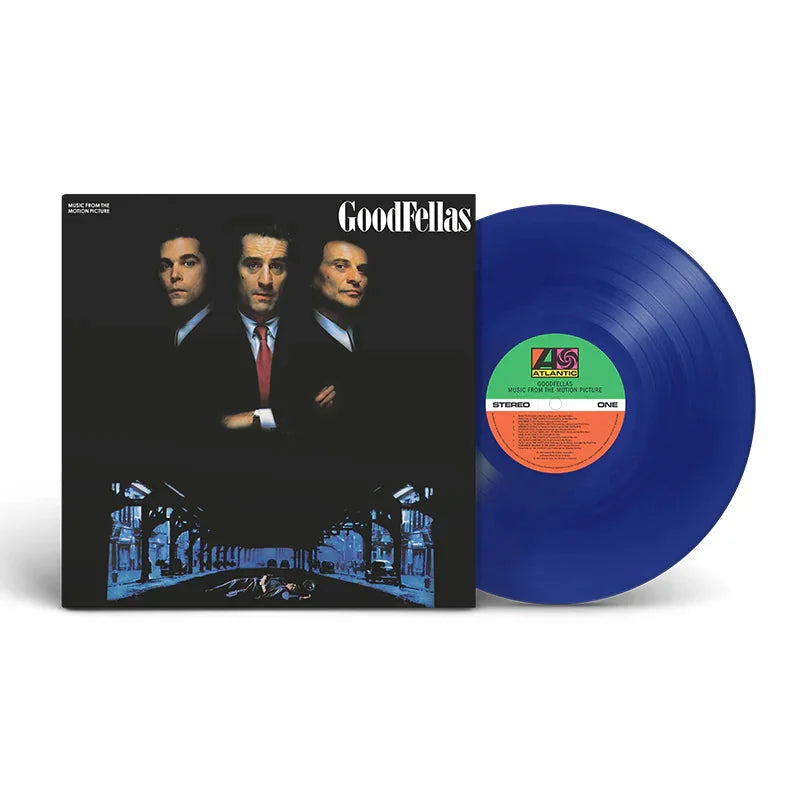
For many, the allure of vinyl is not just the sound quality but the artistic value of the packaging. Vinyl album art has become a canvas for extraordinary creativity, with special editions, colored vinyl, and elaborate fold-out covers that make each record a unique art piece. This trend shows that even in an increasingly digital world, there is an intense desire for physical media that offers a more immersive and engaging experience.

The enduring allure of vinyl album covers underscores their significance in musical history and personal and communal narratives. They serve as artifacts of personal history and cultural identity, offering a physical connection to music that resonates through generations. As we continue to navigate through digital landscapes, the tactile and visual satisfaction of vinyl album art ensures that this format will remain beloved by those who appreciate the artistry behind the music and continue to purchase vinyl records for both collection and enjoyment.
